A Peru tour package is a pre-built itinerary that bundles your internal transport, hotels, guided visits, entrance tickets and airport transfers into one price. The right one for you is decided by four things, in this order: how many days you actually have on the ground, how your body handles 3,399 m (11,152 ft) in Cusco, what kind of travel you want, and your budget.
The short version, from an operator that runs these routes every week:
- 2–4 days: Cusco and Machu Picchu only. No Sacred Valley depth, no second region.
- 6–7 days: Cusco, Sacred Valley, Machu Picchu, with real acclimatisation time built in.
- 8 days: the same core plus one high-altitude add-on — Rainbow Mountain, Humantay, or a spiritual track.
- 10 days: Cusco, Puno and Lake Titicaca, plus Lima.
- 14 days: multi-region, slower pace, ceremony and Andean tradition woven in.
Everything below is the long version: what is and isn’t included, what drives the price, and the mistakes we see travellers make when they build the itinerary in the wrong order. If you only want the day count, jump to how many days you really need in Peru. If you only want the money, jump to what a Peru trip actually costs.
What a Peru tour package includes (and what it doesn’t)
Peru travel packages are not standardised. Two agencies can quote the same seven days at prices that differ by half, and both quotes are honest — they simply contain different things. Before you compare numbers, compare contents.
What is almost always included
Ground transport between destinations. Private vehicle Cusco–Sacred Valley, tourist bus or private van Cusco–Puno, transfer to the train station. On our departures this is our own vehicle and our own driver, not a shared shuttle that collects fourteen people from fourteen hotels.
Train to Machu Picchu. Ollantaytambo to Aguas Calientes, roughly 1 hour 30 minutes. The service class matters and is one of the biggest price levers in any Peru package — see the cost section below.
Entrance tickets. Machu Picchu (with a named circuit and a fixed entry time), the Cusco boleto turístico covering Sacsayhuamán, Q’enqo, Puka Pukara, Tambomachay and the Sacred Valley sites, and any site-specific fees such as Rainbow Mountain.
Hotels with breakfast. Category depends on what you booked.
An English-speaking licensed guide for every guided day, plus airport pickup and drop-off.
What is usually not included
International flights. Domestic flights, unless the itinerary crosses regions — a Lima–Cusco leg is about 1 hour 20 minutes and is normally quoted separately so you can use miles or fix your own dates. Lunches and dinners on free days. Travel insurance. Entry to Huayna Picchu or Machu Picchu Mountain, which is a separate ticket with a separate quota. Tips. And the single supplement, if you are travelling alone and want your own room.
The three lines that hide the real difference
- Train service class. Expedition/Voyager, Vistadome/360, or the premium services. Same track, same arrival time, very different fare.
- Machu Picchu circuit. Not all tickets reach the classic postcard viewpoint. Ask which circuit number your package includes and what it covers.
- Group size cap. A tour “with a guide” means nothing until you know whether the guide has 8 people or 28.
We wrote the full guide to what a package includes precisely because this is where most travellers overpay. And if you are still deciding whether to book anything at all, package tour vs travelling independently breaks down which one wins on which route — because in Peru the answer is genuinely different for Cusco than it is for Titicaca.
Choosing by trip length: 4, 6, 7, 8, 10 and 14 days
This is the decision that determines every other decision. Get it wrong and no amount of budget fixes it.
The trap is arithmetic. Travellers count their days off work, subtract the flights, and assume the remainder is usable. It isn’t. Your arrival day in Cusco is not a touring day — you land at 3,399 m and your body needs it. Your departure day is not a touring day either. A “7-day package” gives you five working days.
2 days: Machu Picchu and nothing else
Only makes sense if you are already in Cusco and acclimatised. The 2-day Machu Picchu tour from Cusco exists for travellers on a business trip extension or a cruise stopover, and for people adding the citadel to a longer independent trip. Don’t fly in from Lima and attempt this cold.
4 days: the compressed classic
Cusco city, one Sacred Valley day, Machu Picchu, out. Our 4-day Cusco and Machu Picchu tour is the shortest itinerary we’re willing to build with an acclimatisation buffer still inside it. It works. It leaves nothing spare — one strike from a rail delay or a stomach upset and you lose a headline site.
6 days: the first comfortable itinerary
Two nights in Cusco before you do anything demanding, a full Sacred Valley day, an overnight in Aguas Calientes or Ollantaytambo, Machu Picchu, and a recovery day. The 6-day Cusco and Machu Picchu tour is what we recommend to most first-time visitors who don’t have two full weeks.
7 days: six days plus one altitude day
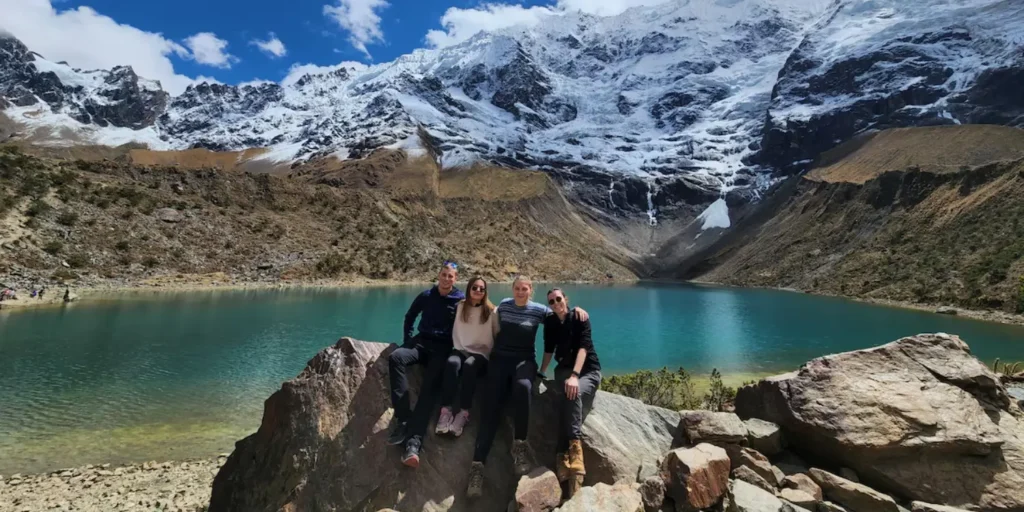
The extra day usually goes to Rainbow Mountain at 5,036 m (16,522 ft) or Humantay Lake at roughly 4,200 m. Both are hard days and both need to sit late in the trip, never early. The 7-day Cusco and Machu Picchu tour is built so that high day falls after you’ve had four nights above 2,800 m.
8 days: depth, or a second theme
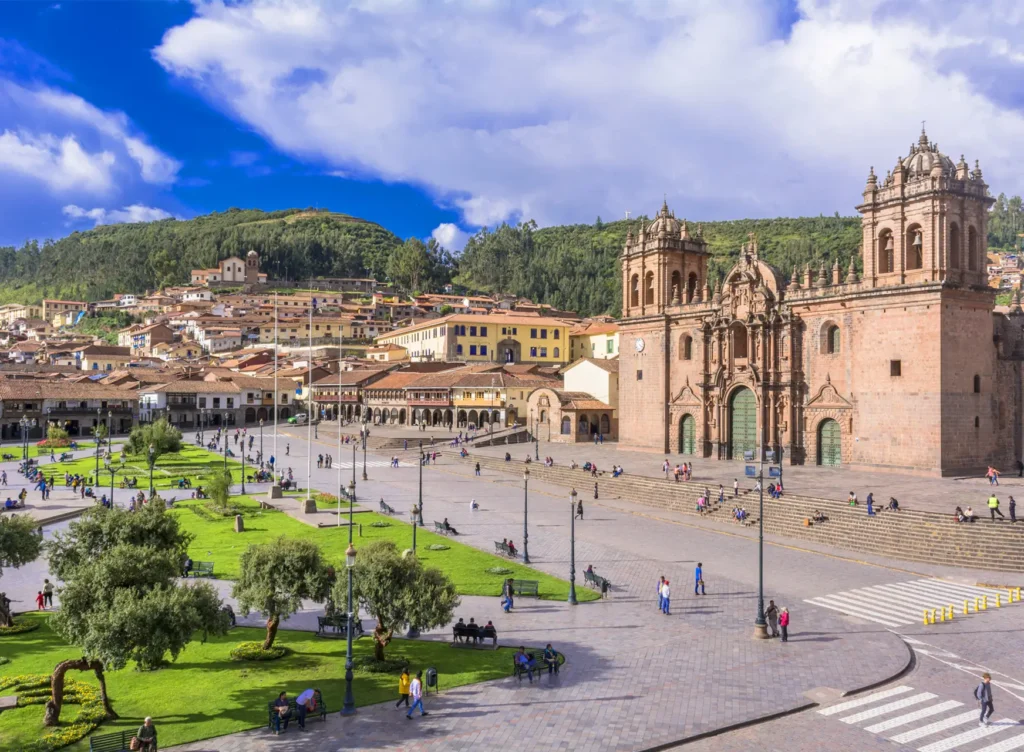
Eight days buys you either more of Cusco — South Valley, Tipón, Pikillacta, the Maras salt pans and Moray terraces at unhurried pace — or a change of register. The 8-day Cusco and Machu Picchu tour does the first. The 8-day Cusco spiritual tour does the second, with ceremony and Andean practice alongside the archaeology.
10 days: the second region
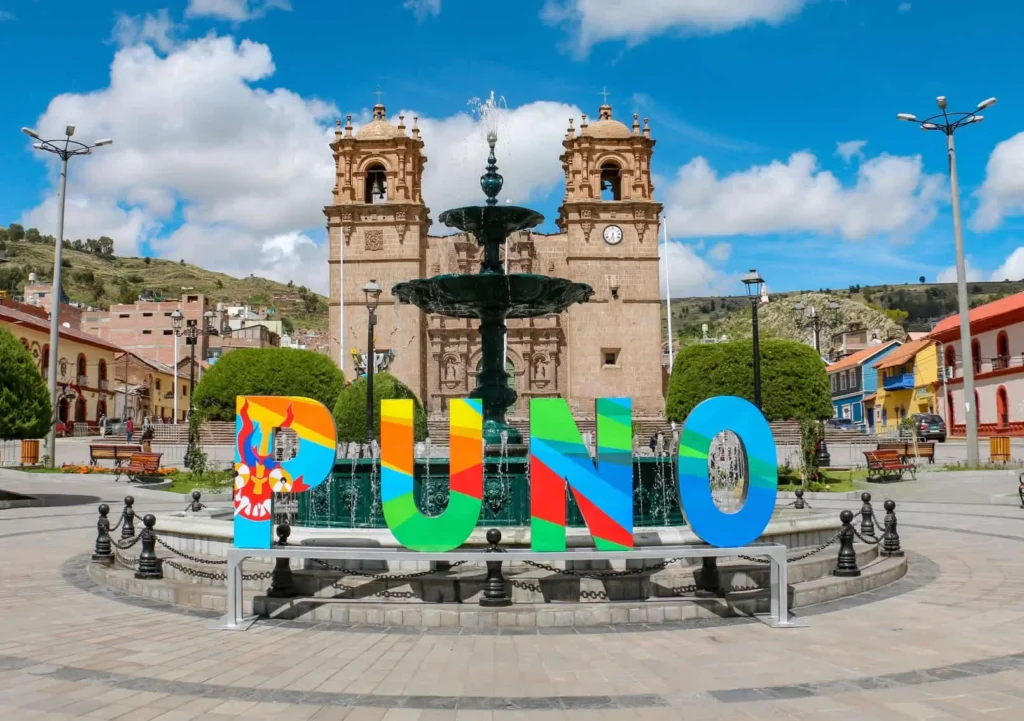
Ten days is the threshold where leaving the Cusco region stops being reckless. The 10-day Cusco, Puno and Lima tour adds Lake Titicaca at 3,827 m (12,556 ft) and Lima at sea level. The Cusco–Puno road journey runs roughly 389 km and takes about 10 hours on the tourist route bus with archaeological stops — that is a full day, and it must be counted as one.
14 days: pace instead of volume
Fourteen days is not “ten days plus four more sites”. Done properly it is the same country at half the speed, with time for the things that don’t fit a checklist. Our 14-Day Peru Mystic Tour is the itinerary we’re proudest of, and it gets its own section below.
The specialist routes
Two packages sit outside the day-count logic. The classic 4-day Inca Trail covers roughly 42 km and crosses Dead Woman’s Pass at 4,215 m (13,828 ft); it needs a permit bought months ahead and it needs acclimatisation days before it, so treat it as a 4-day trek inside a 7-or-8-day trip. And our standalone Lake Titicaca tour can be bolted onto almost anything if you have three spare days.
Comparison table
| Package | Days | Destinations included | Physical demand | Best for |
|---|---|---|---|---|
| Machu Picchu from Cusco | 2 | Aguas Calientes, Machu Picchu | Low — walking on uneven stone, 2,430 m | Travellers already in Cusco and acclimatised |
| Cusco & Machu Picchu | 4 | Cusco, Sacred Valley, Machu Picchu | Low–moderate | Tight schedules, first visit, no trekking |
| Cusco & Machu Picchu | 6 | Cusco, Sacred Valley, Ollantaytambo, Machu Picchu | Moderate | Most first-time visitors |
| Inti Raymi & Machu Picchu | 6 | Cusco, Sacsayhuamán, Sacred Valley, Machu Picchu | Moderate — long festival day on foot | Travellers in Cusco for 24 June |
| Cusco & Machu Picchu | 7 | Cusco, Sacred Valley, Machu Picchu + one 4,200–5,000 m day | Demanding on one day | Fit travellers wanting a high-altitude highlight |
| Cusco & Machu Picchu | 8 | Cusco, South Valley, Maras & Moray, Sacred Valley, Machu Picchu | Moderate | Slow travellers, photographers, repeat visitors |
| Cusco Spiritual & Machu Picchu | 8 | Cusco, Sacred Valley, ceremonial sites, Machu Picchu | Moderate | Travellers seeking Andean practice, not just ruins |
| Classic Inca Trail | 4 | Km 82, Wayllabamba, Dead Woman’s Pass, Machu Picchu | High — 42 km, max 4,215 m, 4 days camping | Trekkers with permits and acclimatisation days |
| Lake Titicaca from Cusco | 3 | Puno, Uros, Taquile, Cusco–Puno road route | Low–moderate, sustained 3,827 m | Add-on for travellers with spare days |
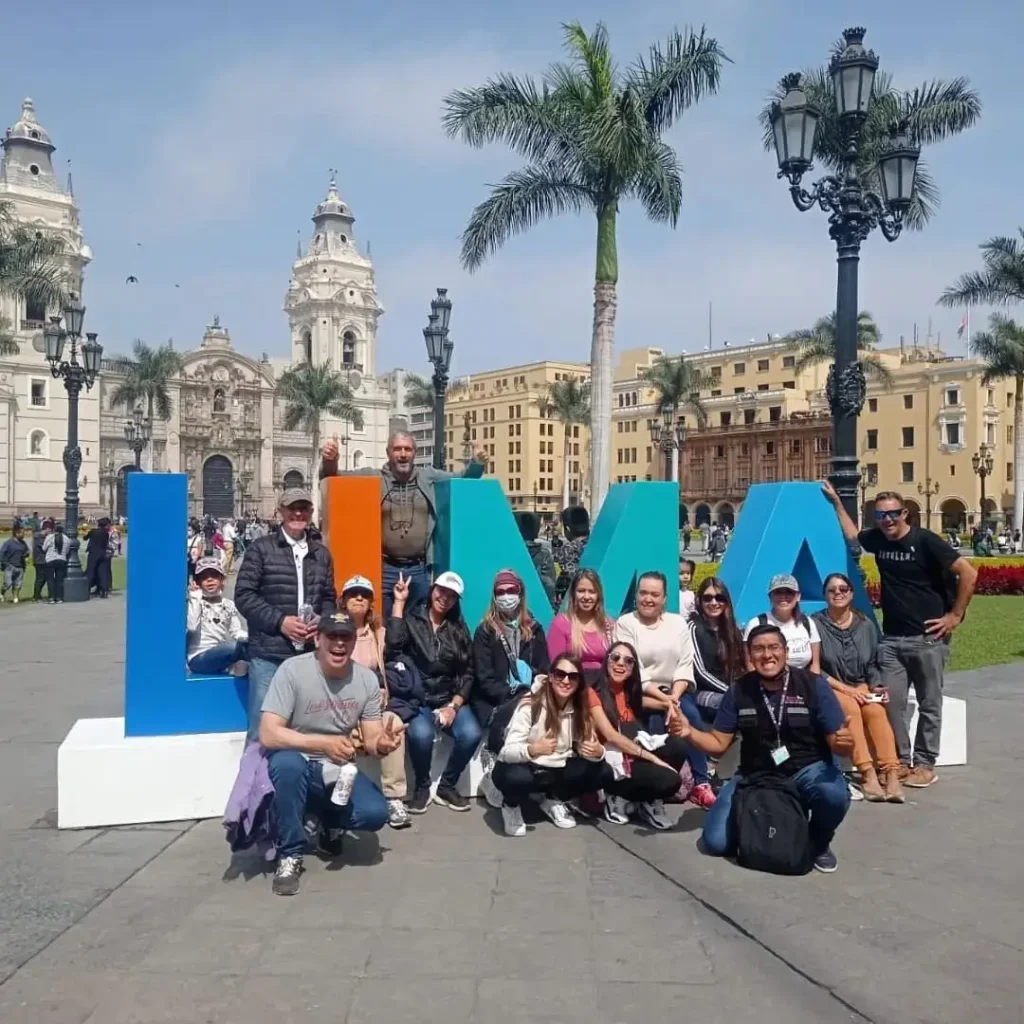
| Cusco, Puno & Lima | 10 | Cusco, Sacred Valley, Machu Picchu, Puno, Titicaca, Lima | Moderate | First-timers who want the full country |
| Peru Mystic Tour | 14 | Lima, Pisco, Huacachina, Nazca,Cusco, Chinchero, Maras ,Ollantaytambo ,Aguas Calientes | Moderate, spread over 14 days | Travellers who want depth over checklist |
Choosing by travel style: classic, spiritual, adventure, luxury
Two travellers with identical days and identical budgets should not get identical itineraries. Style is the second filter.
Classic
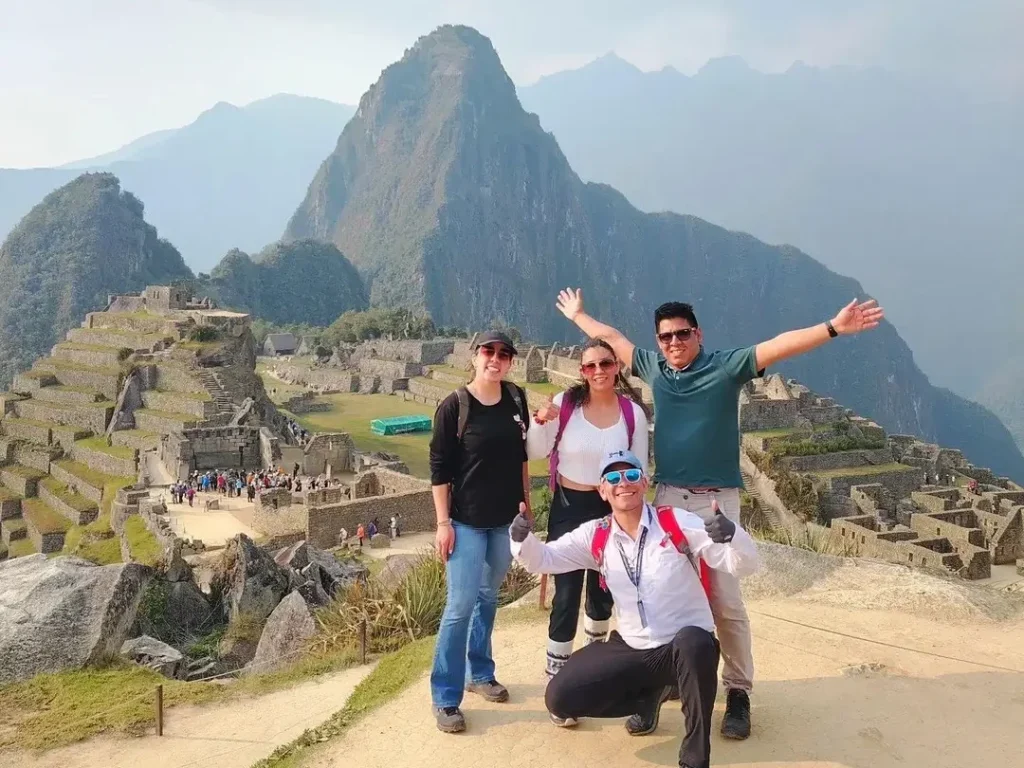
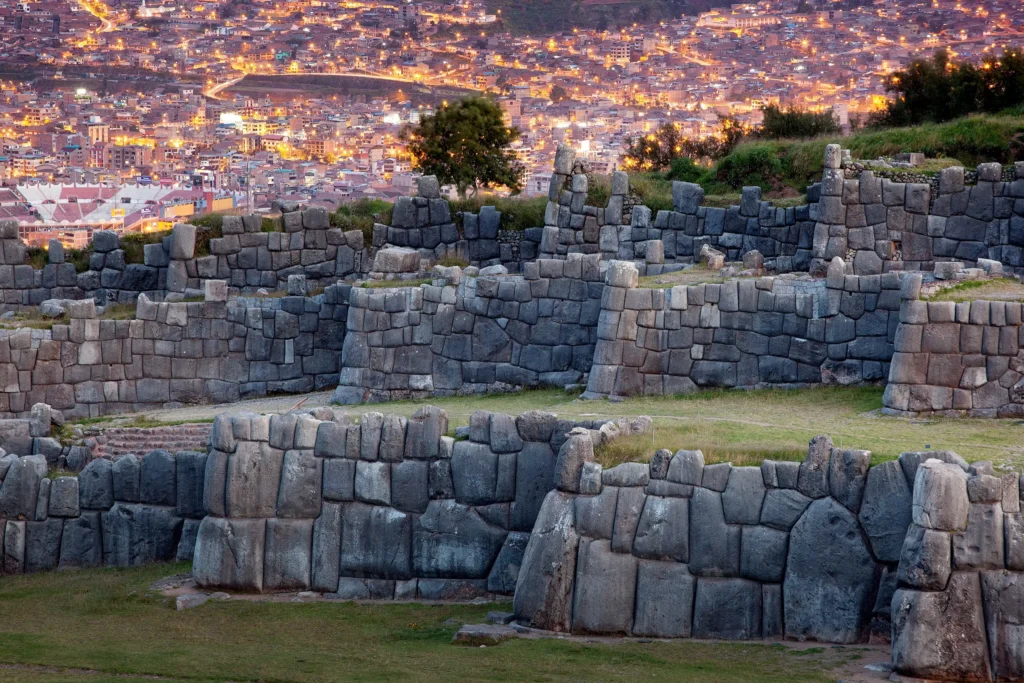
Archaeology, history, the canonical sites. Sacsayhuamán, Ollantaytambo, Pisac, Machu Picchu. A good classic tour is not the shallow option — it’s the one where the guide can explain why Inca stonework at Coricancha survived the earthquakes that flattened the colonial church built on top of it. Most of our day-count packages above are classic tours by default. Our complete Machu Picchu guide covers the citadel itself in far more detail than any itinerary page can.
Spiritual
This is the category with the widest quality gap in Peru, and the one where travellers get taken advantage of most often. A spiritual itinerary should be led by people from the tradition, at sites that matter to that tradition, with informed consent about what each ceremony involves.
Start with Andean cosmovision explained if the vocabulary is new to you — ayni, apu, despacho, Pachamama are not decoration, they are the structure. Then read how to tell an authentic spiritual tour, which lists the questions that separate real practice from theatre. If you’re weighing the two tracks against each other, classic tour vs mystic tour puts them side by side day by day.
Our two products here are the 8-day Cusco spiritual tour and the 14-day flagship below.
Adventure
Two sub-types, and they demand different things from you.
Trekking: the classic 4-day Inca Trail, 42 km, four days, camping, a 4,215 m pass on day two. Permits are capped at 500 per day including guides and porters, which leaves roughly 200 for travellers, and the trail closes every February for maintenance.
High-altitude day trips: Rainbow Mountain at 5,036 m is the one everyone asks about. It is a genuinely hard day at genuinely serious altitude, and it is the single most common source of “I felt terrible in Peru” stories — almost always because someone scheduled it on day two. The Rainbow Mountain guide covers the timing, the weather window and the honest fitness requirement.
Festival
Inti Raymi falls on 24 June every year, at Sacsayhuamán above Cusco. It is the single busiest date in the Peruvian tourism calendar, and hotels and trains around it behave accordingly. The Inti Raymi 6-day festival tour is built around the date; the Inti Raymi festival guide explains the ceremony, the seating tiers and what the day actually feels like from 8am to sunset.
Luxury
In Peru, luxury means four concrete upgrades: hotel category, train service, private vs shared guiding, and a helicopter or private-van transfer replacing a long road day. It does not mean different ruins. Luxury vs mid-range packages breaks down which of those four upgrades changes your trip most per dollar spent — in our experience it’s the train and the group size, in that order.
The 14-Day Peru Mystic Tour: our flagship itinerary
Our 14-Day Peru Mystic Tour is the itinerary we designed for travellers who don’t want to be moved through Peru at speed.
What it is
Fourteen days across. The archaeology is all there — Cusco, the Sacred Valley, Machu Picchu — but it is paced so that the days between the headline sites aren’t filler. Ceremony led by Andean practitioners, time at sites that don’t appear on standard routes, and enough unscheduled hours that you can be somewhere twice.
Why 14 days changes the experience
On a 6-day trip, everything is a first impression. You see Machu Picchu once, in a two-hour window, with a guide talking. On 14 days you have time to return to a place after you understand it, which is a completely different kind of visit.
The other change is physiological. Fourteen days lets us keep you below 3,000 m for the first stretch, move up gradually, and put the highest and hardest elements in the second week when your body has adapted. That single structural choice removes most of the altitude problems travellers report.
Who it suits
Travellers on a sabbatical or a career break. Couples marking something. People who have travelled a lot and are tired of the compressed version. People who came to Peru for the Andean tradition specifically and want more than a single afternoon of it.
Who it doesn’t suit
If your priority is maximum sites per day, this is the wrong purchase — the 10-day covers more ground. If ceremony isn’t something you want to participate in, take the classic 8-day instead.
What happens on a mystic journey day to day is the honest walkthrough, written because “spiritual tour” tells you almost nothing about what you’ll actually be doing at 6am on day nine.
Departures and availability: The 14-Day Peru Mystic Tour is available on selected 2027 departure dates, with limited spaces per departure. We recommend booking several months in advance, especially for the peak travel season, as departures can fill up early. Group sizes are limited to ensure a more personalized experience.
Cusco-only vs multi-destination itineraries
Most travellers overestimate how much of Peru fits into their trip. Peru is roughly 1.28 million km²; Cusco to Lima is a 1 hour 20 minute flight, and Cusco to Puno is a full day by road.
Stay in Cusco if
- You have fewer than 9 days on the ground.
- You want depth rather than coverage.
- You are sensitive to altitude and don’t want to add a second, higher stop at 3,827 m.
- It’s your first visit and Machu Picchu is the reason you’re coming.
The Cusco region alone holds the Sacred Valley, Maras and Moray, the South Valley, Rainbow Mountain, Humantay, Machu Picchu and Cusco city itself. Our 4-day tour at one end and the 8-day at the other both stay inside it.
Add destinations if
- You have 10 days or more.
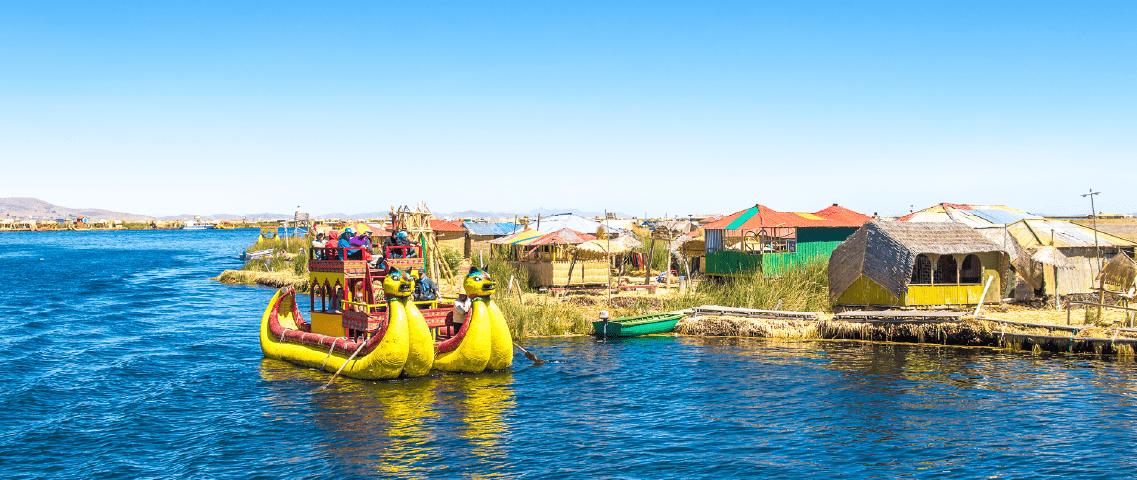
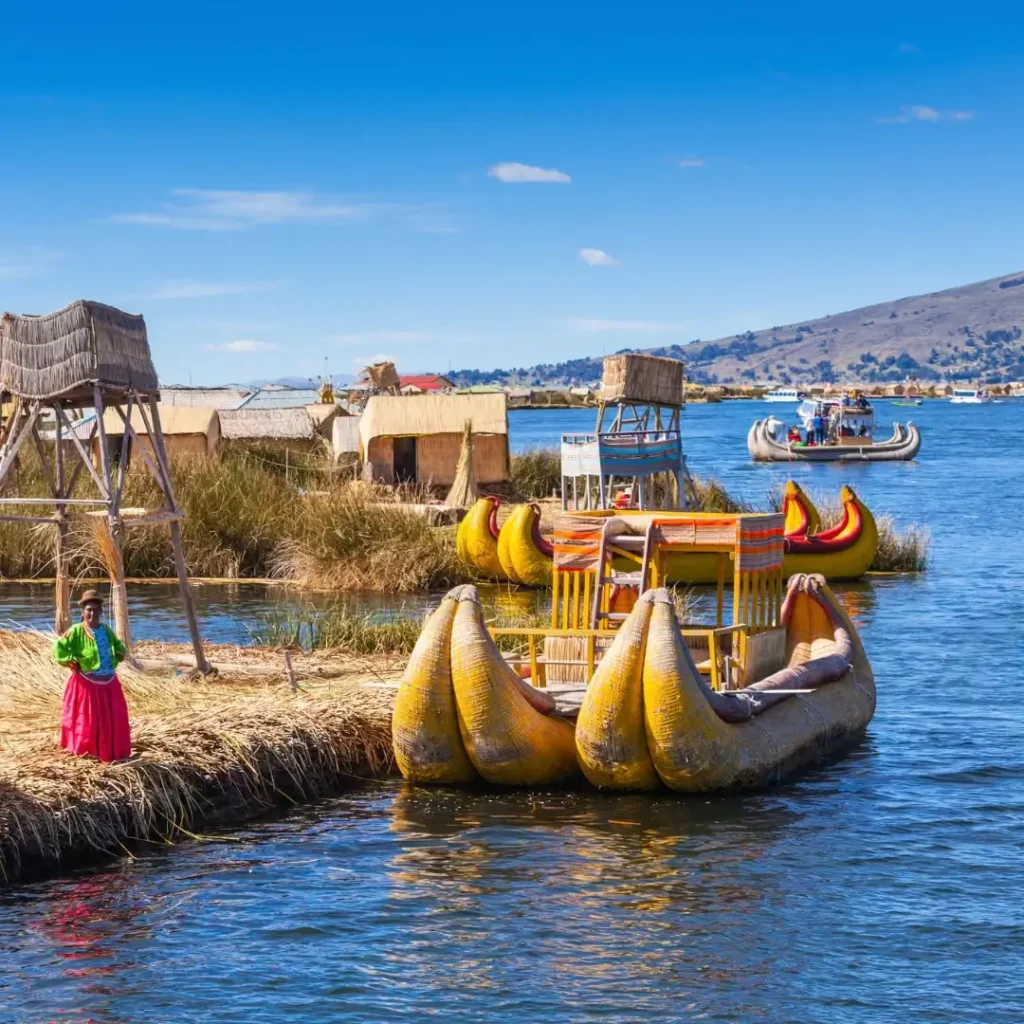
- You want Lake Titicaca — the Uros floating islands and Taquile are genuinely unlike anything in the Cusco region, and the Lake Titicaca tour from Cusco is the standalone version.
- You want Lima’s food scene and colonial centre, which also gives your lungs a sea-level day before flying home.
The 10-day Cusco, Puno and Lima tour is the version we run most often, and Cusco only or Cusco plus Puno and Lima works through the trade-off with the actual travel times attached, which is the only way to make this decision honestly.
The mistake we correct most
Travellers try to add Arequipa, Colca Canyon, Nazca and Huacachina to a 10-day itinerary. It’s technically possible. What you get is a trip made of transit days, and you will remember the buses better than the canyon.
How much a Peru package costs and what drives the price
Package prices in Peru vary more than in almost any comparable destination, because the fixed costs are a small fraction of the total and the variable ones are enormous.
Our current ranges: Prices for our 11 Peru packages vary depending on the itinerary, accommodation category, travel season, and group size. Prices are quoted per person and are generally based on double occupancy. A single supplement applies to travelers requesting private accommodation. Please contact us for the current price of each package and the applicable single supplement.
The seven price drivers, ranked
- Season. June to August is peak. Rates, hotel availability and train seats all move. November to March is low season and the same itinerary costs meaningfully less.
- Train service class to Aguas Calientes. Same 1h30 journey, several fare tiers. This is the largest single controllable line on most quotes.
- Hotel category. The gap between a good 3-star and a 5-star in Cusco is wider than the gap between the tours themselves.
- Group size. Per-person cost falls as the group grows. A private departure for two costs several times the per-head price of a group departure.
- Domestic flights. If your itinerary includes Lima, someone is buying a Lima–Cusco ticket. Whether it’s inside the package changes the headline number without changing your total spend.
- Guide ratio and language. A private licensed guide costs more than a shared one. Non-English-language guiding costs more again.
- Add-on tickets. Huayna Picchu, Machu Picchu Mountain, Rainbow Mountain, the Inca Trail permit — each is a discrete fee.
How to compare two quotes properly
Put them side by side and normalise four fields: train class, hotel names (not stars — names), maximum group size, and whether domestic flights are in or out. Nine times out of ten, the “expensive” quote is a different product, not a worse deal.
What a Peru trip actually costs has the full breakdown including the spending most travellers forget — meals on free days, tips, the Machu Picchu bus up from Aguas Calientes, and domestic baggage fees. If the choice you’re facing is specifically about hotel tier, our luxury vs mid-range comparison is the one to read.
Group departures vs private tours
Group departures
Fixed dates, shared vehicle, shared guide, published price. The economics are simple: you split the cost of the van, the driver and the guide across the group, so the per-person price drops.
What matters is the cap. A group of 8 and a group of 30 are different holidays — different pace, different waiting time at every stop, different ability to ask your guide a question.
Group departures suit solo travellers who want company, couples who don’t mind fixed timings, and anyone whose priority is value.
Private tours
Your own guide, your own vehicle, your own start times. The real advantage isn’t luxury — it’s control. You can leave for Machu Picchu at first light without negotiating with eleven other people. You can cut a site short because you’re tired, or stay an extra hour because you’re not.
Private suits families with children, travellers with mobility considerations, anyone on a tight schedule who can’t absorb delays, and groups of four or more, where the price gap narrows sharply because you’re already filling the van.
The honest middle
For most couples on a 6–8 day classic itinerary, a well-capped group departure delivers a very similar experience for noticeably less money. For anything involving early starts, dietary needs, kids, or a 14-day itinerary, private earns its cost. Group departures vs private tours has the per-person maths at each group size, which is the number that actually decides it.
When to book: lead times by season
Peru has three booking realities running at once.
The fixed-quota items
These are not about popularity, they’re about permits.
- Inca Trail permits. 500 per day including guides and porters. Peak-season dates disappear months ahead, and once they’re gone there is no waitlist, no exception and no upgrade. The trail closes every February.
- Machu Picchu entry. Timed tickets by circuit, with a daily cap. Peak-season morning slots go first.
- Inti Raymi, 24 June. One date a year. Hotels in Cusco fill for it, and so do the trains around it.
The seasonal items
June to August is the dry-season peak. Hotel inventory in Cusco, Aguas Calientes and the Sacred Valley genuinely runs out, and the good rooms go first. May and September are the quieter shoulder months with similar weather. November to March is the rainy season — Machu Picchu stays open, but afternoon rain is normal and mountain visibility is unreliable.
Our real lead times
The rule we give travellers: book the constrained item first, then build around it. If you want the Inca Trail, the permit date determines everything else. If you want Inti Raymi, 24 June determines everything else. If neither applies, you have far more flexibility than the internet suggests.
When to book your Peru tour has the month-by-month version, and the Inti Raymi festival guide covers the specific booking timeline for June.
Altitude and pacing: why itinerary order matters
This is the section we most wish travellers read before booking, because it’s the one that ruins trips.
The numbers
| Place | Altitude |
|---|---|
| Lima | Sea level |
| Machu Picchu | 2,430 m / 7,972 ft |
| Ollantaytambo | 2,792 m / 9,160 ft |
| Sacred Valley (Urubamba) | 2,871 m / 9,420 ft |
| Cusco | 3,399 m / 11,152 ft |
| Puno / Lake Titicaca | 3,827 m / 12,556 ft |
| Humantay Lake | c. 4,200 m / 13,780 ft |
| Dead Woman’s Pass | 4,215 m / 13,828 ft |
| Rainbow Mountain | 5,036 m / 16,522 ft |
Note what that table shows: Machu Picchu is nearly 1,000 m lower than Cusco. Travellers routinely assume the citadel is the high point of the trip. It isn’t. Cusco is where you’ll feel it.
The order that works
Land in Cusco. Do almost nothing for the first 24 hours — this is not lost time, it’s the investment that makes the rest work. Then go down to the Sacred Valley at 2,871 m for a night or two. Sleep low, visit high. Then Machu Picchu at 2,430 m. Then, and only then, the 4,000 m-plus days if your itinerary has them.
Every itinerary we run is sequenced this way. It’s why our 7-day puts Rainbow Mountain late instead of early, and why the 14-day starts slow.
The order that doesn’t
Land in Cusco in the morning and go straight to a full-day city tour with Sacsayhuamán at 3,700 m. Or worse: land, sleep one night, and attempt Rainbow Mountain at 5,036 m on day two. We turn down requests to build this itinerary. We’ve seen how it ends.
Practical measures
Hydrate more than feels necessary. Eat light on arrival day. Coca tea helps some people. Consider asking your doctor about acetazolamide before you travel — that’s a medical conversation, not a travel-agency one. And if symptoms go beyond a headache and breathlessness into confusion, vomiting or chest tightness, descend and get medical attention. Cusco has clinics used to this.
Your first 48 hours in Cusco is the detailed protocol, with the day-by-day version of this sequence.
How to choose your operator (and what to ask before booking)
Peru has an enormous number of agencies and a wide quality range. Some of the biggest names selling Peru itineraries are resellers who have never stood at the sites they sell.
Local operator vs reseller
We’re based in Cusco. We run our own departures with our own guides and our own vehicles. That matters in one specific, unglamorous way: when a train is cancelled, when a road closes, when someone gets sick at 4,000 m, the decision is made by someone who is in the country and who has handled it before — not escalated to a call centre in a different time zone.
Ask any operator directly: do you operate this tour, or do you subcontract it? Both answers can be fine. Not knowing which one you’re buying is not.
The questions to ask before you pay
- What is the maximum group size on my departure? A number, not “small groups”.
- Which train service class is included, in both directions?
- Which Machu Picchu circuit is on my ticket, and at what entry time?
- Which hotels, by name? Not “3-star or similar”.
- Is my guide licensed, and what language will they guide in?
- What is the cancellation and date-change policy in writing? Note that Inca Trail permits are non-transferable and non-refundable — that’s national regulation, not the agency’s choice.
- What happens if the train is cancelled or the trail closes? Ask for the actual protocol.
- Are domestic flights inside the price or outside it?
- Who do I call at 2am in Peru? There should be a local number and a name.
The red flags
Prices far below every other quote — something is missing, usually the train class or the guide ratio. Refusal to name hotels. Vague answers on group size. Payment requested to a personal account. And any spiritual itinerary that won’t tell you in advance who leads the ceremony and what it involves.
If the answers to the nine questions above look unfamiliar, the full guide to what a package includes explains what each line should say, and group departures vs private tours covers the group-size question in more depth.
What to do next
Pick your day count first, using the table above. Pick your style second. Check whether your dates collide with a fixed-quota item — Inca Trail permits or 24 June. Then talk to an operator with those three answers already in hand. That conversation takes ten minutes instead of ten emails.
Frequently asked questions
How many days do you need for a Peru tour package?
Six to eight days is the realistic minimum for Cusco, the Sacred Valley and Machu Picchu with proper acclimatisation. Four days works if your schedule is fixed, but it leaves no margin for a delayed train or a bad first night at altitude. Ten days lets you add Puno and Lima. Fourteen days changes the pace of the whole trip rather than just adding sites.
What’s included in a Peru tour package?
Ground transport, hotels with breakfast, the train to Machu Picchu, entrance tickets, English-speaking licensed guides and airport transfers. International flights, most lunches and dinners, travel insurance, tips and Huayna Picchu tickets are typically excluded. Domestic flights vary by operator — always confirm.
Is Machu Picchu higher than Cusco?
No. Machu Picchu sits at 2,430 m (7,972 ft); Cusco is at 3,399 m (11,152 ft), nearly 1,000 m higher. Most altitude discomfort happens in Cusco, not at the citadel.
How far in advance should I book a Peru tour?
It depends on what’s in your itinerary. Inca Trail permits are the binding constraint and go months ahead for peak season. Inti Raymi on 24 June and June–August travel generally need earlier booking than the rest of the year. Low season, November to March, is far more flexible.
Do I need to do the Inca Trail to reach Machu Picchu?
No. Most travellers arrive by train to Aguas Calientes, roughly 1h30 from Ollantaytambo, then take the bus up to the entrance. The Inca Trail is one of several ways in, and it requires a permit, four days and prior acclimatisation.
What’s the difference between a classic and a mystic Peru tour?
A classic tour is archaeological and historical — sites, context, Inca engineering. A mystic tour covers the same landscape through living Andean practice, with ceremony led by practitioners from the tradition. Both visit Machu Picchu. They differ in what happens on the other days.
Are group tours or private tours better in Peru?
Group departures cost less per person and suit solo travellers and flexible couples. Private tours give you control over timing and pace, and make more sense for families, travellers with mobility or dietary needs, and groups of four or more, where the price gap narrows.
When is the best time to visit Peru?
May to September is the dry season with the most reliable mountain weather; June to August is the busiest and most expensive. May and September offer similar conditions with fewer people. November to March is the rainy season — cheaper and greener, with afternoon rain and less reliable visibility. The Inca Trail closes every February.
Can I do Rainbow Mountain on my first days in Cusco?
You shouldn’t. Rainbow Mountain is at 5,036 m (16,522 ft). It needs several nights of acclimatisation above 2,800 m first. We schedule it in the second half of every itinerary that includes it.
Do Peru packages include domestic flights?
Sometimes. A Lima–Cusco flight is about 1h20 and is frequently quoted separately so travellers can use miles or set their own arrival times. It’s one of the four fields you must normalise when comparing two quotes.