A Peru mystic journey is a standard Sacred Valley and Machu Picchu itinerary reordered around Andean ceremony. You still see the ruins, the markets, the mountains. What changes is the frame: your days open and close with a paqo, an Andean ritual specialist, and the trip builds toward Machu Picchu instead of starting there. Most of our mystic itineraries run 8 to 14 days, mix two or three ceremonies with community visits, and keep the same acclimatization pacing as our regular tours. It’s not a retreat and it’s not a psychedelic tour. It’s a slower way to move through the same geography.
We run this tour out of Cusco, and it’s the itinerary people ask us the most questions about before booking — because it’s harder to picture than “see Machu Picchu.” This article walks through what a day actually feels like, who leads the ceremonies, and where this kind of trip fits against a standard sightseeing route. For the broader menu of options we operate, see our full guide to Peru tour packages.
Who this journey is for (and who it isn’t)
This trip suits travelers who’ve already done research beyond “top 10 things to do in Peru” and want the visit to mean something past the photo. People who ask good questions about Andean belief systems before they arrive tend to get the most from it. So do travelers who are comfortable with early mornings, cold rooms, and a slower pace than a checklist tour.
It doesn’t suit people on a 3 or 4-day layover who need to see Machu Picchu and fly out. Ceremony work needs unhurried mornings and it needs altitude days built in — compressing it defeats the point. It also isn’t the right fit for anyone expecting a wellness spa experience with ceremony as garnish; the communities we work with run these rituals as they always have, not as a performance scheduled around a hotel breakfast buffet. If you’re trying to decide between the two formats, our comparison of a classic tour vs mystic tour breaks down the practical differences in pace, cost, and what’s included.
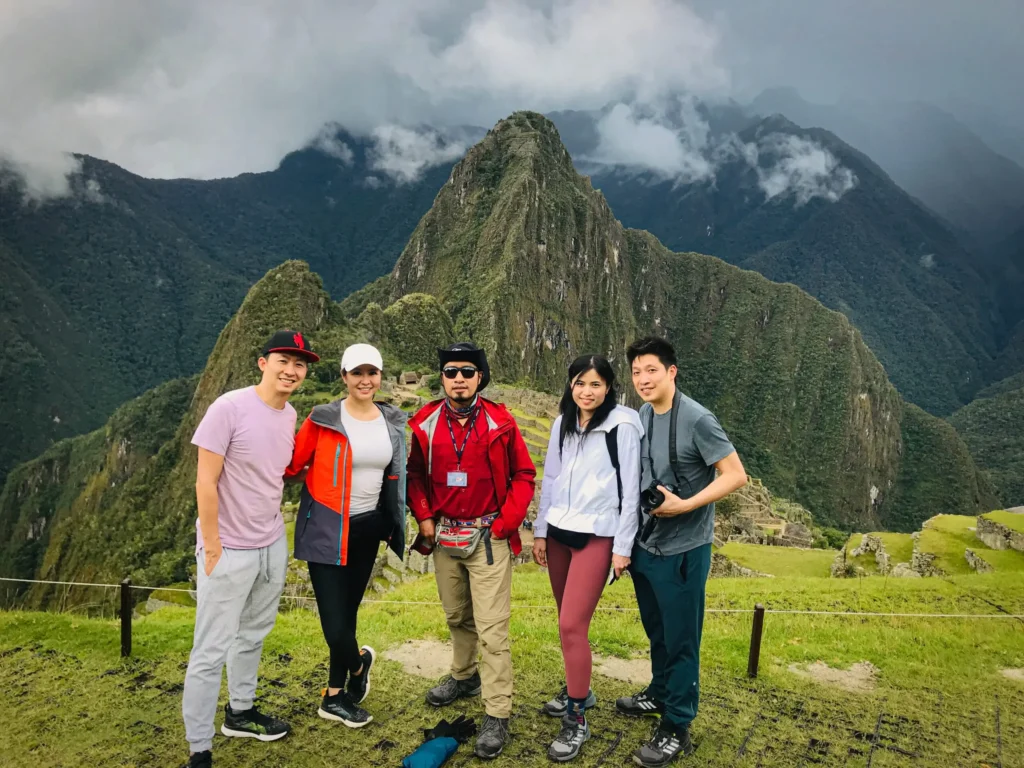
The rhythm of a day on a mystic journey
No two days are identical, but a ceremony day and a Sacred Valley day both follow a rhythm built around light, altitude, and the paqo’s own schedule rather than a bus timetable. Here’s what a typical ceremony day looks like, hour by hour:
- 6:00 AM — Wake at the lodge or homestay. Coca tea is usually already on the table; it’s the standard local response to the altitude, not a ceremonial drink itself.
- 6:30 AM — Light breakfast. Groups are kept small so there’s no rush to clear the tables for the next shift.
- 7:15 AM — Short walk or drive to the ceremony site, usually a spot the paqo has used for years rather than a location picked for us.
- 8:00 AM — The despacho ceremony begins. This runs roughly 60–90 minutes depending on the paqo and the specific offering being prepared. Details below.
- 9:30 AM — Time to sit with what just happened. Some travelers want to talk it through immediately; others want ten minutes of silence. Our guides read the group and don’t force either.
- 10:30 AM — Walk or drive to a nearby Sacred Valley site — a market, a set of terraces, a weaving cooperative — timed for when light is good and buses from Cusco haven’t arrived yet.
- 1:00 PM — Lunch, often with the host family or community rather than at a restaurant built for tour groups.
- 3:00 PM — Free afternoon or a second, lighter activity. This is where rest days get scheduled — more on that below.
- 7:00 PM — Dinner, early, because mornings start early again the next day.
Days without a ceremony scheduled follow a similar shape but move at the pace of a standard sightseeing day: more driving, more sites, less stillness. We alternate the two deliberately so the ceremony days don’t blur into just another activity on the list.
The communities and the paqos who lead the ceremonies
Every ceremony on this journey is led by a paqo — an Andean ritual specialist, sometimes translated loosely as “priest” or “shaman,” though neither word maps cleanly onto the role. A paqo’s training is usually passed down within a family or community over years, not certified by an institution, which is exactly why who leads your ceremony matters more than what the itinerary says.
We work with paqos selected through a relationship the agency has cultivated over years. We don’t audition paqos for tourism; we ask community members who would bring their own family for a ceremony, and we build the relationship from there. Our selection criteria are based on three things: the paqo’s lineage and training, their position within the community, and their willingness to perform the ceremony in the same way they would for a family in Cusco, not a shortened version for visitors.
This matters because “spiritual tourism” in the Sacred Valley has a real problem with staged ceremonies run by guides with no lineage, performed for a fee with no community tie at all. If you want to understand that distinction before you book anything, our piece on how to tell an authentic spiritual tour walks through the specific questions worth asking any operator, us included.
What a despacho ceremony actually involves
A despacho is an offering to Pachamama — Mother Earth — and to the Apus, the mountain spirits that anchor Andean cosmology to specific peaks around Cusco. It isn’t a performance for an audience; it’s a request or a thank-you, built physically out of small offerings arranged in a particular order.
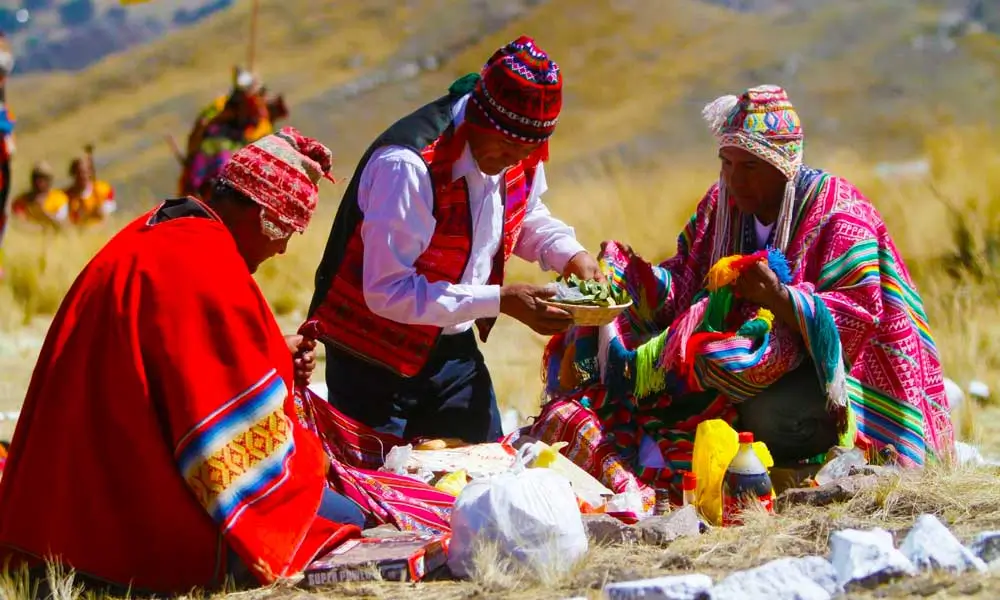
The paqo lays out a cloth and builds the offering piece by piece: coca leaves (the most important element, read and placed with real attention), sweets, seeds, small figures representing what the group is asking for or grateful for, sometimes wine or chicha, and llama fat in some versions. Each traveler is usually invited to add something — a handful of leaves, a personal intention spoken quietly or held silently. The paqo narrates in Quechua and Spanish, and our guide translates in real time rather than after the fact, so you’re not watching something happen and then getting a summary.
The bundle is wrapped and, depending on the specific ceremony, burned or buried — burning is more common for offerings addressed to the Apus, burial for those addressed to Pachamama directly. None of this involves substances of any kind — that distinction matters enough that we’ve given it its own section further down.
If you want the ceremony explained inside the wider belief system it comes from — the three worlds, the role of the condor, puma and serpent — read our explainer on Andean cosmovision explained before you go. It gives the ceremony a context the site visit alone won’t.
Travelers who want to build a full trip around this experience usually start from our 14-Day Peru Mystic Tour, which has room to sequence multiple ceremonies against a slower Sacred Valley pace before Machu Picchu.
Machu Picchu at the end: why the order matters
Standard Cusco itineraries often front-load Machu Picchu — fly in, train up, see the ruins, then use remaining days for the Sacred Valley. We build mystic itineraries the other way around: Sacred Valley and ceremony first, Machu Picchu last.
The reasoning is sequencing, not superstition. Despacho ceremonies work by naming an intention — what you’re releasing, what you’re asking for. Arriving at Machu Picchu after several days of that groundwork gives the site a different weight than arriving as day one of a whirlwind trip. Guides here also treat Machu Picchu itself as having its own ceremonial geography — the Intiwatana stone, the Temple of the Sun, the alignment with Huayna Picchu — and that reading lands differently once you’ve already spent days with a paqo explaining how Apus and Pachamama fit together.
There’s a practical reason too: Machu Picchu sits at 2,430 m (7,970 ft), noticeably lower than Cusco at 3,400 m (11,152 ft). Saving it for the end means you’re descending toward the easiest altitude on the trip, not climbing into ceremony work already fatigued from the trek up to Cusco’s elevation. For a shorter version of this same sequencing, our 8-day Cusco spiritual tour compresses the arc into a week without cutting the ceremony work.
Altitude, pacing and rest days
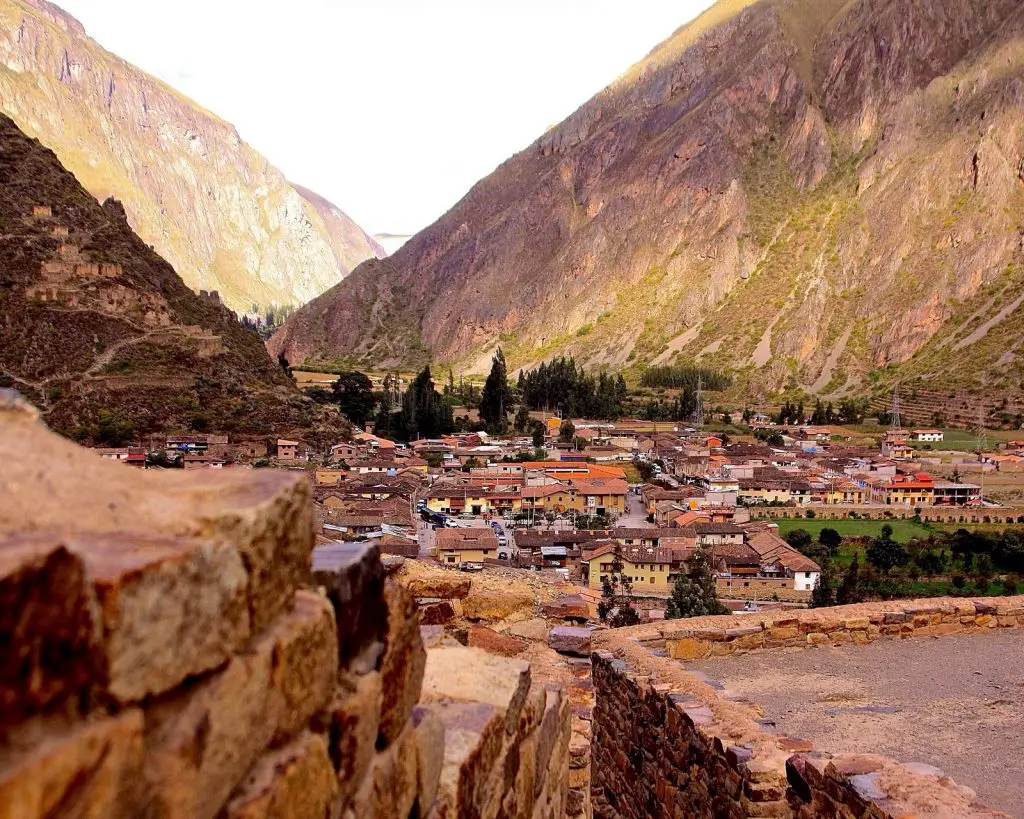
Cusco’s altitude is the real logistical constraint on this itinerary, more than the ceremonies themselves. At 3,400 m, most travelers feel some effect in the first 24–48 hours — headache, shortness of breath, poor sleep — regardless of fitness level. The Sacred Valley towns (Pisac at roughly 2,970 m, Ollantaytambo at roughly 2,790 m) sit lower, which is part of why we route the early ceremony days through the valley rather than starting in Cusco itself.
We build at least one full rest day into every mystic itinerary, positioned after the first 48 hours rather than at a random point in the schedule. No ceremony, no site visit scheduled — just enough structure that people who want an easy walk have one, and people who want to sleep have the room to. Coca tea, hydration, and a slow first two days do more for how you feel than any amount of pre-trip training.
If you’re weighing how much time to give this kind of trip against a tighter schedule, our guide on how many days you need in Peru lays out the trade-offs between a compressed itinerary and one with real acclimatization built in — it matters more here than on a standard sightseeing route, because a rushed ceremony day is a wasted one.
What travellers say afterwards
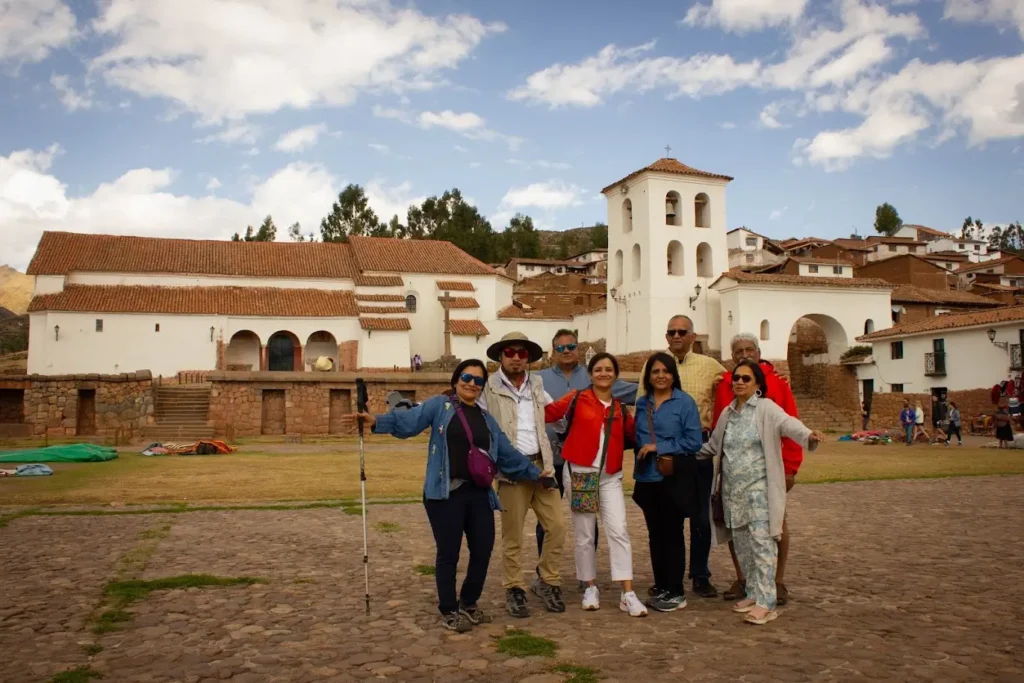
The pattern we hear most often, once we have real quotes to draw from, tends to be less about the ceremony itself and more about the pacing — travelers noticing they arrived at Machu Picchu calmer than they expected to be, having spent the prior days slowing down rather than rushing between sites.
What this journey is not: a note on ayahuasca and expectations
This is the single most common misunderstanding we field before booking, so it’s worth being direct: this itinerary does not include ayahuasca or any other plant medicine ceremony. Despacho offerings, limpias with coca leaves, and Andean ritual work involve no ingested substances of any kind. If you’ve seen “shamanic journey Peru” advertised alongside ayahuasca retreats elsewhere, that’s a different category of trip entirely, typically run in the Amazon basin rather than the Andes, and it comes with its own legal, medical, and safety considerations we don’t operate under.
What we do run is Andean ceremonial tradition — a belief system built around Pachamama, the Apus, and reciprocity (ayni), practiced by paqos in the communities around Cusco for generations before tourism existed at all. It’s slower and less dramatic than plant medicine tourism, and that’s deliberate. Go in expecting a change of pace and a different lens on sites you may already know from photos, not a peak experience engineered to a schedule. For a longer look at spotting operators who blur these categories together — or who dilute the ceremony work into a photo-op — read how to tell an authentic spiritual tour before booking anywhere.
Ready to see how this fits into an actual itinerary? Start with our 14-Day Peru Mystic Tour for the full arc, or the 8-day Cusco spiritual tour if your schedule is tighter.
Frequently Asked Questions
Is a Peru spiritual journey safe for someone with no prior meditation or ceremony experience? Yes. No prior experience is expected or needed. The paqo leads and translates every step, and participation in any part of a despacho — adding coca leaves, stating an intention — is invited, never required.
Does this trip include ayahuasca? No. This itinerary is built entirely around Andean ceremonial practice — despacho offerings, limpias, and community visits — with no plant medicine or ingested substances involved at any point.
How physically demanding is a mystic journey compared to a standard Machu Picchu tour? About the same, with more built-in rest. Ceremony mornings are typically gentler than trekking days, and we schedule at least one full rest day early in the trip to manage Cusco’s 3,400 m altitude.
Can I do a shamanic journey in Peru as part of a shorter trip? Yes — the 8-day Cusco spiritual tour compresses the same sequence of ceremony, Sacred Valley, and Machu Picchu into a week. Anything shorter than that starts to cut into the acclimatization time ceremony days need.