

Luxury and mid-range Peru packages visit the same sites and follow largely the same route — the difference is in hotel category, train class and how much schedule flexibility you get, not in what you see. A mid-range trip puts you in 3-star hotels with Expedition-class trains and a shared or standard private itinerary. A luxury upgrade moves you into 4-5 star hotels on request, opens the option of premium train service, and buys more control over pace. What it doesn’t change is Cusco’s altitude, Machu Picchu’s fixed entry hours, or how busy the site is on a given day — those apply the same way regardless of what you’re paying. Our full guide to Peru tour packages covers the full range of package levels before you decide where to sit on that scale.
Where the money actually goes in a luxury Peru trip
A luxury upgrade concentrates its cost in three places: hotel category, train class, and schedule flexibility. Hotels move from our standard 3-star base to 4-5 star on request, which is the single biggest cost driver of an upgrade. Train class can move from the included Expedition service to Vistadome, and depending on the route, further still to a premium luxury service. And a fully private, flexible schedule — already standard on our 6, 7 and 8-day packages — gets more room to actually be used when hotels and trains aren’t the limiting factor.
What luxury pricing does not buy is a different Machu Picchu experience once you’re inside the gate. The guided visit runs about 2.5 hours regardless of hotel category, and entry is still by assigned time slot. The money goes into how you travel between and around the sites, not into the sites themselves.
Hotels: what changes between categories
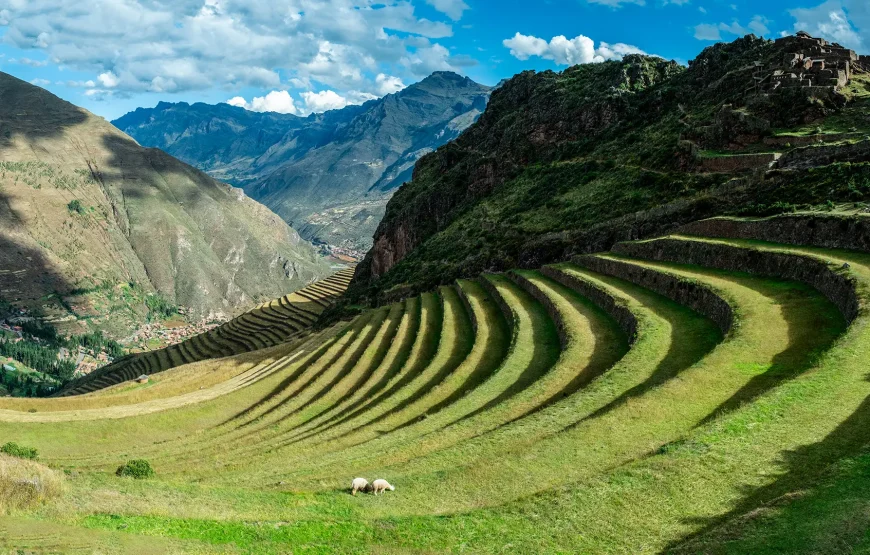
Our standard packages run on 3-star, or 3-4 star depending on the specific itinerary, with upgrades to 4-5 star available on request. The practical differences at each level are room size and finish, on-site dining quality, and — particularly relevant at altitude — amenities like better heating, oxygen-enriched rooms in some higher-category Cusco properties, and more attentive front-desk support for last-minute changes.
Naming the actual properties you’d stay in at each tier is the single most useful thing this section could do for a comparison-minded reader, more than describing star ratings in the abstract.
Trains: Expedition, Vistadome and Hiram Bingham
Expedition is the train class included as standard across our packages — functional, comfortable, and the same route and journey time as every other class: about 1 hour 40 minutes between Ollantaytambo and Aguas Calientes. Vistadome is our standard upgrade option, with larger panoramic windows for Sacred Valley scenery on the same route and timing.
Above Vistadome sits Hiram Bingham-class luxury service, a full dining-car experience some travellers add for the train journey itself as much as for the destination. For a full breakdown of what separates the classes beyond price, the three train classes compared covers the practical differences in seating, service and views.
Private transport and guiding
Ground transport is private throughout the tour on every one of our packages, luxury or not — this isn’t a luxury-tier upgrade, it’s the standard. What luxury tiers add here is less about the vehicle and more about pace: with hotel and train logistics no longer the constraint, a luxury schedule has more room to slow down, add rest time, or adjust plans day to day.
Professional private guiding is included as standard on our 6, 7 and 8-day packages regardless of hotel tier. If schedule control specifically — not hotel category — is your main priority, group vs private departures is worth reading separately, since private guiding and luxury accommodation are two different upgrades that don’t have to be bought together.
What luxury does NOT change (altitude, queues, weather)
No amount of spending changes Cusco’s altitude of 3,399 meters (11,152 ft) or Machu Picchu’s own elevation at 2,430 meters (7,972 ft). A luxury hotel with better amenities can make the acclimatization period more comfortable, but it doesn’t shorten how long your body actually needs to adjust.
Machu Picchu’s operating hours — 6:00 AM to 5:30 PM, entry by assigned time slot — apply identically to every visitor regardless of tour category. A luxury trip can choose a preferred time slot within what’s available, but it can’t create additional capacity or bypass the queue for the Aguas Calientes shuttle bus, which runs on the same schedule for everyone. Weather during the rainy season, November/December through March/April, is the same weather whether you’re in a 3-star or 5-star hotel that night.
The upgrades worth paying for
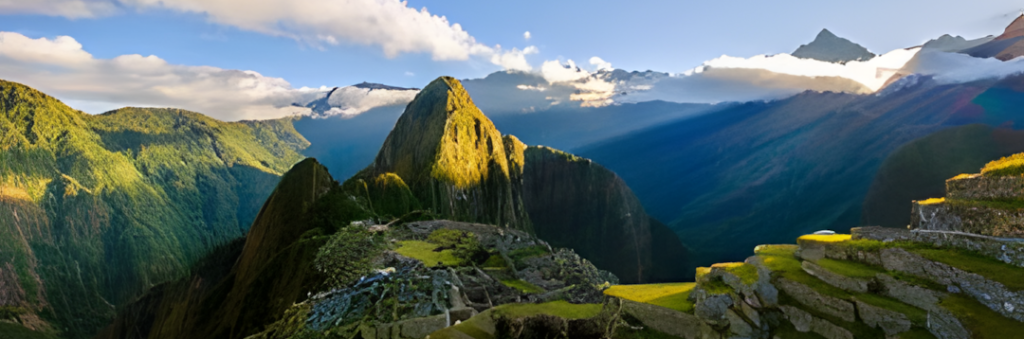
Hotel category is the upgrade with the most consistent payoff, particularly in Cusco itself where better heating and altitude-conscious room design make the first 48 hours noticeably more comfortable. Train class is worth it mainly for the experience of the Sacred Valley scenery itself — Vistadome’s larger windows are a real difference on a route that’s genuinely scenic, not just a status upgrade.
Schedule flexibility is worth paying for if you have specific timing needs — an early Machu Picchu entry to beat the day’s crowds, or extra time at one site instead of another. That flexibility is most valuable on trips already leaning into a slower pace, like our 14-Day Peru Mystic Tour, where luxury-tier accommodation pairs naturally with an itinerary that’s already built around not rushing.
The upgrades that are not worth it
Paying for a luxury train class purely to shorten the Ollantaytambo–Aguas Calientes journey isn’t worth it — the travel time is the same 1 hour 40 minutes regardless of class, since it’s a fixed rail distance, not a speed upgrade. If your only goal is getting there, Expedition does the job identically.
Upgrading hotels specifically in Aguas Calientes for one night is also lower value than upgrading in Cusco, where you’re spending the acclimatization days that actually benefit from a better room. One night in Aguas Calientes before an early Machu Picchu entry is functionally a place to sleep, not somewhere you’ll spend meaningful time enjoying the amenities.
If your trip includes the 10-day Cusco, Puno and Lima tour, consider whether luxury tier is worth it on every leg or just the Cusco portion — Puno’s hotel options at the luxury tier are more limited than Cusco’s, so the value proposition shifts by destination rather than staying consistent across the whole itinerary. For the full cost picture across any tier, what a Peru trip costs and what a Peru package includes cover what’s bundled at each level before you start adding upgrades on top.
| Mid-range | Luxury | |
|---|---|---|
| Hotel | 3-star, or 3-4 star depending on package | 4-5 star, available on request |
| Train | Expedition (included) | Vistadome, or Hiram Bingham where available |
| Transport | Private throughout, standard on all packages | Private throughout, same standard |
| Guide | Professional private guide on 6, 7 and 8-day packages | Same, with more schedule flexibility |
| Price difference per person | Base package price |
Frequently Asked Questions
Is a luxury Peru tour worth the extra cost? It depends on what you value. Hotel and train upgrades genuinely improve comfort, especially during Cusco acclimatization, but they don’t change Machu Picchu’s fixed operating hours or Cusco’s altitude, which apply the same way regardless of budget.
What’s the difference between Expedition and Vistadome trains? Both cover the same Ollantaytambo–Aguas Calientes route in about 1 hour 40 minutes. Vistadome adds larger panoramic windows for Sacred Valley views; the travel time itself doesn’t change between classes.
Do luxury hotels help with altitude sickness in Cusco? They can make the adjustment period more comfortable through better heating and room design, and some higher-category Cusco properties offer oxygen-enriched rooms, but they don’t shorten the acclimatization time your body actually needs.
Which upgrade matters most: hotel, train or private guide? Hotel category has the most consistent payoff, particularly in Cusco during acclimatization days. Private guiding is already standard on our 6, 7 and 8-day packages regardless of hotel tier, so that upgrade is less relevant to the luxury-versus-mid-range decision specifically.