
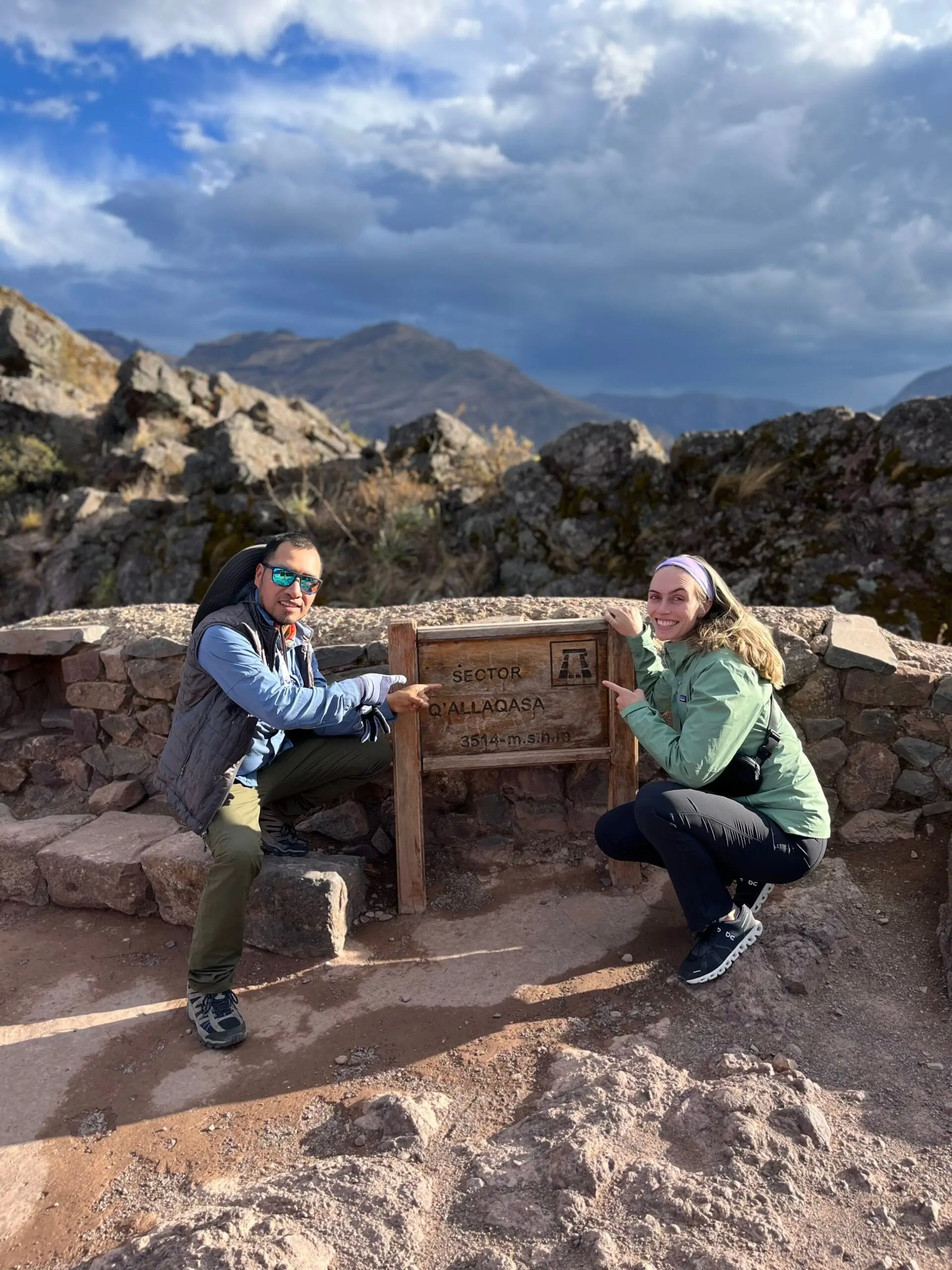
For adventurous souls, nothing compares to the thrill of reaching the ancient Inca citadel entirely on foot. However, with so many rugged paths winding through the Andes, choosing the right route can feel overwhelming.
If you are researching the best treks to machu picchu, you have likely narrowed your choices down to the two heavyweights: the historical Classic Inca Trail and the fiercely beautiful Salkantay Trek.
In this guide, we break down the key differences between these legendary routes so you can lace up your boots and choose the adventure that perfectly matches your travel style.
Comparing the best treks to machu picchu
Deciding between these two iconic routes comes down to what you value most: walking in the literal footsteps of history or immersing yourself in wild, untouched alpine scenery.
Here is a closer look at what makes each journey unique.
The Classic Inca Trail: History and Stone Paths
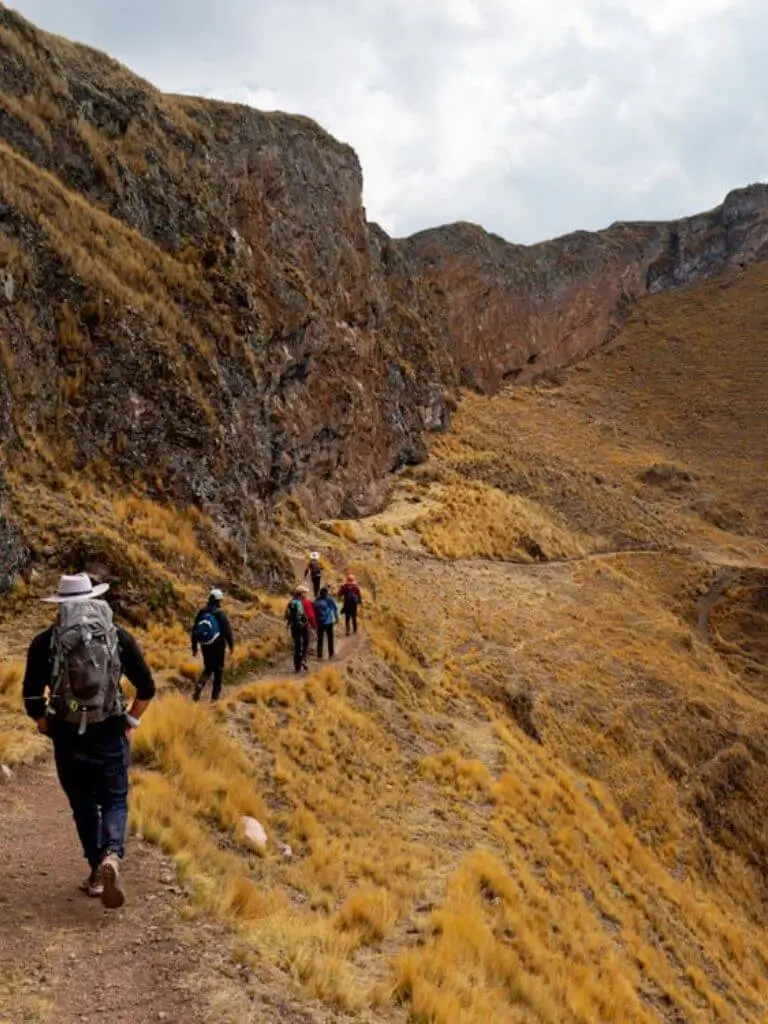
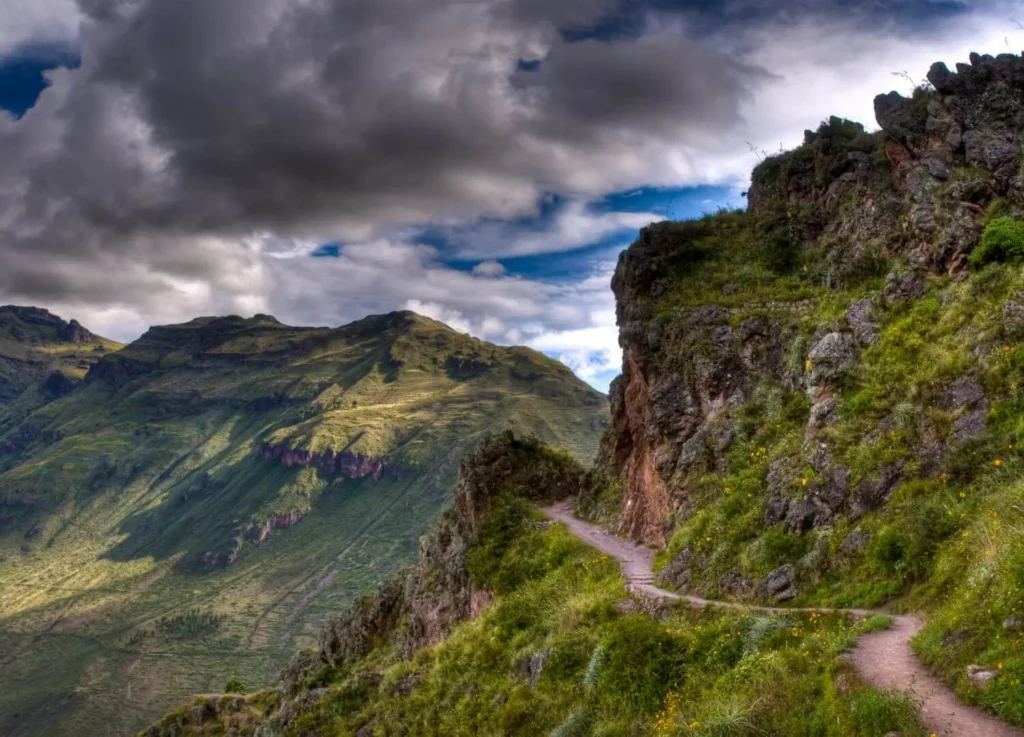
This is the most famous trek in South America for a reason. Over four days, you will hike along original cobblestone paths built by the Incas over 500 years ago.
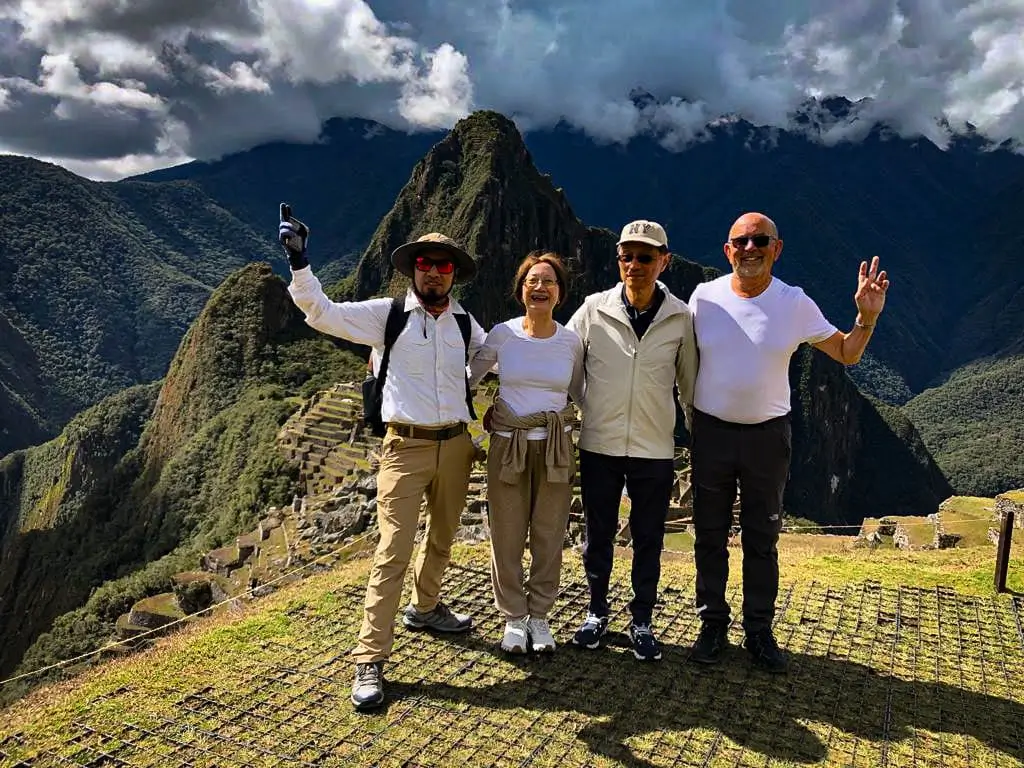
Securing spots on official inca trail tours means you will pass through mysterious cloud forests and explore exclusive archeological sites like Wiñay Wayna that are inaccessible to regular tourists. The journey famously culminates with a sunrise entrance through the Sun Gate (Inti Punku).
The Salkantay Trek: Raw Nature and Glaciers
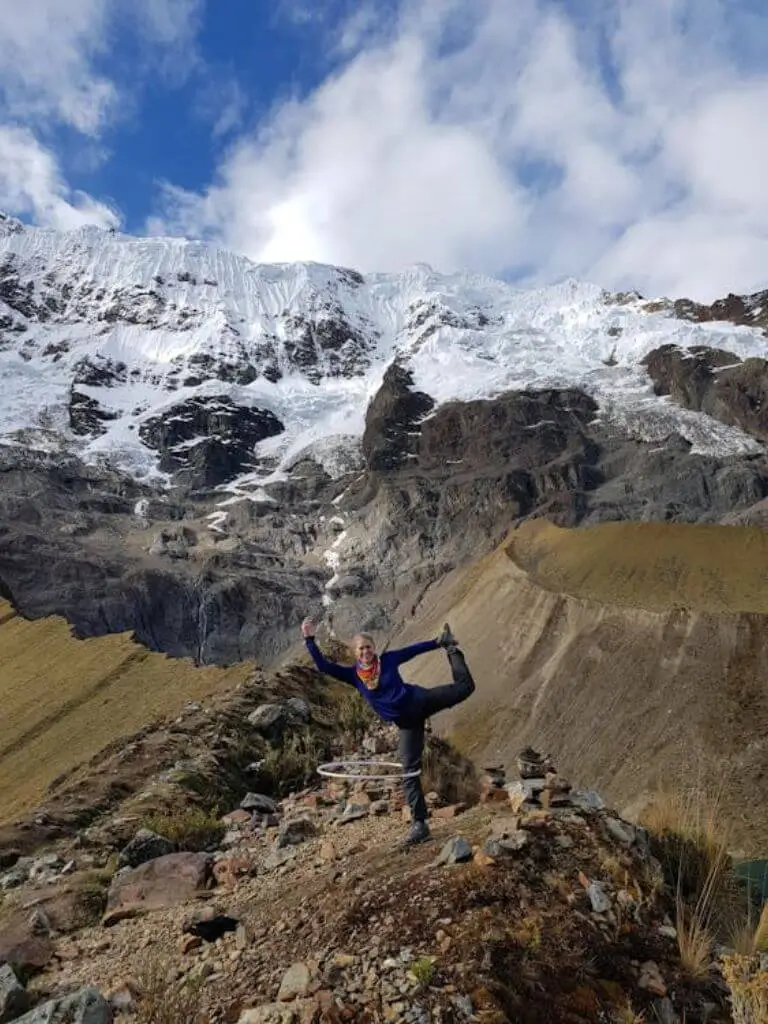
If you prefer towering snow-capped peaks and diverse ecosystems, this is your trail. Rated as one of the top 25 treks in the world by National Geographic, it is a formidable alternative to the traditional route.
Most salkantay trek packages take you over the high-altitude Salkantay Pass, right beneath a staggering glacier, before descending into lush, high-jungle coffee plantations. It is physically demanding but offers unparalleled scenic diversity.
Seeking alternative treks to machu picchu?
If permits are sold out or you simply want to escape the crowds, there are phenomenal backup options. The Lares Trek offers incredible cultural immersion with local weaving communities, while the Inca Jungle Trek provides a multi-sport adventure involving downhill mountain biking and rafting.
Essential Trail Data
Before embarking on any Andean hike, understanding the environment is absolutely critical. Here is the data you need to prepare:
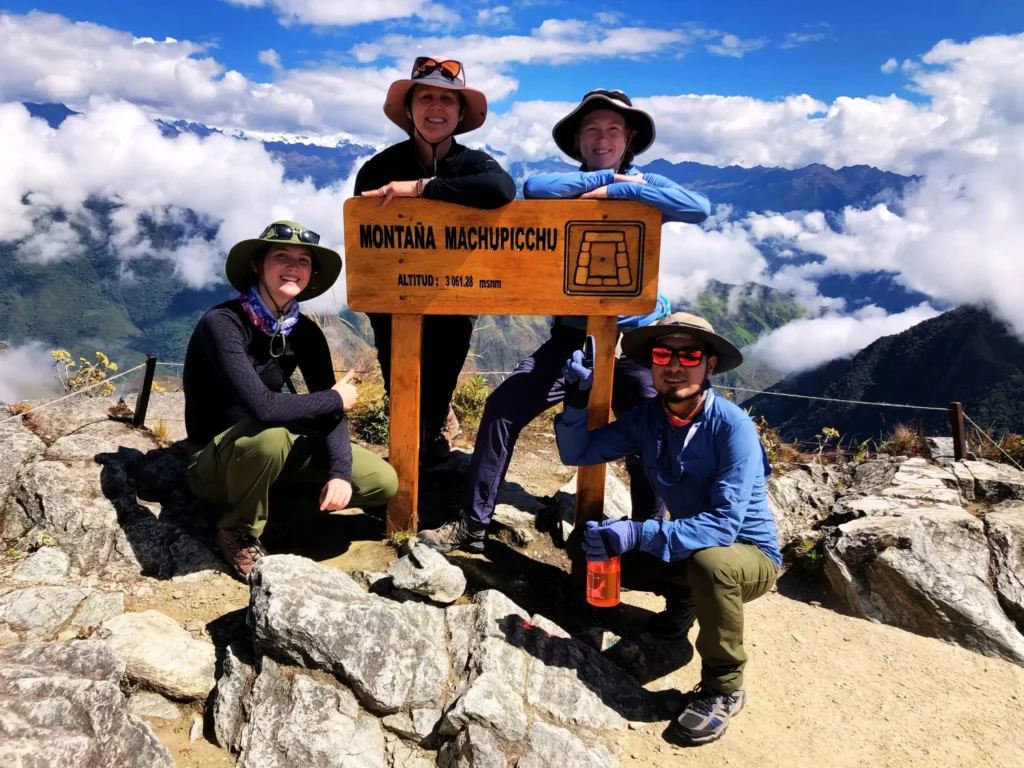
- Altitude: The Inca Trail reaches 4,215m (13,828 ft) at Dead Woman’s Pass. Salkantay goes even higher, peaking at 4,600m (15,090 ft) at the Salkantay Pass.
- Climate: Expect freezing temperatures at high-altitude campsites at night, and intense, warm sun during daytime hiking hours.
- Best Season: The dry season (May to October) is the optimal time. Note that the Classic Inca Trail is closed every February for maintenance.
- Difficulty: Both are challenging. The Inca Trail requires stamina for endless stone steps. Salkantay demands high-altitude endurance and steep ascents.
- What to Bring: High-quality broken-in hiking boots, trekking poles, a warm sleeping bag (rated for sub-zero), a headlamp, and blister care supplies.
Expert Tips from Local Specialists
As local guides operating out of Cusco, we know exactly what it takes to conquer these mountains safely. Keep these expert tips in mind:
- Secure Permits Months in Advance: The government strictly limits the Classic Inca Trail to 500 people per day (including guides and porters). Book at least 6 months ahead for the dry season.
- Acclimatize Relentlessly: Arrive in Cusco at least two to three days before your trek begins. Walk slowly, eat light meals, and drink Muña tea.
- Train for Stairs: If you choose the Inca Trail, your cardiovascular fitness matters, but your leg strength for descending uneven stone steps is just as crucial.
- Pack Toilet Paper and Soles: Bring your own TP in a waterproof ziplock, and carry small bills of Peruvian Soles to tip your hardworking porters and horsemen at the end of the trek.
Conclusion
Choosing between the historical wonder of the Inca Trail and the sweeping glacial views of Salkantay is a great problem to have. Ultimately, the best treks to machu picchu are the ones that align with your physical fitness, timeline, and personal desire for either ancient ruins or raw wilderness.