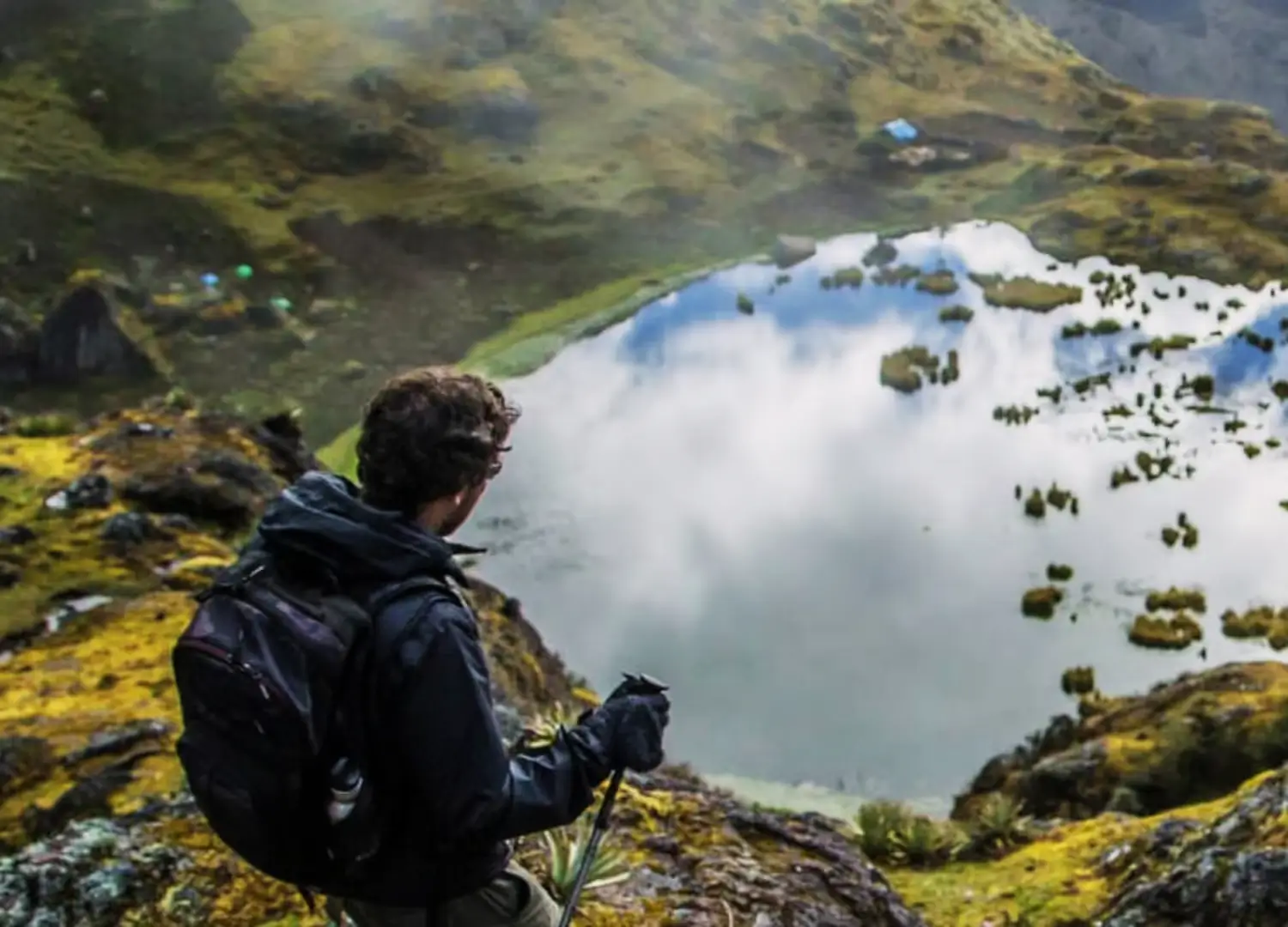
Discover a side of the Peruvian Andes far removed from crowded trails, where traditional weaving communities, alpaca herds, and dramatic mountain passes define the journey. This 8-day adventure combines cultural immersion in Cusco and the Sacred Valley with a multi-day trek through the remote Lares Valley, culminating in the Short Inca Trail and an unforgettable arrival at Machu Picchu through the Sun Gate.
Ideal for travelers seeking authentic contact with Andean culture alongside physical adventure, this itinerary balances challenging trekking days with rich opportunities to interact with local communities, observe native wildlife, and take in some of the most striking high-altitude scenery in South America. It’s a journey built for those who want more than a checklist — they want a genuine story to tell.
Overview
The Lares Trek to Machu Picchu is an 8-day expedition that blends Inca history, Andean village life, and mountain trekking into a single, well-rounded adventure. Beginning with cultural exploration in Cusco and the Sacred Valley, the journey moves into the lesser-traveled Lares Valley, home to traditional weaving communities and dramatic high-altitude landscapes, before joining the Short Inca Trail for a classic approach to Machu Picchu through the Sun Gate.
Tour Itinerary Summary
Day 1 — Cusco City Tour
- Guided visit to Sacsayhuaman archaeological complex
- Exploration of Koricancha, the Temple of the Sun
- Tour of Cusco Cathedral and its historic artwork
- Introduction to the Cusco School of Art
Day 2 — Sacred Valley Exploration
- Visit to Chinchero's Inca wall and main plaza
- Panoramic views of the Sacred Valley and Salkantay peak
- Tour of the Maras salt mines
- Exploration of the Moray agricultural terraces
- Lunch at a local restaurant and transfer to valley hotel
Day 3 — Start of Lares Trek
- Drive to the trailhead at Huaran with horse support team
- Ascent through the Cancha Cancha valley
- Traditional lunch in a local community
- Walk through native Polylepis woodland
- Overnight camp at Acopata (3,950m)
Day 4 — Crossing Pachacutec Pass
- Ascent to the trek's highest point at 4,750 meters
- Views of Pitusiray and Sahuasiray glaciers
- Descent to Qoyalaycocha glacier lake for lunch
- Continued hike to the village of Quishuarani
- Opportunity to purchase handmade alpaca textiles
- Overnight camp at community center
Day 5 — Trek to Huacahuasi
- Gradual hike to the Andean community of Cuncani
- Lunch and rest in the community
- Continued ascent to Huacahuasi campsite
- Mountain and waterfall views from camp
Day 6 — Descent to Ollantaytambo
- Hike over the Ipsaycocha high point
- Descent through the Patacancha valley
- Private transport to Ollantaytambo
- Free time to explore the archaeological site and town
Day 7 — Short Inca Trail to Aguas Calientes
- Train transfer to the trailhead at Km 104
- Visit to the Chachabamba archaeological site
- Hike to the Wiñayhuayna ruins complex
- Arrival at Inti Punku (Sun Gate) for first Machu Picchu views
- Transfer to Aguas Calientes for overnight stay
Day 8 — Machu Picchu and Departure
- Guided tour of the Machu Picchu citadel
- Free time to explore independently
- Optional hike up Huayna Picchu
- Train and road transfer back to Cusco
Itinerary
Day 1: Arrive in Cusco
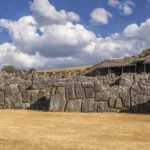
The first day is for your tour of Cuzco, the capital of the Inca Empire, where you’ll visit Sacsayhuaman, an immense Incan complex with impressive stonework, and Koricancha, one of the most important Inca temples (the walls were once actually coated in gold!). You’ll also stop at the Cathedral where you’ll learn about the intricacies of the Cuzco School of Art and view fascinating historical artifacts. Meals: N/A
Day 2: Depart Cusco and Drive to the Sacred Valley
We leave Cuzco and head to the Chinchero Plateau to explore Chinchero, an important town in Inca times. The most striking remnant of this period is the massive stone wall in the main plaza which has ten trapezoidal niches.
There are beautiful views overlooking the Sacred Valley of the Incas, with the Cordillera Urubamba and the snow-capped peak of Salkantay dominating the western horizon. Chinchero is believed to be the mythical birthplace of the rainbow.
Visit the salt mines of Maras, a salt-producing center that dates back all the way to pre-Inca times where over 3000 salt pools all carved into the mountain side. Discover Moray’s mysterious concentric circular terraces which, according to some scholars, was an agricultural research center. Then we will have lunch in a local restaurant where we can savor dishes made with locally grown produce. After a leisurely lunch we head for our hotel in the valley. The rest of the day is free to relax and enjoy beauty of this famous valley. Meals: B, L
Day 3: Lares Trek
We will drive a bit farther to our starting point, the plains of Huaran (3.000m / 9.840ft) where we will meet our wranglers with their horses and commence our trek. The trail ascends steadily for 4 hours to the center of the valley of Huaran, following the river Cancha Cancha to a small community of the same name. Along the way we’ll be able to see the traditional farmland of the locals, enjoy the view into the impressive valley of the river and walk through the typical Polylepis woods, which unfortunately are diminishing.
This vegetation is particularly interesting due to its abounding wildlife, especially hummingbirds. In the village we will be able to enjoy a traditional Andean lunch and continue with our hike after a short break. After two more hours of hiking we will reach our campsite “Acopata” at 3.950m (12.960ft). We will spend the night here after a traditional dinner and a short briefing for the next day. Meals: B, L, D
Day 4: Acopata – Pachacuteq Pass – Quishuarani
After breakfast we continue our ascent. This is the longest and most exhausting day of the trail. We will climb for about 3 hours to the highest point called “Pachacutec” at 4.750m (15.580 ft).
The view from up here is breathtaking, you can see the impressive mountains and the glaciers Pitusiray and Sahuasiray as well as emerald green lakes. From there we descend for about 2 hours to the glacier lake Qoyalaycocha where we will break for our traditional lunch.
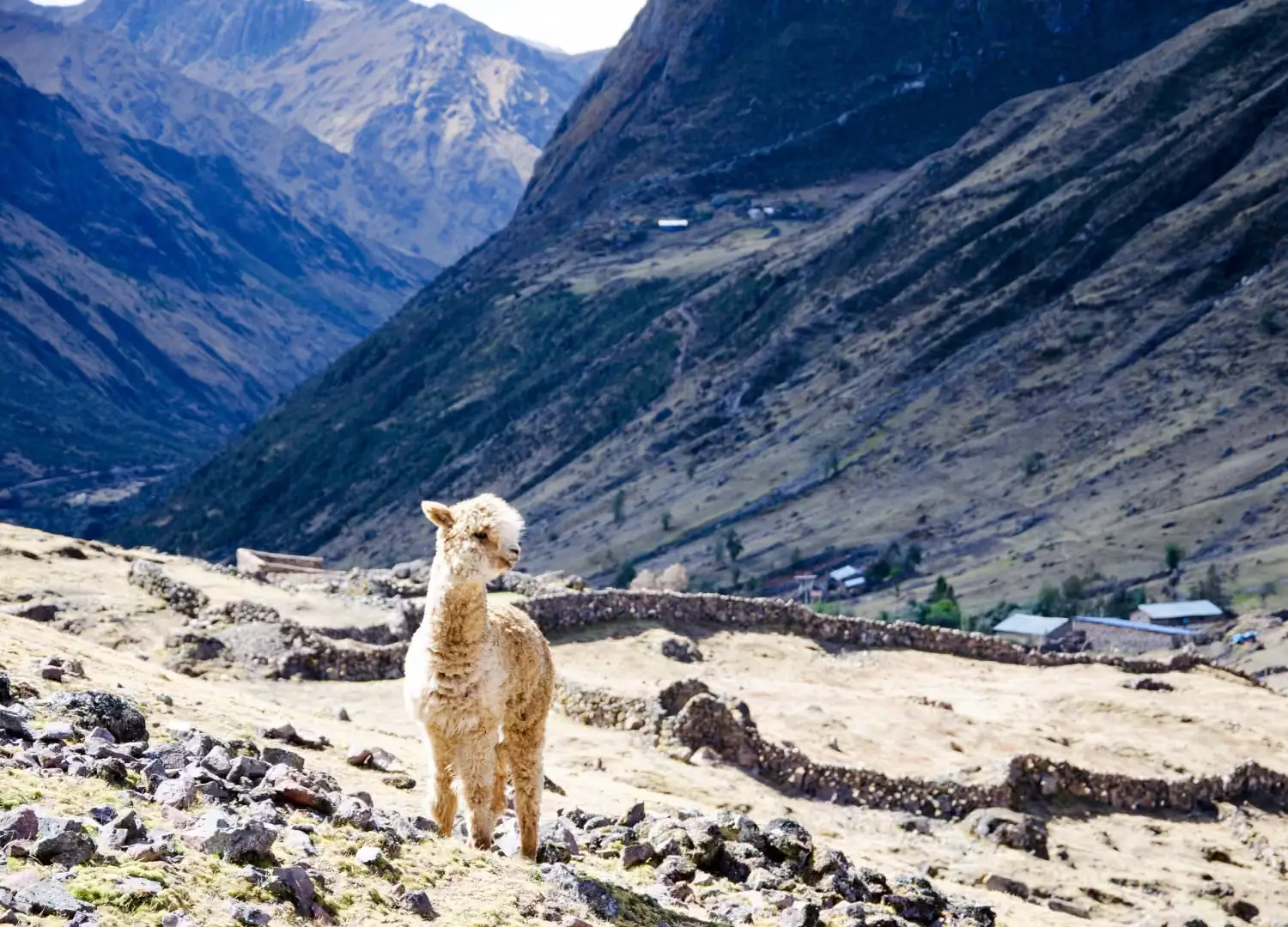
After a short break we continue for another 2.5 hours to the village of Quishuarani. Along the trail we will be able to observe free range flocks of llamas, alpacas and sheep and, with a bit of luck, we might be able to spot the gray Andean deer, the Andean goose, falcons, ducks or even the noble Andean fox.
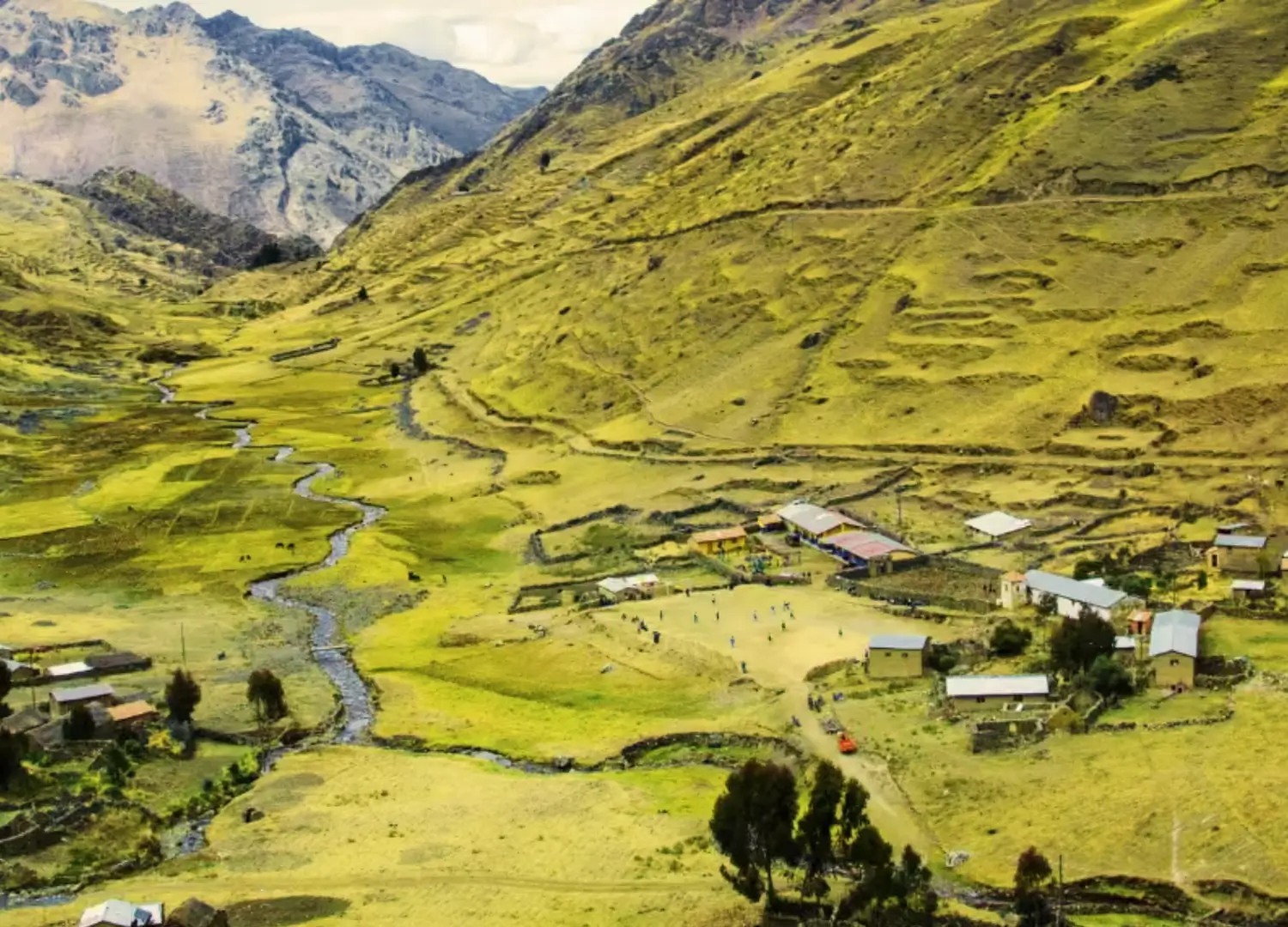
We will camp at the community center which offers bathrooms and a campsite. In Quishuarani you will be able to purchase alpaca textiles which are still handmade according to the original style and tradition of the Lares valley. In the afternoon we will provide a small snack and later our ample traditional dinner.Meals: B, L, D
Day 5: Quishuarani – Huacahuasi
We begin our hike gradually up towards the Andean community of Cuncani (3,808m /12,493ft). After lunch and rest, we will continue our hike up to the Huacahuasi (4,100m / 13,451ft), the place where we will make our camp and will be able to see amazing view of the mountains and waterfalls. Meals: B, L, D
Day 6: Huancahuasi – Patacancha – Ollantaytambo
We leave our campsite and head towards the highest point Ipsaycocha, which is characterized by the raising of camelids and agriculture. Continuing our trek downhill through this narrow valley of Patacancha. Here we will take our private transport which will take us to the town of Ollantaytambo, where you will have time to explore and see this amazing archaeological site, the last living Inca town before going to our hotel to spend the night.
Meals: B, L, D
Day 7: Short Inca Trail
We pick you up early in the morning from your hotel and drive to the train station to board the train that will take us to Km. 104 (the starting point of the hike).
After crossing the suspension bridge over the Urubamba River we visit the archaeological site of Chachabamba (2,150m / 7,052ft). From here, we will hike upwards for about 10 km 6.2 miles (approximately 4 hours) and get to the magnificent archaeological site of Wiñayhuayna (2,700m), an impressive complex made up of an agricultural center with numerous terraces, a religious sector, as well as an urban sector.
On the way we will appreciate the vegetation of the forest. After having our box lunch we will continue for about one hour farther into ‘lnti Punku’ (The Sun Gate) at 2,730m (8,792ft), from where we will have our first dramatic and impressive view of Machu Picchu (2,430m / 7,972ft). As we are going down, we will take a side path off the trail to take a bus that transports us to Aguas Calientes where you will check into your accommodation.
Meals: B, L, D
Day 8: Machupicchu
Today we will take the bus back to Machu Picchu. This is one for your bucket list. Uncover the mystical secrets of Machu Picchu during a guided private tour of this Incan citadel. You’ll have the opportunity to visit the most important parts of the ruins to wonder at how they were constructed. After the tour, you’ll have free time to further explore the ruins or just sit back and appreciate the majesty of Machu Picchu.
You can also hike to the top of Huayna Picchu for a bird’s eye view of the ruins and valley beneath you. The steep path takes about an hour and a half to ascend. (Please note that only 400 hikers are allowed to climb Huayna Picchu each day and that tickets will need to be purchased in advance along with your Machu Picchu entrance.)
After a day you’ll remember for the rest of your life, you’ll depart from Aguas Calientes by train for Ollantaytambo. Upon arrival at the train station you will be met and transferred to your Cuzco hotel. where we'll conclude our services.
Meals: B
Includes
- Briefing
- Private Transportation: Cuzco – Sacred Valley, Sacred Valley – Huaran, Patacancha – Ollantaytambo, train station – Cuzco.
- Professional Tour guide for the trek and Machu Picchu.
- All meals Days 2 through 8, boiled water for drinking during the trek.
- Chef and cooking equipment.
- Quality double tents and mats, tables and chairs.
- Horses to carry food, cooking and camping equipment and 8 kg of luggage per person.
- First Aid Kit.
- Train ticket from Ollantaytambo to the start of the short Inca Trail and back, transfer to Cuzco.
- One Night In Cusco
- One Night in Sacred Valley
- One night hotel in Aguas Calientes.
- 4 nights camping
- Entrance fee to Machu Picchu.
- All necessary adventure and trekking equipment will be provided so all you need bring is yourself.
What’s Not included
- International flights and domestic taxes.
- Accommodations, Only one night in aguas Calientes
- Travel Insurance (compulsory)
- Gratuities.
Packing List
Clothing
- Lightweight and moisture-wicking clothing for hiking
- Long-sleeve shirts and pants for sun and insect protection
- Warm layers for the cool evenings (fleece or down jacket)
- Waterproof jacket and pants (for rainy weather)
- Hat or cap for sun protection
- Warm hat, gloves, and scarf for cold nights at higher altitudes
- Comfortable hiking boots (broken-in and waterproof)
- Comfortable camp shoes (sandals or lightweight shoes)
- Wool or synthetic socks (bring several pairs)
Essential Gear
- Daypack (25-30L) for carrying your personal items
- Large duffel bag for porters to carry (preferably waterproof)
- Sleeping bag (fiber-filled, as provided)
- Sleeping pad (if not provided, confirm with the tour organizer)
- Headlamp or flashlight with extra batteries
- Waterproof bags to protect electronics and clothing
- Reusable water bottle (at least 2L capacity)
- Personal hygiene items (toothbrush, toothpaste, etc.)
- Sunscreen (high SPF) and lip balm with sun protection
- Insect repellent (DEET-based recommended)
Personal Items
- Passport and copies (for entry into Machu Picchu)
- Travel insurance documents
- Credit card or cash (for personal expenses)
- Camera or phone (with extra memory cards and batteries)
- Personal medication and a small first-aid kit (band-aids, antiseptic, etc.)
Optional Items
- Snacks (energy bars, trail mix)
- Lightweight trekking poles (optional but recommended for the Inca Trail)
- Binoculars for bird watching
- Notebook or journal
- Small lock for your duffel bag
Important Notes
- Make sure all your gear is lightweight and waterproof, as weather can change quickly.
- Ensure you have proper hiking boots that are well-broken-in before the trek to avoid blisters.
- Pack light, as porters will carry your equipment, but there are weight restrictions for what can be carried.
Location the 8 Day Lares Expedition
Travel Information
The Lares Expedition is a luxury trip that combines adventure, culture, and history in the Peruvian Andes. It includes visits to remote communities, a private tour of Cusco (a blend of Inca ruins and colonial architecture), and exploration of Machu Picchu with an expert guide. Travelers climb Huayna Picchu, enjoy Peruvian cuisine at exclusive restaurants, and stay in luxurious accommodations. The tour highlights the Inca legacy, from their agricultural terraces to their advanced engineering, offering an immersive experience in the heritage of South America’s most fascinating empire.
1. Lares (Cusco Region)
- Location: Remote valley in the Andes, northeast of Cusco.
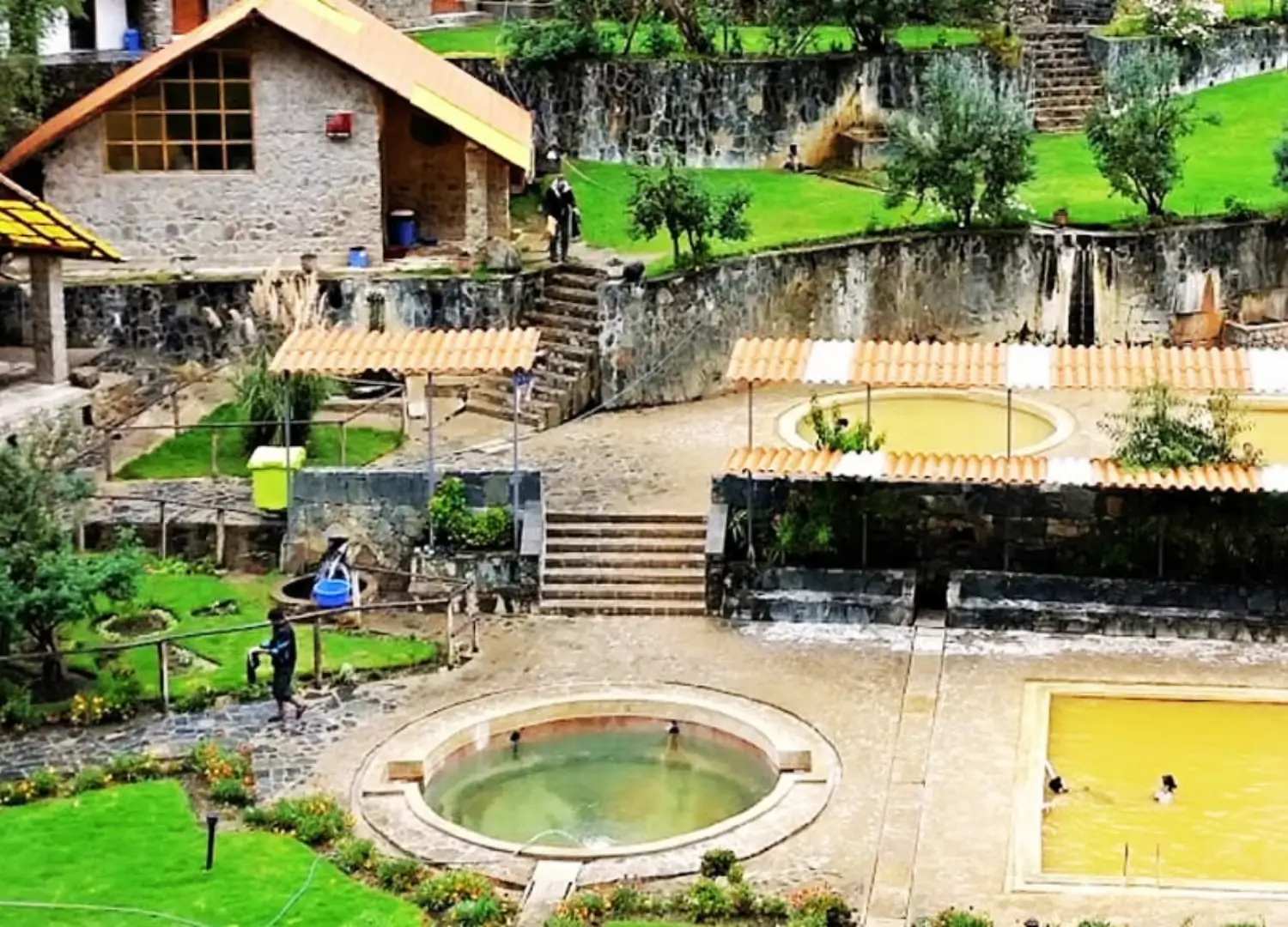
- Termas de Lares: Aguas termales naturales rodeadas de montañas.
- Comunidades Quechuas: Familias tejedoras que mantienen tradiciones ancestrales.
- Trekking: Ruta alternativa al Camino Inca, con paisajes de lagunas y glaciares.
2. Machu Picchu
Temple of the Sun: Sacred building aligned with the winter solstice.
Altitude: 2,430 meters above sea level.
Built in the 15th century under the Inca Pachacútec.
Huayna Picchu: 2-hour hike (panoramic views; limited seating).
What to Bring
Essential gear includes broken-in hiking boots, layered clothing for cold nights and warm days, a rain jacket, sun protection, and a headlamp for early mornings and evenings at camp. A warm sleeping bag is recommended for the high-altitude camping nights in the Lares Valley. Trekking poles help significantly with the steep ascents and descents, particularly on the Pachacutec Pass day. A smaller daypack is useful for carrying water, snacks, and personal items during the walking sections, while larger gear is typically transported by horses.
Included
Most packages include professional guiding, horse support for camping equipment during the Lares trek, all trekking meals, camping gear, entrance fees to archaeological sites, train tickets for the Short Inca Trail and return journey, and transportation throughout the itinerary. Accommodation in Cusco, the Sacred Valley, and Aguas Calientes is generally included, along with Machu Picchu entrance tickets.
Not Included
Typically excluded are international flights, travel insurance, tips for guides and horsemen, alcoholic beverages, the Huayna Picchu entrance ticket (which must be purchased separately and in advance), and personal expenses. Meals not specified in the daily itinerary are also generally excluded.
Physical Difficulty
This trek is rated moderate to challenging, with one particularly demanding day crossing the Pachacutec Pass at 4,750 meters. Most other trekking days involve steady, manageable hiking over varied terrain. Trekkers should have a reasonable level of fitness and be prepared for multiple consecutive days of walking at altitude, though prior extensive trekking experience is not strictly required.
Altitude Information
The trek reaches its highest point at Pachacutec Pass, 4,750 meters above sea level, with camping nights typically between 3,950 and 4,100 meters. Proper acclimatization in Cusco before beginning the trek is strongly recommended to reduce the risk of altitude discomfort. Staying hydrated and pacing oneself, particularly during the pass crossing, is important for a comfortable experience.
Weather
Weather in the Lares Valley is typical of high Andean terrain, with sunny days, cold nights, and the possibility of temperature swings throughout the trek. Conditions near Machu Picchu and Aguas Calientes tend to be warmer and more humid. The dry season offers more predictable weather, while the wet season increases the likelihood of rain and slippery trail conditions.
Transportation
Travelers are transported by private vehicle between Cusco, the Sacred Valley, and the Lares trailhead, with horses used to carry camping equipment during the trekking days. A train connects Ollantaytambo with Km 104 for the Short Inca Trail, and Aguas Calientes with Ollantaytambo for the return journey to Cusco.
Food
Meals are prepared by an experienced trekking team and generally combine traditional Peruvian dishes with hearty, energy-sustaining options suited to high-altitude activity. Box lunches are provided on trekking days when needed, while dinners at camp are typically warm, multi-course meals designed to help trekkers recover after a demanding day on the trail.
Accommodation
Accommodation combines comfortable hotels in Cusco, the Sacred Valley, and Aguas Calientes with camping during the Lares trekking days. Campsites are located in scenic, remote settings near Andean communities, with tents and camping equipment transported by horses and set up by the support crew ahead of each overnight stop.
Best Time to Visit
The dry season, from May to September, provides the most reliable trekking conditions, with clear skies and minimal rainfall, making it the preferred time for this trek. The shoulder months of April and October are also viable, though occasional rain is possible. The wet season, from December to March, brings a higher chance of rain and muddy trail conditions, particularly at higher elevations.
Travel Tips
Arrive in Cusco at least two days before the trek begins to allow for altitude acclimatization. Pack warm layers for the camping nights, as temperatures can drop significantly after dark at high elevation. If interested in hiking Huayna Picchu, purchase entrance tickets well in advance, as daily access is strictly limited and often sells out weeks ahead.
Important Notes
This trek passes through remote areas with limited access to medical facilities, so travel insurance covering high-altitude trekking is strongly recommended. Travelers with pre-existing health conditions should consult a physician before booking. Trail conditions, camping locations, and daily schedules may be adjusted based on weather or logistical factors at the discretion of the guiding team.
Frecuendly asked questions
The Lares Trek is generally rated moderate to challenging, with one especially demanding day crossing Pachacutec Pass at 4,750 meters. Most other trekking days involve steady, manageable hiking over varied terrain, including valleys, high plains, and forested sections. While prior trekking experience is helpful, it is not strictly necessary for reasonably fit travelers. Proper acclimatization in Cusco beforehand significantly improves the overall experience, particularly given the altitude reached during the pass crossing and the multiple consecutive days of physical activity involved.
The complete Lares Trek to Machu Picchu itinerary typically spans 8 days, including cultural touring in Cusco and the Sacred Valley, four days of trekking through the Lares Valley and Short Inca Trail, and a final day exploring Machu Picchu itself. This structure allows travelers to acclimatize gradually while still completing the trek and reaching Machu Picchu within a relatively compact timeframe compared to longer alternative routes in the region.
The Lares Trek emphasizes cultural immersion, passing through traditional Andean weaving communities and remote high-altitude terrain, while the classic Inca Trail follows an original Inca stone pathway lined with archaeological sites. The Lares route generally has more flexible booking availability since it does not require the same limited daily permits as the Inca Trail. Many itineraries combine the Lares Trek with the Short Inca Trail, offering a blend of cultural depth and the iconic Inca ruins experience.
The Lares Trek itself does not require the limited-capacity permit system used for the classic Inca Trail, making it more flexible for travelers to book closer to their travel dates. However, since most itineraries include the Short Inca Trail segment to reach Machu Picchu, a permit for this section and an entrance ticket to Machu Picchu are still required and should be arranged well in advance due to daily visitor limits.
The dry season, running from May to September, is considered the best time for the Lares Trek, offering clearer skies, more stable temperatures, and drier trail conditions. April and October serve as reasonable shoulder-season options, though occasional rain is possible. The wet season, from December through March, increases the likelihood of rain and muddier trails, particularly at higher elevations, which can make trekking more physically demanding.
Reasonably fit beginners with some hiking experience can generally complete the Lares Trek, as it is considered less physically extreme than some other multi-day routes in the region. The most challenging section involves crossing Pachacutec Pass at high altitude, which requires steady pacing and proper acclimatization. Travelers with limited trekking background are encouraged to prepare with cardiovascular training and shorter practice hikes before attempting the full itinerary.
The Lares Valley is home to free-ranging llamas, alpacas, and sheep herded by local communities, along with native wildlife such as the Andean fox, Andean goose, and various falcon species. With good fortune, trekkers may also spot the gray Andean deer in more remote sections of the trail. The area’s varied ecosystems, from high alpine terrain to Polylepis woodland, support a range of bird species as well.
Most Lares Trek packages include professional guiding, horse support for transporting camping equipment, all trekking meals, camping gear, entrance fees to archaeological sites along the route, train tickets for the Short Inca Trail segment and return journey, and accommodation in Cusco, the Sacred Valley, and Aguas Calientes. Machu Picchu entrance tickets are also typically included, though optional add-ons like the Huayna Picchu hike usually require separate advance booking.
For travelers seeking more than a single-day visit to Machu Picchu, the Lares Trek offers substantial added value through its cultural immersion in remote Andean communities, dramatic mountain scenery, and a physically rewarding journey leading up to the final destination. Rather than arriving by train alone, trekkers earn their first view of Machu Picchu from the historic Sun Gate, creating a far more memorable and meaningful arrival experience.
The Lares Trek reaches its highest point at Pachacutec Pass, standing at 4,750 meters above sea level, with several camping nights located between 3,950 and 4,100 meters. This significant elevation exposes trekkers to thinner air and colder temperatures, particularly at night. Proper acclimatization in Cusco before starting the trek, along with steady pacing and adequate hydration throughout, is essential for managing the effects of high altitude safely.