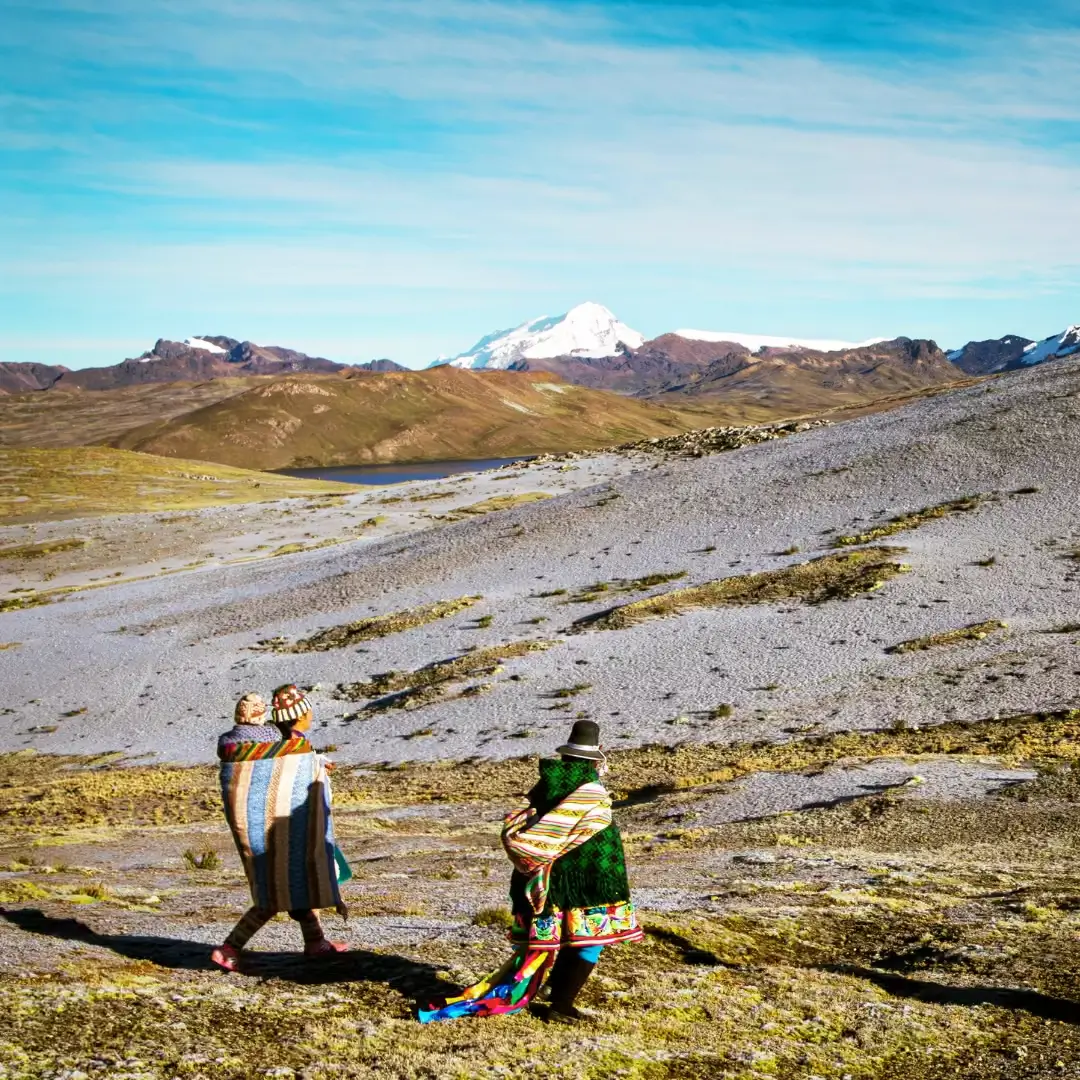
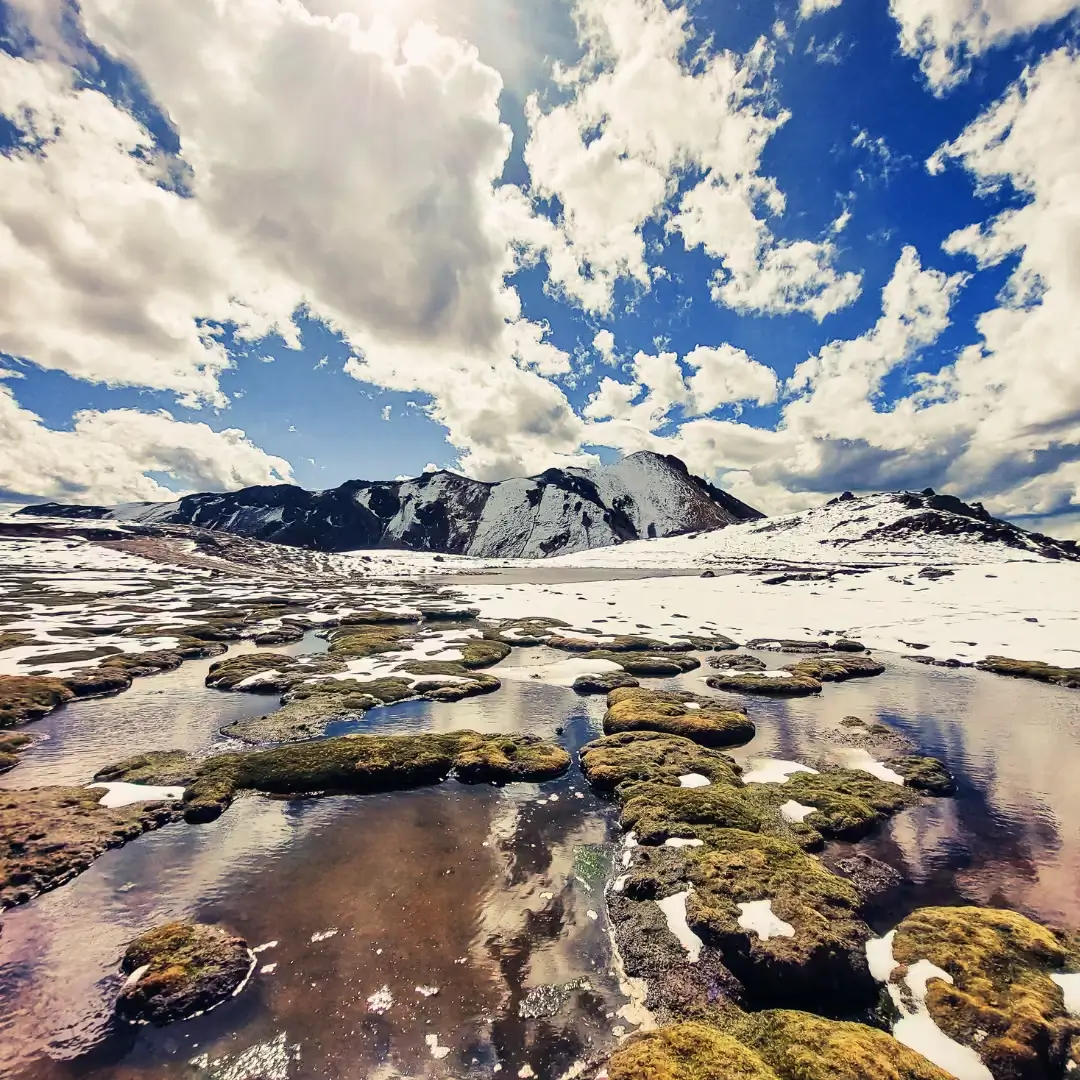
Venture beyond the well-trodden trekking routes of Cusco into Carabaya, a remote and rarely visited province nicknamed “The Peruvian Switzerland” for its towering 6,000-meter peaks, turquoise glacial lagoons, and untouched Andean wilderness. Offered by only a handful of operators, this 9-day expedition crosses multiple mountain passes above 5,000 meters, taking you through landscapes where condors soar, vicuñas roam free, and Quechua-speaking communities remain largely untouched by modern tourism.
This is a serious high-altitude challenge best suited to experienced trekkers who are properly acclimatized, offering a genuine mountaineering-style adventure rather than a conventional guided hike. Starting in Puno or Cusco and finishing near the sacred peak of Ausangate — with a well-earned soak in the Pacchanta hot springs — this trek rewards endurance with some of the most dramatic and least-photographed scenery in the Peruvian Andes.
Overview
The Carabaya Trek is not a beginner's introduction to the Andes — it's a genuine high-altitude expedition through one of Peru's most remote and geologically dramatic regions. Understanding the physical demands, climate extremes, and route structure in advance is essential for anyone considering this journey, and it's exactly the kind of detail serious trekkers search for before booking.
Where Is Carabaya, and Why Is It So Remote?
Located in the department of Puno, bordering Cusco and Madre de Dios, Carabaya is one of the least-developed trekking regions in Peru. Its capital, Macusani, is known as the "Land of the Alpaca," and the province is home to some of the highest unclimbed peaks in the country. Unlike the Salkantay or Inca Trail routes, Carabaya sees only a small number of trekkers each year — a key reason it appeals to travelers seeking true wilderness rather than a crowded trail.
Altitude Profile: Day by Day
This is one of the highest-altitude multi-day treks offered in Peru, with several days spent entirely above 4,500 meters:
| Day | Route | Min. Altitude | Max. Altitude | Camp Altitude |
|---|---|---|---|---|
| 1 | Puno – Veloyuc | 3,800m / 12,467ft | 5,000m / 16,404ft | 4,536m / 14,882ft |
| 2 | Veloyuc – Hidroelectrica | 4,536m / 14,882ft | 4,700m / 15,420ft | 4,655m / 15,272ft |
| 3 | Hidroelectrica – Chimboya | 4,655m / 15,272ft | 5,122m / 16,800ft | 5,121m / 16,800ft |
| 4 | Chimboya – Hacienda Mates | 4,773m / 15,660ft | 5,122m / 16,800ft | 4,773m / 15,660ft |
| 5 | Hacienda Mates – Cascara | 4,773m / 15,660ft | 5,000m / 16,400ft | 4,900m / 16,076ft |
| 6 | Cascara – Sibinacocha | 4,900m / 16,076ft | 5,100m / 16,732ft | — |
| 7 | Sibinacocha – Killita | 4,735m / 15,540ft | 5,235m / 17,175ft | 4,735m / 15,540ft |
| 8 | Killita – Ninapara | 4,656m / 15,275ft | 5,080m / 16,666ft | 4,656m / 15,275ft |
| 9 | Ninapara – Cusco | 4,336m / 14,225ft | 4,656m / 15,275ft | — |
This means trekkers spend virtually the entire expedition above 4,500 meters, with camp altitudes rarely dropping below 4,700m — a demanding profile that requires prior acclimatization of at least 2-3 days in Cusco or Puno before starting.
Climate: What to Expect at 5,000 Meters
| Factor | Condition |
|---|---|
| Night temperature (dry season) | -5°C to 5°C (23°F to 41°F), occasionally down to -10°C |
| Best months | May to September (dry season) |
| Months to avoid | November to March (rainy season — muddy trails, snowfall risk, reduced visibility) |
| Daytime conditions | Strong UV exposure, clear skies in dry season, rapid weather shifts possible |
| Wind exposure | High on passes above 5,000m |
Because the temperature swing between day and night is extreme at this altitude, layering is not optional — trekkers typically go from short sleeves at midday to full winter gear within hours of sunset.
Comparativa: Carabaya Trek vs. Classic High-Altitude Treks in Peru
| Feature | Carabaya Trek (9 Days) | Ausangate Trek (Standard) | Salkantay Trek |
|---|---|---|---|
| Max. Altitude | 5,235m / 17,175ft | 5,000m / 16,400ft | 4,650m / 15,255ft |
| Crowd Level | Very low — only a few operators offer it | Moderate | High |
| Technical Difficulty | Very high | High | Moderate |
| Optional Peak Scramble | Yes (Cerro Yayamari, 5,500m) | No | No |
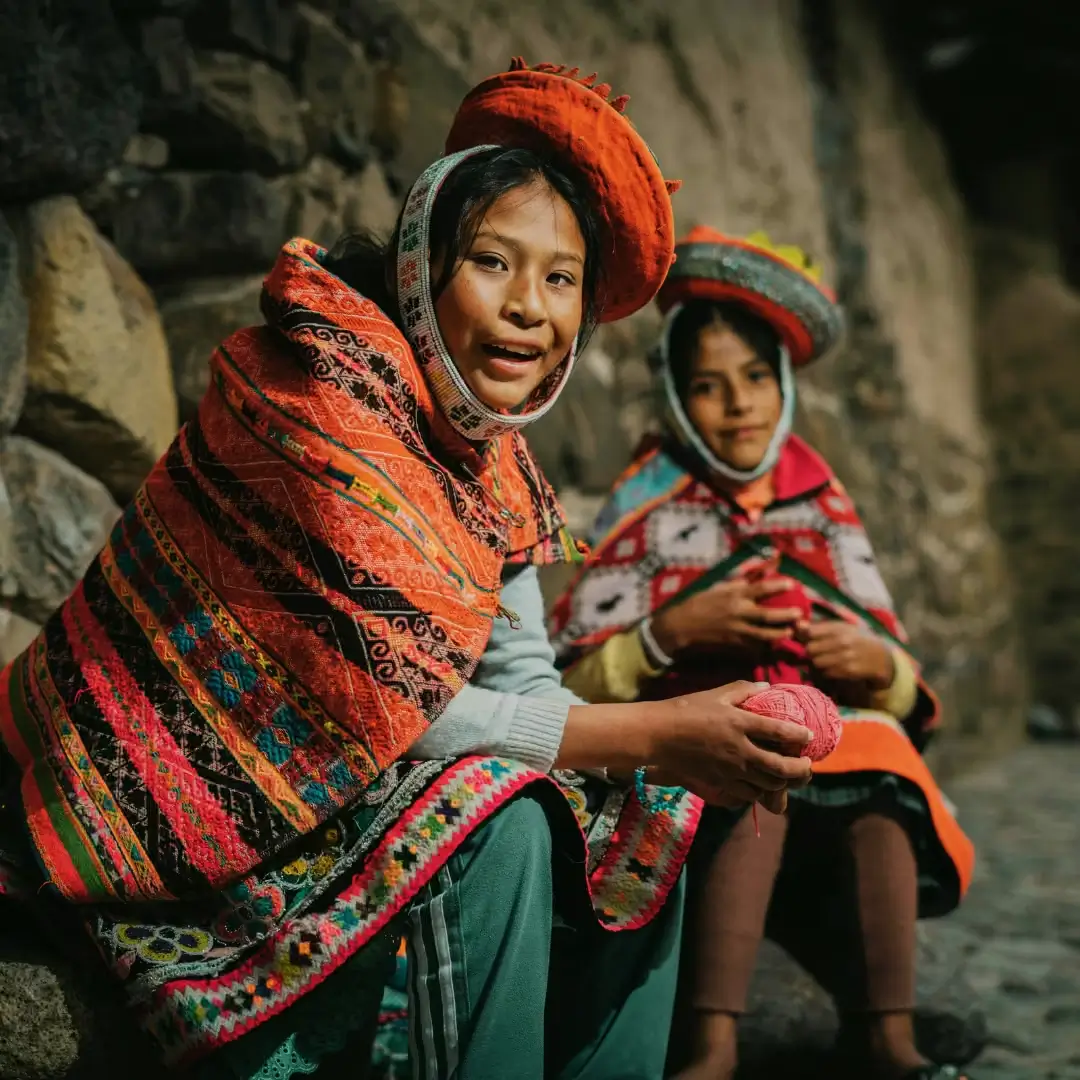
| Cultural Contact | Isolated Quechua communities | Some community contact | Frequent, more touristic |
| Ideal For | Experienced, well-acclimatized trekkers | Fit intermediate-advanced trekkers | Intermediate trekkers |
This comparison highlights why Carabaya is positioned as an expedition-grade trek rather than a standard multi-day hike — the altitude, isolation, and optional peak-scrambling extension distinguish it clearly from more mainstream routes like Salkantay or the standard Ausangate circuit.
Itinerary
Day 1: Puno to Veloyuc
We leave Puno early for the four hour drive to our hike starting point. There’s plenty to see as we pass rock gardens, giant bromeliads and locals tending their crops and animals.
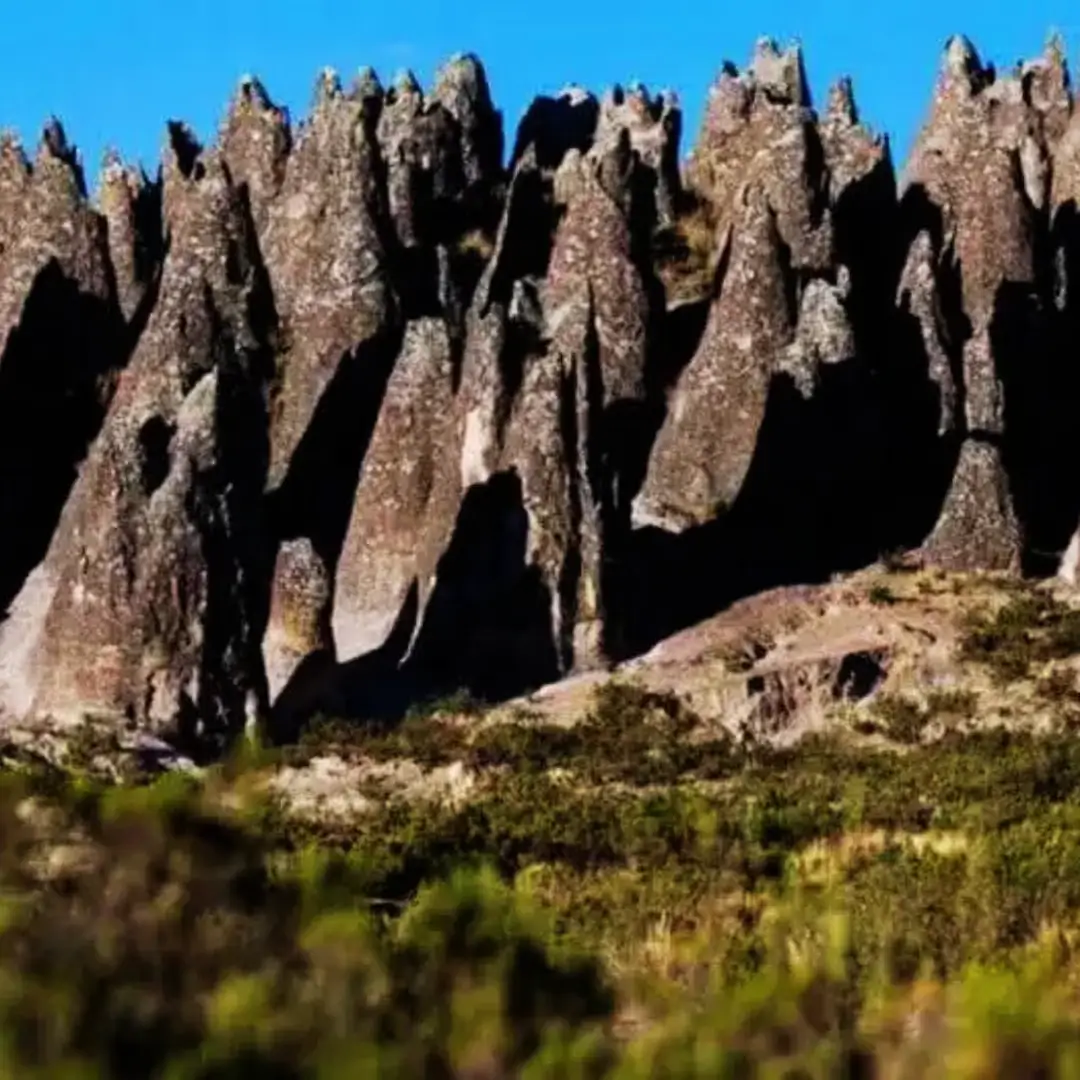
We’ll look down into the stupendous river canyon of the Rio Corani before turning off onto a back road with incredible views of the glacial valley that takes us to Aimaña. Here we’ll stop to check out the amazing rock formations before driving another 10 minutes to our first campsite, Veloyuc. Here, with luck, we’ll see vizcachas (native rabbit-like animals) and views of the snow capped Quelqaya peak.
- Approx. night temperature: Between -5 and 5 degrees Celsius (23-41°F).
- Walking time: 5-6 hours.
- Minimum altitude – 3,800m / 12,467ft.
- Maximum altitude – 5000m / 16,404ft.
- Altitude of camp – 4536m / 14,882ft.
Day 2: Veloyuc to Hidroelectrica
After an early start we’ll head out east, spending five or six hours gently ascending 600 meters (1,970ft), through open valleys, past immense rivers and more bosques de piedra (rock forests) to the small valley where we have a scenic campsite near some hydroelectric infrastructures.
- Approx. night temperature: Between -5 and 5 degrees Celsius (23-41°F).
- Walking time: 5-6 hours.
- Minimum altitude – 4,536m / 14882ft.
- Maximum altitude – 4,700m / 15,420ft.
- Altitude of camp – 4,655m /15,272ft.
Day 3: Hidroelectrica to Chimboya
Today we climb to and camp at our first high pass, Chimboya (5,122m / 16,800ft). It takes about six hours to complete the ascent. In the pass we’ll enjoy well-deserved views of the Vilcanota range against the endless backdrop of the main Cordillera of the Andes, accompanied by curious llamas, alpacas and vicuñas.
- Approx. night temperature: Between -5 and 5 degrees Celsius (23-41°F).
- Walking time: 5-6 hours.
- Minimum altitude – 4,655m / 15,272ft.
- Maximum altitude – 5,122m / 16,800ft.
- Altitude of camp – 5,121m / 16,800ft.
Day 4: Chimboya to Hacienda Mates
We continue to enjoy spectacular views of the glacier-topped Vilcanota range as we make our way through a varied landscape of swamp and open pampas (flat grasslands) to Hacienda Mates, our campsite for the night, in a sheltered valley surrounded by steep slopes.
- Approx. night temperature: Between -5 and 5 degrees Celsius (23-41°F).
- Walking time: 5-6 hours.
- Minimum altitude – 4,773m / 15,660ft.
- Maximum altitude – 5,122m / 16,800ft.
- Altitude of camp – 4,773m / 15,660ft.
Day 5: Hacienda Mates to Cascara
Today a rewarding seven hour walk first brings us up to an altitude of more than 5,000m (16,400ft). From here we’ll have equally breathtaking views of the Nudo del Vilcanota (knot of the Vilcanota) and our first glimpses of the mysterious lakes, Sibinacocha and Cascara. We’ll see pink flamingos and vicuñas as we cross the Pucamayu river and make our way to our campsite at Cascara. Here we can fish in the lake and observe migrating ducks and other wetlands birds.
- Approx. night temperature: Between -5 and 5 degrees Celsius (23-41°F).
- Walking time: 6-7 hours.
- Minimum altitude – 4,773m / 15,660ft.
- Maximum altitude – 5,000m / 16,400ft.
- Altitude of camp – 4,900m / 16,076ft.
Day 6: Cascara to Sibinacocha
Another big pass awaits us, Yayamari (5,100m / 16,730ft). From here we’ll experience the most stunning views yet with lakes, nearby towering rock outcrops, many massive peaks, and Sibinacocha Lake, to which we will descend to camp.
*Optional extra: If you wish to extend your trek by one day you can do a “scramble” (i.e. non technical climb on loose volcanic rock) up Cerro Yayamari (5,500m / 18,040ft.), a snow-covered peak in the center of this breathtaking panorama of lakes and glaciated summits. This should be booked when you are booking your trek, and is for fit people looking for a challenge. From our campsite at Yayamari, it’s about 4 km to the base of the mountain where we start the scramble. The scramble is tough and physically challenging and takes about 4 hours to go up and 3 to go down. Added to the time it takes to hike to and from the campsite at Yayamari community, this is a 10 hour, challenging day./p>
- Approx. night temperature: Between -5 and 5 degrees Celsius (23-41°F).
- Walking time: about 7 hours.
- Minimum altitude – 4,900m / 16,076ft.
- Maximum altitude – 5,100m / 16,732ft.
Day 7: Sibinacocha to Killita
After a morning walking through the gentle pampas of Sibinacocha, we’ll ascend about an hour to the important Condor pass at a massive 5235m (17,175ft). From here we’ll see magnificent views which include the even higher, ice-covered Acero Pass (5,500m / 18,050ft), before descending for half an hour and walking another hour or so of ‘Andean flat’ to our campsite at Killita.
- Approx. night temperature: Between -5 and 5 degrees Celsius (23-41°F).
- Walking time: about 7 hours.
- Minimum altitude – 4,735m / 15,540ft.
- Maximum altitude – 5235m / 17,175ft.
- Altitude of camp – 4,735m / 15,540ft.
Day 8: Killita to Ninapara
This morning we’ll walk around two hours to Paso Falso (False Pass) from where we’ll take in the magnificence of the towering Ausangate, the highest peak in the Cuzco department and its most important Apu (God). Then it’s an afternoon of ups and downs. First we’ll descend to the community of Ccampa, then climb back up to Ccampa Pass (5,080m / 16,666ft), then descend again to Ninapara where we’ll camp.
- Approx. night temperature: Between -5 and 5 degrees Celsius (23-41°F).
- Walking time: 6-7 hours.
- Minimum altitude – 4,656m / 15,275ft.
- Maximum altitude – 5,080m / 16,666ft.
- Altitude of camp – 4,656m / 15,275ft.
Day 9: Ninapara to Cusco
We start our last day with an up and a down on our final walk past the awesome Ausangate, and three hours down to Pacchanta where we’ll enjoy lunch and a soak in the local natural hot springs! After lunch we’ll drive for about four hours back to Cuzco.
- Walking time: about 4 hours.
- Minimum altitude – 4,336m / 14,225ft.
- Maximum altitude – 4,656 m / 15,275ft.
Includes
- Pre-trek briefing.
- Collection from your hotel on the morning of trek departure.
- Transport from Puno (or Cuzco) to the trailhead at the beginning of the trek in private vehicle.
- English/Quechua/Spanish speaking professional guide (you will have an assistant guide for groups over 6 people).
- Tents – 2 people in a 4 person tent which allows for greater comfort, and also storage of backpacks.
- Basic foam mattress. If you require greater comfort during the trek we can rent you an inflatable mattress (e.g. Thermarest).
- Cook and Cooking equipment (Assistants are provided for larger groups)
- Toilet tent.
- Meals as indicated in the itinerary (optional vegetarian food). Our professional cooks prepare meals that incorporate elements of the western diet and also traditional diet.
- Peruvian delicacies. (Please communicate with your guide/cook during the trek if you have a preference for certain types of dishes). Salads, if served, are washed in boiled water.
- Horses (for equipment and personal items) including horsemen. They carry camping equipment, food and kitchen utensils. We provide duffel bags at your briefing for your personal items (up to 7 kg/15 lbs. per person).
- 1 emergency horse which can be ridden if you are feeling ill or if you are a little slower. Let us know if you would like to hire a personal riding horse.
- Dining tent with camp tables and chairs and kitchen tent for the cook to prepare meals.
- Tents for our staff.
- First aid kit including emergency oxygen bottle.
What’s Not included
- Sleeping bags. If you haven’t got a sleeping bag or you don’t want the hassle of bringing one all the way to Peru with you, then we have sleeping bags for hire.
- If you want to take more substantial items or backpacks, you will need to hire an additional mule. Also you an hire a personal riding horse.
- Gratuities for the staff.
Packing List
Clothing
- Lightweight and moisture-wicking clothing for hiking
- Long-sleeve shirts and pants for sun and insect protection
- Warm layers for the cool evenings (fleece or down jacket)
- Waterproof jacket and pants (for rainy weather)
- Hat or cap for sun protection
- Warm hat, gloves, and scarf for cold nights at higher altitudes
- Comfortable hiking boots (broken-in and waterproof)
- Comfortable camp shoes (sandals or lightweight shoes)
- Wool or synthetic socks (bring several pairs)
Essential Gear
- Daypack (25-30L) for carrying your personal items
- Large duffel bag for porters to carry (preferably waterproof)
- Sleeping bag (fiber-filled, as provided)
- Sleeping pad (if not provided, confirm with the tour organizer)
- Headlamp or flashlight with extra batteries
- Waterproof bags to protect electronics and clothing
- Reusable water bottle (at least 2L capacity)
- Personal hygiene items (toothbrush, toothpaste, etc.)
- Sunscreen (high SPF) and lip balm with sun protection
- Insect repellent (DEET-based recommended)
Personal Items
- Passport and copies (for entry into Machu Picchu)
- Travel insurance documents
- Credit card or cash (for personal expenses)
- Camera or phone (with extra memory cards and batteries)
- Personal medication and a small first-aid kit (band-aids, antiseptic, etc.)
Optional Items
- Snacks (energy bars, trail mix)
- Lightweight trekking poles (optional but recommended for the Inca Trail)
- Binoculars for bird watching
- Notebook or journal
- Small lock for your duffel bag
Important Notes
- Make sure all your gear is lightweight and waterproof, as weather can change quickly.
- Ensure you have proper hiking boots that are well-broken-in before the trek to avoid blisters.
- Pack light, as porters will carry your equipment, but there are weight restrictions for what can be carried.
Location the 9 Day Carabaya Trek
Travel Information
Located southeast of Puno, bordering Cusco and Madre de Dios, Carabaya is one of Peru’s most remote and fascinating provinces. Known as “The Peruvian Switzerland” for its towering snow-capped peaks, glacial lagoons, and otherworldly landscapes, this region is a paradise for explorers, geologists, and lovers of authentic Andean culture. For travelers seeking authenticity and extreme adventure, Carabaya offers:
- High Altitude Trekking (5,000 + meters above sea level) Carabaya-Apolobamba Trek: A 4 – to 9-day trek crossing from Peru, passing through snow-capped mountains, isolated communities, and sacred lakes.
- Ascents to Virgin Peaks: Many mountains here have never been climbed, a challenge for expert mountaineers.
Location and Access to Carabaya
Carabaya is a remote province in the Puno region, bordering Cusco and Madre de Dios, accessible via a roughly 4-hour drive from either Puno or Cusco to the trailhead, making both cities viable starting points depending on your travel itinerary.
Required Acclimatization Before Starting
Given that the trek spends almost its entirety above 4,500m, a minimum of 2-3 days acclimatizing in Cusco or Puno beforehand is strongly recommended, ideally with a shorter warm-up trek or day hike at altitude first.
Best Season to Trek
The dry season (May–September) offers clear skies, ideal for photography of the glacial peaks, though night temperatures can drop below -10°C. The rainy season (November–March) should be avoided due to muddy trails, snowfall risk, and significantly reduced visibility on the high passes.
Physical Fitness and Prior Experience
This trek is recommended only for travelers in good physical condition with prior high-altitude experience, such as previous treks on Salkantay, Ausangate, or similar routes, given the technical terrain and unpredictable mountain weather.
Optional Peak Scramble Extension
Fit trekkers can add a one-day extension to scramble Cerro Yayamari (5,500m / 18,040ft), a challenging non-technical climb on loose volcanic rock that must be booked in advance and adds roughly 10 hours of demanding effort to the itinerary.
Camping Logistics and Support Team
The trek is fully supported with horses carrying camping equipment and personal duffel bags (up to 7kg per person), a dedicated cook and kitchen tent, dining tent, and an emergency horse available for trekkers who feel unwell along the route.
Emergency Preparedness
A first aid kit including emergency oxygen is carried throughout the trek, an important safety consideration given the extreme and sustained altitude exposure across nearly the entire nine days.
What's Not Included
Sleeping bags are not included by default but are available for hire, and gratuities for guides, cooks, and horsemen are excluded from the tour price and left to travelers' discretion.
Post-Trek Recovery at Pacchanta Hot Springs
The trek concludes with a well-timed soak in the natural hot springs at Pacchanta, near Ausangate, offering a welcome recovery stop before the drive back to Cusco.
Shorter Alternatives in the Region
For travelers unable to commit to the full 9-day expedition, shorter options in the Carabaya region include a day trek to Laguna Rinconada from Macusani or a moderate 3-4 hour hike through Tinajani Canyon.
Frecuendly asked questions
Carabaya is a remote province in the Puno region bordering Cusco and Madre de Dios, earning its nickname from its dramatic snow-capped peaks, glacial lagoons, and alpine scenery that closely resemble the Swiss Alps, despite being one of the least-visited trekking regions in the country.
Yes, this is strongly recommended. With altitudes consistently above 4,500m and several passes exceeding 5,000m, previous experience on treks like Salkantay, Ausangate, or the Huayhuash circuit — combined with 2-3 days of acclimatization in Cusco or Puno — is essential for a safe and enjoyable experience.
The dry season, from May to September, is ideal, offering clear skies and stable conditions for photography, though night temperatures can fall as low as -10°C. The rainy season (November–March) should be avoided due to muddy, potentially hazardous trail conditions.
The highest point reached is Condor Pass at 5,235m (17,175ft), making this one of the highest-altitude multi-day treks offered in Peru, notably higher than the standard Salkantay Trek (4,650m) and comparable to or exceeding the classic Ausangate circuit.
No, this optional one-day extension to 5,500m is a physically demanding, non-technical scramble on loose volcanic rock recommended only for fit, experienced trekkers seeking an additional mountaineering-style challenge, and it must be booked in advance.
Yes, the trek is fully supported with horses carrying camping gear and personal items, a dedicated cook preparing meals daily, a dining and kitchen tent, and an emergency horse available for trekkers who need it, along with a first aid kit including emergency oxygen.
Yes, travelers with less time can explore Carabaya through shorter options such as a day trek to Laguna Rinconada near Macusani or a moderate 3-4 hour hike through Tinajani Canyon, both offering a taste of the region’s scenery without the full high-altitude commitment.
Given night temperatures between -5°C and 5°C (occasionally lower) and strong daytime sun exposure, layering is essential: moisture-wicking base layers, warm insulated layers for camp, a waterproof outer shell, and cold-weather accessories like gloves, a warm hat, and a scarf for the coldest nights above 4,700m.
No, the Carabaya Trek concludes near Ausangate, Cusco’s most sacred mountain (Apu), with a relaxing stop at the Pacchanta hot springs before returning to Cusco by vehicle — this is a standalone wilderness expedition rather than a route toward Machu Picchu.
Very isolated. Only a handful of specialized operators offer this route, and the trail passes through remote Quechua-speaking communities largely untouched by mainstream tourism, offering a genuine off-the-beaten-path experience distinct from more heavily trafficked routes in the Cusco region.