

Two weeks in Peru gets you Cusco, the Sacred Valley, and Machu Picchu at a pace that allows for altitude acclimatization, plus a real choice about what to add around them. The southern route keeps you in the highlands the whole time. The extended route adds the coast and the Nazca Lines. The mystic route follows the same core sites but restructures the days around ceremony and rest. Which one fits depends on how much flying you want to do and how many stops matter to you versus how much time you want at each one. For the full breakdown of what a Peru trip can include at any length, see our full guide to Peru tour packages.
We run all three of these structures out of Cusco, so this is a comparison based on tours we actually operate, not a theoretical itinerary.
What two weeks actually buys you in Peru
Fourteen days is enough to see Machu Picchu without rushing it, add a proper acclimatization buffer, and still have room for one more region. It is not enough to combine the Andes, the Amazon, and the coast without long travel days eating into your time at each place.
In practice, two weeks buys you one of three structures:
- Southern route: Cusco, Sacred Valley, Machu Picchu, with time built in for Rainbow Mountain or Humantay Lake as side trips.
- Extended route: the same southern core plus Lima, Pisco, Huacachina, and Nazca on the coast.
- Mystic route: the coast and the southern core again, but sequenced around acclimatization days, a paqo-led ceremony, and a second free morning at Machu Picchu.
If you are still deciding whether two weeks is the right length for you at all, how many days you need in Peru walks through the shorter and longer alternatives.
The classic southern route, day by day
This is the highland-only version. You fly into Cusco, acclimatize, and spend the whole two weeks within a few hours of the city.
A typical build looks like this:
- Days 1 to 2: Arrive in Cusco (3,399 m / 11,152 ft), rest, short walks around the historic center to adjust to altitude.
- Days 3 to 4: Sacred Valley (around 2,800 m), Ollantaytambo, local markets.
- Day 5: Ollantaytambo to Aguas Calientes by train (1 hour 40 minutes on the Expedition service), Machu Picchu (2,430 m / 7,972 ft) with a guided visit of about 2.5 hours.
- Day 6: Return to Cusco, free afternoon.
- Day 7: Humantay Lake day trip.
- Days 8 to 9: Rainbow Mountain (Vinicunca, 5,036 m) and a rest day, since this is the highest point on the route by a wide margin.
- Days 10 to 13: A second highlands region or a slower pace through the Sacred Valley, depending on what you want to prioritize.
- Day 14: Fly out of Cusco or connect onward.
This structure is built around our multi-day Cusco and Machu Picchu packages, from the 4-day version up to the 8-day Cusco and Machu Picchu package, with the Humantay Lake and Pachamanca add-ons filling the remaining days. Because everything happens above 2,400 meters, the trade-off is altitude, not logistics: you never touch sea level, so the itinerary needs the rest days it has.
If you are trying to decide between staying in the Cusco region the whole time or adding Puno and Lima, Cusco only or Cusco plus Puno and Lima compares both directly, including what the extra travel days cost you in time.
The extended route: adding the coast and Nazca
The extended route keeps the same Cusco, Sacred Valley, and Machu Picchu days, but opens and closes in Lima instead of flying straight into Cusco, and routes through the coast on the way.
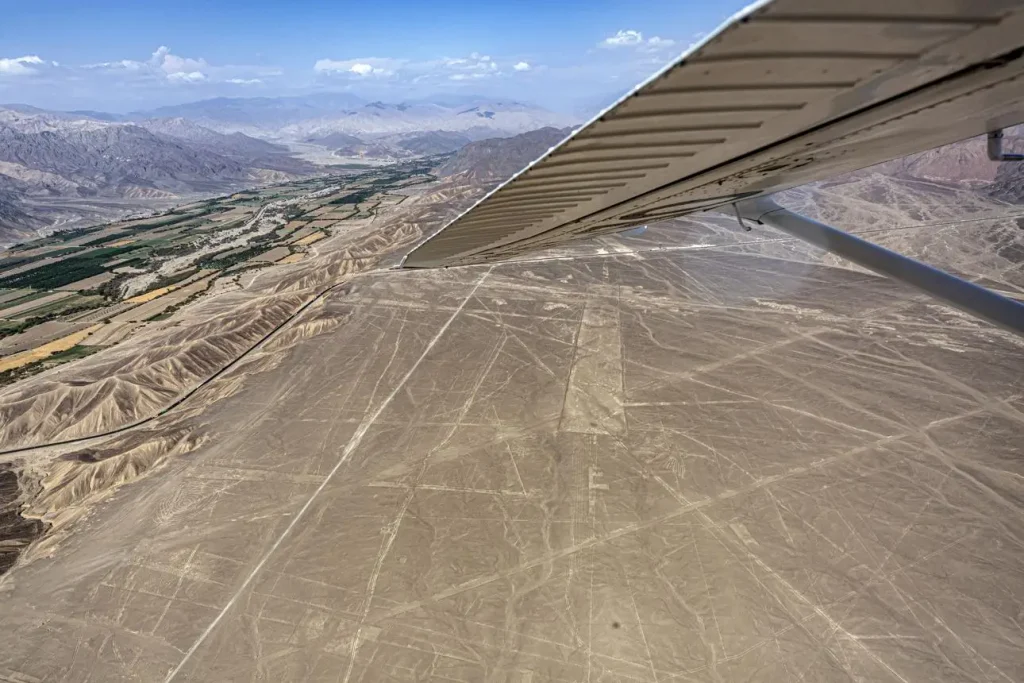
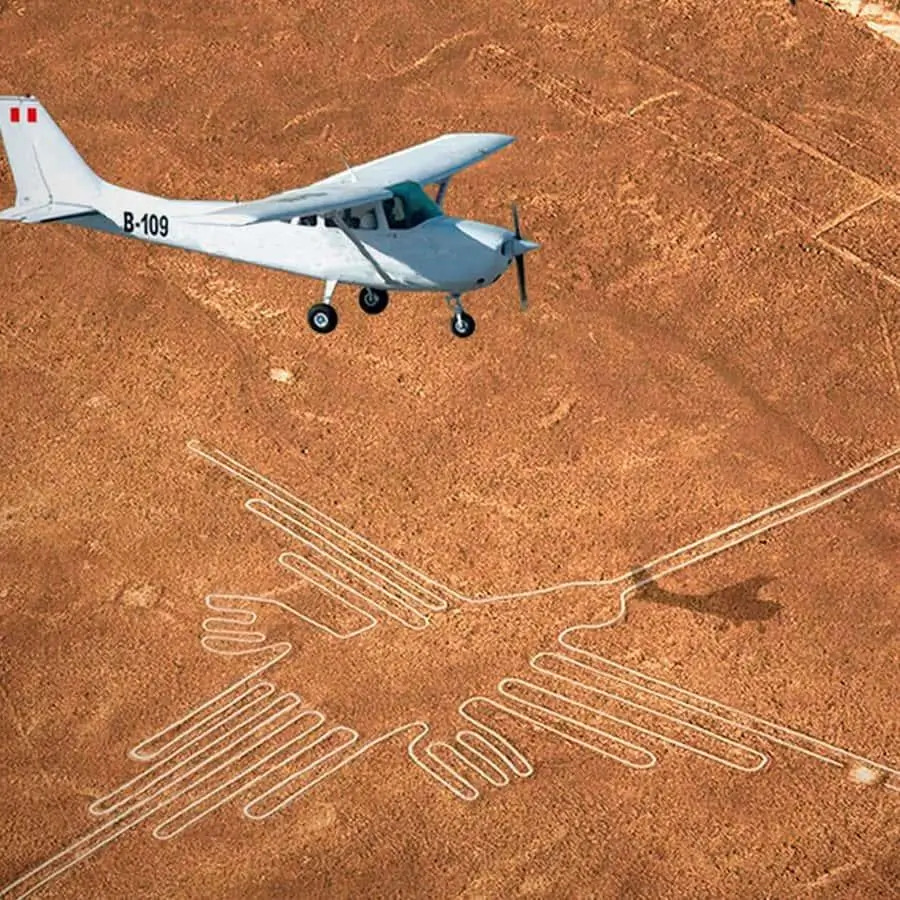
The coastal add-on typically covers Pisco, Huacachina, and Nazca, with the option to take a 30 to 35 minute overflight above the Nazca Lines. This adds one to two travel days compared to the southern route, since you are covering desert terrain by road between Lima and the highlands rather than flying directly.
The advantage is sequencing: starting at sea level in Lima and working up to Cusco at 3,399 meters gives your body more time to adjust before you reach altitude, compared to landing in Cusco on day one. The disadvantage is that those extra coastal days come out of your highland time. If Machu Picchu and the Sacred Valley are the priority and the coast is a bonus, the southern route uses your two weeks more efficiently. If seeing the Nazca Lines from the air is a fixed item on your list, the extended route is the only way to fit it into 14 days without extending the trip.
The mystic route: same places, different pace
The mystic route is not a variation we improvised for this comparison. It is the actual day-by-day structure of our 14-Day Peru Mystic Tour, and it is worth understanding as its own approach rather than as “the extended route with extras.”
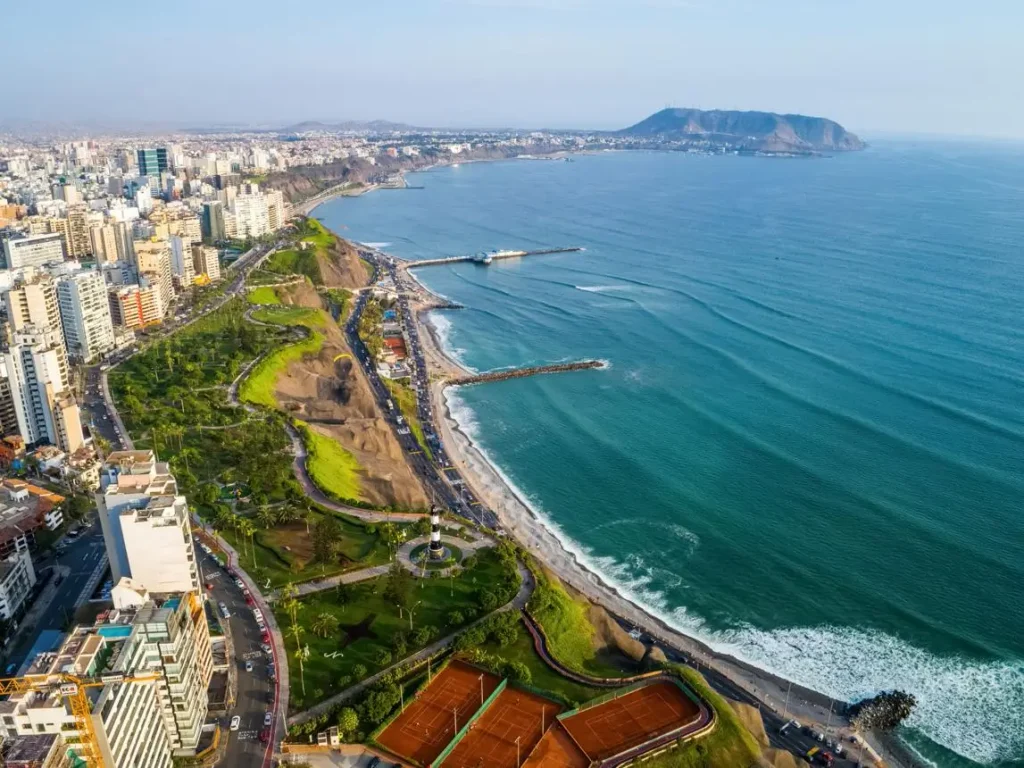
The route runs: Lima, Pachacamac, Pisco, Huacachina, Nazca, back to Lima, then Cusco, the Sacred Valley, Machu Picchu (visited twice), the Southern Valley, Raqchi, and Quillarumiyoc.
What makes the sequencing different from the extended route above is where the rest and ceremony days sit:
- Day 5 is a full rest day in Cusco for acclimatization, placed before the Sacred Valley and Machu Picchu days rather than after.
- Machu Picchu is visited twice: a guided 2.5-hour tour on the first visit, then a free morning on a second visit to walk the site at your own pace.
- Day 10 is free in Cusco.
- Day 11 includes a group ceremony at Tipón.
- Day 13 is a traditional Pachamanca, with guests taking part in the preparation rather than just eating the result.
- Quillarumiyoc is where a paqo (Andean ritual specialist) leads a limpia, a cleansing ceremony, near the end of the trip.
The tour starts in Lima, runs in groups from 2 people, uses 3 to 4 star hotels, and is guided in English and Spanish, with French available on this specific departure. Because it covers more ground and includes ceremony time that other 14-day itineraries do not, it is priced individually rather than listed at a flat rate; ask us for current availability and cost when you are ready to book.
For a closer look at how this itinerary differs from a standard sightseeing schedule, classic tour vs mystic tour breaks down the pacing and the ceremony content in more detail.
If the ceremonial structure and the two Machu Picchu visits sound like your trip, this is the itinerary: our 14-Day Peru Mystic Tour.
Altitude sequencing across 14 days
The three routes handle altitude in genuinely different ways, and this is the part that affects how you feel more than any scenery decision.
| Route | Starting elevation | First high point | Built-in acclimatization |
|---|---|---|---|
| Southern classic | Cusco, 3,399 m | Rainbow Mountain, 5,036 m | Days 1 to 2 in Cusco before moving on |
| Extended (+ coast) | Lima, sea level | Cusco, 3,399 m | Coastal days at sea level before Cusco |
| Mystic route | Lima, sea level | Cusco, 3,399 m | Coastal days plus a dedicated Day 5 rest day in Cusco |
The southern route asks the most of your body in the fewest days, since you land directly at 3,399 meters. It works, but the first 48 hours matter: short walks, hydration, and no side trips until day 3. The extended and mystic routes build in a gentler ramp because they start at sea level, and the mystic route adds a second, dedicated rest day on top of that. If altitude is your main concern rather than time or budget, that is the single biggest difference between the three.
Cost comparison of the three approaches
Pricing works by component rather than as one flat 14-day rate, since each route combines packages differently. Here is what the building blocks look like, per person, in USD:
| Approach | Core components | Starting price | What needs a custom quote |
|---|---|---|---|
| Southern classic | 8-day Cusco and Machu Picchu package, plus Humantay Lake add-on | From $2,177 ($2,050 + $127) | Rainbow Mountain day, extra highland days |
| Extended (+ coast) | 8-day Cusco and Machu Picchu package, plus Nazca overflight | From $2,160 ($2,050 + $110) | Coastal transport and hotel nights between Lima and Nazca |
| Mystic route | 14-Day Peru Mystic Tour | Price on request | Full itinerary, ask us for current availability |
A few things sit outside all three columns regardless of which route you pick: international and domestic flights are never included, tips run USD 5 to 10 per day per guide as a rough guide, and travel insurance is required on the mystic route and recommended on the other two. For a full breakdown of what drives the total on any Peru itinerary, not just these three, what a Peru trip costs covers it in more depth.
How to choose
If your priority is Machu Picchu and the Andes with no coastal detour, the southern classic route uses your 14 days most efficiently and keeps travel days to a minimum.
If seeing the Nazca Lines from the air matters to you and you are comfortable with one or two extra travel days, the extended route fits both in without adding a fifteenth day.
If you want the ceremony, the second Machu Picchu visit, and a schedule that is already built around acclimatization rather than something you have to plan yourself, the mystic route is the one to book: our 14-Day Peru Mystic Tour.
That third option is the one most travelers end up choosing once they see the full route side by side, since it covers the same ground as the extended route but sequences the acclimatization and rest days more deliberately.
Frequently Asked Questions
Is two weeks enough time for Peru? Two weeks is enough for Machu Picchu, the Sacred Valley, and one additional region such as the coast, with realistic acclimatization time built in. It is not enough to also add the Amazon without cutting time elsewhere.
Do I need travel insurance for a 14-day Peru trip? Travel insurance is required for our 14-Day Peru Mystic Tour and recommended for the southern and extended routes.
Can I see the Nazca Lines and Machu Picchu in the same two weeks? Yes. Both the extended route and the mystic route combine a Nazca overflight with the full Machu Picchu visit; the southern classic route does not include the coast.
What is the best route for two weeks in Peru? It depends on priorities: the southern route for highlands-only travelers, the extended route if the coast and Nazca matter, and the mystic route for those who want ceremony, two Machu Picchu visits, and a pre-built acclimatization schedule.remony, two Machu Picchu visits, and a pre-built acclimatization schedule.