

Yes, you can add the Amazon to a Cusco and Machu Picchu trip, and the honest answer on how depends on which part of the jungle you mean. Puerto Maldonado is a short flight from Cusco and adds as little as 3 days round trip. Manu National Park is deeper, harder to reach, and adds closer to a week once you include the overland and river travel. We do not run jungle tours ourselves, but we build the Andean side of trips like this constantly, so this is a straight comparison of what each option actually costs you in time and effort, not a sales pitch for either. For the full range of what a Peru itinerary can include, see our full guide to Peru tour packages.
Why travellers want the jungle after the Andes
Cusco, the Sacred Valley, and Machu Picchu are stone, altitude, and Inca history. The Amazon is the opposite of all three: lowland, humid, and built around wildlife rather than ruins. Travellers who add it are usually after a genuine contrast, not more of the same trip. It also tends to come up naturally in planning, since Cusco is the departure point for both the Andes and the two main jungle regions in southern Peru, so the question is less “should I go” and more “how do I fit it in.”
Puerto Maldonado vs Manu: the honest difference
These get compared constantly, and the difference is mostly access.
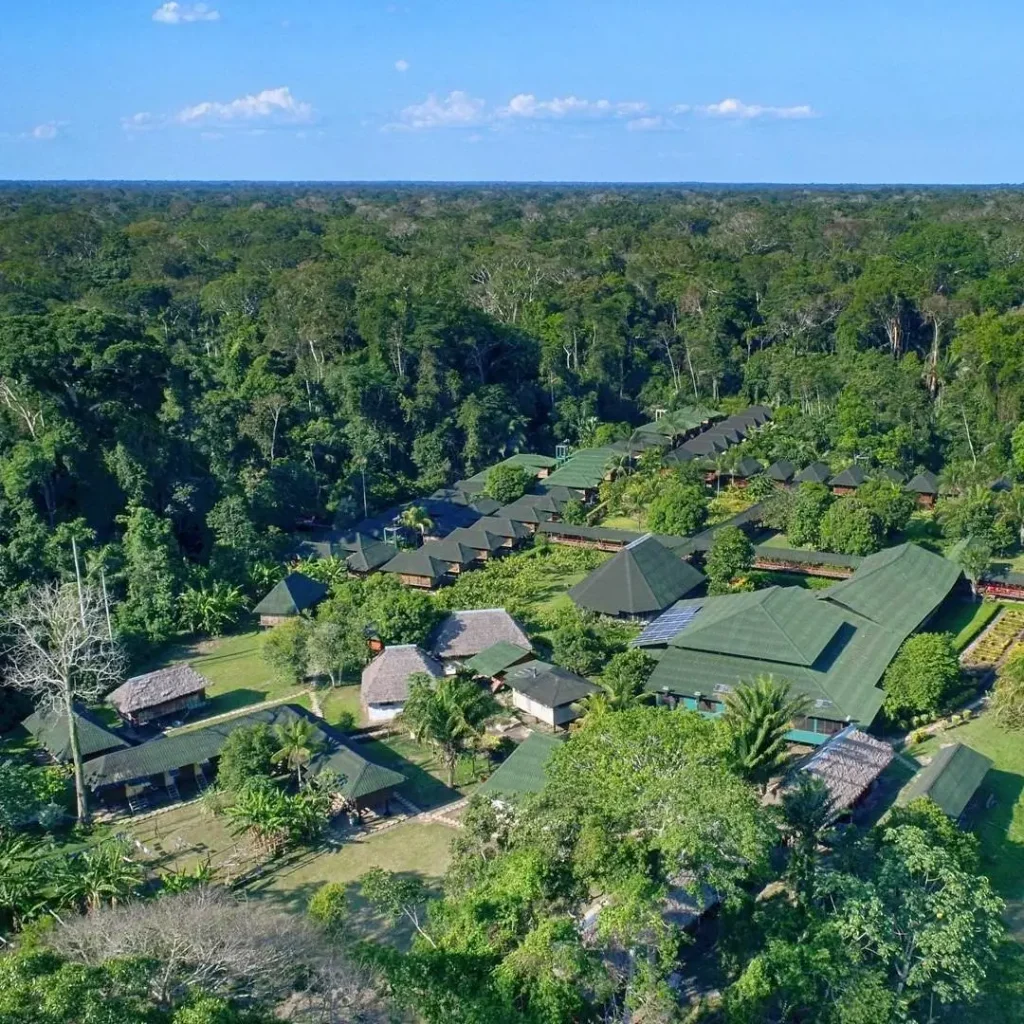
Puerto Maldonado sits on a river with a commercial airport, so lodges near it are reachable by a short flight plus a boat ride of an hour or two. It is the practical choice when your time is limited, and lodge standards there range from basic to comfortable.
Manu National Park is a UNESCO Biosphere Reserve and one of the most biodiverse places on the planet, but that biodiversity is protected by distance. There is no commercial airport serving the park’s core, so getting in means a long overland drive from Cusco followed by a boat journey, or a combination of a short flight to a jungle airstrip plus additional river travel, depending on the operator and route. Wildlife sightings tend to be richer the further you go into Manu, precisely because so few people make the trip.
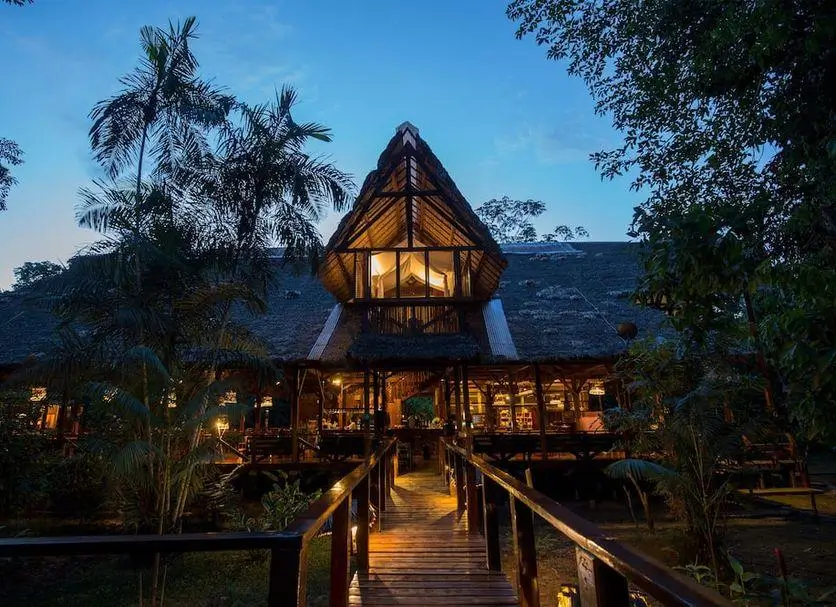
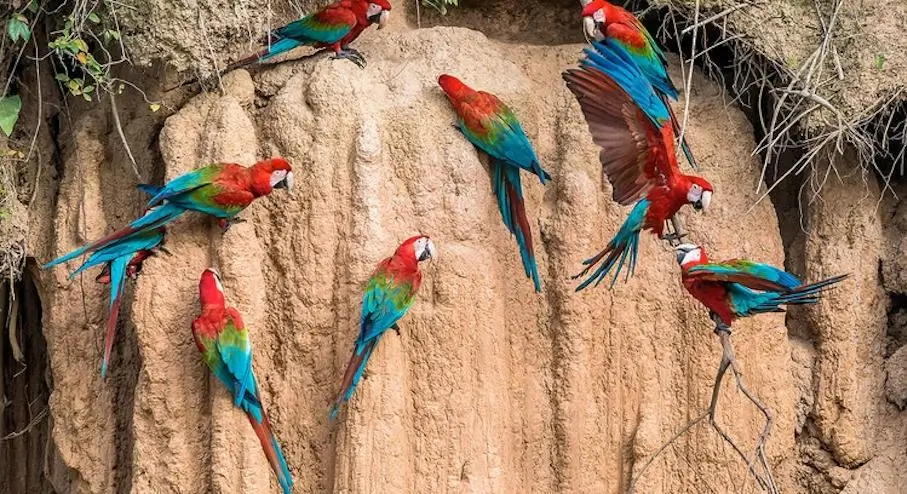
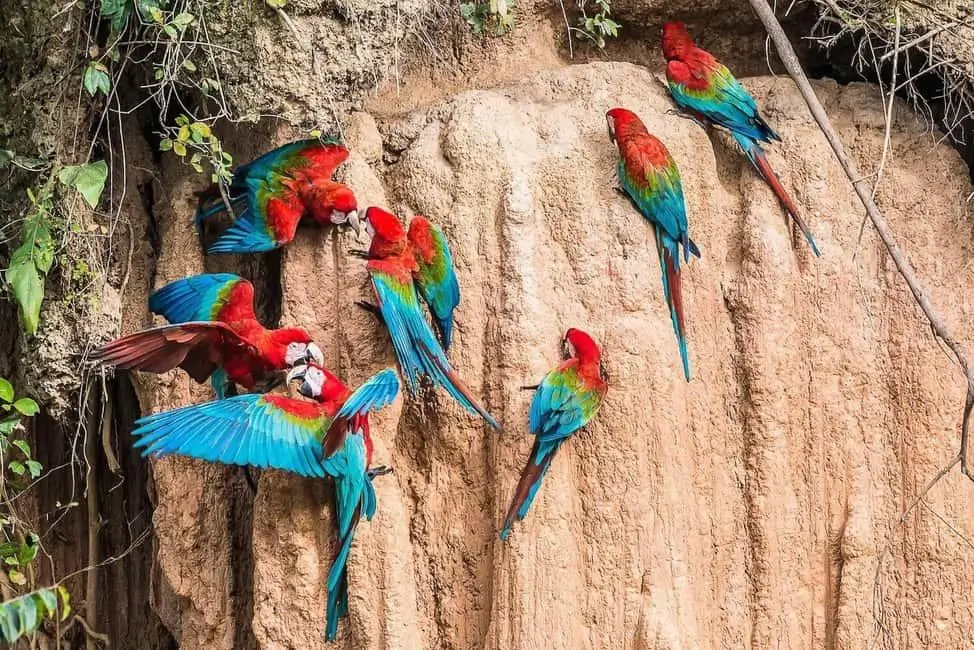
Activities on both routes follow a similar pattern once you arrive: guided walks on jungle trails, a night walk to spot nocturnal wildlife, a visit to a clay lick to watch macaws or parrots feed, and time on an oxbow lake by canoe. The difference is density and distance from other visitors rather than the type of activity on offer. Puerto Maldonado lodges range from simple riverside cabins to more comfortable options with private bathrooms and better food, while Manu lodges tend to be more basic by design, since everything has to be brought in over that same long river route.
Neither option is available through us directly. If a jungle extension matters enough to shape your itinerary, we can point you toward the logistics on the Andean side and help you sequence the trip around it, but the jungle booking itself would go through a specialist operator.
How many extra days it really takes
This is the part people underestimate, especially for Manu.
| Destination | Realistic minimum | Why |
|---|---|---|
| Puerto Maldonado | 3 days, 2 nights | Short flight in, one full day in the jungle, short flight out |
| Puerto Maldonado, fuller visit | 4 to 5 days | Time for a night walk, a clay lick visit, and a canopy tower without rushing |
| Manu National Park | 5 to 7 days | Long overland and river approach both ways, plus enough days inside to justify the travel |
Anything shorter than these on Manu specifically is usually a reserved zone visit near the park’s edge rather than the core zone, which is a different (and much more accessible) trip than what most people picture when they say “Manu.”
The flight logistics from Cusco
Cusco is the hub for both routes, but the routes themselves work differently once you leave the airport.
Puerto Maldonado has a short direct flight from Cusco, typically under 30 minutes, which is why it pairs easily with an Andes itinerary: you can fly out, spend a few days in the jungle, and fly back into Cusco to continue on to the Sacred Valley or Machu Picchu without losing a full day to travel.
Manu does not work the same way. There is no direct flight into the park’s core zone, so the trip runs overland from Cusco by road, dropping in elevation over several hours before connecting to a river journey. This is the trade-off for Manu’s more remote, less visited feel: the access that keeps it wild is also what makes it slower to reach.
If your itinerary already includes the 8-day Cusco and Machu Picchu tour, a Puerto Maldonado extension is the one that tacks on cleanly at the end without reshuffling the rest of your dates.
Altitude to jungle: what the change does to you
Cusco sits at 3,399 meters (11,152 ft) and the Sacred Valley around 2,800 meters. Puerto Maldonado and the Manu lowlands sit close to sea level. Dropping that much elevation in a single flight or overland trip is a real physical shift, just in the opposite direction from the one most travellers worry about.
Most people feel noticeably better at lower altitude almost immediately: easier breathing, less fatigue on short walks, better sleep. The adjustment that does take a day or two is heat and humidity, which the Andes never prepare you for. If you are sequencing a trip that goes Cusco to jungle to Machu Picchu, or the reverse, expect the first day at each elevation change to be lower energy while your body resets, and build your schedule so nothing demanding is planned for that first day.
Best season for the jungle vs for Machu Picchu
The good news is that the dry season works for both regions, just for different reasons.
From roughly April/May through October/November, the Andes get clearer skies, better trekking and photography conditions at Machu Picchu, and heavier crowds and higher prices as a result. The same months are also the better window for the jungle: lower water levels concentrate wildlife around exposed riverbanks and clay licks, and trails that flood in the wet season stay walkable.
The rainy season, from November/December through March/April, is the opposite trade-off in both places: greener landscapes and fewer people, but wetter conditions and a higher chance of disrupted plans, whether that is a rained-out trek in the Andes or flooded jungle trails. May, June, and July are the clearest months of the year in Cusco, and they double as some of the most reliable months for jungle access too, which is the main reason this window gets booked up furthest in advance on both sides of the trip.
If you are building the whole trip around this seasonal window, Peru in 2 weeks covers how much of that dry season you can realistically use for the Andean side alone, before adding jungle days on top.
When we would say no
We will tell you directly if a jungle extension does not fit, and it usually comes down to one of these:
- You have 7 days or fewer total. Adding Manu on a short trip means the jungle becomes the whole trip, with little time left for Machu Picchu. Even Puerto Maldonado is tight under a week once you account for acclimatization.
- You are trying to add the jungle in the middle of the Machu Picchu leg. Breaking up the Ollantaytambo to Aguas Calientes sequence with a jungle side trip adds transit time you do not get back; it works far better before or after the Andes portion, not inside it.
- You have not built in acclimatization time. Flying into Cusco at 3,399 meters, adding a jungle leg, and then trying to trek immediately is the itinerary most likely to leave you exhausted rather than impressed by either place. Read your first 48 hours in Cusco before locking in a tight schedule.
- You are chasing a specific wildlife sighting on a fixed date. Jungle sightings depend on season, water levels, and some luck; a rigid two-day window is enough to be disappointed if the timing does not line up, especially for anything tied to a clay lick or a particular species.
If any of these apply, the honest move is to shorten the jungle portion rather than shorten Machu Picchu, since the Andean leg is usually the part people actually came to Peru for.
In these cases, we would rather point you to our 14-Day Peru Mystic Tour or one of our shorter Andes packages and let you add the jungle on a future trip, than build you an itinerary that rushes both.
Frequently Asked Questions
Can I visit the Amazon and Machu Picchu on the same trip? Yes. Puerto Maldonado adds as little as 3 days and connects to Cusco by a short direct flight, while Manu National Park adds 5 to 7 days because of its longer overland and river approach.
Is Puerto Maldonado or Manu better for wildlife? Manu generally offers richer wildlife sightings because its remoteness limits visitor numbers, but Puerto Maldonado is more accessible and still delivers strong sightings, especially around clay licks and oxbow lakes.
Do I need extra time to adjust between the Andes and the jungle? Give yourself at least one lower-energy day after each elevation change. Dropping from Cusco’s altitude to jungle heat and humidity, or the reverse, is a real physical adjustment even though it is not altitude sickness.
Does Peru Andes Discovery run jungle tours? No. We operate Andean tours out of Cusco, including Machu Picchu and the Sacred Valley. For a jungle extension, we can help you sequence it around your Andean itinerary, but the jungle portion itself is booked through a specialist operator.