

Morning entry, ideally a slot between 7:00 and 10:00 a.m., gives you the best overall balance: cooler temperatures, a real chance of watching mist lift off the terraces, and enough margin if you’re adding a mountain hike. The very first slot, 6:00 a.m., is the most atmospheric but also the most fog-prone and the most crowded, since sunrise-seekers and Inca Trail trekkers converge there at once. Afternoon entry, from around 1:00 p.m. onward, trades some of that atmosphere for genuinely lighter crowds and, in the dry season, warm, low-angle light that’s better for photographing stonework detail. In the rainy season, afternoon brings a real risk of rain, so morning is the safer choice. The site runs on hourly entry slots from 6:00 a.m., closing at 5:30 p.m.; our guided tours typically run about 2.5 hours regardless of entry time, though the official maximum time permitted inside varies by circuit. Our guides run this site multiple times a week and this guide is built on what we actually see happen at each hour, not just published averages. For everything else about tickets and timing, see our complete Machu Picchu guide.
The fog problem: what really happens at sunrise
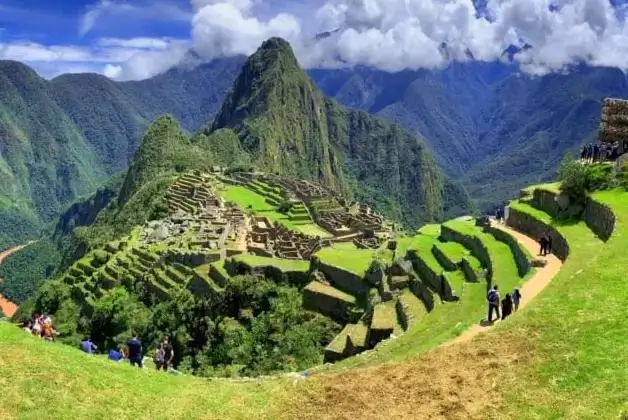
The postcard idea of brilliant sun breaking over the citadel at 6:00 a.m. rarely matches reality. Machu Picchu sits inside a valley ringed by mountain ridgelines, so there’s no clean horizon sunrise, light reaches the site gradually as it clears the surrounding peaks, typically between 6:30 and 7:00 a.m. depending on the season.
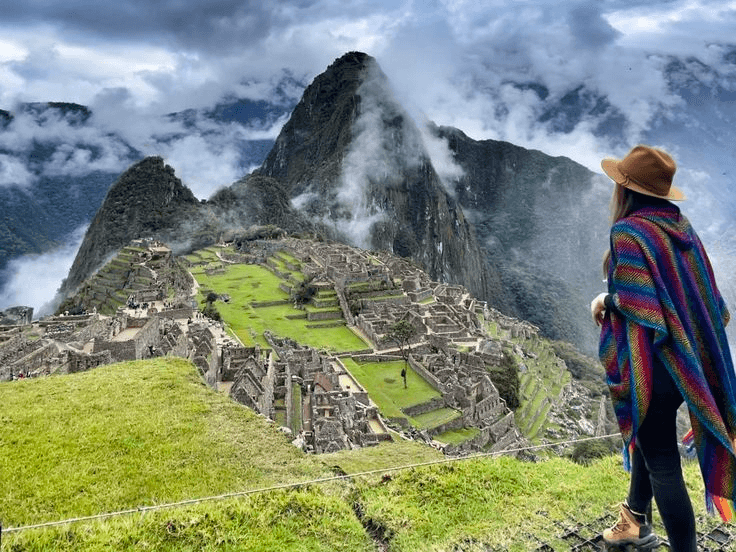
In the dry season, morning mist is common but usually temporary, our guides typically see it lift somewhere between 7:30 and 9:30 a.m., though this varies day to day and there’s no way to guarantee it. When it does lift while you’re inside, watching the terraces emerge from cloud is genuinely one of the best moments the site offers, better, in our experience, than a technically clear 6:00 a.m. sky with nothing dramatic happening. In the rainy season, November through March, fog is heavier and slower to clear, and because sunrise itself often occurs before the site even opens during these months, the 6:00 a.m. slot buys you less than it does in dry season.
If you’re chasing the fog-lift moment specifically rather than a guaranteed clear photo, book an early slot but budget extra patience, and don’t plan your only photo opportunity around it.
Crowd patterns by time slot
Based on what our guides see on the ground week to week, the heaviest crowding builds steadily from around 9:30 a.m., peaks through late morning as trains and buses converge, and stays dense until roughly 2:00 to 2:30 p.m., when day-trippers start heading back down for return trains. The very first slot, 6:00 a.m., is busier than its early hour suggests, since it draws both sunrise photographers and Inca Trail trekkers arriving through the Sun Gate on the same morning schedule.
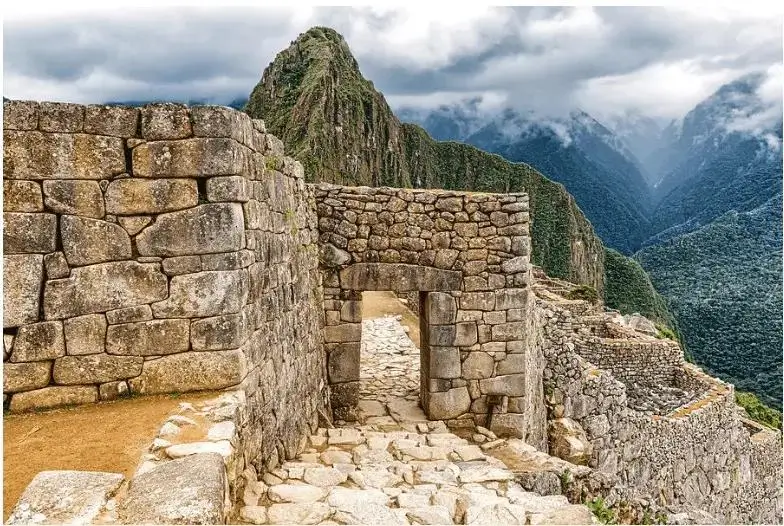
The genuinely quieter windows are the first 30 to 45 minutes after opening, before the 7:00 a.m. wave arrives, and anything after about 2:30 p.m., once the midday crush has thinned out. If avoiding crowds matters more to you than early light, a slot in the 1:00 to 2:00 p.m. range consistently gives our groups more breathing room at the classic viewpoints than anything between 9:00 a.m. and 1:00 p.m.
Light for photography, hour by hour
Morning light through roughly 9:00 a.m. is soft and often diffused by residual mist, which flatters wide shots of the terraces but can underexpose distant details. Midday light, from about 11:00 a.m. to 1:00 p.m., is the least flattering of the day: harsh, overhead, and flat, it drains contrast from the stonework and tends to wash out the classic viewpoint photo more than people expect.
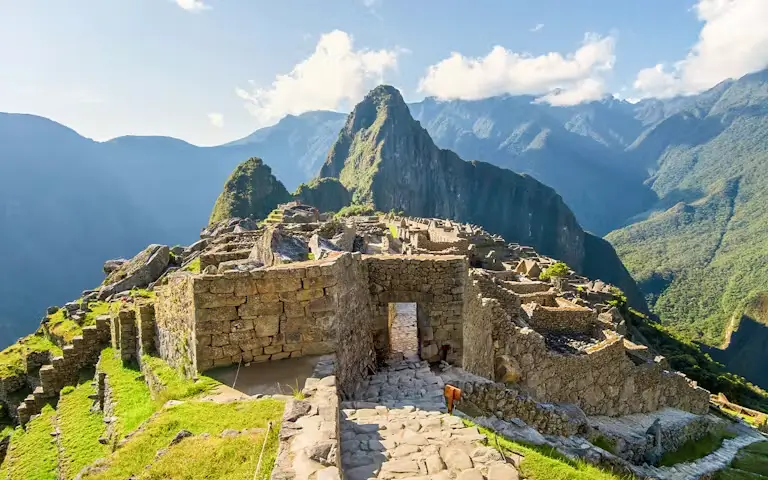
Afternoon light, especially after about 3:00 p.m. in the dry season, is the one most experienced photographers on our tours actually prefer, even though it’s the opposite of the popular sunrise instinct. Low, angled sun brings out texture in the stone walls and terraces that flat midday light hides completely, and by then the crowds thin considerably, giving you room to actually compose a shot instead of working around other visitors in frame. The trade-off is timing: dry-season afternoons hold their light reliably, but wet-season afternoons often bring rain that can cut a photography session short with little warning.
Heat, rain and shade
Temperatures at Machu Picchu swing more across a single day than most visitors expect. Dawn readings commonly sit in the low-to-mid 50s Fahrenheit (roughly 7-10°C) during the dry season, warming into the mid-60s (around 18-20°C) by midday. Bring layers regardless of which slot you book, since even a warm afternoon can turn cool quickly if cloud rolls back in.
Shade is limited across most of the site, and the exposed upper terraces get direct sun for most of the day once mist clears, so a midday or early-afternoon visit in the dry season means real sun exposure for the full 2.5 hours you’re inside. In the rainy season, afternoon showers are common enough that we recommend packing a rain layer regardless of your entry time, since weather can shift faster than the forecast suggests, especially between November and March.
Which slot works if you are coming from Cusco same day
If you’re doing Machu Picchu as a single day trip from Cusco, your entry time is largely dictated by train schedules rather than personal preference, since you need enough buffer on both ends for the road transfer, the train, and the CONSETTUR bus up to the site. A mid-morning entry, roughly 9:00 to 11:00 a.m., tends to fit same-day logistics most comfortably: an early train gets you there in time, and you’re not racing the last bus back down after a late-afternoon slot. For the full mechanics of fitting a visit into one day without cutting it too close, see visiting Machu Picchu in one day.
If your day-trip schedule pushes you into an afternoon slot instead, that’s not a downgrade, you’ll trade the fog-lift moment for thinner crowds and, in dry season, better late-day light. Whichever slot your transport schedule leaves you with, check which circuit pairs best with your timing before you buy, since some circuits suit an early start better than others. See which circuit to buy for that comparison, and how to buy Machu Picchu tickets for the mechanics of locking in your slot.
Which slot we book for our own groups
For our 2-day Machu Picchu tour from Cusco, where clients have a full uninterrupted day at the site rather than a rushed day trip, we default to an early morning slot, 7:00 to 8:00 a.m., specifically to catch the fog-lift window without the worst of the 6:00 a.m. crowd. Clients on this itinerary aren’t racing a return train the same afternoon, so there’s no cost to giving the morning a real chance to clear.
For clients on tighter multi-stop itineraries, such as the 4-day Cusco and Machu Picchu tour, where the Machu Picchu day is sandwiched between other activities, we more often book a mid-morning or early-afternoon slot that fits the transport schedule cleanly, rather than forcing an early wake-up that risks a rushed connection. In both cases, we check the season first: dry season, we lean earlier for the crowd and fog trade-off; rainy season, we lean toward the 9:00 to 11:00 a.m. window, since it balances the highest chance of fog having cleared against the lowest chance of afternoon rain. Whatever slot you book, check Machu Picchu rules and banned items beforehand, since a few restrictions catch first-time visitors off guard regardless of what time they enter.
Time slot at a glance
| Time slot | Crowds | Fog likelihood | Light quality | Best for |
|---|---|---|---|---|
| 6:00-7:00 a.m. | High (sunrise seekers + trekkers) | High, especially rainy season | Soft, often mist-diffused | Atmosphere and the fog-lift moment |
| 7:00-9:30 a.m. | Moderate, building | Moderate, often clearing | Improving, still soft | Best overall balance |
| 9:30 a.m.-2:00 p.m. | Peak | Low in dry season | Midday: flat and harsh | Avoid if crowds bother you |
| 2:00-3:00 p.m. | Thinning | Low | Improving, warmer tones | Comfortable, less rushed visit |
| 3:00-5:30 p.m. | Low | Low (dry season); rain risk (wet season) | Best for stonework detail in dry season | Photography, fewer people |
Frequently Asked Questions
Is the 6 a.m. slot worth the early start? It’s the most atmospheric slot if fog lifts while you’re inside, but it’s also more crowded than its hour suggests, and in the rainy season the payoff is less reliable. A 7:00-8:00 a.m. slot often gives a similar experience with slightly thinner crowds.
What time has the fewest people at Machu Picchu? Generally the first 30-45 minutes after opening and anything after about 2:30 p.m., once midday crowds have thinned and day-trippers head back toward Aguas Calientes.
Should I book morning or afternoon during the rainy season? Morning, ideally 9:00 to 11:00 a.m. Afternoon showers are common from November through March, and morning fog, while present, tends to clear with more reliability than afternoon skies stay dry.
Does my entry time affect how long I can stay inside? Not for our guided tours, which run about 2.5 hours regardless of when you enter. The official maximum time permitted per circuit is set by the Ministry of Culture and can vary by route, so check your specific ticket if you’re visiting independently.