

Most travelers from North America, the EU, the UK, Australia, and many other countries can enter Peru visa-free as tourists, typically for stays of up to 183 days per calendar year, granted at the discretion of the immigration officer on arrival. A valid passport is the only document most visitors need to enter the country, but it becomes the single most important item you carry once you are inside Peru, since it is required again for the Machu Picchu train and entry to the site itself. Rules on entry length and visa requirements vary by nationality and do change, so confirm the current requirement for your passport with your home country’s foreign ministry or the Peruvian consulate before you travel. For the full range of what a Peru itinerary can include, see our full guide to Peru tour packages.
Passport validity and the basics
A valid passport is the baseline requirement for entry, and the safest practice, as with most international travel, is to carry one with at least six months of validity remaining beyond your planned departure date from Peru. Airlines and immigration officers apply this kind of margin inconsistently, but it removes any risk of being denied boarding on your outbound flight over a technicality.
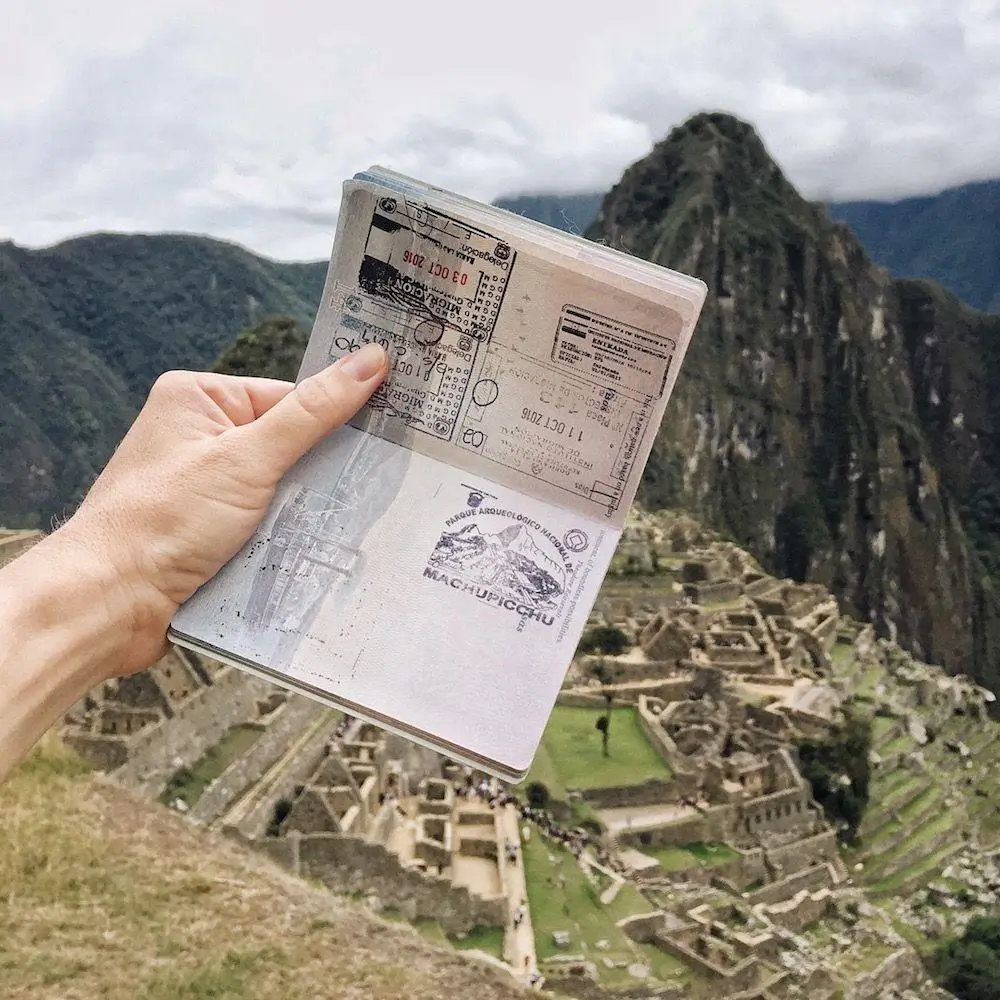
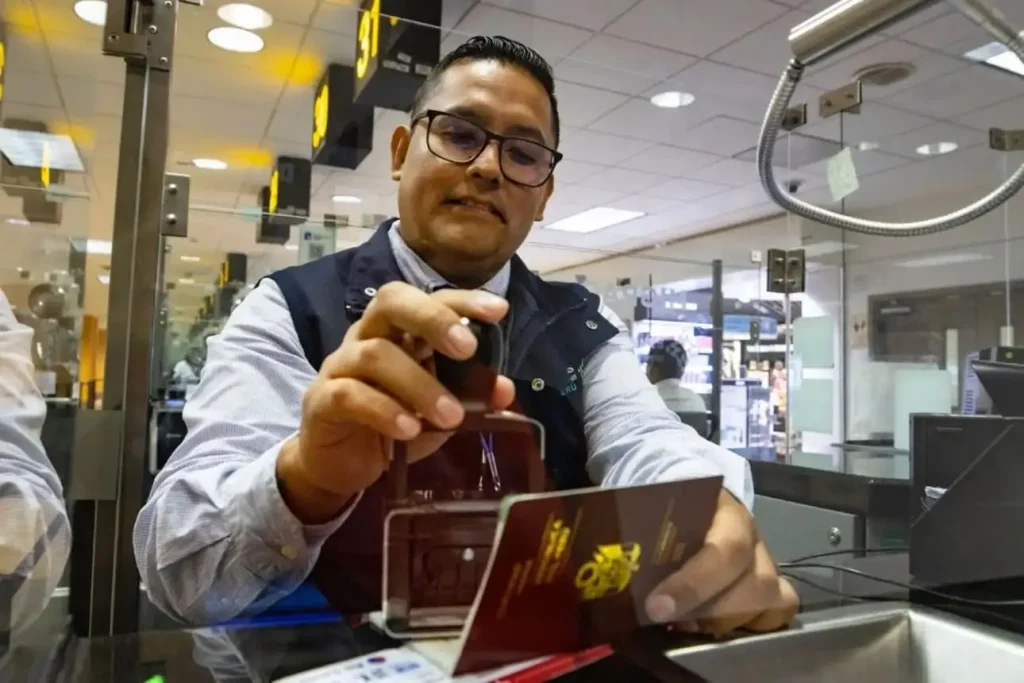
Your passport is stamped on arrival, and that stamp, not a separate visa document, is what establishes your permitted length of stay. Keep it somewhere secure but accessible for the rest of your trip, since you will need to produce it again at multiple points along the way.
Visa-free entry and the 183-day rule
Peru allows visa-free entry for tourism to travelers from a wide range of countries, with a maximum stay commonly cited as up to 183 days per calendar year. The exact number of days you are granted is decided by the immigration officer at the point of entry and printed on your entry stamp; it is not automatically the maximum for every traveler or every visit.
Because entry rules differ by nationality and are set by immigration policy rather than by us, confirm your specific requirement before booking. Your home country’s foreign ministry travel advisory page or the Peruvian consulate serving your country are the reliable sources, and both are worth checking again close to your travel date, since immigration policy can change with little public notice. Building this check into your planning early, rather than the week before departure, gives you time to apply for a visa if your nationality turns out to need one, without putting your travel dates at risk.
Why your passport matters more than usual in Peru
On most international trips, your passport matters most at immigration and then goes back in your bag. In Peru, it stays relevant for the entire itinerary.
| Where you need it | Why |
|---|---|
| Immigration on arrival and departure | Standard entry and exit stamping |
| Ollantaytambo to Aguas Calientes train | Passport required to board; no photocopies accepted |
| Machu Picchu entrance | Name on your ticket must match your passport exactly |
| Hotel check-in | Standard identification requirement across Peru |
This is worth planning around specifically because the Machu Picchu train and entrance system checks documents against pre-booked, named tickets. A misplaced passport on the day of your Machu Picchu visit is not a minor inconvenience, it can mean missing the train entirely, since there is no substitute document accepted in its place. This is also why we ask for passport details when booking rather than leaving it until arrival: your name has to be locked in correctly on the train and entrance tickets well before the day itself, not fixed on the spot at a ticket counter that does not exist at the station.
Documents you must carry during the tour
Beyond your passport, a short list of documents makes the difference between a smooth day and a stressful one:
- Original passport, not a photocopy or a photo of it. Photocopies are explicitly not accepted for the Machu Picchu train or entrance.
- Printed or digital Machu Picchu entrance ticket, matched to the name on your passport.
- Train ticket, matched the same way.
- Travel insurance details, especially if your policy is required rather than optional for your itinerary; our 14-Day Peru Mystic Tour requires travel insurance, and it is strongly recommended on every other package. Travel insurance for a Peru tour covers what to look for in a policy.
None of these substitute for one another. A valid passport with no matching ticket, or a matching ticket with no passport, both result in the same outcome at the entrance gate.
Name matching on tickets: the mistake that ruins a day
This is the single most common and most avoidable problem travelers run into in Peru: the name on your Machu Picchu ticket or train ticket does not exactly match the name on your passport. A missing middle name, a swapped order of first and last name, or a nickname used at booking instead of the passport name can all trigger the same result at the gate.
The fix is simple and has to happen before you travel, not on the day: book every ticket using your name exactly as it appears on your passport, and double-check it against the passport itself rather than against memory. If you are booking one of our packages, this is one of the details we confirm with you directly when arranging your 7-day Cusco and Machu Picchu tour or any other itinerary, precisely because it is the kind of error that is invisible until you are standing at the gate. How to buy Machu Picchu tickets walks through the booking process step by step.
What to keep digital and what to print
A mix of both formats is the safest approach, since relying entirely on either one has a failure mode.
Keep digital copies of your passport photo page, your entry stamp once you have it, your Machu Picchu and train tickets, and your travel insurance policy, stored somewhere accessible without internet access, such as a phone’s offline files rather than only an email you need signal to open.
Print physical copies of your Machu Picchu ticket and train ticket regardless of whether you also have them digitally. Connectivity in Aguas Calientes and at the Machu Picchu entrance can be unreliable, and staff processing a long line of visitors move faster with a printed ticket in hand than with someone searching for a screenshot. Your passport, of course, has to be the physical original either way; no digital version of it is accepted anywhere along the route.
If your booking window is still open, when to book your Peru tour covers how far ahead to lock in tickets so you have time to fix a name-matching error before it becomes a problem on the ground, and what a Peru package includes explains which of these bookings we handle directly versus which stay in your hands.
Frequently Asked Questions
Do I need a visa to visit Peru? Most travelers from North America, the EU, the UK, and many other countries do not need a visa for tourism and can stay for a period commonly up to 183 days, set at entry. Requirements vary by nationality, so confirm yours with the Peruvian consulate or your home country’s travel advisory before departure.
Can I use a photocopy of my passport for the Machu Picchu train? No. The original passport is required to board the train and to enter Machu Picchu; photocopies are not accepted.
What happens if the name on my ticket doesn’t match my passport? It can result in being denied boarding or entry, since the ticket and passport are checked together. Always book using your name exactly as it appears on your passport.
How long should my passport be valid for travel to Peru? As a general safety margin, aim for at least six months of validity remaining beyond your departure date, which is standard practice for international travel and avoids any risk at check-in.