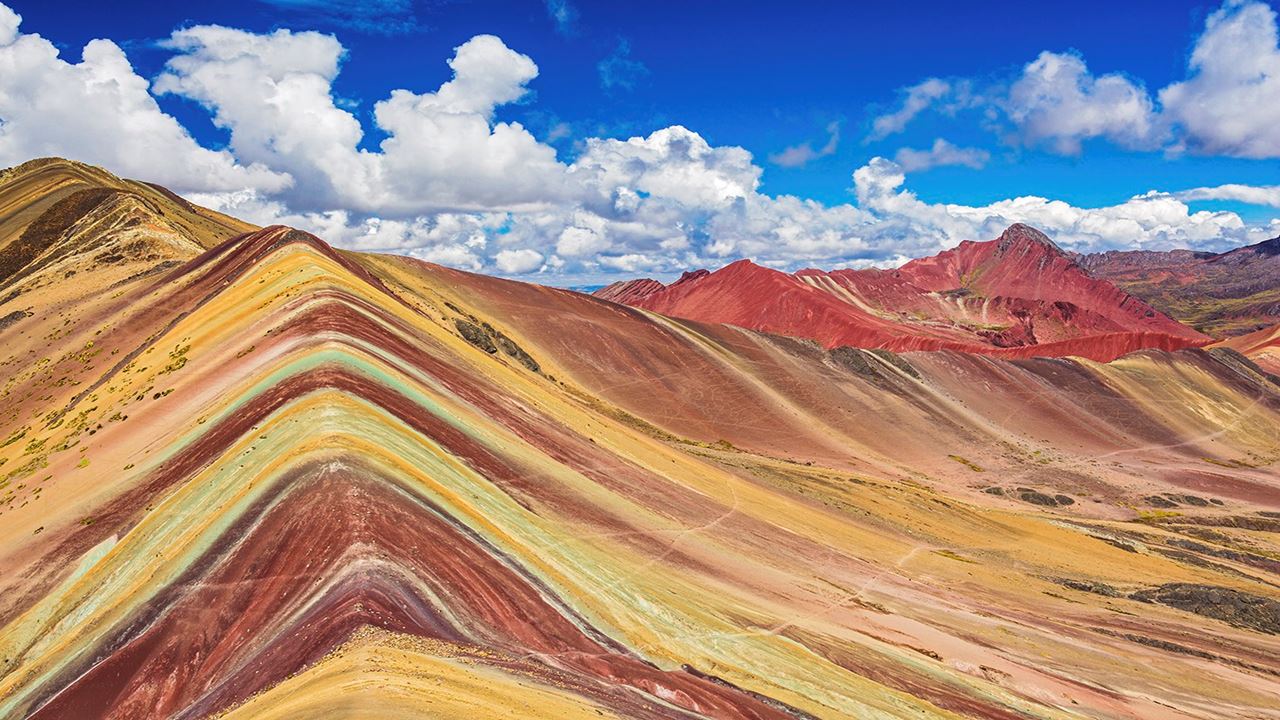
You see the vibrant, striped peaks flooding your Instagram feed, but nobody posts about the gasping for air. Many travelers drastically underestimate the physical toll of extreme high-altitude trekking.
Hitting a wall at over 5,000 meters feels like breathing through a narrow straw. A poorly planned trip quickly turns a bucket-list expedition into a miserable, freezing ordeal where headaches overshadow the scenery.
We need to talk facts about the true Rainbow Mountain difficulty. This guide breaks down the exact physical demands, the real elevations, and how to safely conquer Vinicunca without putting your health at risk.
The Reality of Rainbow Mountain Hiking Difficulty
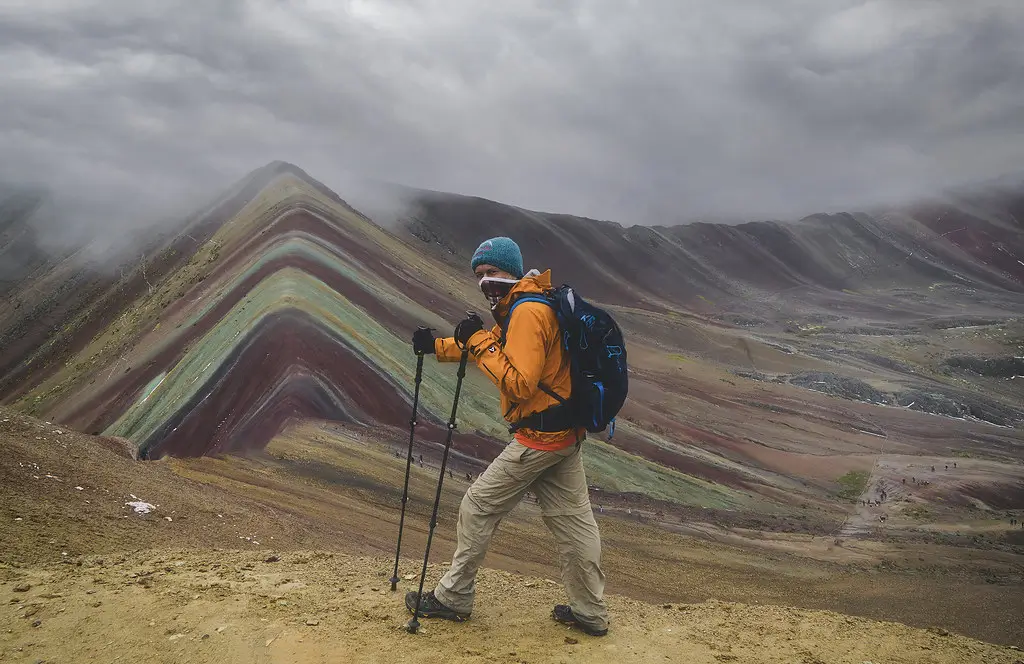
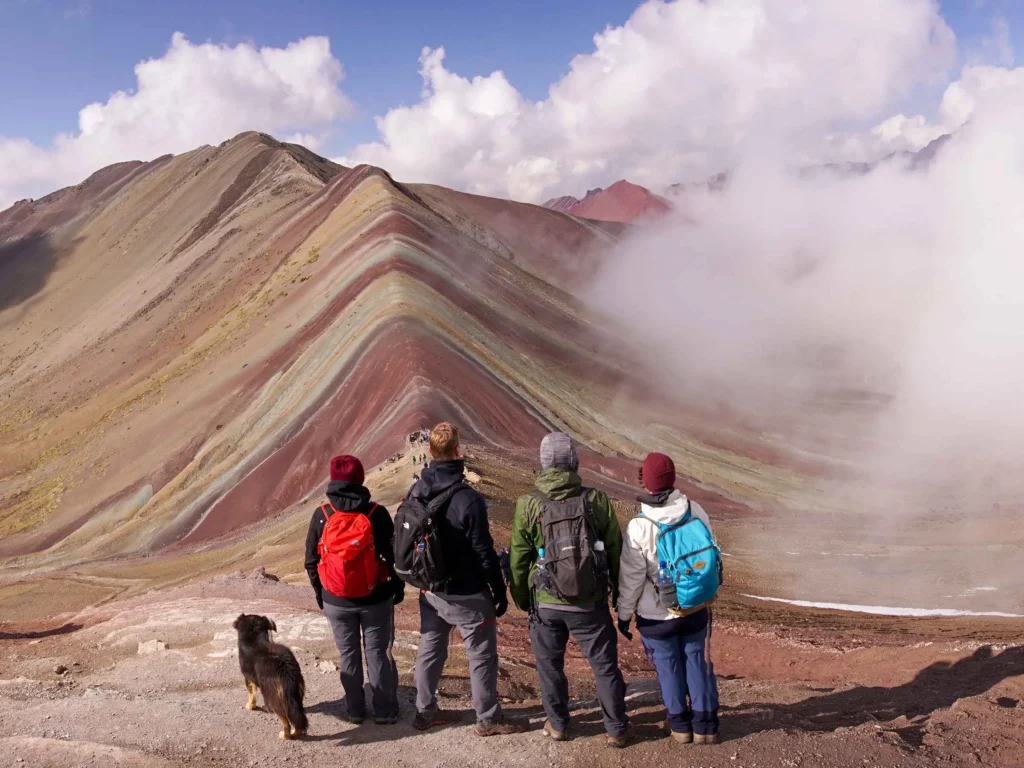
People constantly ask: is Rainbow Mountain hard? The actual dirt trail is surprisingly well-maintained and relatively flat for the first two-thirds of the journey. The physical steepness only spikes during the final 200-meter push to the viewpoint.
The real killer is the extreme Rainbow Mountain elevation. You start the trek at the Phulawasipata trailhead, sitting at 4,620 meters (15,157 ft). From there, you ascend to the main summit at a staggering 5,200 meters (17,060 ft).
For context, Everest Base Camp sits at 5,364 meters. Your body operates on roughly half the oxygen available at sea level. This makes every single step feel like a heavy squat.
How Long is the Rainbow Mountain Hike?
The standard route covers a round trip distance of 7 kilometers (4.3 miles).
A healthy, acclimatized hiker usually completes the ascent in 1.5 to 2 hours. The descent takes about 45 minutes to an hour.
Is Rainbow Mountain for beginners? Yes, but only under strict conditions. You do not need technical rock climbing skills or prior mountaineering experience. You simply need stamina, mental grit, and proper altitude preparation.
Battling Rainbow Mountain Altitude Sickness
The Rainbow Mountain altitude dictates your entire experience. Ignoring it leads to nausea, dizzy spells, and severe migraines.
Understanding how to avoid altitude sickness in Peru requires strict discipline. You must spend a minimum of three full days in Cusco (3,399 m) or the Sacred Valley (2,800 m) before attempting this trek.
Chew raw coca leaves (acullico) exactly like the local Quechua guides do, or drink mate de coca at breakfast. For medical prevention, consult your doctor about taking Acetazolamide (Diamox) or pick up over-the-counter Sorojchi Pills at an Inkafarma in Cusco.
Weather and The Best Time to Hike Rainbow Mountain
Timing your visit dictates whether you see vibrant colors or a massive snowbank.
The best time to hike Rainbow Mountain falls during the Andean dry season, from May to October. Expect clear, piercing blue skies but freezing morning temperatures that frequently drop to -5°C (23°F).
Avoid scheduling your Rainbow Mountain hike in January or February. Heavy summer precipitation turns the dirt into thick mud and covers the iconic mineral stripes in thick white snow.
What to Pack for Rainbow Mountain
Your gear determines your comfort. The weather shifts from freezing wind to intense, burning UV rays within minutes. Layering is your best defense.
- Base Layer: Wear a moisture-wicking merino wool shirt. Avoid cotton entirely; it traps cold sweat.
- Outer Shell: Bring a reliable Gore-Tex windbreaker or a heavy insulated jacket.
- Accessories: Buy a warm alpaca wool chullo (beanie) in Cusco. You also need SPF 50+ sunscreen, polarized sunglasses to prevent snow blindness, and a 1.5-liter CamelBak.
- Support: Rent trekking poles with rubber tips in Cusco. They save your knees on the steep descent.
Palcoyo vs Rainbow Mountain: The Smarter Alternative?
If the numbers above sound too intimidating, you have an excellent backup option.
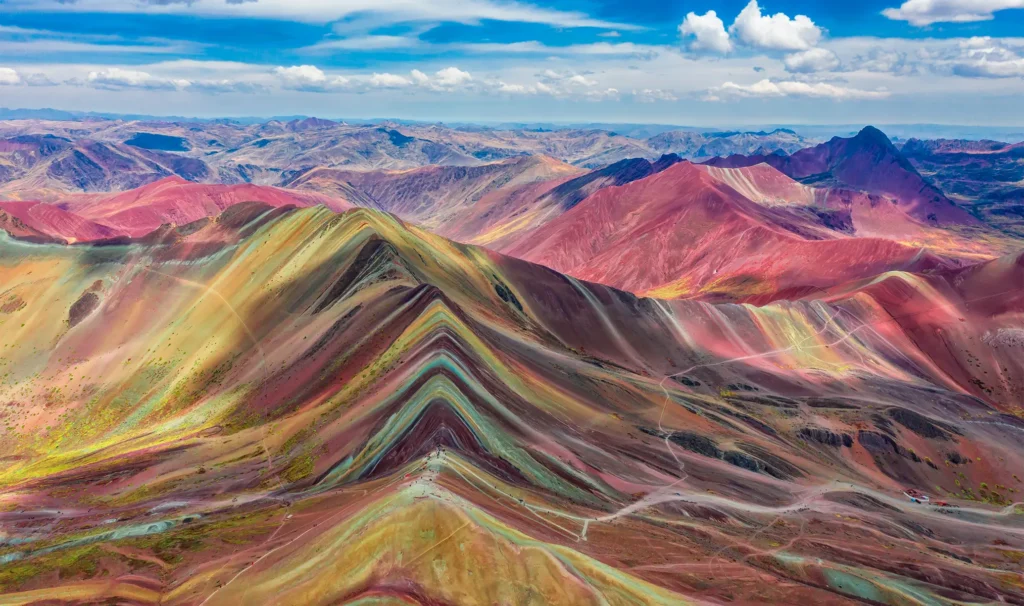
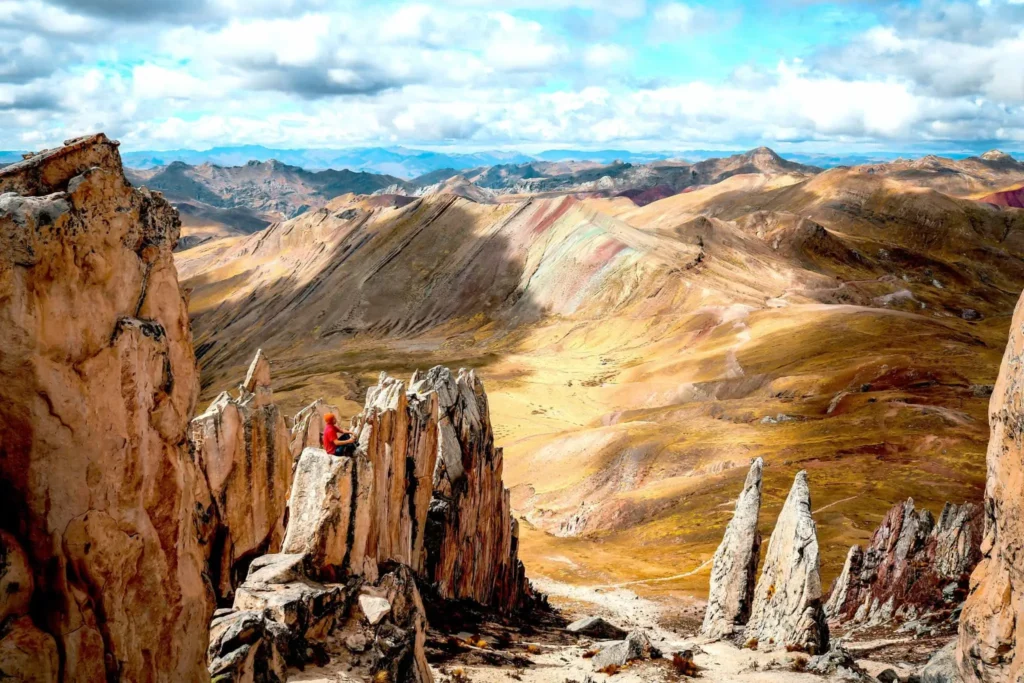
When comparing Palcoyo vs Rainbow Mountain, Palcoyo offers a much lower barrier to entry. The Palcoyo trailhead starts higher, requiring only a 45-minute, mostly flat walk to reach 4,900 meters (16,076 ft).
Instead of one striped peak, Palcoyo features three distinct rainbow mountains and a fascinating stone forest (bosque de piedras). It receives a fraction of the crowds, making it the perfect alternative for families or those struggling with the altitude.
Expert Rainbow Mountain Trek Tips
Knowing how to prepare for Rainbow Mountain separates the successful hikers from those who turn back halfway. Apply these local tactics:
- The Horse Back-Up: Members of the local Pampachiri community rent horses at the trailhead for 70 to 90 PEN (about $20-$25 USD). The horse carries you 80% of the way, leaving you to climb only the final steep stairs. Cash only.
- Bring Exact Change: You need small Soles denominations. The community entrance fee costs exactly 30 PEN, and you need 2 PEN coins for the rustic bathrooms along the trail.
- Pace Yourself: Walk aggressively slow. We call it the “Inca pace.” If you can’t hold a conversation while walking, you are moving too fast and burning oxygen too quickly.
Secure Your Rainbow Mountain Tour
Conquering this high-altitude giant demands respect, preparation, and expert logistical support. Do not let the Rainbow Mountain difficulty ruin your Andean adventure. Proper pacing and professional guidance turn this grueling physical challenge into a safe, unforgettable victory.
Stop leaving your safety to chance with unverified street vendors. Contact Peru Andes Discovery to book your premium Rainbow Mountain tour. Review our expertly guided itineraries equipped with emergency oxygen, private transport, and experienced local mountaineers today!