
Planning a trip to the Andes often feels overwhelming. You want authentic cultural experiences, but most itineraries trap you in the same crowded Sacred Valley circuit. You worry about long travel times, the risk of altitude sickness, and missing the real essence of the region. Standing shoulder-to-shoulder with thousands of tourists at every major ruin quickly dilutes the connection you hoped to feel with the Andean past.
Break away from the conventional route. We designed this Qeswachaka travel guide to help you reach a living, breathing piece of history. The Qeswachaka bridge stands as a testament to indigenous resilience, maintained exactly as it was centuries ago. Let us walk you through everything you need to know to safely cross this ancient structure and plan the perfect detour from the crowds.
Engineering Marvel: What is the Historic Inca Bridge?
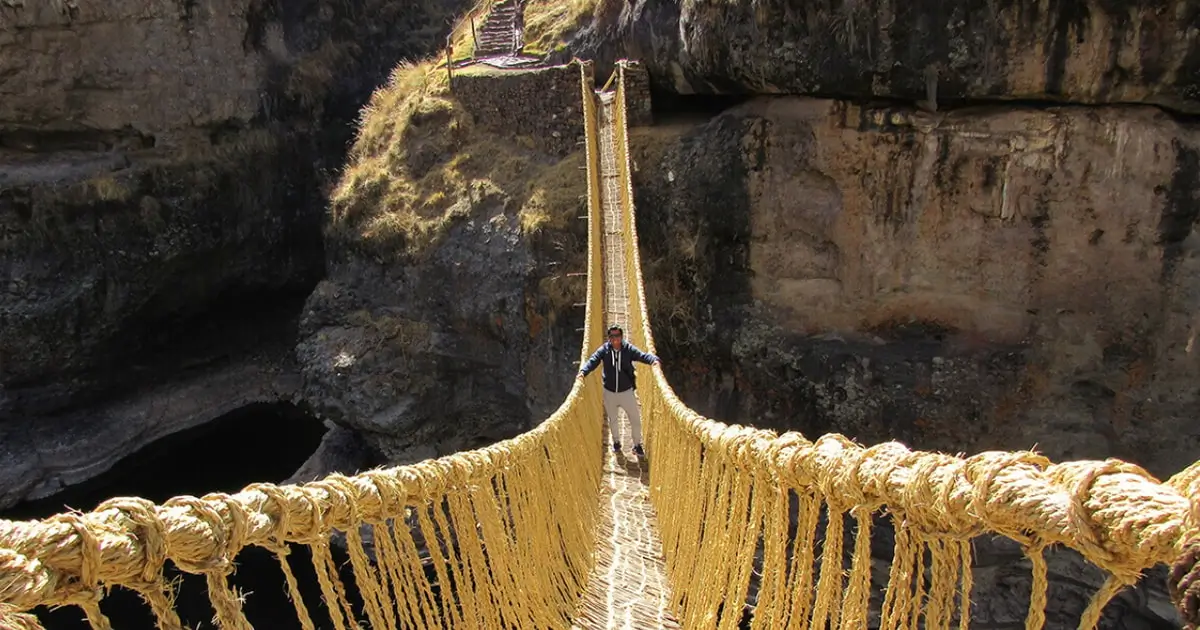
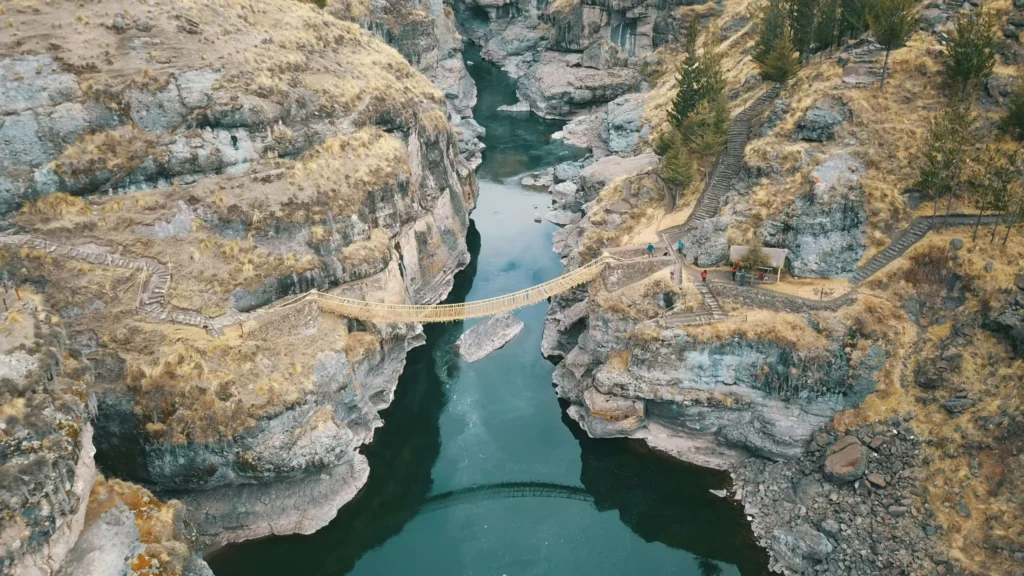
The Incas built thousands of suspension bridges to connect their vast empire across deep Andean canyons. Today, only one remains. Spanning the Apurímac River in the Canas province, this historic Inca bridge represents the pinnacle of Inca engineering.
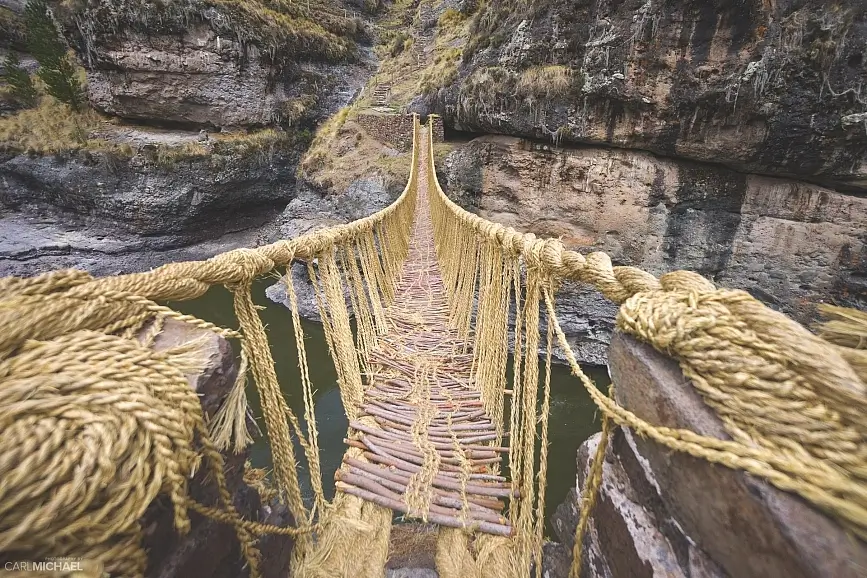
Local artisans construct the entire 28-meter (92 ft) span using only woven ichu (a tough Andean grass). The bridge hangs at an altitude of 3,700 meters above sea level (12,139 ft). It defies modern materials, proving the strength of natural fibers braided into thick cables called q’oya.
Walking across this Inca suspension bridge feels entirely different from standing on stone ruins. It sways with the wind and the rushing river below, demanding your full attention and respect.
The Qeswachaka Festival: Rebuilding the Last Inca Rope Bridge
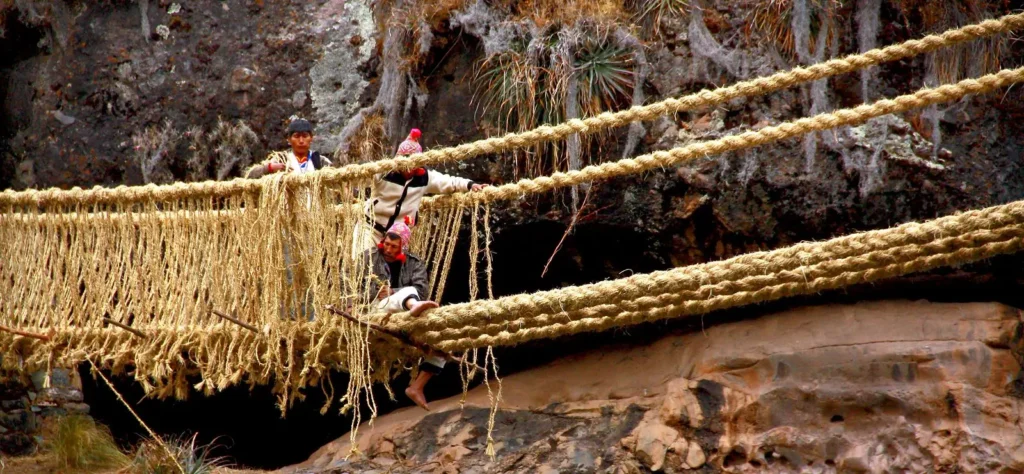
Every June, four Quechua communities—Huinchiri, Chaupibanda, Choccayhua, and Ccollana Quehue—gather for a three-day rebuilding ceremony. This event, known as the Qeswachaka festival, keeps the Qeswachaka tradition fiercely alive.
Locals cut down the decaying bridge and let it fall into the river below as an offering to the Pachamama (Mother Earth). Men and women work tirelessly, twisting the raw grass into sturdy ropes. The ritual finishes with a massive celebration featuring traditional music, regional dances, and local dishes like chiri uchu.
Watching the communities rebuild the last Inca rope bridge offers unparalleled insight into ancient Andean community labor, known as Minka.
How to Get to Qeswachaka Cusco
Locating the bridge requires a journey south of the imperial city. Understanding how to get to Qeswachaka involves planning for a 3.5 to 4-hour drive.
You take the paved road heading south towards Sicuani. At the town of Combapata, the route turns onto a winding dirt road leading up into the Q’ewe district. While public buses travel to Combapata, finding reliable onward transport to the canyon proves difficult. You often waste hours waiting for local shared taxis (colectivos) to fill up.
For a seamless experience, booking a Qeswachaka day trip guarantees safe transport. Most Cusco cultural tours provide private transportation, emergency oxygen tanks, and bilingual guides who bridge the language gap with the local Quechua speakers.
Things to Do Near Qeswachaka
Make the most of your journey by exploring the surrounding province. We highly recommend adding a few things to do near Qeswachaka to maximize your day trip.
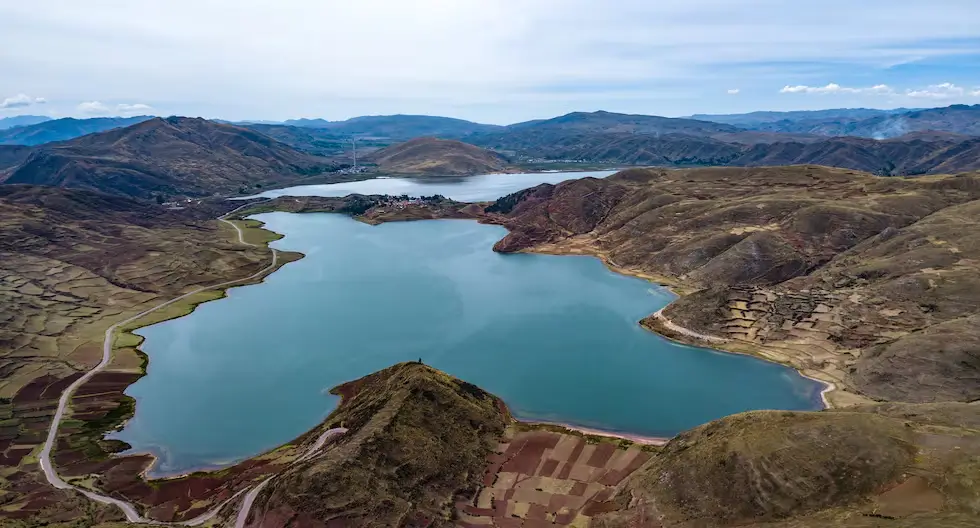
- The Four Lagoons Circuit: Stop at Pomacanchi, Acopia, Asnaqocha, and Pampamarca. These high-altitude lakes offer excellent birdwatching spots and tranquil picnic locations.
- Pabellones Volcano: A tiny geological anomaly located right near the main road in the Yanaoca district.
- Local Gastronomy: Taste fresh trout caught directly from the Pomacanchi lagoon or snack on tarwi (Andean lupin beans) sold by local vendors along the route.
Expert Tips for Visiting the Qeswachaka Bridge Peru
To make your Qeswachaka tour completely stress-free, follow these insider recommendations straight from our local guides:
- Beat the Altitude: You will reach 3,700 m.a.s.l. Acclimatize in Cusco for at least two full days before attempting this trip. Chew real coca leaves or bring Sorojchi Pills to prevent altitude headaches.
- Crossing Technique: The bridge sways heavily. Hold both handrails tightly, look straight ahead rather than down at the rushing water, and step only on the thickest reinforced bottom cables.
- Packing List: The Andean weather changes rapidly. Layer up. Bring a high-quality windbreaker, 50+ SPF sunscreen, a wide-brimmed sun hat, and cash in small denominations (Soles). You need exactly 20 PEN for the local entrance fee, plus extra for community handicrafts.
- Timing: Arrive before 10:00 AM. You avoid the fierce midday sun and the strong afternoon winds that make the Inca rope bridge Peru sway intensely.
Plan Your Visit to the Qeswachaka Bridge Today
Experiencing this living relic connects you directly to the ancestors of the Andes. You step away from standard tourist tracks, conquer the swinging ropes, and directly support the rural communities that keep this engineering marvel alive.
Ready to cross history? Book your specialized expedition with Peru Andes Discovery. Check out our expertly crafted itineraries and secure your spot to walk across the Qeswachaka bridge today!