Planning an Andean itinerary often triggers severe anxiety about altitude sickness and complicated transport logistics. You have limited days before your train to Machu Picchu, and guessing which Sacred Valley ruins actually matter leads to exhausting, rushed afternoons. You end up battling thousands of tourists just to snap a quick photo, staring at stone walls without grasping the monumental history behind them.
We designed this expanded Sacred Valley travel guide to give you total control over your route. We highlight the premier Sacred Valley archaeological sites, explain the engineering behind the stones, and show you exactly how to beat the heavy crowds.
Decoding the Best Ruins in the Sacred Valley
The Urubamba River cuts through a fertile corridor sitting hundreds of meters lower than Cusco. This strategic geography made it the breadbasket of the empire. Exploring these Inca sites near Cusco provides crucial context. You need to see these specific locations to truly understand Inca history Sacred Valley.
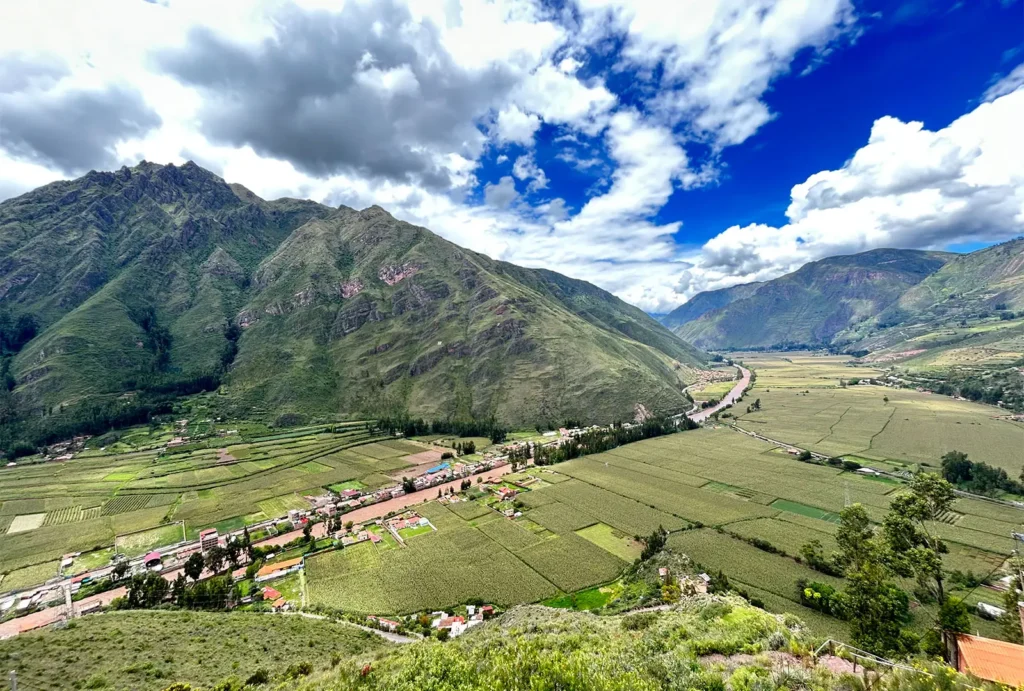
Pisac Ruins: Precision Engineering at Altitude
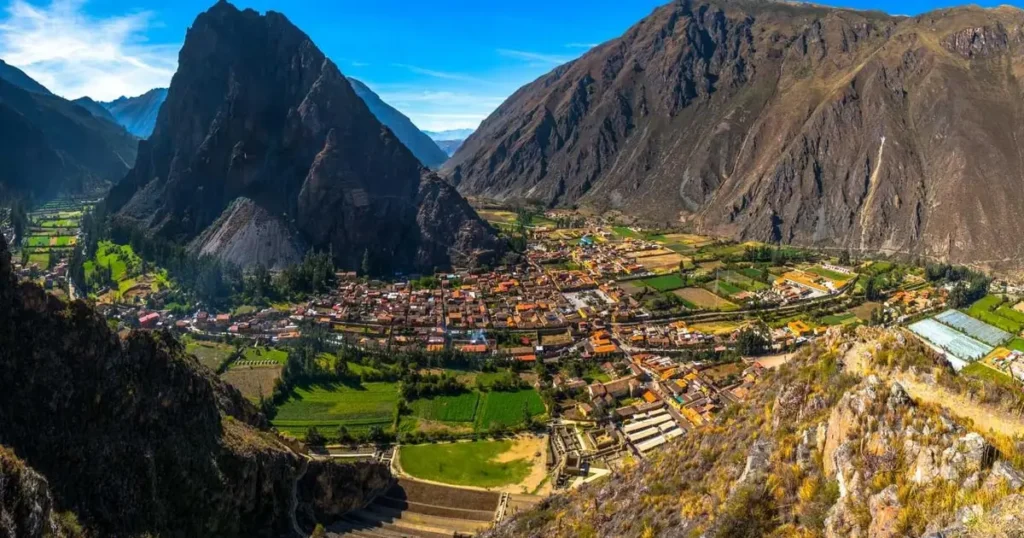
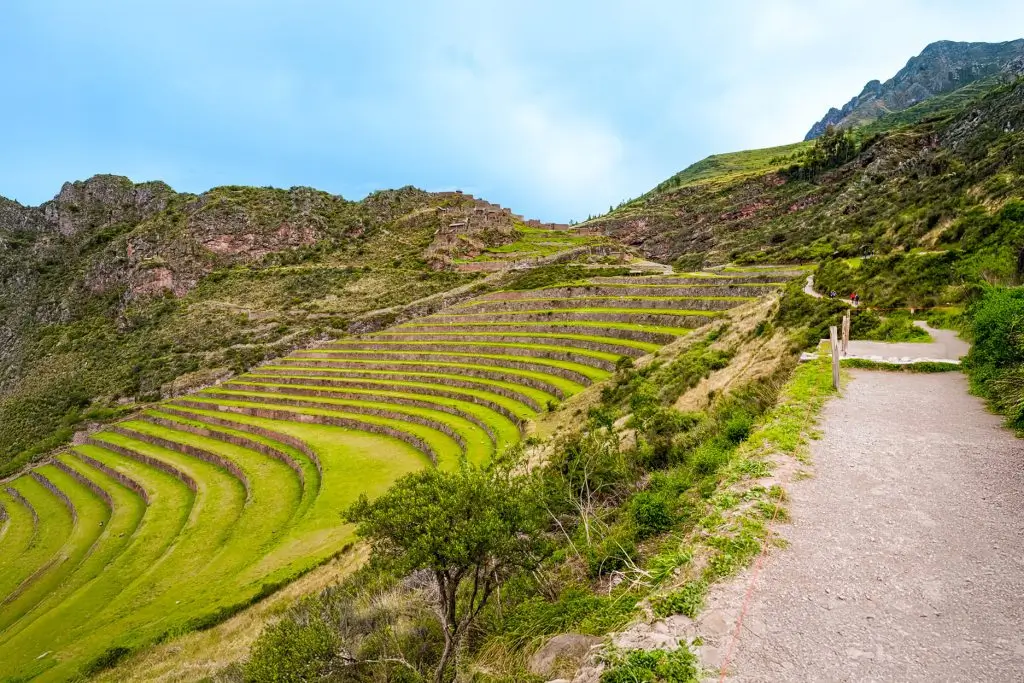
Sitting at 3,300 m.a.s.l. (10,826 ft), the Pisac archaeological park commands the eastern end of the valley. It features the largest known complex of agricultural terraces (andenes) in the region. Look closely at the mountain face behind the main complex. You will spot Tantanamarca, the largest pre-Columbian cemetery containing thousands of cliffside tombs.
Focus your time in the Intihuatana sector. Here, the Incas carved specific granite outcrops to track the sun’s movements for agricultural planning. The sheer drop-offs dictate a moderate technical difficulty if you hike down the steep mountain path to the town. Arrive by 8:00 AM to beat the massive tour buses arriving from the city.
Ollantaytambo Ruins: The Unconquered Stronghold
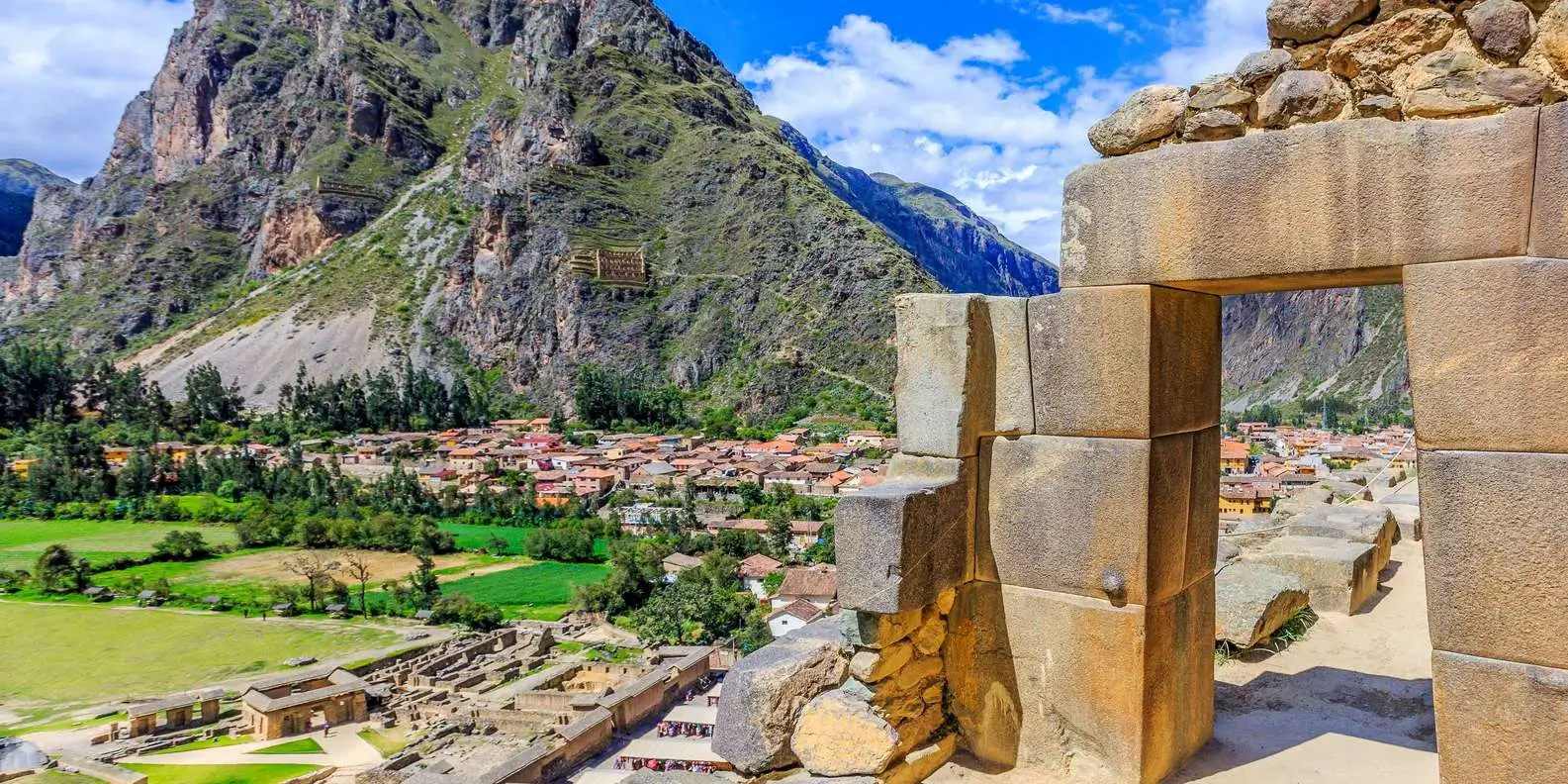
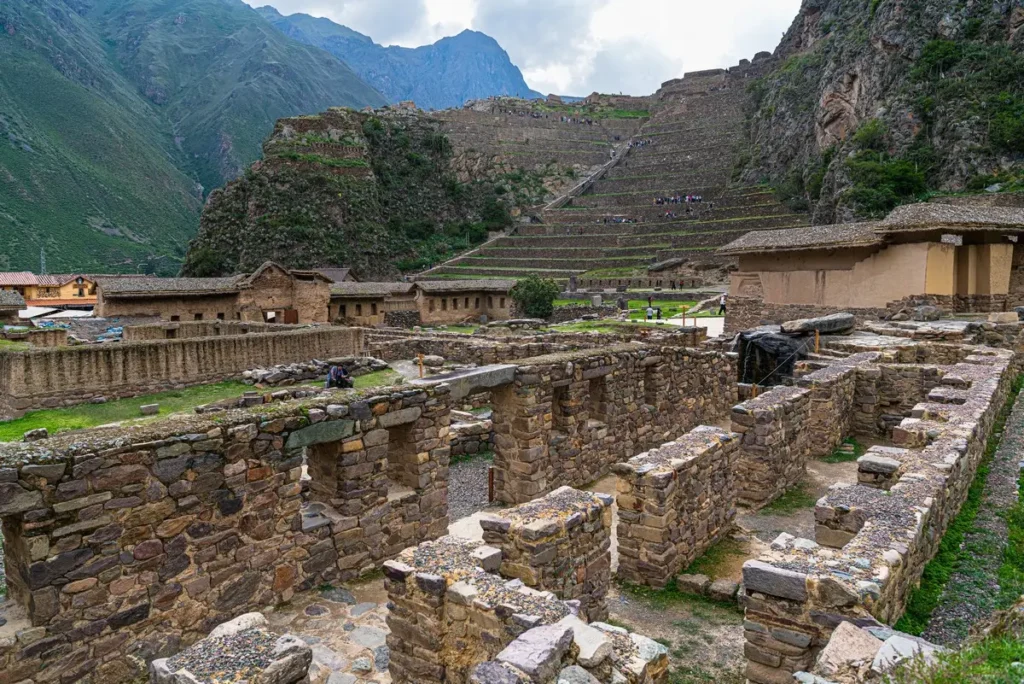
Guarding the western end lies the Ollantaytambo fortress, positioned at 2,792 m.a.s.l. (9,160 ft). This specific site witnessed a rare Inca military victory against Hernando Pizarro’s Spanish cavalry in 1536. Inca Manco flooded the plain below the terraces to trap the horses and secure the stronghold.
Climb the 200 steep stone steps to reach the Temple of the Sun. You will see massive pink rhyolite monoliths weighing up to 50 tons, dragged from the Cachicata quarry 5 kilometers across the valley. Since most tourists visit the Ollantaytambo ruins at 3:00 PM before catching the train to Aguas Calientes, exploring right at opening time (7:00 AM) guarantees a quiet, powerful experience.
Moray Archaeological Site: The High-Altitude Greenhouse
The Moray archaeological site (3,500 m.a.s.l. / 11,482 ft) breaks the standard mold of Inca military and religious architecture. Instead of defensive walls, you find three massive amphitheater-like depressions carved into the earth. The Incas used these concentric circular terraces as a highly advanced agricultural testing ground.
The temperature difference between the top and bottom rings reaches up to 15°C (27°F). This thermal variation allowed Inca agronomists to simulate different microclimates. They adapted jungle crops like coca and high-altitude staples like quinoa to varying environments. The complex limestone drainage system underneath prevents the bottom rings from flooding, even during the heavy January rains.
Chinchero Ruins: Textiles and Colonial Superposition
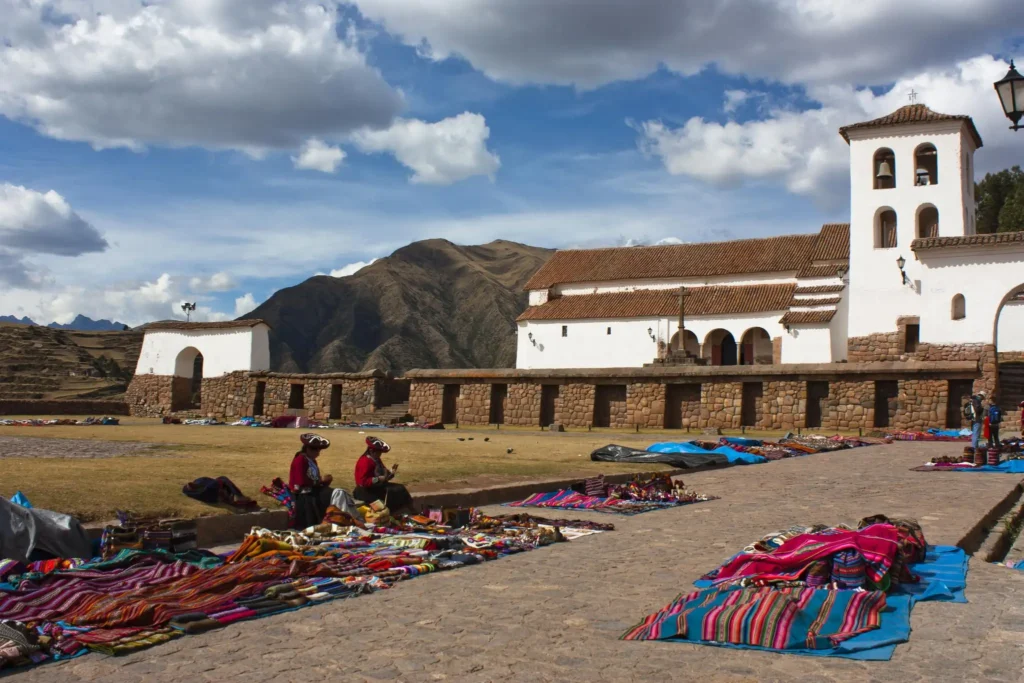
Positioned high on the plateau at 3,762 m.a.s.l. (12,342 ft), the Chinchero ruins served as the royal country estate of Inca Tupac Yupanqui. When the Spanish arrived, they built the colonial church of Monserrat directly over the original Inca palace foundations to visually assert their dominance.
Beyond the impressive polygonal stonework and vast agricultural terraces, Chinchero remains the textile capital of the region. Local Quechua weavers demonstrate ancient techniques daily. They wash raw sheep wool with saqta root (a natural Andean detergent) and dye it using cochinilla insects to achieve deep red colors.
How to Structure Your Sacred Valley Tour
Trying to pack all these Sacred Valley attractions into a single day guarantees burnout. The distances between sites are significant. Driving from Pisac to Ollantaytambo takes at least 90 minutes on a good day.
Split your itinerary. Dedicate one full day to the eastern side, covering Pisac and the local artisan markets. Spend a second day tackling the western circuit, which includes Chinchero, Moray, the Maras salt mines, and Ollantaytambo. This pacing keeps your energy high and allows you to actually absorb the history.
Expert Tips for Exploring the Inca Ruins in Sacred Valley
Mastering these top things to do in Sacred Valley requires local knowledge. Apply these exact tactics to upgrade your expedition:
- Acclimatization Strategy: The valley floor sits around 2,800 m.a.s.l., significantly lower than Cusco (3,400 m.a.s.l.). Head straight to the valley upon arrival at the airport to heavily reduce your altitude sickness risk.
- The Tourist Ticket Rule: You must buy the Boleto Turístico del Cusco (Circuit 3). It costs 70 PEN (partial ticket) and grants access to Pisac, Ollantaytambo, Chinchero, and Moray for two consecutive days. Bring exact cash in Soles; they do not accept credit cards at the gates.
- Weather and Gear Tactics: The dry season (May to October) guarantees strong UV rays but freezing shadows. Pack a layered system. Bring a trusted Gore-Tex windbreaker, a wide-brimmed hat, trekking poles with rubber tips, and SPF 50+ sunscreen.
- Authentic Local Bites: Skip the massive, overpriced tourist buffets in Urubamba. Ask your driver to stop at a local picantería. Order choclo con queso (giant Andean corn with fresh salty cheese) or a hearty chupe de quinua.
Plan Your Visit to the Sacred Valley Ruins Today
Exploring these ancient sites builds the necessary foundation for your entire Andean adventure. You trade confusion for absolute clarity when you understand the agricultural mastery of Moray and the defensive brilliance of Ollantaytambo. Checking off these premier Sacred Valley ruins requires a well-paced, intelligently designed itinerary.
Stop stressing over confusing public transport, aggressive taxi drivers, and strict ticketing rules. Contact Peru Andes Discovery to secure your expertly guided route. Explore our customized packages and let our local specialists lead you through the real Andean legacy.