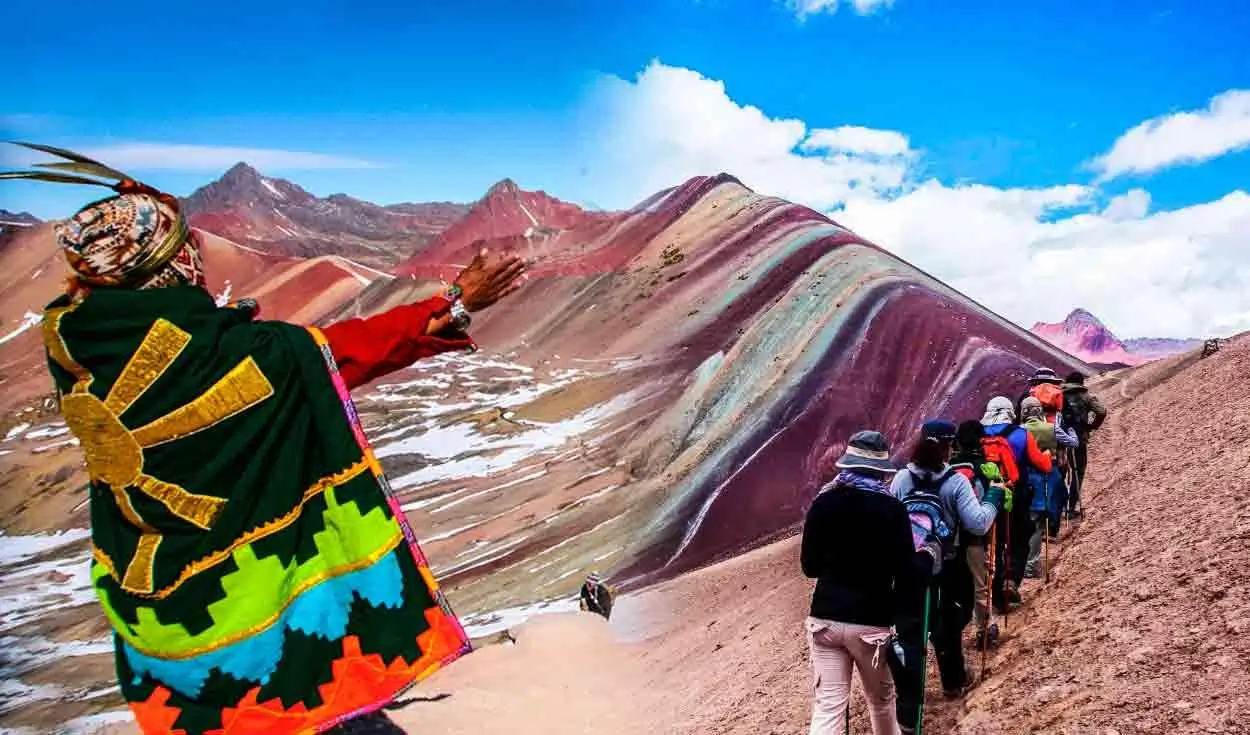
Oxygen comes up so often around Rainbow Mountain because the hike tops out at 5,036 m, higher than almost anywhere else travellers go in Peru. Supplemental oxygen can ease acute symptoms, but it isn’t a substitute for acclimatization, and not every operator carries it. Knowing what to ask before you book matters more than assuming it’s included. For the full picture of the day, see our complete Rainbow Mountain guide.
Why oxygen comes up on this particular hike
At 5,036 m, the air holds roughly half the oxygen available at sea level, and it’s common for travellers to feel real effects — breathlessness, fatigue, sometimes a headache or nausea. This is a normal response to the altitude, covered in more depth in Rainbow Mountain altitude, but it’s also exactly why the topic of oxygen support comes up so often when people research this specific hike, more than almost any other day trip in the Cusco region.
What supplemental oxygen does and does not do
Supplemental oxygen can ease the immediate symptoms of feeling short of breath or lightheaded at altitude by increasing the oxygen available to breathe in the moment. What it does not do is treat serious altitude illness or replace proper acclimatization beforehand — it’s a temporary aid, not a fix. If someone is showing signs of serious trouble, oxygen is not a reason to keep going rather than descend; it can help someone feel more comfortable while getting down, but descending remains the real treatment.
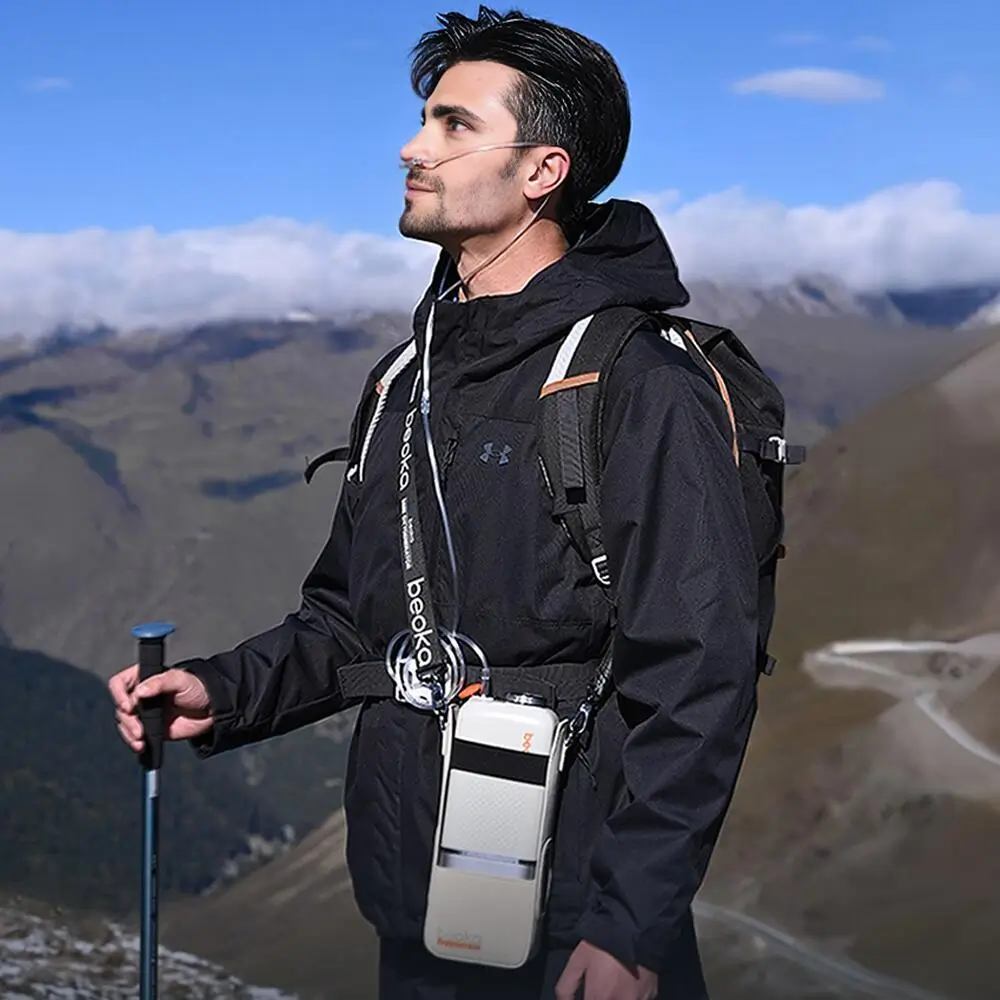
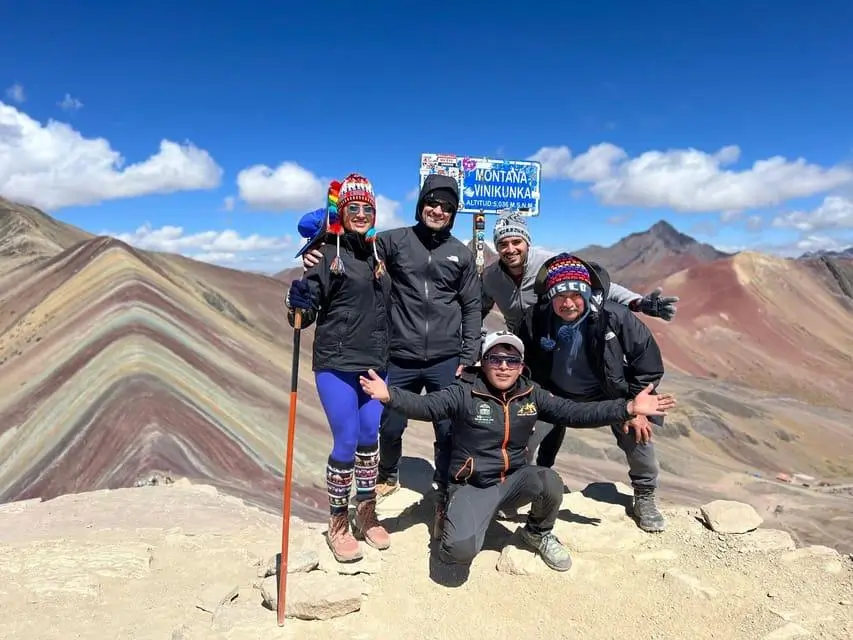
What to ask an operator before booking
Before booking any Rainbow Mountain tour, it’s worth asking directly whether the operator carries oxygen on the route, what their plan is if someone in the group struggles with the altitude, and what training their guides have in recognising altitude symptoms. A straightforward, confident answer to these questions is a reasonable sign of a well-prepared operator; vague or dismissive answers are worth taking seriously as a red flag.
| Question to ask | Why it matters |
|---|---|
| Do you carry oxygen on the route? | Confirms what support is available if needed |
| What’s your plan if someone struggles? | Shows whether the operator has a real protocol |
| What guide training exists for altitude symptoms? | Indicates how prepared your guide will be |
| What’s the guide-to-traveller ratio? | Affects how closely anyone struggling can be monitored |
Guide-to-traveller ratio and why it matters
A guide watching a large group has less capacity to notice one person quietly struggling than a guide with a smaller group or, better still, a private departure. If you’re travelling with someone who has health concerns, or you simply want closer attention on the day, it’s worth comparing group vs private Rainbow Mountain tours to see which setup suits your situation.
Recognising trouble in yourself and in others
Mild breathlessness and fatigue are expected at this altitude. What’s worth taking seriously — in yourself or in a travel companion — is a severe headache that doesn’t ease, confusion, loss of coordination, vomiting, or breathlessness that doesn’t improve with rest. Keep an eye on each other through the day, not just yourself, since some people struggle to recognise their own symptoms clearly at altitude. This is general information, not medical guidance — if anyone in your group has pre-existing health conditions, that’s a conversation to have with a doctor before the trip.
Descending: the only real treatment
If symptoms move beyond mild discomfort, descending to lower altitude is the one response that reliably helps. Oxygen can support someone on the way down, but it isn’t a reason to stay higher for longer or push toward the viewpoint despite worsening symptoms. A good guide will prioritise getting someone down over continuing the itinerary, and that’s exactly the response you want from whoever is leading your group. For what this looks like in more detail, see emergencies and evacuation on the route.
What to carry personally
Beyond whatever support your operator provides, come prepared yourself: proper acclimatization in the days beforehand (see acclimatization before Rainbow Mountain), plenty of water, warm layers, and a realistic sense of your own limits on the day. No amount of equipment substitutes for having given your body time to adjust before attempting a hike this high.
Once you’ve asked the right questions and prepared properly, our 1-day Rainbow Mountain tour is the way most of our travellers take on the hike, with a guide alongside them throughout the day.
FAQs
Do Rainbow Mountain tours carry oxygen?
This varies by operator. It’s worth asking directly before booking whether oxygen is carried on the route and what the plan is if someone struggles.
Can oxygen prevent altitude sickness?
No. Supplemental oxygen can ease symptoms in the moment, but it doesn’t replace proper acclimatization and isn’t a guarantee against altitude illness.
What should I do if I feel unwell on the hike?
Tell your guide immediately rather than pushing through. Mild symptoms are common, but anything severe — a bad headache, confusion, vomiting — should be taken seriously, with descending as the priority.
Is a private tour safer for altitude concerns?
A smaller group or private departure generally allows closer attention from your guide, which can matter if you or someone in your group has health concerns. See group vs private Rainbow Mountain tours for how the two compare.