
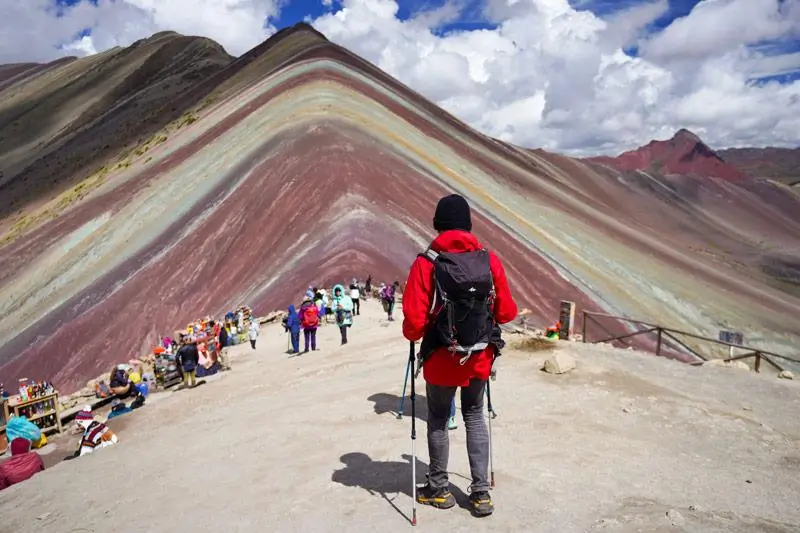
Eating and drinking right on a Rainbow Mountain day matters more than most travellers expect, because altitude changes how your body handles both. Light, easy-to-digest food before you start, steady water through the day, and realistic expectations about your appetite near the top all help you get through the hike in better shape. For the complete picture of the day, see our complete Rainbow Mountain guide.
Eating before a 5,000 m hike
Given the very early pickup most tours involve — see surviving the early start for what that morning looks like — breakfast happens at an hour your body isn’t used to eating. Even so, skipping it before hours of walking at close to 5,036 m is a mistake. Something light and easy on the stomach works better than a heavy meal, which can sit poorly both because of the early hour and because digestion slows at altitude.
What tours typically provide and what they do not
A full-day tour to Rainbow Mountain typically includes some food along the way, but exactly what’s provided varies by operator and package. Rather than assume, confirm what’s included when you book so you know what to bring yourself and what will be provided. Bringing your own snacks and enough water regardless of what’s included is the safer approach, since a day this physically demanding leaves little room for being caught short.
Snacks that work at altitude and ones that do not
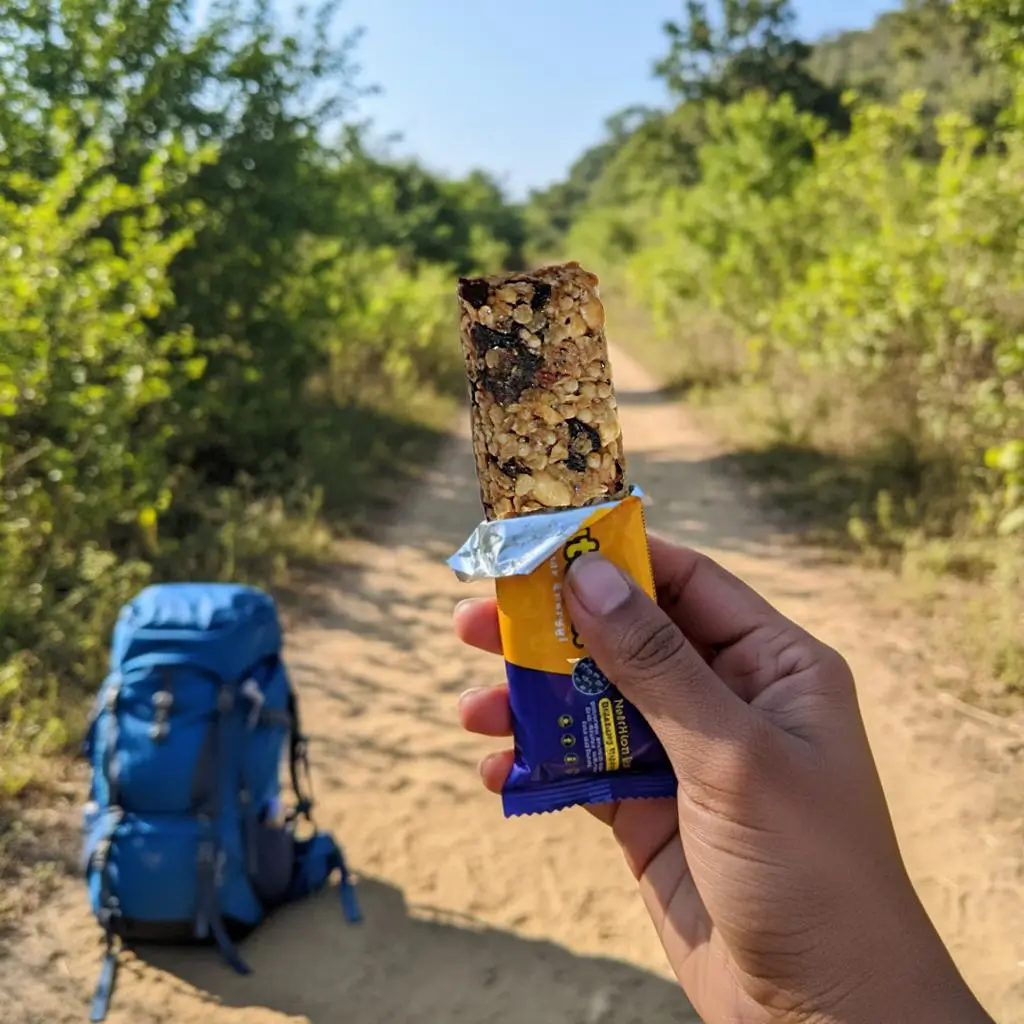
Simple, energy-dense snacks that don’t need much digestive effort tend to work best — things like nuts, dried fruit, or energy bars. Heavy, greasy, or very sugary food can sit uncomfortably when your body is already working harder than usual just to process oxygen. Small amounts eaten steadily through the day tend to go down better than one large snack.
How much water to carry
Altitude increases fluid loss through faster breathing, and dehydration makes altitude symptoms worse, not better. Carry more water than you think you’ll need, and drink steadily throughout the hike rather than only when you feel thirsty — by the time thirst kicks in at altitude, you’re often already behind.
| Guidance | Detail |
|---|---|
| Breakfast | Light, easy to digest, even at an early hour |
| Snacks | Nuts, dried fruit, energy bars — small and steady |
| Water | Carry more than usual; drink steadily, not just when thirsty |
| Heavy or greasy food | Best avoided — harder to digest at altitude |
Coca leaves and coca tea
Coca tea and coca leaves are widely used in the Cusco region and many travellers find them settling before and during a high-altitude hike. They’re easy to find in Cusco and are commonly offered as part of the local approach to altitude, though they’re not a substitute for proper hydration, pacing, or medical advice if you’re genuinely unwell.
Altitude and appetite: why you may not want to eat
It’s common to lose your appetite as you climb higher, even if you’d normally be hungry after hours of walking. This is a normal altitude response, not something wrong with you, but it’s still worth pushing yourself to eat small amounts regularly rather than skipping food entirely because you don’t feel like it. Going into a demanding physical day with nothing in your system makes altitude symptoms harder to manage, covered in more depth in Rainbow Mountain altitude.
Lunch on the way back
The return leg, after you’ve come back down from the viewpoint, is usually when appetite returns properly as you descend and your body starts recovering. This is typically when a fuller meal makes sense, rather than trying to eat much at the top itself. What exactly this looks like depends on your specific tour, so it’s worth confirming at the time of booking.
Once you know what to expect food and water-wise, our 1-day Rainbow Mountain tour covers the logistics of the day so you can focus on pacing yourself rather than guessing what’s provided. And if you’re wondering what else the day involves beyond eating and drinking, Rainbow Mountain: what to expect on the day and toilets and facilities on the route cover the rest of the practical details.
FAQs
Should I eat breakfast before such an early Rainbow Mountain pickup?
Yes. Even though the hour feels unnatural, something light before you leave helps fuel a demanding day. Skipping breakfast before hours of hiking at altitude isn’t a good idea.
How much water should I bring on the hike?
More than you’d normally carry for a similar walk at sea level. Altitude increases fluid loss, so drink steadily through the day rather than waiting until you feel thirsty.
Is it normal to lose my appetite near the top?
Yes, reduced appetite at high altitude is common and not a cause for concern on its own. Still, try to eat small amounts regularly rather than skipping food entirely.
Does coca tea actually help with altitude?
Many locals and travellers find it settling, and it’s widely used in the region. It isn’t a substitute for proper hydration and pacing, and it won’t resolve serious altitude symptoms on its own.