

October brings the first isolated rains to Machu Picchu, and they usually fall in the afternoon. Mornings are still mostly dry, so a morning entry slot keeps you ahead of the weather. In return you get fewer people and better availability, both for circuits and for Huayna Picchu. It is the last month of the dry season, not the start of the wet one. Visit in October if you want space and easier booking, and can accept a shower after lunch.
We run tours to Machu Picchu from Cusco every month of the year. For everything else about the visit, read our complete Machu Picchu guide. For how the seasons work across the whole year, read the best time to visit Machu Picchu. The neighbouring months have their own guides: Machu Picchu in September and Machu Picchu in November.
Machu Picchu in October at a glance
| October at Machu Picchu | |
|---|---|
| Season | Last month of the dry season |
| Weather | Mostly dry mornings, isolated afternoon showers |
| Crowds | Moderate, lighter than in the peak months |
| Ticket availability | Better than in the peak, for circuits and for Huayna Picchu |
| Huayna Picchu | 400 permits a day, still worth reserving 2 to 4 months ahead |
| Altitude | 2,430 m (7,972 ft), almost 1,000 m below Cusco |
| Opening hours | 6:00 AM to 5:30 PM, entry by assigned time |
| Guide | Licensed guide mandatory since 2024 |
Our seasonal data puts the end of the dry season in October or November. October sits at that edge, and the change shows first in the afternoons. For the country-wide picture, read Peru in October.
Weather and visibility in October
October is not wet, but it is no longer fully dry. The pattern of the day is what changes.
Mostly dry mornings. The day usually opens clear or lightly clouded. Views across the citadel are good, and the stone is dry underfoot early on. This is the part of the day to plan around.
Isolated afternoon showers. The first rains of the new season arrive, and they tend to come after midday. They are scattered, not constant. Some afternoons stay dry, and some bring a short shower or a build-up of cloud. This is not the downpour of January or February.
Mild at the citadel. Machu Picchu is lower and warmer than Cusco, at 2,430 m (7,972 ft) against 3,399 m (11,152 ft). Dawns are cool, middays are pleasant when the sun is out and cloud cools the afternoon.
What this means for visibility:
- Morning views are the safest bet. Cloud tends to build later in the day.
- Afternoon views are less predictable. They can be clear or hazy.
- The 2.5-hour guided tour gives you a window. A morning slot puts the whole visit ahead of the usual shower time.
This is the month where the hour of your entry matters most. Read morning vs afternoon entry for the full trade-offs. In October, the simple rule is to take a morning slot and keep the afternoon flexible.
Crowds and ticket availability this month
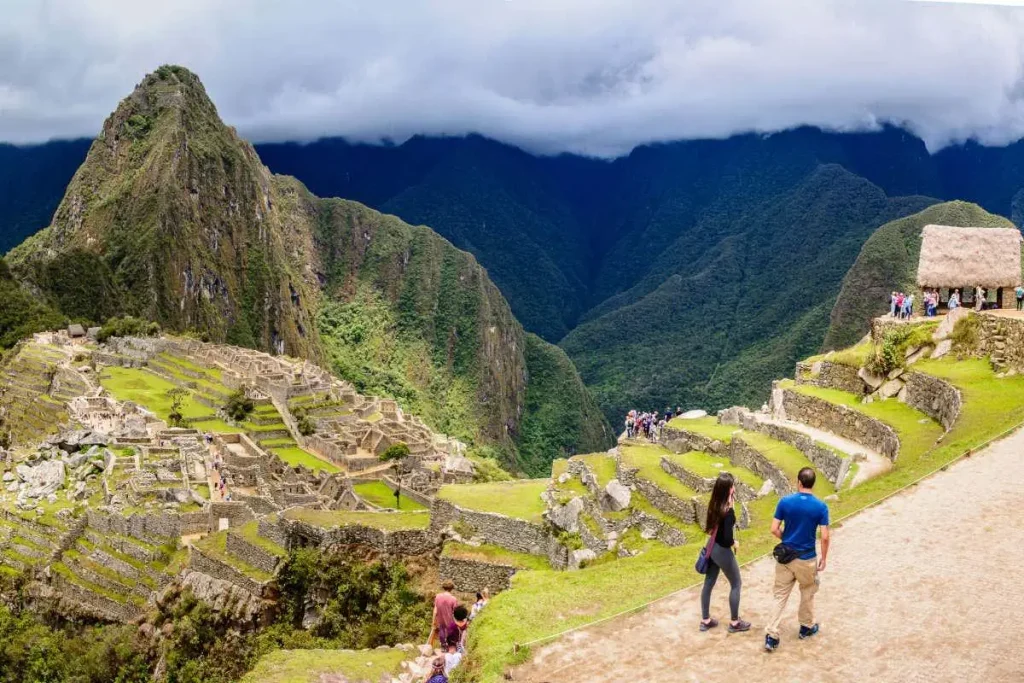
October is quieter than the dry-season peak. Crowds are moderate, lighter than in June, July or August, with no single week that spikes. You share the paths with fewer people, and the queues are shorter.
The bigger change is availability. In the peak months, our rule is to book three months ahead from June to August. October has more room, and that applies to two things in particular:
- Circuits. Your ticket is tied to a circuit, and in October you have a better chance of getting the route you want on the date you want. Read how to buy Machu Picchu tickets for the process.
- Huayna Picchu. Permits are easier to find than in the peak. There are still only 400 a day, in two groups, so we advise reserving 2 to 4 months ahead in any month. Easier does not mean unlimited.
We do not publish daily quotas or month-by-month availability, because we do not have an official figure we can stand behind. We describe the pattern, not a number.
Three practical points:
- Book once your dates are fixed. Entry is by assigned time, and the morning slots you want are the first to go.
- Your passport is required for the train and for entry. Photocopies are not accepted, and the name on your ticket must match it exactly.
- A guide is mandatory. A licensed guide has been required since 2024, so a ticket alone does not get you through the site.
Getting there this month: train, bus and trail conditions
The route to the site is the same all year:
- Road: Cusco to Ollantaytambo is 1.5 hours by private vehicle.
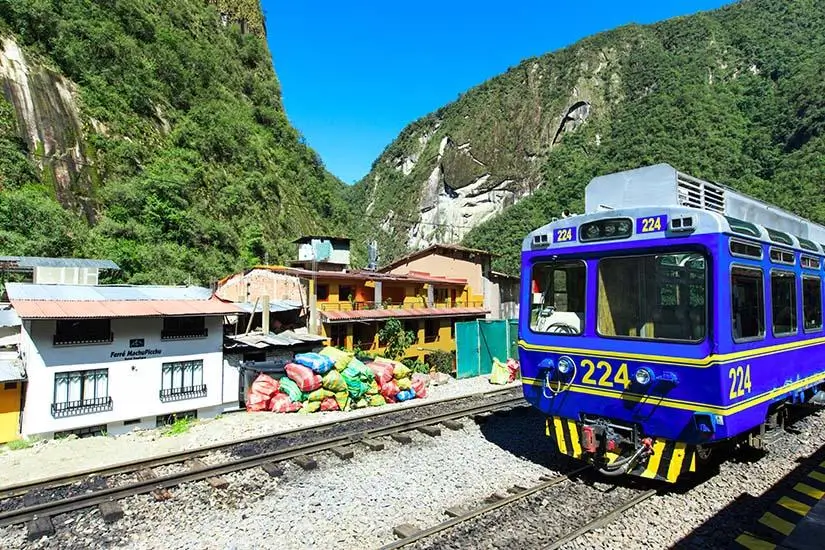
- Train: Ollantaytambo to Aguas Calientes takes 1 hour 40 minutes in Expedition class. Vistadome is available as an upgrade.
- Bus: The CONSETTUR bus from Aguas Calientes to Machu Picchu takes 30 minutes and leaves every 10 minutes.
That is 3 hours 40 minutes each way before waiting and queues.
October carries low weather risk. The showers are isolated, and heavy rain is not the pattern. Disruption to roads or the railway is far less likely than in the wet season, but the rains are returning, so do not plan as if it were July. A spare day after your visit is cheap insurance, and so is travel insurance, which we recommend on every trip.
Lines are shorter. The bus and the gate move faster than in the peak, and you find more choice of train departures. Book your train with the rest of your trip anyway.
The Inca Trail is open. It closes in February and reopens in March, so it is available in October. Confirm availability and permits for your dates before you buy flights, and bring rain gear for the afternoon showers.
If you have two days, our 2-day Machu Picchu tour from Cusco starts from $635 per person. October’s lighter crowds suit a short trip, and a morning visit keeps you ahead of the showers. Ask us how the days would be arranged around your entry time.
On the ground. Paths and steps are dry in the morning and can be wet after a shower. Wear shoes with grip. If you hold a Huayna Picchu permit, the climb takes 1.5 hours up and 1 hour down, and wet stone makes it harder. Start early.
What the citadel looks like in October
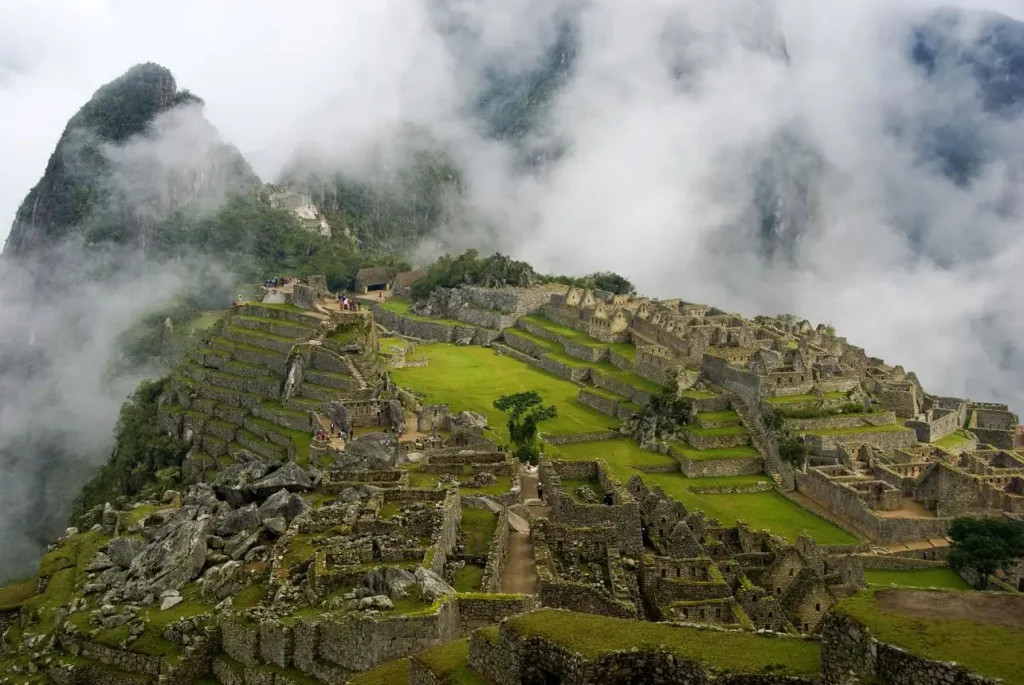
October shows Machu Picchu in transition, quiet and changeable.
- Open morning views. The terraces, the peaks and the valley are clear early in the day.
- Building cloud in the afternoon. Clouds gather over the ridges, and the light changes. Photographers often like this.
- Dry grass beginning to freshen. The first showers take dust off the site, and the landscape starts to look less parched.
- Room to move. Groups are fewer, so you can stop for a photograph without being swept along.
- A calm feel. The site is less crowded than in July, and the pace is easier.
Machu Picchu was built around 1450 and abandoned before the Spanish conquest. In October, with a clear morning and clouds gathering later, the site shows two moods in one day. A licensed guide is mandatory, and the guided visit takes 2.5 hours. Ask your guide to take the open views first, while the morning holds.
If you want a second look, a second visit adds a hedge against a cloudy hour. On our 14-Day Peru Mystic Tour, the first visit is guided for 2.5 hours and the second, on another day, is free. The price is not published, so write to us at info@peruandesdiscovery.com to ask about availability.
What to wear and bring
Pack for a clear morning and a possible afternoon shower.
- A light waterproof jacket or poncho. Showers are isolated, but they happen, and they come in the afternoon.
- A warm layer for the first slots. A fleece or light jacket you can remove as the day warms.
- Sun protection. Bring a hat, sunglasses and sunscreen. Clear spells at altitude are strong.
- A cover for your daypack. A sudden shower should not soak your camera.
- Shoes with grip. Stone is slippery after a shower.
- A reusable water bottle. Dry air still dehydrates you quickly.
- Dry bags or a waterproof sleeve for your phone and passport. Your passport is required for the train and for entry, so keep it dry.
Machu Picchu is lower and warmer than Cusco, so you will be mild more than cold. Layers you can add and remove work better than one heavy coat.
Is this a good month for you?
October is a good choice if you:
- want fewer people and more choice of tickets
- want a better chance at a circuit or a Huayna Picchu permit than in the peak
- can take a morning slot and keep the afternoon free
- are happy with a small chance of a shower
October is a poor choice if you:
- need guaranteed dry skies all day, because the afternoons can bring rain
- can only visit in the afternoon, when the showers are most likely
- want the very quietest visit of the year, which belongs to the rainy months
Rainbow Mountain in October works if you start early, because the first rains tend to fall in the afternoon. Read Rainbow Mountain in October if you are planning to combine the two.
If you choose October, the 6-day Cusco and Machu Picchu tour starts from $1,420 per person and includes a private professional guide, private ground transport and pickup from your hotel or the airport. With a private guide, you can start early, finish before the afternoon showers and keep the rest of the day free. Send us your dates, and we will tell you what October looks like for your visit.
Frequently asked questions
Is October a good time to visit Machu Picchu?
Yes. October is the last month of the dry season, with mostly dry mornings, moderate crowds and easier ticket availability. The first isolated showers arrive, usually in the afternoon.
Does it rain at Machu Picchu in October?
Sometimes. The first rains of the year are isolated and usually fall in the afternoon. Mornings are mostly dry, so choose a morning entry slot and bring a light rain layer.
Is Machu Picchu crowded in October?
Less than in the peak months. Crowds are moderate and availability is better. Entry is still by assigned time, so book once your dates are fixed.
Is it easier to get Huayna Picchu permits in October?
Easier than in the peak, but still limited. There are only 400 permits a day, in two groups, so we advise reserving 2 to 4 months ahead in any month.