

August at Machu Picchu is dry, windy and busy from the first day to the last. The sun is strong at midday, the wind picks up across the terraces and visitor numbers stay high all month, with no quiet week to count on. Entry is by assigned time, and August is still inside our three-month booking rule, so book early. Visit in August if you want reliable dry weather and can accept the crowds. If you can move your dates, September gives you the same skies with fewer people.
We run tours to Machu Picchu from Cusco every month of the year. For everything else about the visit, read our complete Machu Picchu guide. For how the seasons work across the whole year, read the best time to visit Machu Picchu. The neighbouring months have their own guides: Machu Picchu in July and Machu Picchu in September.
Machu Picchu in August at a glance
| August at Machu Picchu | |
|---|---|
| Season | Deep in the dry season |
| Weather | Dry, windy, strong midday sun |
| Crowds | High and sustained through the whole month |
| Ticket availability | Tight. Book three months ahead |
| Huayna Picchu | 400 permits a day, among the first things to sell out |
| Altitude | 2,430 m (7,972 ft), almost 1,000 m below Cusco |
| Opening hours | 6:00 AM to 5:30 PM, entry by assigned time |
| Guide | Licensed guide mandatory since 2024 |
The three clearest months of the year are May, June and July. August follows them with the same dry skies, and adds wind and a long, steady crowd. For the country-wide picture, read Peru in August.
Weather and visibility in August
Three things define the weather in August: the dry air, the wind and the sun.
Dry and clear. Rain is very unlikely, cloud is rare and the stone is dry underfoot. Views across the citadel are open at most hours, and you do not need to wait for a break in the weather.
Windy. This is what separates August from the months before it. The wind blows across the exposed terraces and the high ridges, and it makes a cool morning feel cooler. It also lifts dust, so dry paths can be gritty.
Strong midday sun. Machu Picchu is lower and warmer than Cusco, at 2,430 m (7,972 ft) against 3,399 m (11,152 ft). Clear skies at altitude burn quickly, and the sun at midday is hard to ignore, especially in the open with little shade.
What this means for your visit:
- Visibility is not the concern. Every slot has good views.
- Comfort is. The wind and the midday sun decide how pleasant a slot feels.
- Early and late slots tend to be gentler. The sun is lower and the air is cooler at the edges of the day.
For the trade-offs between hours, read morning vs afternoon entry. In August, the honest advice is to take the best slot you can actually get, then dress for wind and sun.
Crowds and ticket availability this month
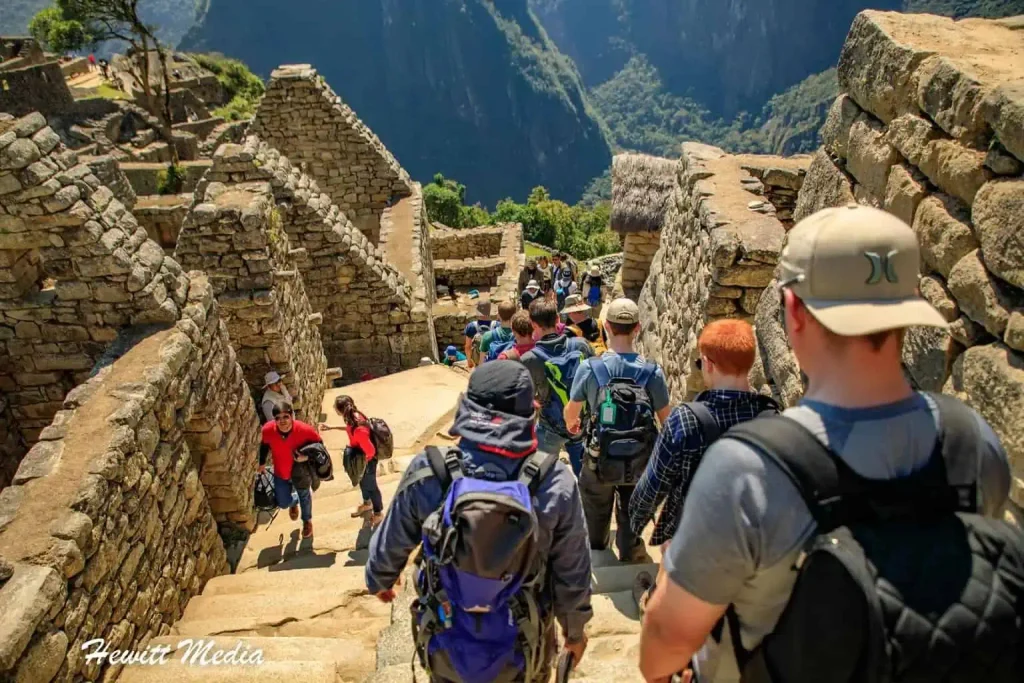
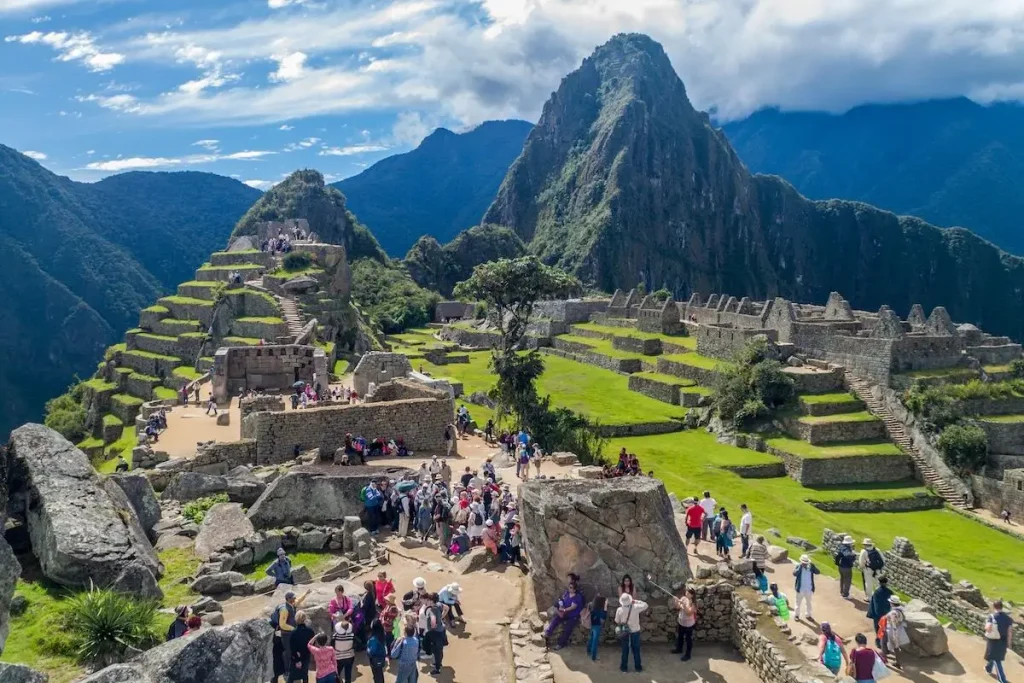
August stays at the high end of the scale, and its crowds are steady. The peak in July and around Inti Raymi in June comes with visible spikes. In August the pressure does not spike. It lasts. You share the paths, the trains and the queues with a constant stream of visitors, with no quiet week to count on.
For tickets, our rule is firm: book three months ahead from June to August. August is inside that window. We do not publish daily quotas or month-by-month availability, because we do not have an official figure we can stand behind. We describe the pattern, not a number.
What sells out first:
- Huayna Picchu permits. There are 400 a day, in two groups. We advise reserving 2 to 4 months ahead in any month, and August is no exception.
- The slots most visitors want. They go before the rest.
- The first days of the month. They can run tight, because they follow the national holidays of late July. Book those dates earlier than the rest.
Two practical points:
- Your passport is required for the train and for entry. Photocopies are not accepted, and the name on your ticket must match it exactly.
- A guide is mandatory. A licensed guide has been required since 2024, so a ticket alone does not get you through the site.
August also opens with Pago a la Tierra on 1 August, a traditional offering to the Earth held in the Cusco region. It is not a Machu Picchu event, but it is one of the most important dates in the Andean calendar, so it can add to demand for hotels in Cusco on those days. For the ticket process, read how to buy Machu Picchu tickets.
Getting there this month: train, bus and trail conditions
The route to the site is the same all year:
- Road: Cusco to Ollantaytambo is 1.5 hours by private vehicle.
- Train: Ollantaytambo to Aguas Calientes takes 1 hour 40 minutes in Expedition class. Vistadome is available as an upgrade.
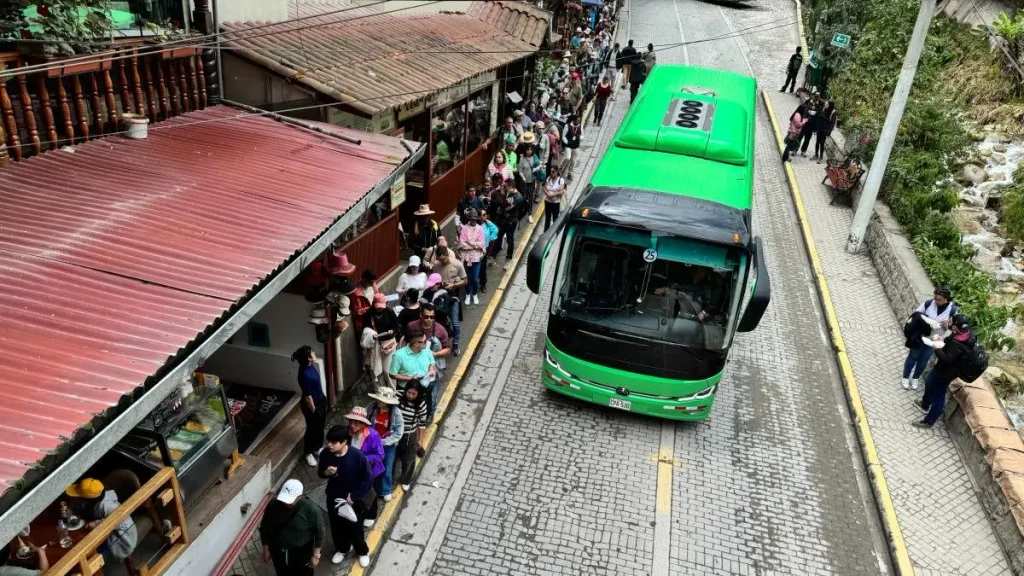
- Bus: The CONSETTUR bus from Aguas Calientes to Machu Picchu takes 30 minutes and leaves every 10 minutes.
That is 3 hours 40 minutes each way before waiting and queues.
The risk in August is capacity, not weather. The dry season means landslides and rain are very unlikely to disrupt your journey. What tightens is seats and the length of the lines. Trains fill earliest, so book yours with the rest of your trip, and do not leave it to the last weeks. Allow extra time between the bus and your entry slot, and have your passport ready at the gate.
The Inca Trail is open. It closes in February and reopens in March, so it is available in August. Demand for trekking is high in the dry season, so confirm availability and permits for your dates before you buy flights.
If you have two days, our 2-day Machu Picchu tour from Cusco starts from $635 per person. In a month this busy, ask us how the days would be arranged around your entry time, and book early.
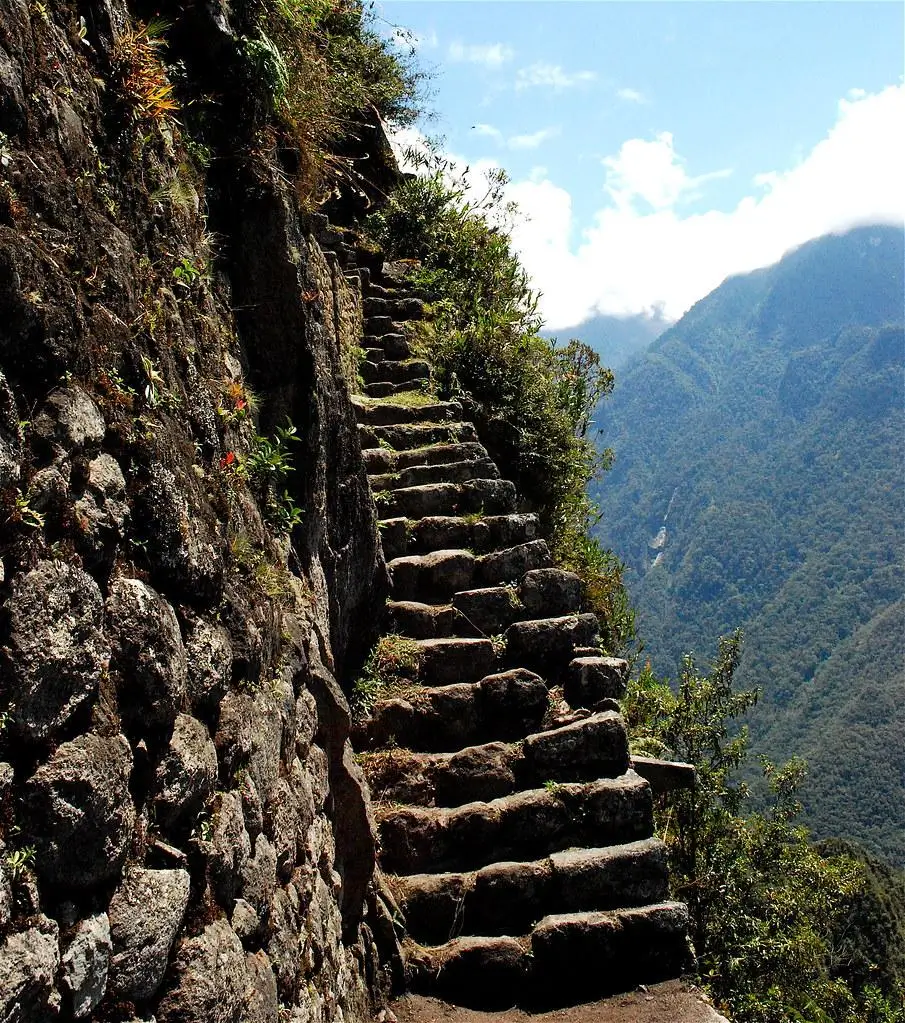
On the ground. Paths and steps are dry, and dust can make stone slippery. Wear shoes with grip. If you hold a Huayna Picchu permit, the climb takes 1.5 hours up and 1 hour down. Bring a hat with a strap, because the wind will find it.
What the citadel looks like in August
August shows Machu Picchu dry, sharp and well visited.
- Open views across the whole site. The terraces, the peaks and the valley are clear from most vantage points.
- Dry, golden-toned grass. The green of the rains has faded, and the hillsides are at their driest.
- Hard light at midday. The sun is strong and the shadows are sharp, which defines the stonework but flattens colour.
- Wind on the terraces. The upper levels are exposed, and the breeze is steady.
- A steady flow of visitors. Groups move along the paths all day, so photographs without people take patience and an early slot.
Machu Picchu was built around 1450 and abandoned before the Spanish conquest. In August, with the air clear and dry, the site is easy to read, but you share it with many others. A licensed guide is mandatory, and the guided visit takes 2.5 hours. Ask your guide to pause where the view opens, because the crowd will move on.
If one crowded visit feels too short, a second visit is a good answer. On our 14-Day Peru Mystic Tour, the first visit is guided for 2.5 hours and the second, on another day, is free. That structure suits a month this busy, because you can choose a quieter hour for the second visit. The price is not published, so write to us at info@peruandesdiscovery.com to ask about availability.
What to wear and bring
Pack for wind, dust and strong sun, and for a cool start.
- A windproof shell. The wind is the defining feature of the month, and a shell is more useful than a rain jacket.
- A warm layer for the first slots. A fleece or light jacket you can remove as the day warms.
- A hat with a strap. Wind takes loose hats off the terraces.
- Sun protection. Bring sunglasses and sunscreen. Clear skies at altitude are strong.
- A buff or scarf to cover your nose and mouth when the wind lifts dust.
- Lip balm and moisturiser. Dry, windy air cracks skin quickly.
- Shoes with grip. Dry stone and dust can be slippery.
- A reusable water bottle. Dry air dehydrates you faster than you expect.
- Your passport, in an easy-to-reach, dry pocket. It is required for the train and for entry.
For the complete list, including the coast and the altitude, read our Peru packing list.
Is this a good month for you?
August is a good choice if you:
- want dry, reliable weather
- have fixed dates, often because of school or work holidays
- can book three months ahead
- accept steady crowds and higher prices
August is a poor choice if you:
- want a quiet, unhurried visit
- are booking late, because slots and Huayna Picchu permits go first
- dislike wind and dust, which are most noticeable on the exposed terraces
- can move your dates, because September offers similar weather with more room
Rainbow Mountain in August is also dry, but the trail is dusty, windy and busy. Read Rainbow Mountain in August before you commit to it.
If you choose August, the 6-day Cusco and Machu Picchu tour starts from $1,420 per person and includes a private professional guide, private ground transport and pickup from your hotel or the airport. In a month with steady crowds, a private guide and private transport let you start early, before the midday sun and the heaviest crowds. Send us your dates, and we will tell you what August looks like for your visit.
Frequently asked questions
Is August a good time to visit Machu Picchu?
Yes, if you want dry, reliable weather and accept steady crowds and high prices. August is dry and windy, with a strong midday sun. If you want similar skies with fewer people, September is better.
Is it windy at Machu Picchu in August?
Yes. August is dry and windy, especially on the exposed terraces and ridges. Pack a windproof shell, a hat with a strap and a buff for dusty paths.
Is Machu Picchu crowded in August?
Yes. Crowds are high and sustained through the whole month, with no quiet week. Entry is by assigned time and sells out, and Huayna Picchu has only 400 permits a day.
How far ahead should I book Machu Picchu for August?
Book three months ahead. Reserve Huayna Picchu 2 to 4 months ahead, because it is among the first things to sell out. The first days of the month can run tighter, so book those dates earlier.