
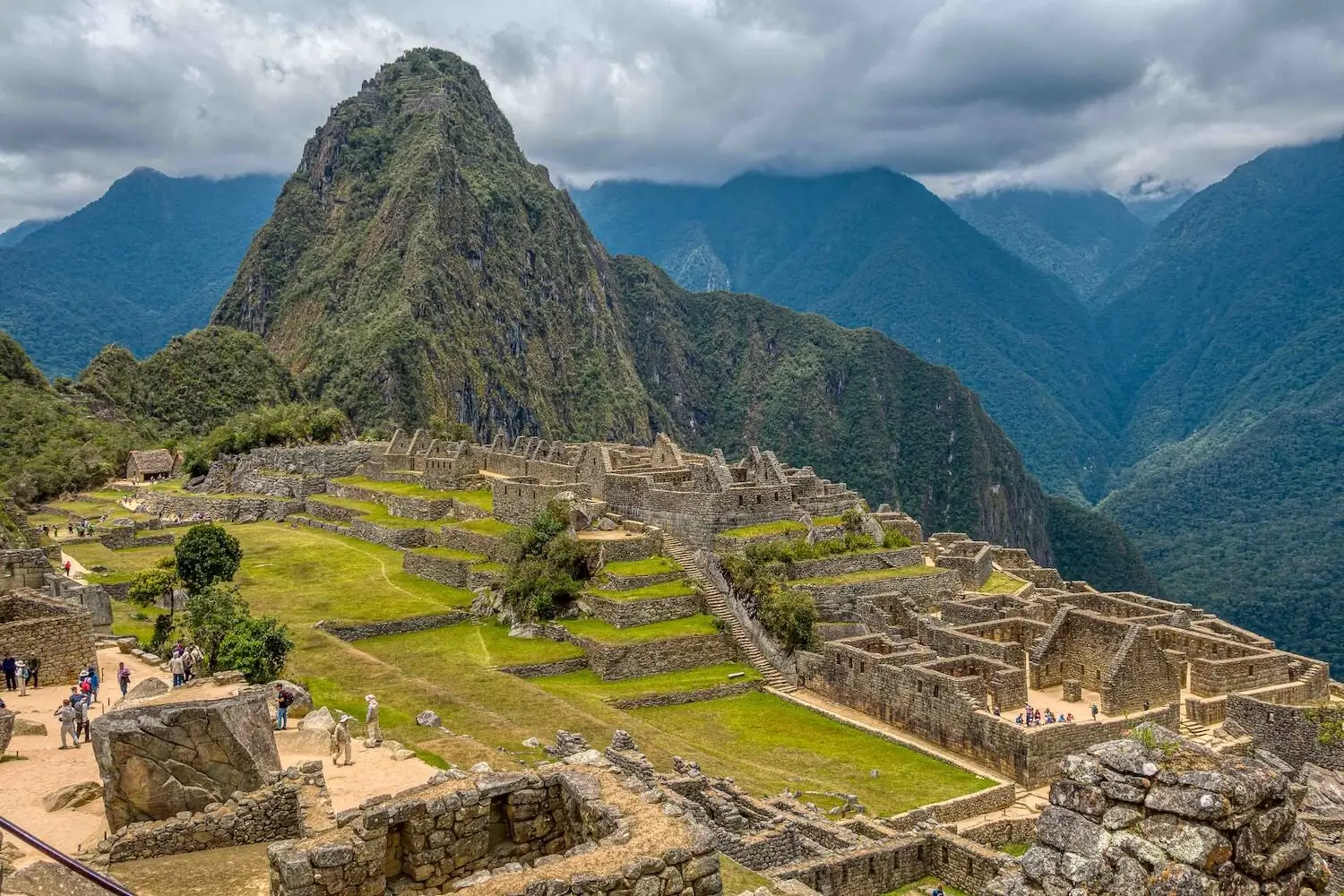
The best time to visit Peru is May to September. The Andes are dry, the skies over Machu Picchu are at their clearest, and every trail and train runs normally. May, June and July are the clearest months of all. If you want fewer people and lower prices, aim for April, September or October, when the weather is still mostly dry. The rainy season runs from November to March. It is greener, quieter and cheaper, but wetter. The right month depends on what you are willing to trade: weather, price or crowds.
We are a Cusco-based operator and we run these trips ourselves. If you are still choosing a route, start with our full guide to Peru tour packages. Then come back here to fix your dates.
This guide covers all 12 months, the festivals that move prices, and the booking windows that matter. Each month in the table links to a full article with more detail.
Peru has three climates, not one
Peru is not one weather map. It is three, and they do not agree with each other.
The coast. Lima sits at sea level on a desert coastline. Its calendar runs against the Andes. The grey, overcast months fall during the highland dry season, and the sunnier months fall during the highland rains. If your trip starts or ends in Lima, do not judge the rest of the country by Lima’s sky.
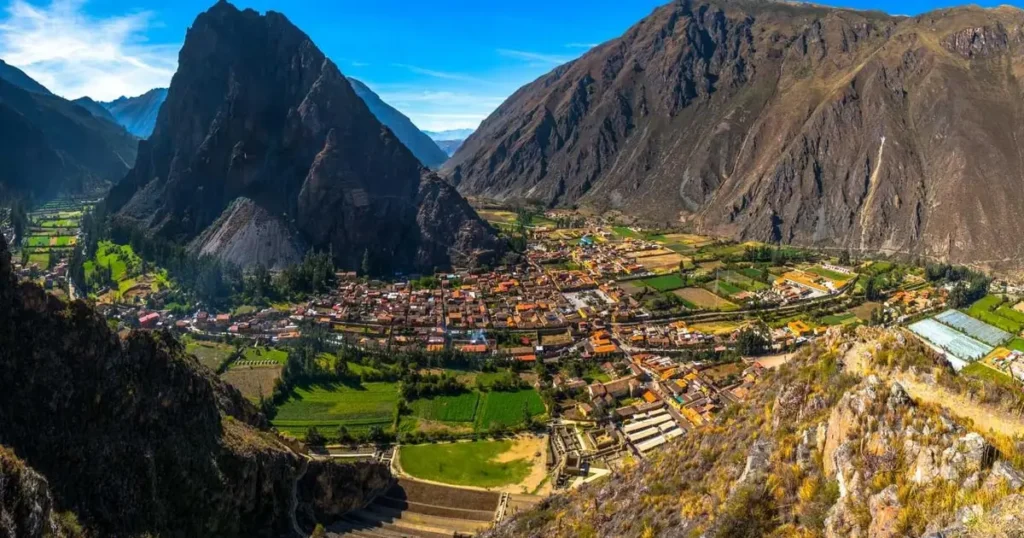
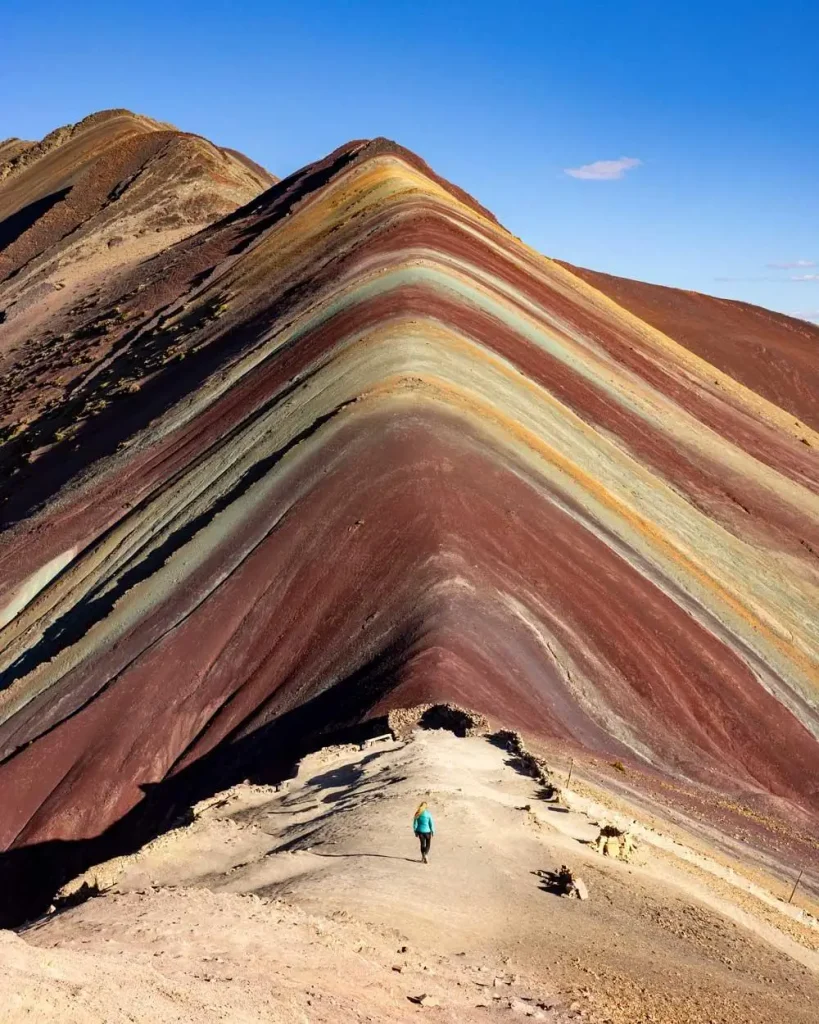
The highlands. Cusco is at 3,399 m (11,152 ft). The Sacred Valley sits at about 2,800 m. Vinicunca, the Rainbow Mountain, rises to 5,036 m. Here the year splits cleanly into a dry season and a rainy season. Days are bright in the sun, and nights are cold. The gap between the two grows wider in the dry months. When people say “the best time to go to Peru”, this is the climate they usually mean.
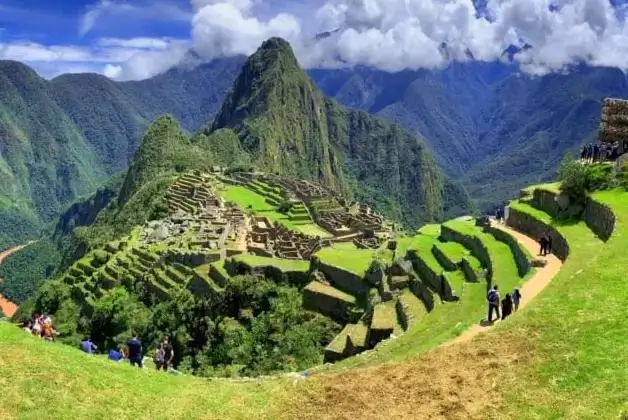
The cloud forest edge. Machu Picchu is at 2,430 m (7,972 ft), almost 1,000 m below Cusco. It is lower, warmer and more humid. Morning mist is normal there. A shower can reach you even in a dry month.
Three things follow from this.
- Season labels describe the highlands. Plan around the region where you will spend most of your days.
- You will pack for several climates in one trip. Layers matter more than any single jacket.
- Altitude is part of the weather question. A route that starts at sea level and climbs gives your body time to adjust. That is how we build our longer itineraries, and it is why we schedule a rest day in Cusco early in the trip.
The dry season: April to October
The dry season runs from April or May to October or November. These are the best conditions of the year, with the most people and the highest prices. The three clearest months are May, June and July.
It helps to split the dry season into three phases, because they feel very different.
Early dry season: April and May. The rains have just ended, so the landscape is still green. April is a transition month, and Holy Week lifts demand for a few days. May is one of the best months to travel. The skies are clear, the hills keep their residual green, and you avoid the crowding of June. If you photograph, May is hard to beat.
Peak dry season: June, July and August. This is Peru at its most popular. Skies are clear, but nights in the highlands are very cold. June brings Inti Raymi on the 24th and the highest demand of the year. July holds the national holidays on the 28th and 29th, with the highest prices and crowds. August stays busy, but it turns dry and windy, with strong sun at midday.
Late dry season: September and October. Crowds fall while the weather stays good. September offers one of the best ratios of good weather to few people in the whole year. October brings the first isolated showers, usually in the afternoon. In exchange you get good prices and moderate crowds.
The dry season has real costs. Machu Picchu entry is by assigned time slot, and the busiest months fill up. Huayna Picchu permits run out. Cusco hotels fill around the big festivals. If you are weighing price against weather, read high season vs low season in Peru. It sets out what you pay for in each season.
The rainy season: November to March
The rainy season runs from November or December to March or April. It is green, quiet and cheaper. It also carries more risk of rain, and that risk is the main trade-off.
The year moves through the season like this.
- November: The rains begin. Early showers are isolated and tend to arrive in the afternoon. Prices are falling.
- December: The rains are established, and the landscape is green. Crowds are very low, except around Christmas.
- January: Heavy rain, the greenest landscape of the year, and very few people.
- February: The wettest month. Trails turn to mud, and rail disruptions are a risk.
- March: The rain eases, though the countryside is still green.
Four practical points matter before you commit to these months.
The Inca Trail closes in February. It shuts for maintenance every year. Machu Picchu itself stays open, and you reach it by train. If the classic trek is your reason for coming, avoid February. The trail reopens in March.
Mornings can be dense with mist. At Machu Picchu, cloud often hangs over the ruins early in the day and lifts later. Plan for this with a flexible schedule, not a single fixed window.
Rainbow Mountain suffers most. Snow on the summit can cover the colours that make the hike worth doing. The risk is highest from December to February. If Vinicunca is the main reason for your trip, go in the dry season.
The upside is real. Fewer people, lower prices, a lush landscape and easier availability. Many travellers who come in the rains say they would do it again.
For a fuller account of what stays open, what changes and what looks better, read travelling Peru in the rainy season.
Month by month, at a glance
This table gives the picture for all 12 months. Weather describes the highlands, where most itineraries spend their time. Each month links to its own article.
| Month | Sierra weather | Crowds | Price level | Main festival |
|---|---|---|---|---|
| January | Heavy rain, greenest landscape | Very low | Low | New Year in Cusco |
| February | Wettest month of the year | Very low | Low | Carnival |
| March | Rain easing, still green | Low | Low to moderate | None major |
| April | Turning dry, still green | Moderate, with a Holy Week spike | Moderate | Holy Week |
| May | Dry, clear skies, residual green | Moderate to high | Moderate to high | Cruz Velacuy, Qoyllur Rit’i |
| June | Dry, clear, very cold nights | Peak | Peak | Inti Raymi (24 June) |
| July | Dry, clear skies | Peak | Peak | Fiestas Patrias (28-29 July) |
| August | Dry and windy | High | High | Pago a la Tierra (1 August) |
| September | Dry | Dropping | Moderate to high | None major |
| October | Mostly dry, isolated showers | Moderate | Good value | None major |
| November | Rains begin | Low | Dropping | Todos los Santos (1-2 November) |
| December | Rains established, green | Low, busier at Christmas | Low | Christmas, Santurantikuy |
Read the table in three bands.
January to March is the green window. You get the fewest people and the lowest prices. You also get the most rain and the Inca Trail closure.
April and May, plus September and October, are the compromise windows. The weather is mostly dry, and the crowds are manageable. They are the best answer if you want a good trip without paying peak prices.
June to August is the peak. The skies are clear and the nights are cold. Everything costs more, and everything needs to be booked earlier.
November and December sit between the bands. The rains arrive, prices drop, and the landscape turns green again.
Choosing by priority: weather, price or quiet
You cannot win on all three. Pick the one that matters most, and the rest follows.
If weather is your priority
Go from May to July, the three clearest months. Choose May if you can. You get the clear skies of the dry season and the green left by the rains, without the crowds of June and July. If you must go in June or July, expect very cold nights in the highlands and book early.
If price is your priority
Go from November to March. This is the lowest price band of the year, outside Christmas week. October is the best-value month in the dry season: mostly dry weather at lower prices. Accept that you are trading weather for cost, and plan around the rain.
If quiet is your priority
Go in September or October. September gives you dry weather with falling crowds, and many travellers overlook it. April and early May also work, though Holy Week breaks the calm. January and February are the quietest months of all, with the heaviest rain.
If you are choosing by trip type
- Machu Picchu first: May to September gives the clearest skies. October is a good second choice.
- Rainbow Mountain first: Go in the dry season. Avoid December to February, when snow is most likely to cover the colours.
- A long, multi-region route: The best months depend on how long you can stay. Read how many days you need in Peru before you fix a date.
If you can only travel in the wetter months, choose a route with slack built in. Our 14-Day Peru Mystic Tour starts at sea level and includes a rest day in Cusco on day 5. It also includes two visits to Machu Picchu: a guided visit of 2.5 hours on the first day and a free visit on the second. If mist covers the ruins on one morning, you get a second chance. Groups start at two people, with 3-4 star hotels.
The festivals that should shape your dates
Peru’s festivals are worth planning around. They are some of the best things to see, and they also change prices and availability. Several move from year to year, so check the calendar for your travel year before you book flights.
- January: New Year in Cusco. The city celebrates, and you are still in the rainy season, so crowds stay low.
- February: Carnival. Cusco celebrates it during the wettest month. The date moves each year.
- April: Holy Week. Cusco holds processions, including the Señor de los Temblores. Demand rises for a few days, even in a quiet month. The date moves each year.
- May: Cruz Velacuy and Qoyllur Rit’i. Cruz Velacuy is the festival of the cross. Qoyllur Rit’i is a pilgrimage in the Ausangate region. The pilgrimage moves each year, so confirm the date when you book.
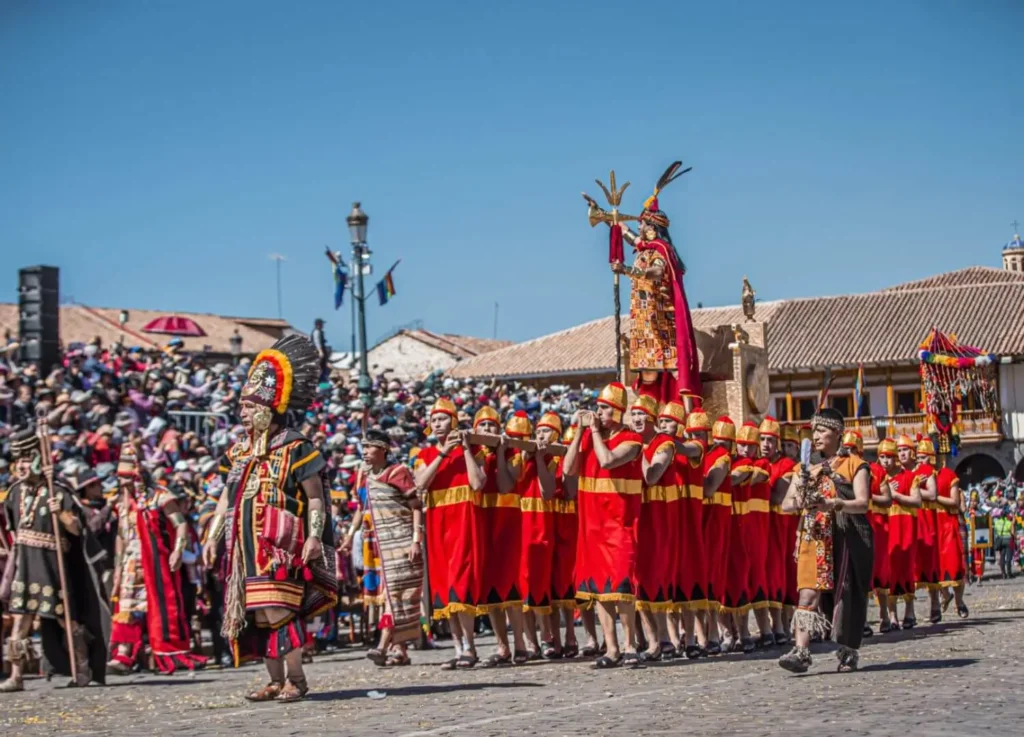
- 24 June: Inti Raymi. This is the Inca festival of the sun, staged in and around Cusco. It brings the highest demand of the year. Book with three months’ notice.
- 28 and 29 July: Fiestas Patrias. Peru’s national holidays. July is already the most expensive month, and this week lifts demand further.
- 1 August: Pago a la Tierra. A traditional offering to the Earth. The day falls in the dry, windy season, which is still high season.
- 1 and 2 November: Todos los Santos. The rainy season is just beginning, and prices are falling.
- December: Christmas and Santurantikuy. Cusco hosts its Santurantikuy market. Demand rises in the last week of the month. Outside that week, December is quiet.
A festival is not a reason to avoid a month. It is a reason to book earlier, or to arrive with a plan. If you want to see Inti Raymi, you need to commit months ahead. If you want to avoid it, shift your trip to May or September.
When to book for each season
How early you book matters as much as when you travel.
June to August: book three months ahead. Machu Picchu entry is by assigned time slot, and the busiest weeks sell out first. Huayna Picchu has 400 permits a day, split into two groups. The climb takes 1.5 hours up and 1 hour down. Reserve it 2 to 4 months ahead. A guide is mandatory at Machu Picchu, and a licensed guide has been required since 2024.
April, May, September and October: book early anyway. These are the compromise months, so they are the ones many people target. You will find more room than in July, but not unlimited room. Holy Week and the weeks around Qoyllur Rit’i need earlier action than the months around them.
November to March: you have more flexibility. Entry is easier to secure at short notice, and prices are low. The exception is the last week of December, when Christmas lifts demand at Machu Picchu. If you want the Inca Trail, remember that it is closed in February.
Some booking rules do not change with the season.
- Your passport is required to board the train and to enter Machu Picchu. Photocopies are not accepted.
- The name on your ticket must match your passport exactly. Check this before you pay.
- Flights are not included in any of our packages. Domestic and international flights are separate, so book them alongside your tour. The Lima to Cusco flight takes about 1 hour 20 minutes, and LATAM, Sky and JetSmart fly it.
- Carry cash in Peruvian soles (PEN). US dollars are accepted, but at a worse exchange rate.
For a fuller timeline, read when to book your Peru tour.
When you have chosen your month, pick a route to match. The 10-day Cusco, Puno and Lima tour covers the highlands and the coast in one trip. The 6-day Cusco and Machu Picchu tour starts from $1,420 per person and includes a private professional guide. Send us your dates at info@peruandesdiscovery.com and we will tell you what is available.
Frequently asked questions
What is the best month to visit Peru?
For most travellers it is May. The Andes are dry, the skies are clear, and the landscape is still green from the rains. May, June and July are the clearest months. May is usually quieter than June and July.
Is it worth visiting Peru in the rainy season?
Yes, if you accept rain as part of the trip. From November to March you get green landscapes, fewer people and lower prices. The trade-offs are muddy trails, cloud over the views, the Inca Trail closed in February, and a higher chance of snow covering Rainbow Mountain’s colours.
When is the cheapest time to visit Peru?
The rainy season, from November to March, has the lowest prices and the fewest people. Christmas week is the exception. October gives good value with mostly dry weather.
How far ahead should I book a Peru trip?
For June to August, book about three months ahead, because Machu Picchu entry and Huayna Picchu permits sell out. Huayna Picchu has 400 permits a day, so reserve it two to four months ahead. In the rainy season you have more flexibility, except in Christmas week.