
Rainbow Mountain sits at 5,036 m, well above Cusco’s 3,399 m, and going straight there without time to adjust is the single biggest reason travellers have a miserable day on the trail. A few days spent easing into altitude first — starting in Cusco, then working up gradually — makes a real difference to how the hike feels. For the full picture of the day itself, see our complete Rainbow Mountain guide.
Why Rainbow Mountain should never be your first day
Landing in Cusco and heading straight for a 5,036 m hike the next morning is asking your body to adjust twice as fast as it needs to. Cusco itself, at 3,399 m, is already a significant jump for most travellers arriving from sea level, and the body needs time just to settle at that altitude before adding another 1,600 m on top of it. Rushing this sequence doesn’t save you time in any way that matters — it just means a harder, less enjoyable hike, and a higher chance of altitude symptoms getting in the way of the views you came for.
If Rainbow Mountain is part of a longer trip, see adding Rainbow Mountain to a package for how to sequence it properly against Machu Picchu and the rest of your itinerary.
A realistic timeline: day one to day four in Cusco
There’s no single correct number of days — how quickly someone adjusts varies from person to person — but a general pattern that works for most travellers looks like this: the first day or two in Cusco are for resting and taking it easy, not sightseeing hard. By day three or four, most people are moving more comfortably and ready for a moderate outing. Rainbow Mountain fits best after that stretch, once you have a sense of how your body is responding to 3,399 m.
If you’re short on time, a few days is still better than none. If you have more flexibility, giving yourself extra time before the hike only helps. For what those first days in the city should actually involve, see your first 48 hours in Cusco.
| Stage | Altitude | Purpose |
|---|---|---|
| Days 1-2 in Cusco | 3,399 m | Rest, hydrate, let your body adjust |
| Sacred Valley outing | approx. 2,800 m | Gentle activity at a lower altitude |
| Days 3-4 in Cusco | 3,399 m | Short walks, gauge how you feel |
| Rainbow Mountain day | 5,036 m | Once you’re moving comfortably at 3,399 m |
Warm-up outings that help
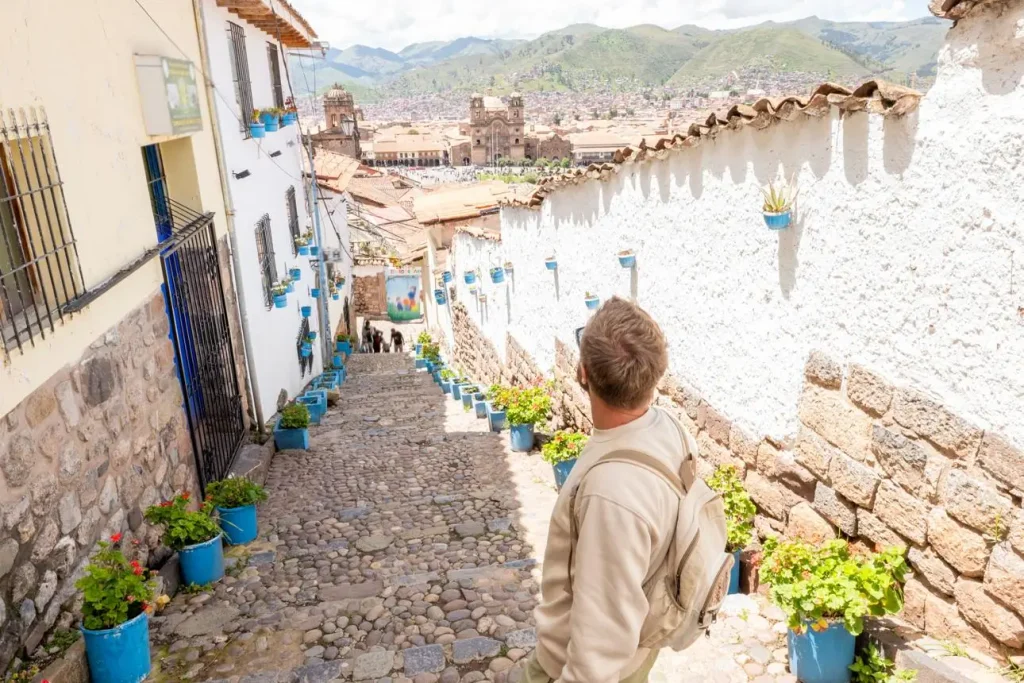
Short walks around Cusco, a gentle outing to nearby ruins, or a relaxed day that keeps you upright and moving without pushing hard all help your body adapt. The goal isn’t exercise for its own sake — it’s giving your system practice functioning at altitude before asking more of it. Avoid anything strenuous in these early days; a hard hike too soon can set you back rather than help.
The Sacred Valley as a stepping stone
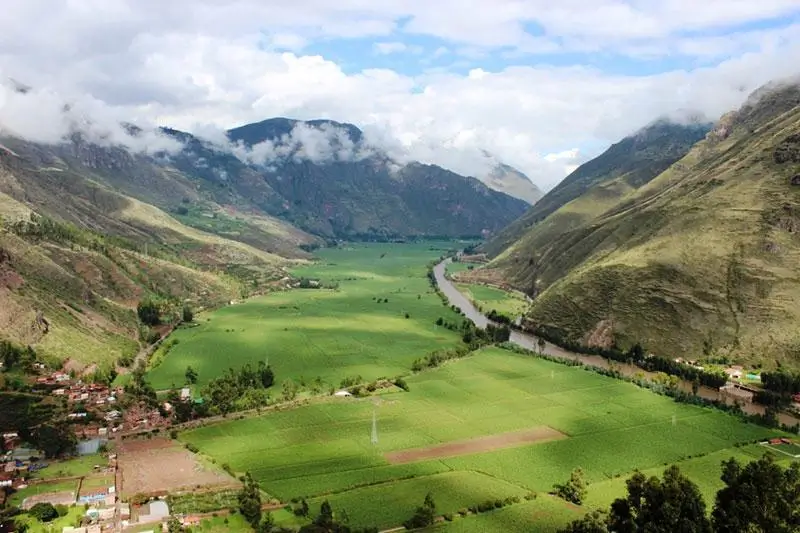
Interestingly, the Sacred Valley sits lower than Cusco, at around 2,800 m. A day trip there is a useful way to stay active while actually giving your body a slight break from the city’s altitude, before you head higher again for Rainbow Mountain. The Sacred Valley full-day tour works well slotted in during this early stretch of a trip — active enough to keep you moving, gentle enough not to set back your acclimatization.
Sleep, food and alcohol in the days before
Altitude adjustment is easier when you give your body the basics it needs: proper sleep, regular meals, and plenty of water. Alcohol makes acclimatization harder and dehydrates you faster at altitude than it would at sea level, so it’s worth going easy on it, particularly in the first couple of days and the night before Rainbow Mountain itself. None of this guarantees a symptom-free day, but it stacks the odds in your favour.
Signs you are not ready yet
If you’re still short of breath doing very little, sleeping poorly, or feeling persistently unwell by day three or four in Cusco, that’s a signal to give yourself more time rather than push ahead on schedule. For a full breakdown of what’s a normal adjustment versus something to take seriously, Rainbow Mountain altitude covers what to expect on the day itself and where the line sits. This article isn’t medical advice — if you have ongoing symptoms or health concerns, that’s a conversation for a doctor, ideally before you travel.
Fitting it into a multi-day itinerary
If your trip is built around a fixed number of days in Cusco, it’s worth deciding early where Rainbow Mountain sits in the sequence rather than leaving it to chance. Comparing it against a lower-effort alternative is also worth doing if you’re unsure it’s the right fit — see Rainbow Mountain vs a Sacred Valley day trip for how the two stack up.
Once you’ve given yourself proper time to adjust, our 1-day Rainbow Mountain tour is the way most of our travellers do the hike — ideally a few days into their trip, not the first thing off the plane.
FAQs
How many days should I spend in Cusco before Rainbow Mountain?
There’s no fixed number that works for everyone. A few days of easing in — resting early on, then a moderate outing or two — gives most people a reasonable base. If you have more time, use it; adjustment speed varies from person to person.
Can I do Rainbow Mountain on my first day in Peru?
It’s best avoided. Cusco’s own altitude of 3,399 m already takes time to adjust to, and adding another 1,600 m on day one significantly increases how hard the hike will feel.
Does the Sacred Valley help with acclimatization?
It can. At around 2,800 m, it’s lower than Cusco, so a day trip there keeps you active without adding altitude stress, which fits well into an early-trip schedule.
What if I still feel unwell after a few days in Cusco?
That’s a sign to give yourself more time rather than push ahead on a fixed schedule. If symptoms persist or feel serious, speak with a doctor rather than relying on general guidance.