Travelling solo in Peru works well, and the main planning question isn’t whether it’s safe — it is, with the same common sense you’d use anywhere — but how you’re roomed and priced compared to a couple or a group of friends. Our packages run with groups from 2 people, so a solo traveller either joins other travellers on the same departure or books the trip on their own; either way, private transport and a private guide (on our 6, 7 and 8-day itineraries) mean you’re never navigating logistics alone. Below, we cover how joining a group actually works, what “single supplement” means and what to ask about it, and why altitude specifically is easier with company.
Travelling Peru alone: what actually works
Solo travel in Peru is common, and the parts that matter most — getting between cities, reaching Machu Picchu, navigating Cusco’s altitude — are the same whether you’re one person or six. Every one of our packages includes hotel or airport pickup and private ground transport for the length of the tour, so you’re not solo-managing taxis, train stations, or bus terminals in an unfamiliar city.
What changes when you’re solo is mostly about people, not logistics: who you eat dinner with, who you split a room with, and whether you’d rather have company on a long travel day or not. Our full guide to Peru tour packages breaks down every itinerary length if you’re still deciding which one fits your trip.
Joining a small group departure
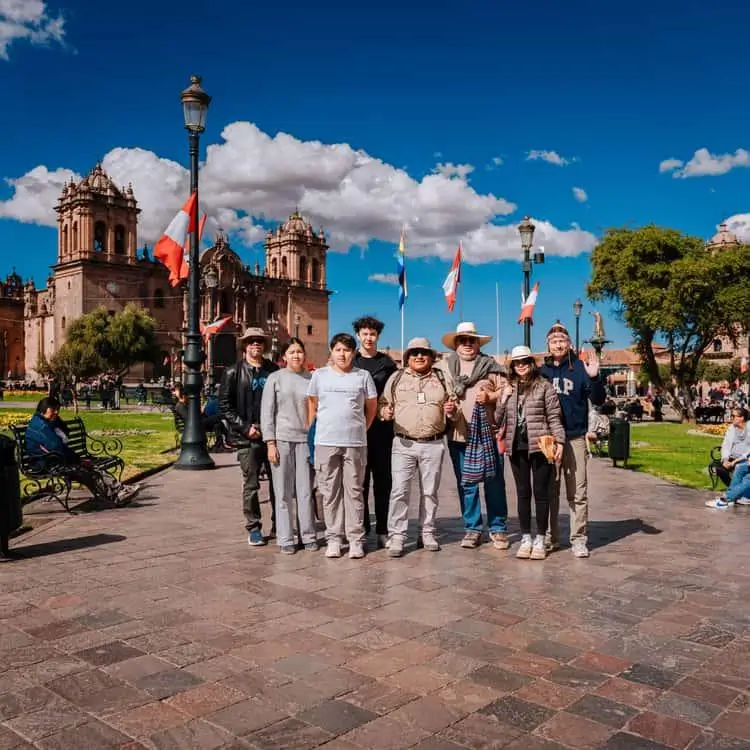
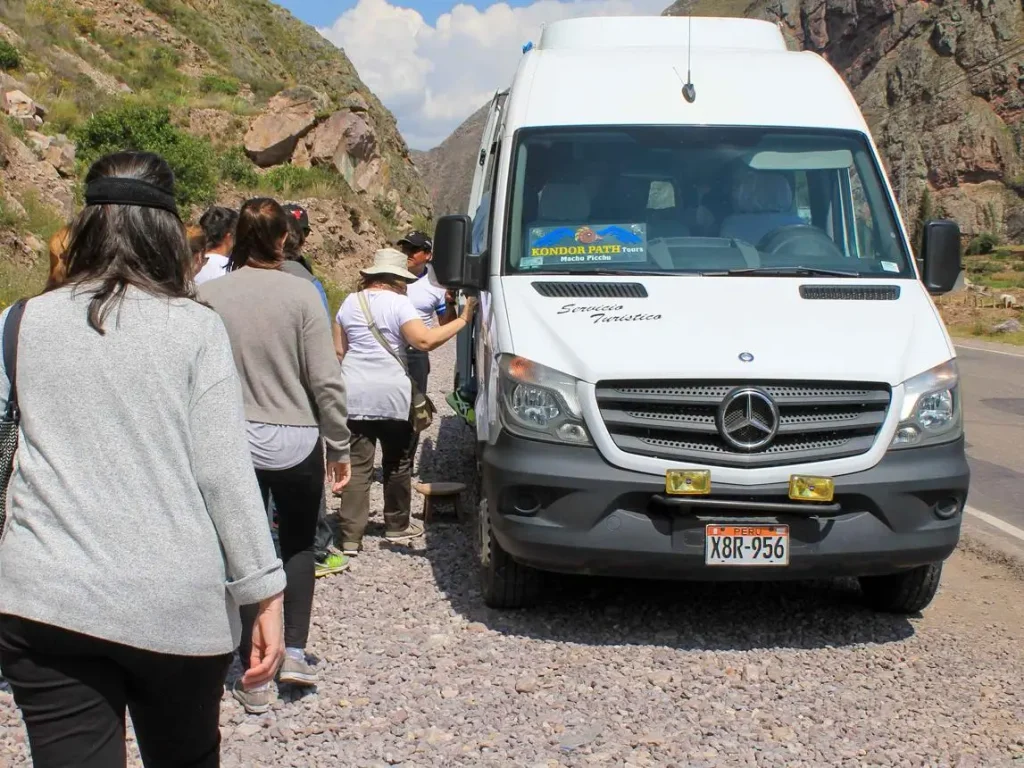
Because our groups start from 2 people, booking solo usually means joining other travellers on the same departure date rather than touring alone with just a guide. This is different from a large-bus group tour — you’re looking at a handful of people, not fifty, sharing a private vehicle and a guide.
If you’re deciding between a fixed small-group departure and paying for a fully private tour just for yourself, group departures vs private tours lays out what changes in each case — pace, cost per person, and how much the schedule flexes around you.
Room sharing and the single supplement question
Most multi-day packages price per person based on double occupancy — two travellers sharing a room. A single supplement is the extra fee some operators charge a solo traveller for having a room to themselves instead of sharing. It’s a standard part of the tourism industry, not specific to any one destination.
Whether a single supplement applies, and how much it is, isn’t something we can state generally here — it depends on the specific package and dates. Ask about it directly when you book: confirm whether the quoted “from” price assumes shared occupancy, and what the solo rate looks like if you’d rather not share a room. It’s a five-minute question that avoids a surprise on your invoice.
Safety as a solo traveller in Cusco
The same safety habits that apply to any city apply in Cusco: keep valuables secure, use official transport, and stay aware in crowded tourist areas. What’s specific to a guided tour is that you’re not navigating any of it blind — pickup from your hotel or the airport is included, and on the multi-day packages a private guide is with the group throughout the day.
That matters more at altitude than most people expect, which is the next point.
Solo at altitude: why not being alone matters
Cusco sits at 3,399 m (11,152 ft), and altitude affects people differently and sometimes suddenly. Having a guide and other travellers around during your first day or two in the city means someone notices if you’re not feeling right — a headache, nausea, or unusual fatigue — and can adjust the day accordingly. That’s harder to catch on your own in a hotel room.
This is one of the practical reasons solo travellers do well joining a small group rather than touring entirely independently. For what those first days should actually look like, your first 48 hours in Cusco covers the pacing in detail.
| Altitude point | Elevation | Why it matters solo |
|---|---|---|
| Cusco | 3,399 m (11,152 ft) | Highest point of most itineraries; where altitude symptoms usually start |
| Sacred Valley | approx. 2,800 m | Lower than Cusco; often used as an easing-in stop |
| Machu Picchu | 2,430 m (7,972 ft) | Lower still; usually the most comfortable altitude of the trip |
The ceremonies and group days
Some of our itineraries include shared moments by design, not just shared transport. On our 14-Day Peru Mystic Tour, day 11 includes a group ceremony at Tipón, and day 13 is a traditional Pachamanca where the group takes part in preparing the meal together. These are naturally social points in the trip, even if you booked solo. If you’re curious what a day like that actually involves, what happens on a mystic journey walks through it.
For travellers who want the depth of that itinerary, our 14-Day Peru Mystic Tour is worth a look — it’s built around exactly these kinds of shared experiences rather than independent sightseeing.
How to ask the right questions before booking
Before you book solo, it helps to know exactly what you’re getting and what you’re not. Here’s what to confirm directly with us:
- Whether the listed “from” price assumes a shared room, and what the solo rate is
- Whether other travellers are confirmed on your departure date, or whether the tour would run privately for you
- What a Peru package includes by default, so you know what’s already covered versus what you’d add
- Group size and makeup, if that matters to you
If a shorter, guided introduction to Cusco and Machu Picchu suits your solo trip better than the full 14 days, the 7-day Cusco and Machu Picchu tour runs with a private guide throughout and covers the essentials without the longer commitment.
Frequently asked questions
Is it safe to travel to Peru alone?
Yes, with the same everyday precautions you’d use in any unfamiliar city. Guided tours add a layer of support, since pickup, transport and a guide are included throughout.
Do I have to pay extra to travel solo?
Possibly — many tour prices assume double occupancy, and a solo traveller may be quoted a single supplement or a solo rate. This varies by package, so confirm it directly when you book.
Will I be touring completely alone if I book solo?
Not necessarily. Since our groups run from 2 people, solo travellers are often joined with other travellers on the same departure date rather than touring one-on-one with just a guide.
Is altitude harder to manage travelling solo?
It’s not necessarily harder, but having a guide and other travellers nearby during your first days in Cusco means symptoms are more likely to be noticed early. Pacing the first 48 hours properly matters regardless of group size.