

The domestic flight you actually need for a Peru trip is Lima to Cusco, run by LATAM, Sky, and JetSmart, taking about 1 hour 20 minutes. If Lake Titicaca is on your route, add Juliaca, the airport that serves Puno. Everything else on a standard Peru itinerary, Ollantaytambo to Aguas Calientes, Cusco to the Sacred Valley, runs by train or private vehicle instead. This article covers what actually matters for planning: which routes exist, why timing the flight matters more than the airline, and why we never bundle flights into our packages. For the full range of what a Peru itinerary can include, see our full guide to Peru tour packages.
The routes that matter for a Peru itinerary
Most Peru itineraries only need one domestic flight, and it is the one everyone already expects.
| Route | Who needs it | Typical duration |
|---|---|---|
| Lima to Cusco | Almost every Peru itinerary | About 1 hour 20 minutes |
| Lima to Juliaca | Itineraries that include Puno and Lake Titicaca without going overland | Under 2 hours |
| Cusco to Lima | Return leg, or if Cusco is your arrival city | About 1 hour 20 minutes |
There is no direct commercial flight between Cusco and Juliaca on most schedules; travellers moving between the two normally go overland by bus, which is also the more common way the 10-day Cusco, Puno and Lima tour connects the Sacred Valley to Lake Titicaca before flying out through Juliaca or Lima at the end.
Lima to Cusco: airlines, duration and frequency
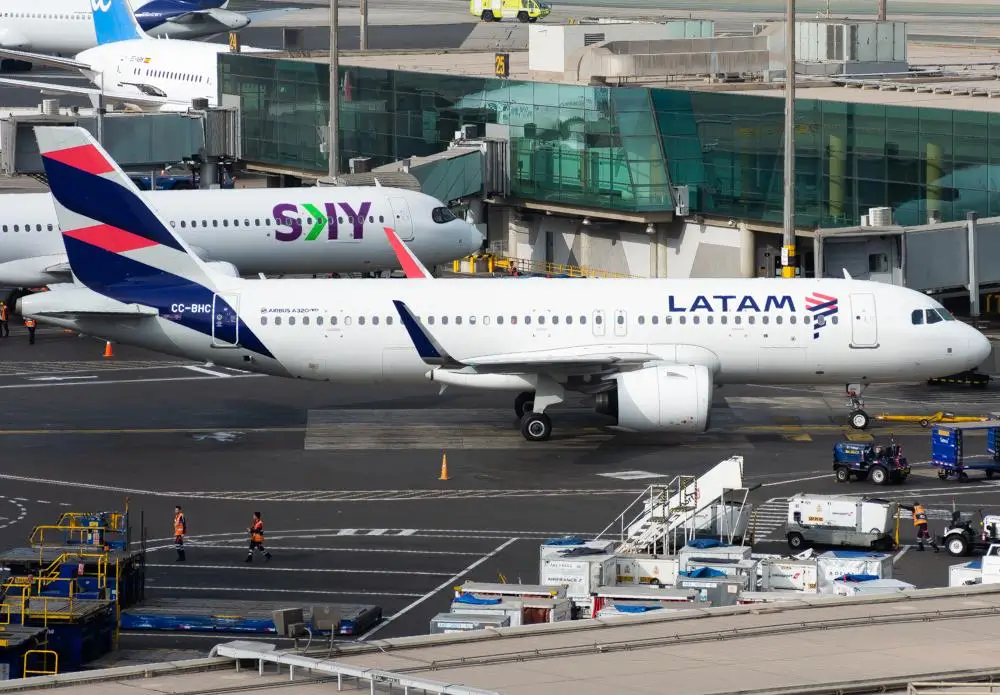
Three airlines cover this route: LATAM, Sky, and JetSmart. All three run multiple flights a day, and the flight itself takes approximately 1 hour 20 minutes in the air.
The practical differences between the three come down to schedule flexibility and service level rather than the route itself, since they are all flying the same distance between the same two airports. LATAM is the longest-established of the three and typically has the widest schedule of departure times across the day, along with more flexible change policies on standard fares. Sky and JetSmart operate on a lower-cost model, which usually means more restrictive change and cancellation policies, fewer daily frequencies at off-peak hours, and add-on pricing for anything beyond the seat itself, in exchange for a lower base fare.
Because all three airlines serve the route multiple times daily, availability is rarely the issue. Price and departure time are what actually vary, and both move constantly with demand, so book once you have committed to your dates rather than waiting for a lower fare to appear. Fares also tend to climb the closer you get to peak season, so locking in a flight early in your planning does more for your budget than switching airlines at the last minute.
Why morning flights are worth paying for
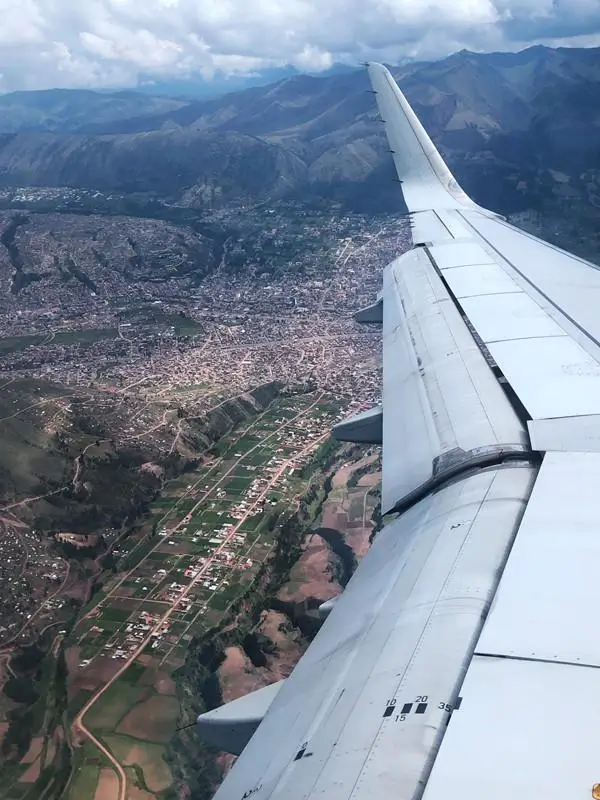
Cusco’s airport sits in a mountain valley, and afternoon weather, cloud buildup, wind, is more likely to cause delays than morning conditions. This is standard for high-altitude airports generally, and it is the single biggest reason to pay slightly more for an early departure rather than book the cheapest slot of the day.
The practical effect matters most on your inbound flight. If you land in Cusco in the morning, a delay of an hour or two barely touches your plan. If you were booked on the last flight of the day and it delays or cancels, you can lose the whole day, which matters if your itinerary starts the next morning with the Sacred Valley or an early Machu Picchu train. Given that a licensed guide and a fixed entry time are required for Machu Picchu, arriving with a buffer day is worth more than the savings on a late, cheaper fare. Your first 48 hours in Cusco covers what that first day should look like once you land.
Juliaca: the gateway to Lake Titicaca
Juliaca’s airport is the one serving Puno and Lake Titicaca, not Puno itself; the city is roughly 45 minutes from the airport by road. If your itinerary includes Titicaca without an overland leg from Cusco, this is the flight you book, usually out of Lima.
Most travellers reach Puno the other way, overland from Cusco after the Sacred Valley and Machu Picchu portion of the trip, and then fly out through Juliaca or back through Lima at the end rather than flying in. Which direction makes sense depends on whether Titicaca is your starting point or your last stop, and on how much overland travel you want as part of the trip itself rather than as transit between flights.
Either way, treat Juliaca as a transit point rather than a destination. There is little reason to spend time near the airport itself; the drive into Puno, and onward to the lake, is where the actual sightseeing starts.
Baggage rules and what changes for tourists
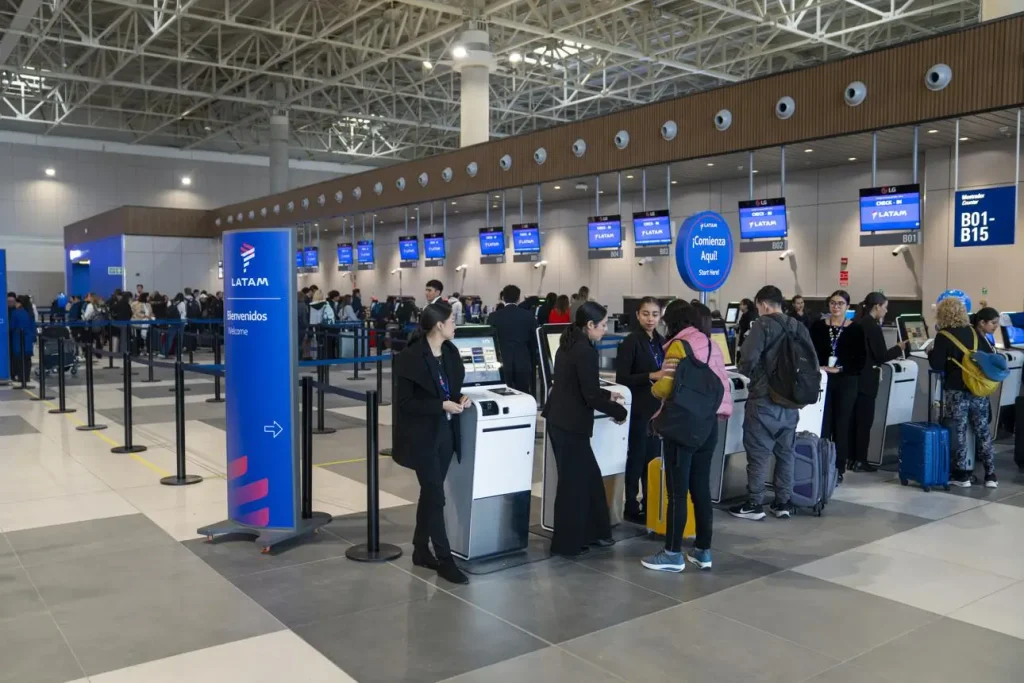
Domestic baggage allowances follow the airline’s business model more than any Peru-specific rule. LATAM, as a full-service carrier, typically bundles at least one checked bag into standard fares. Sky and JetSmart, both operating as lower-cost carriers, generally charge for checked baggage separately from the ticket price and price it as an add-on at booking.
The detail that catches tourists off guard is that trekking gear, hiking poles, sleeping bags, oversized daypacks, does not always fit neatly into the reduced carry-on allowances that low-cost fares are built around. If your Peru itinerary includes a trek or heavier gear, check the specific fare’s baggage allowance at booking rather than assuming it matches what you are used to on an international flight, and budget for a checked bag fee if you booked the cheapest fare class.
It is also worth weighing your bag before you leave your hotel on departure day. Domestic weight limits on the lower-cost carriers are tighter than most international economy allowances, and paying an overweight fee at the counter in Cusco or Lima is a worse outcome than repacking at your hotel with time to spare.
Delays and cancellations: building slack into your plan
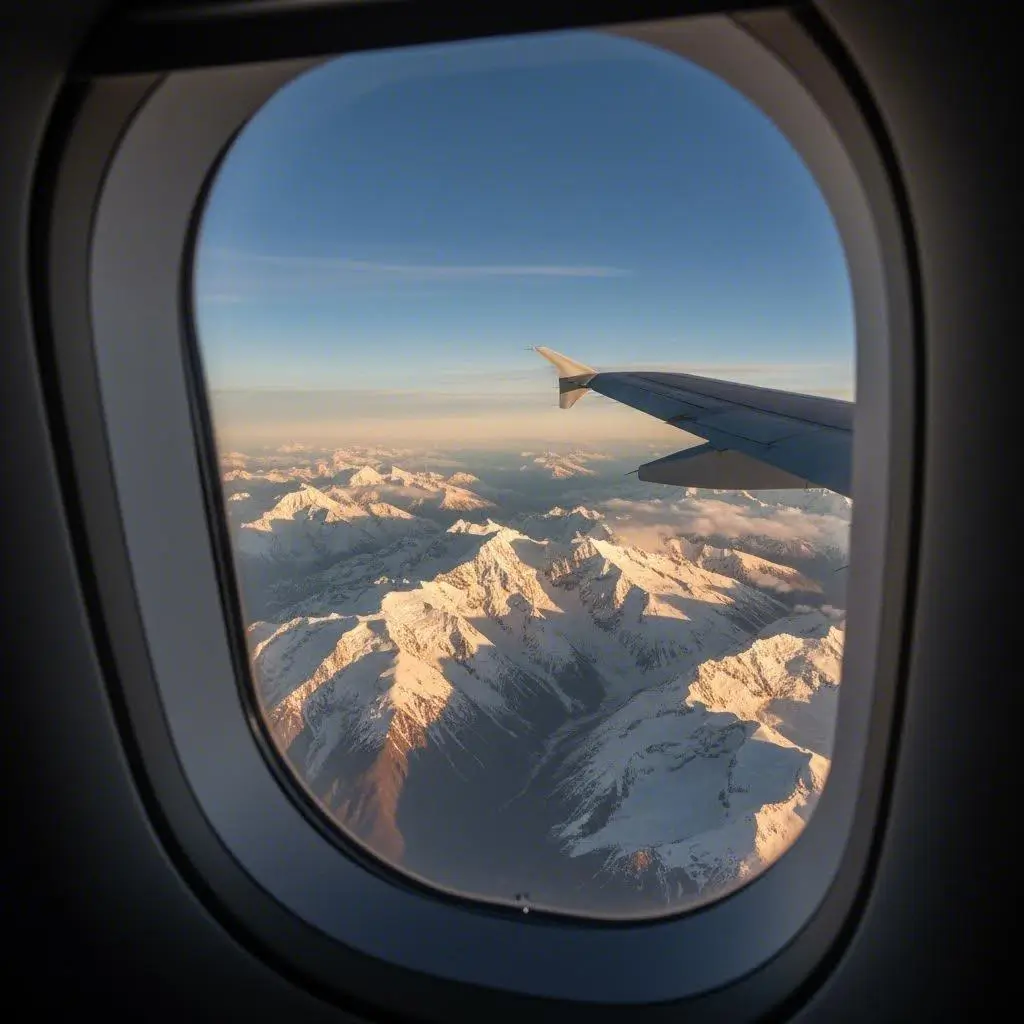
Weather at altitude is the main driver of delays on the Lima-Cusco route, and it is not unique to Peru; it is a normal feature of flying into mountain airports anywhere. The mitigation is not choosing a different airline, it is building slack into your schedule around the flight itself.
The rule we give clients is simple: do not schedule anything time-sensitive, a train departure, a fixed Machu Picchu entry time, on the same day as your inbound flight if you can help it. A one-day buffer between landing in Cusco and your first fixed-time activity absorbs a delay without cascading into the rest of the trip. This matters more the tighter your itinerary is; a 6-day Cusco and Machu Picchu tour has less room to absorb a delayed arrival than a longer trip does, so build the buffer in before you lock in the rest of your dates.
The same logic applies at the other end of the trip. If your Machu Picchu train and Cusco-to-Lima flight are scheduled for the same day, a late train back from Aguas Calientes can put your flight at risk. Leaving a gap of at least half a day between the two, or scheduling your Machu Picchu visit a day before your departure flight rather than the same morning, removes that risk entirely instead of hoping both connections run on time.
Why flights are not included in tour packages
None of our packages include domestic or international flights, and the reason is straightforward: flight dates, routing, and airline choice have to come from you before we can build the rest of the itinerary around them, not the other way around. Bundling a flight into a fixed package would mean picking your dates and airline for you, with no ability to shop fares or adjust if your plans change before departure.
This also keeps pricing honest. Airfares move daily and vary by how far in advance you book; folding a moving cost into a fixed package price would mean either overcharging when fares are low or absorbing a loss when they spike, neither of which serves you. What a Peru package includes covers the full list of what is and is not bundled, and when to book your Peru tour walks through how flight timing should factor into your overall booking window. Once you have your flights booked, our Cusco airport guide covers what to expect on arrival, including where to meet your transfer.
Frequently Asked Questions
How long is the flight from Lima to Cusco? About 1 hour 20 minutes, operated by LATAM, Sky, and JetSmart with multiple daily departures.
Should I book a morning or afternoon flight to Cusco? Morning flights are worth the extra cost. Afternoon weather at Cusco’s mountain airport makes delays more likely later in the day, and a morning arrival gives you a buffer if anything runs late.
Do I fly or drive between Cusco and Puno? There is no regular direct flight between Cusco and Juliaca (Puno’s airport), so most travellers go overland by bus. Juliaca flights connect to Lima instead, at either end of a Titicaca extension.
Are flights included in Peru Andes Discovery tour packages? No. Domestic and international flights are never included, so you can choose your own dates, airline, and fare while we build the rest of the itinerary around them.