
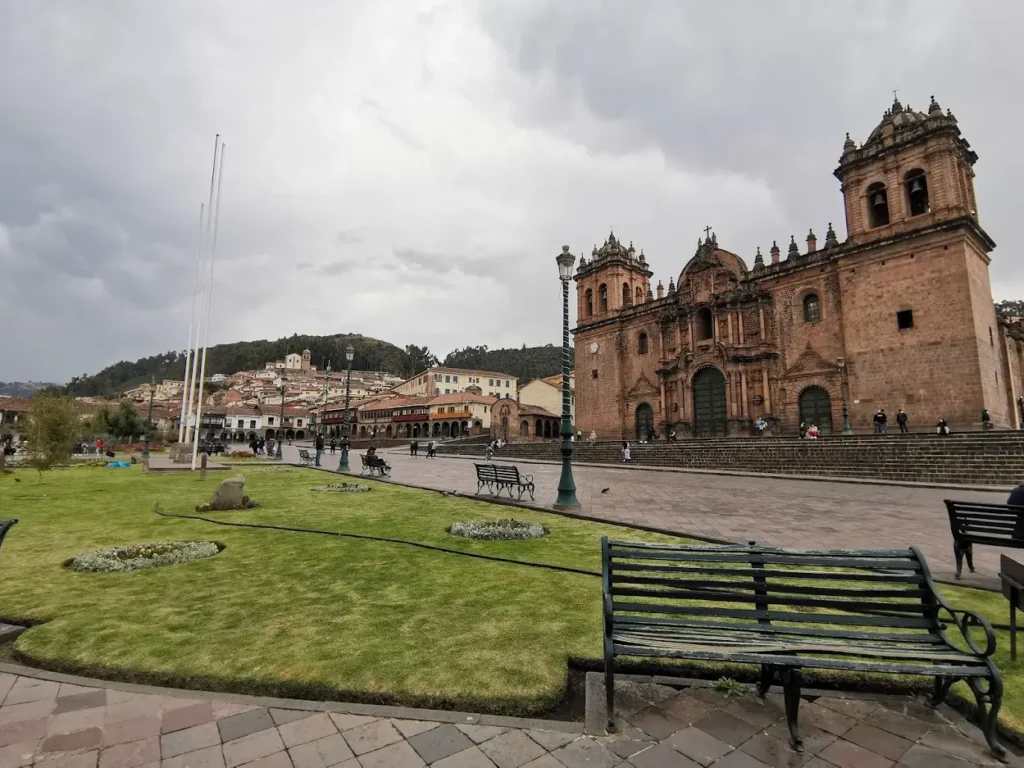
Cusco sits at 3,399 meters (11,152 ft), and most travellers feel some effect within the first 24 hours regardless of fitness — mild headache, fatigue, shortness of breath on stairs. The right response is rest on arrival day, light activity on day two, and no strenuous hikes or heavy alcohol until your body has had that window to adjust. This isn’t about toughness; it’s physiology, and the same protocol applies whether you’re 25 or 65. Our full guide to Peru tour packages shows how different itinerary lengths build acclimatization time in, or don’t.
Cusco is 3,399 m: what that means for your body
At 3,399 meters, the air holds meaningfully less oxygen per breath than at sea level or even at a moderate-altitude city back home. Your body responds by breathing faster and your heart working harder to circulate the oxygen you do get, which is what produces the fatigue and breathlessness most travellers notice climbing stairs or walking uphill on arrival day.
This isn’t something fitness level protects against in a simple way. Trained athletes get altitude symptoms as often as less active travellers — the variable is genetics and adjustment speed, not cardiovascular fitness. If you’re flying in directly from sea level, whether that’s Lima or your home country, plan for this as a certainty to manage, not a risk you might get lucky and avoid.
Hour by hour: what to do on arrival day
On landing, move slowly and deliberately — walking briskly through the airport or rushing to your hotel works against you on arrival day specifically. Get to your hotel, drink water, and rest for at least the first few hours rather than heading straight out to explore.
Skip alcohol entirely on day one. It dehydrates you and worsens the same symptoms altitude already causes, and the two combined hit harder than either alone. Eat lightly rather than heavily — a big meal on top of altitude adjustment isn’t comfortable for most people. A short, slow walk near your hotel in the late afternoon is fine and often helps more than staying completely still, but keep it easy and stop if you feel worse rather than pushing through.
Day two: the right kind of activity
Day two is for light activity, not rest — gentle movement generally helps the acclimatization process more than staying in bed all day, but “light” is doing real work in that sentence. A relaxed walk through central Cusco, a visit to a museum, or an easy half-day in the Sacred Valley at around 2,800 meters — actually slightly lower than Cusco itself — are reasonable day-two activities.
What doesn’t belong on day two: anything involving significant elevation gain, a full-day trek, or Rainbow Mountain, which climbs to roughly 5,036-5,200 meters and is genuinely demanding even for acclimatized travellers. If Rainbow Mountain is on your itinerary, Rainbow Mountain: what to expect on the day covers what that specific hike involves, but the short version for this article is: not in your first 48 hours, regardless of how good you feel.
Symptoms: normal, worrying and emergency
Mild headache, fatigue, shortness of breath on exertion, and difficulty sleeping the first night or two are common and generally resolve as your body adjusts over the following days. These are expected, not a sign anything is wrong.
Worsening headache that doesn’t respond to rest and hydration, persistent vomiting, or symptoms that get worse rather than better after 24-48 hours are signs to take seriously and worth mentioning to your guide or hotel, since it may mean slowing your itinerary down further or considering medical advice. A small number of travellers can develop more serious altitude illness, and while this is uncommon at Cusco’s altitude compared with higher treks, confusion, severe shortness of breath at rest, or a persistent cough with froth are emergency signs that need immediate medical attention, not a wait-and-see approach.
We are not medical professionals, and this article isn’t medical advice — if you have a pre-existing heart, lung or blood pressure condition, or you’re genuinely concerned about symptoms during your trip, talk to a doctor before you travel and don’t hesitate to seek medical care in Cusco if something feels seriously wrong once you’re here.
Coca leaves, medication and what actually helps
Coca tea and coca leaves are a traditional local remedy widely used in Cusco, offered in most hotels on arrival, and many travellers find them genuinely helpful for mild symptoms. Hydration matters more than almost anything else you can control — drink more water than feels necessary, since altitude increases fluid loss through faster breathing even before you’re aware of it.
Some travellers use over-the-counter or prescription medication to ease adjustment; whether that’s appropriate for you is a question for a doctor before you travel, not something we can advise on here. What we can say from a purely logistical standpoint: whatever you choose, don’t combine it with plans to skip the rest period on arrival day, since medication can mask symptoms without actually speeding up physiological adjustment.
What not to do in the first 48 hours
Don’t drink alcohol on day one, and go easy on it through day two as well. Don’t schedule a strenuous hike, Rainbow Mountain, or any significant trekking day within your first 48 hours in Cusco, even if your itinerary technically allows it. Don’t push through a worsening headache assuming it’ll pass on its own — rest and hydration are the first response, and worsening rather than improving symptoms are worth taking seriously.
Don’t skip meals entirely, but also don’t overeat heavy food on day one — light, regular eating supports adjustment better than either extreme. And don’t assume a previous trip to altitude elsewhere means you’re automatically fine this time; altitude tolerance isn’t fully consistent trip to trip for most people.
Why we build rest days into longer itineraries
This is exactly why our 6-day tour and longer include a genuine acclimatization day in Cusco before any strenuous activity — it’s not a scheduling convenience, it’s built around the physiology described above. Our 14-Day Peru Mystic Tour goes further still: the route starts at sea level on the coast and only reaches Cusco partway through, with day 5 specifically set aside as a rest day in Cusco before the more demanding parts of the itinerary begin.
Shorter itineraries have to compress this window, which is part of the honest trade-off covered in how many days you need in Peru — a 4-day trip simply doesn’t have room for a dedicated rest day the way our 6-day Cusco and Machu Picchu tour or 8-day Cusco and Machu Picchu tour do. If your trip also includes Puno, Cusco only or Cusco plus Puno and Lima covers the second altitude adjustment that route requires, since Puno sits even higher than Cusco. And whatever your itinerary includes at Machu Picchu itself, Machu Picchu rules and what to bring is worth reading once acclimatization is handled, since the site’s own elevation at 2,430 meters is actually lower than Cusco’s.
| Location | Altitude |
|---|---|
| Lima | Sea level |
| Sacred Valley | ~2,800 m |
| Machu Picchu | 2,430 m (7,972 ft) |
| Cusco | 3,399 m (11,152 ft) |
| Puno / Lake Titicaca | ~3,830 m |
| Vinicunca (Rainbow Mountain) | ~5,036-5,200 m |
Frequently Asked Questions
How long does it take to acclimatize to Cusco’s altitude? Most travellers notice meaningful improvement within 48-72 hours, though mild effects like disrupted sleep can persist a bit longer. A genuine rest day on arrival, followed by light activity on day two, is the standard approach.
Is altitude sickness in Cusco dangerous? For most travellers, symptoms are mild and temporary — headache, fatigue, breathlessness on exertion. Worsening symptoms after 24-48 hours, or signs like confusion or severe breathlessness at rest, need medical attention rather than a wait-and-see approach.
Can I go straight to Machu Picchu without acclimatizing in Cusco first? You can, since Machu Picchu itself sits lower than Cusco at 2,430 meters, but most itineraries route through Cusco first regardless, and skipping rest time there before strenuous activity increases the chance of symptoms hitting you at an inconvenient point in the trip.
Do coca leaves actually help with altitude sickness? Many travellers and locals find coca tea and leaves helpful for mild symptoms, and it’s a widely used traditional remedy in Cusco, but it isn’t a substitute for rest, hydration and a genuine adjustment period, and this isn’t medical advice — consult a doctor if you have specific health concerns.