
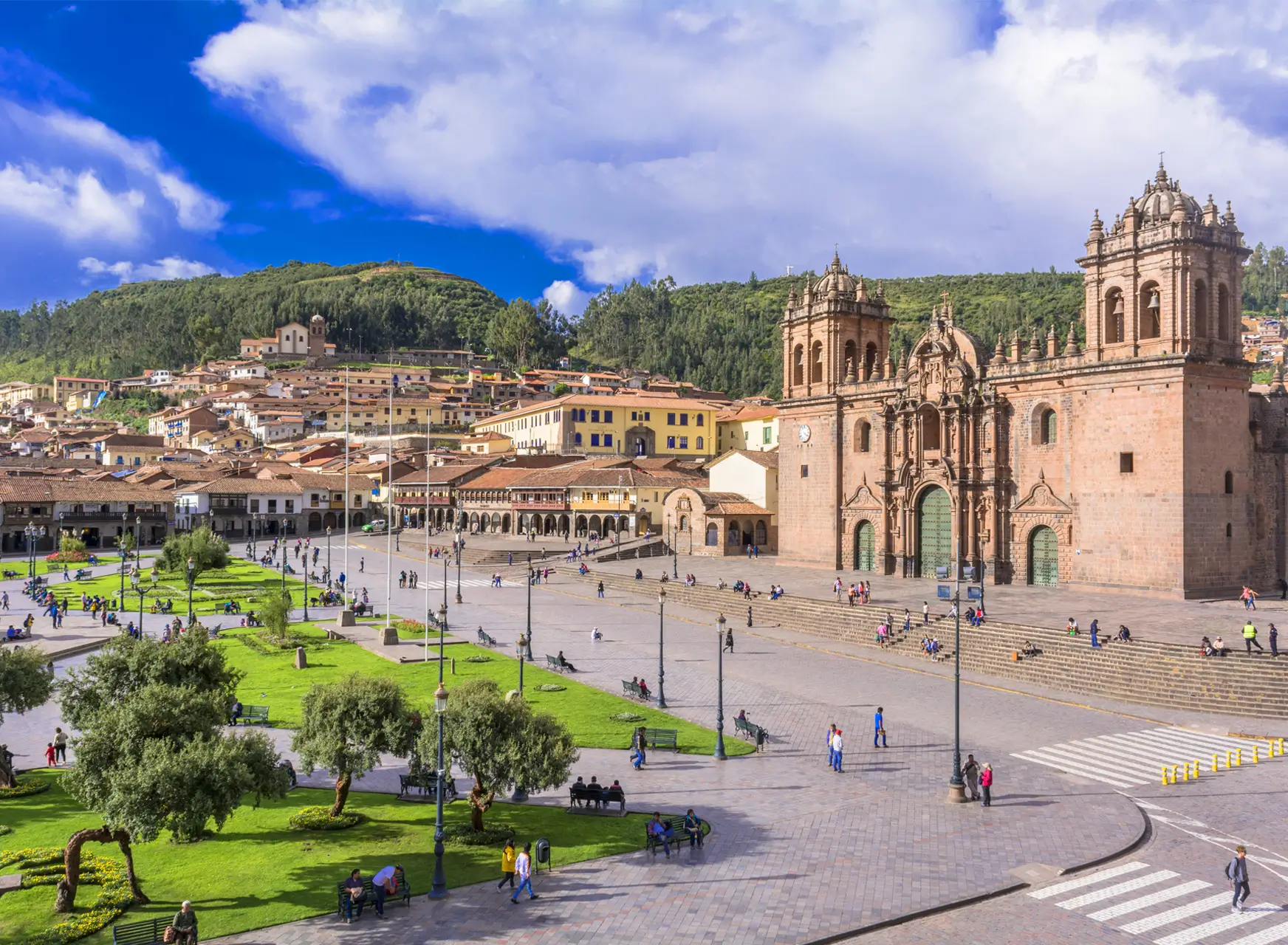
Adding Puno and Lima to a Cusco trip means roughly 3-4 extra days, a full travel day each way to reach Lake Titicaca, and a second high-altitude adjustment above Puno’s 3,830 meters. It’s worth it if you want to see the world’s highest navigable lake and get a coastal counterpoint to the mountains — it’s not worth it if your time is already tight or you’re sensitive to altitude. Our full guide to Peru tour packages lays out where Cusco-only and Cusco-plus itineraries fit before you commit to either.
What you gain by adding Puno and Lake Titicaca
Lake Titicaca is a different Peru entirely from the Sacred Valley. It’s the highest navigable lake in the world, shared with Bolivia, and the floating Uros islands and communities on Amantani and Taquile live a way of life that has nothing to do with Inca ruins or Machu Picchu. If Cusco gave you Inca history, Puno gives you a living Andean lake culture that’s still organized around the water itself.
Lima adds something different again: a coastal capital city with its own food scene, colonial center and pre-Inca sites like Pachacamac, none of which resemble what you’ll see in the mountains. Together, Puno and Lima turn a Cusco-focused trip into a broader cross-section of the country rather than a single-region deep dive.
What it costs you: days, money and energy
The main cost is time. Reaching Puno from Cusco and coming back, or continuing on to Lima, adds a minimum of one to two full travel days that a Cusco-only itinerary doesn’t need. Our 10-day Cusco, Puno and Lima tour is built around absorbing that travel time without cutting Cusco and Machu Picchu short, but it’s still a longer, and likely more expensive, trip than staying Cusco-focused.
The energy cost is less obvious but real. You’re asking your body to adjust to altitude twice — once in Cusco at 3,399 meters, then again in Puno at roughly 3,830 meters — rather than adjusting once and staying there for the rest of the trip. For travellers who found even Cusco’s altitude noticeable, that second adjustment is worth weighing seriously before adding it to the itinerary.
The Cusco-Puno journey: bus, train or flight
The road distance between Cusco and Puno is about 386-390 km. A direct overnight or daytime bus covers it in roughly 7 hours. The scenic “Route of the Sun” tourist buses, which stop at archaeological sites like Raqchi and Andahuaylillas along the way, take closer to 10 hours, turning the transfer itself into a sightseeing day. The PeruRail Andean Explorer train covers the same route in around 10-10.5 hours with onboard dining, running only a few days a week rather than daily.
Flying is the fastest option but not direct — there’s no airport in Puno itself, so flights route through Juliaca, about an hour’s drive from Puno. Door to door, flying gets you from central Cusco to central Puno in roughly 2.5 to 4 hours including the taxi transfer, against 7-10 hours by road.
The route itself crosses La Raya pass at 4,335 meters, the highest point of the journey and higher than either Cusco or Puno — worth knowing if you’re already feeling altitude effects before you set out.
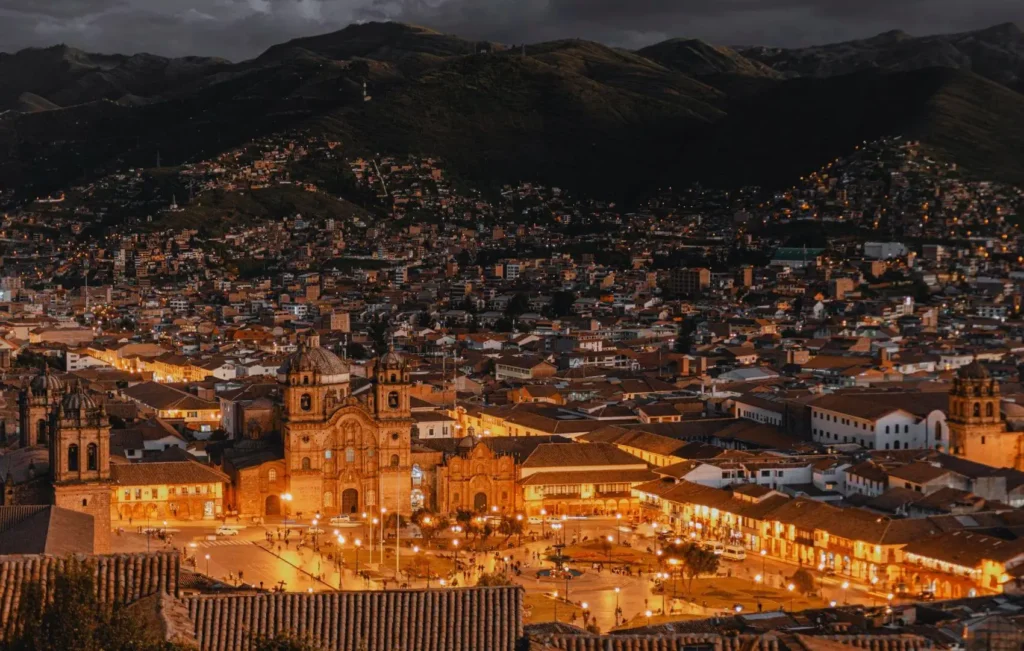
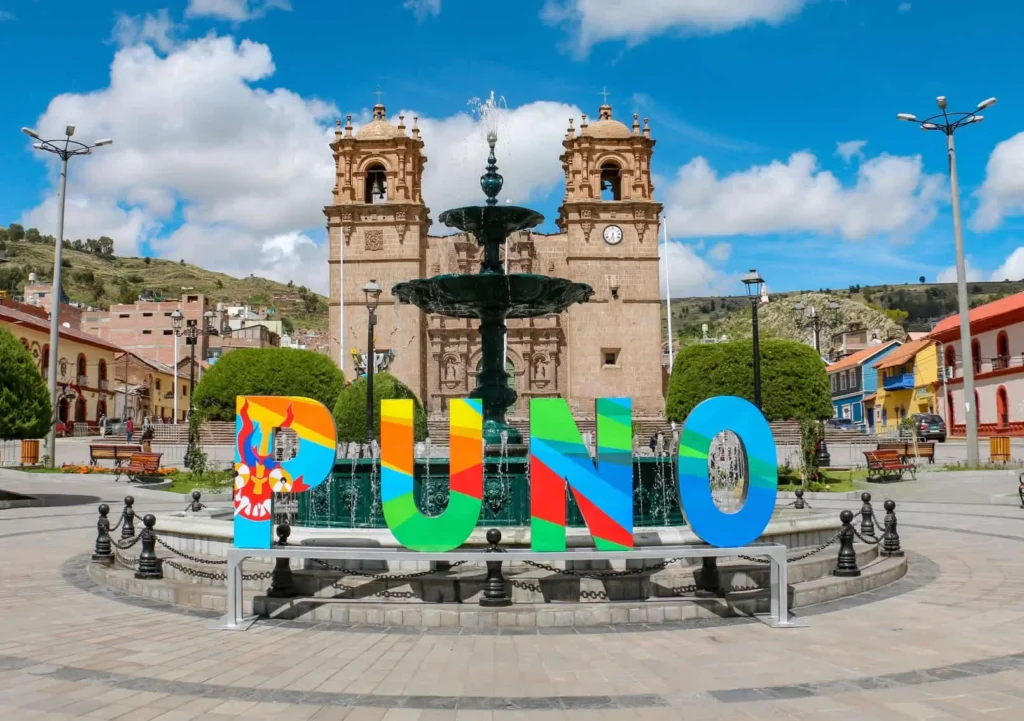
Puno’s altitude problem
Puno sits at roughly 3,830 meters, higher than Cusco’s 3,399 meters, and Lake Titicaca’s surface itself is at about 3,812 meters. This isn’t a minor difference — it’s enough that travellers who felt fine in Cusco sometimes notice symptoms again on arrival in Puno, especially if they go straight from the Cusco-Puno transfer into lake activities the same day.
The standard advice applies twice on this itinerary: acclimatize in Cusco before doing anything strenuous, covered in our your first 48 hours in Cusco guide, and then give yourself an easy first few hours in Puno too rather than booking an early-morning boat out to the islands the same day you arrive.
Lima: worth a stop or just an airport?
Lima works well as a bookend rather than a dedicated multi-day stop for most itineraries. Since it’s at sea level, it also doubles as a useful decompression point — arriving from Cusco or Puno’s altitude into Lima’s sea-level air is a noticeable relief for most travellers, and a night or two there before your international flight home softens that transition.
Whether it earns more than a stopover depends on what you’re after. If Peruvian food is a priority, Lima’s restaurant scene justifies real time on its own. If you’re purely mountain- and lake-focused, a single night to break up the international flight is enough, and you won’t feel like you missed much by keeping it brief.
Who should add them and who should not
Add Puno and Lima if you have 10+ days available, you’re comfortable with a second altitude adjustment, and seeing Lake Titicaca specifically matters to you rather than just “more of Peru.” It also makes more sense if you’re already flying into or out of Lima anyway, since the coastal stop adds relatively little extra travel in that case.
Skip them, honestly, if your trip is under a week, if Cusco’s altitude already gave you a rough first day or two, or if your main goal is simply Machu Picchu and the Sacred Valley done well. Our 6-day Cusco and Machu Picchu tour covers that core route thoroughly without asking you to manage a second altitude adjustment or extra travel days you don’t have. If you’re still deciding on length in general terms rather than specifically about Puno, how many days you need in Peru breaks the question down more broadly, and what a Peru trip costs shows how the extra days translate into extra budget. If you’re weighing a packaged itinerary against building your own route stop by stop, package tour vs travelling independently covers that decision too. For travellers who do want Titicaca but not the full 10-day commitment, the Lake Titicaca tour from Cusco is a shorter way to add it without restructuring the whole trip.
| Cusco only | Cusco + Puno + Lima | |
|---|---|---|
| Days | 6-8 | 10+ |
| Destinations | Cusco, Sacred Valley, Machu Picchu | Above, plus Lake Titicaca/Puno and Lima |
| Additional cost | — | — |
| Transfer time added | — | 7-10 hours each way by bus/train, or 2.5-4 hours door to door by flight via Juliaca |
| Maximum altitude | 3,399 m (Cusco) | 4,335 m (La Raya pass, en route to Puno) |
Frequently Asked Questions
Is Lake Titicaca worth visiting? Yes, if you want to see something genuinely different from Cusco’s Inca sites — the Uros floating islands and lake communities on Amantani and Taquile are a distinct culture built around the water. It’s less essential if your trip is short or Machu Picchu is your main priority.
Should I visit Puno on a Peru trip? Add it if you have 10 or more days and are comfortable with a second altitude adjustment above Cusco’s. Skip it on shorter trips or if Cusco’s altitude already affected you.
Is Cusco or Lima better to visit? They’re not really comparable — Cusco is the mountain, Inca-heritage side of Peru, Lima is the coastal, culinary capital. Most itineraries use Lima as a bookend rather than choosing between the two.
How do you get from Cusco to Puno? By bus (roughly 7 hours direct, up to 10 hours on scenic tourist routes with stops), by train (around 10-10.5 hours), or by flight via Juliaca airport, about 2.5 to 4 hours door to door including the taxi transfer to Puno.