
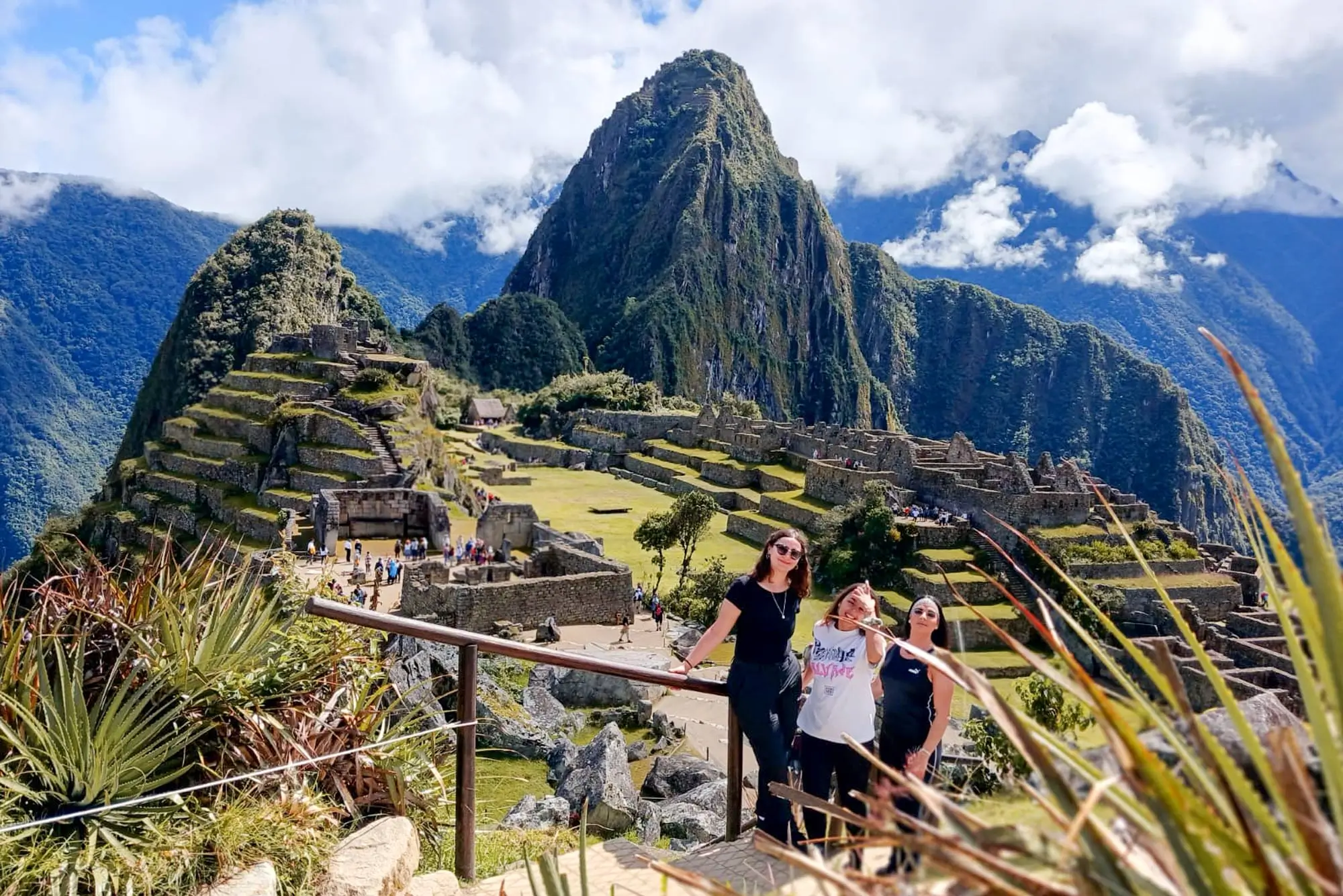
Machu Picchu sits at 2,430 m (7,972 ft) in the cloud forest of the Cusco region. There is no road to it. You reach it by train to Aguas Calientes and then a 25–30 minute shuttle bus, or on foot via the Inca Trail. Everything else about your visit follows from four decisions you make before you arrive:
- Which circuit. Since June 2024 there are three circuits containing ten defined routes. Your ticket locks you to one route and one entry hour. You cannot switch at the gate, you cannot walk backwards, and you cannot re-enter after you exit. Circuit 2 is the right ticket for most first-time visitors — it’s the one with the postcard view and the ruins.
- How you get there. Train from Ollantaytambo is the standard. Trekking is the alternative and needs a permit months ahead.
- How long you stay. One long day from Cusco works. An overnight in Aguas Calientes works better.
- Which entry slot. Entry times run hourly from 6am, and the first slots behave very differently from the afternoon ones.
The rest of this guide is the detail behind those four. Start with how to buy Machu Picchu tickets if you only need the booking mechanics, or how to get to Machu Picchu from Cusco if the transport is what’s confusing you.
Where Machu Picchu is and why the logistics matter
Machu Picchu is in the Urubamba province of the Cusco region, on a ridge between two peaks — Machu Picchu Mountain to the south and Huayna Picchu to the north — above the Urubamba river. It sits inside a protected historic sanctuary of 32,592 hectares.
The number that governs your trip is this: there is no public road to the citadel. Not a bad road. None. The only vehicle access is an 8 km switchback road from Aguas Calientes, closed to private cars and served by shuttle buses.
That single fact creates the chain everyone underestimates:
Cusco → road to Ollantaytambo (about 1 hour 45 minutes by private vehicle, 60 km) → train to Aguas Calientes (about 1 hour 30 minutes to 2 hours depending on service) → shuttle bus up (25–30 minutes) → your timed entry.
Four legs, four things that can slip. If any one of them fails and you have a single-day ticket, you don’t get a second chance — Machu Picchu tickets are non-transferable and non-refundable.
Why we build the itinerary backwards
We book in this order, every time: entry ticket first, then train, then hotel. The entry ticket is the scarcest item — a train seat can be moved to another departure, your Machu Picchu slot cannot. Travellers who do it the other way round end up with a 2pm Circuit 1 entry in July when they wanted the morning classic route.
There is no station in central Cusco
This surprises people. For much of the year, trains do not leave from Cusco city itself. Services run from Ollantaytambo in the Sacred Valley, with “bimodal” bus-plus-train options departing from Cusco and transferring to rail at Ollantaytambo or Pachar. Direct departures from Poroy, on the edge of Cusco, operate seasonally and at roughly 3 hours 30 minutes to Aguas Calientes.
This is one reason we so often put travellers in the Sacred Valley the night before. You wake up 20 minutes from the platform instead of two hours. It’s also why the Sacred Valley full-day tour fits so neatly as the day before Machu Picchu — it ends where your train starts.
Tickets: circuits, time slots and current rules
Machu Picchu entrance tickets are sold by Peru’s Ministry of Culture through its official platform, tuboleto.cultura.pe. Nothing else is the official source. Agencies — including us — buy through that same platform on your behalf.
What your ticket actually specifies
- One circuit and one route. Not “Machu Picchu”. Route 2-A, or 3-B, or 1-A. The route determines which sectors you can enter.
- One entry hour. Slots run hourly from 6am. There is a grace period of about 30 minutes around your slot; beyond that, gate staff can refuse you.
- Your name and passport number. ID is checked at the gate and must match the ticket. Bring the original passport, not a photo.
The rules that catch people out
One-way flow. The circuits are single-direction. If you walk past something and want to go back, you can’t. Our guides tell travellers this at the gate, because the instinct to double back is strong and the answer is always no.
No re-entry. Exit and you’re done for the day.
Non-transferable, non-refundable. No name changes, no date changes on a whim, no refunds for a missed train. This is national regulation, not agency policy.
A four-hour ceiling on your visit, with route-specific durations inside that.
Guided groups are capped at 10 people including the guide, on every circuit and every ticket type. If an operator tells you their Machu Picchu groups are larger, they’re describing something that isn’t permitted.
Capacity
Daily capacity is set by ministerial resolution and changes. The working figure is around 4,500 visitors per day in regular season, rising on designated high-season dates. Some routes — 1-C, 1-D and 3-C — open only in high season.
When tickets sell out
The honest answer is that it depends entirely on which route and which month. Morning slots on Circuit 2 in June, July and August are the first to go. Huayna Picchu goes earlier still.
Our default advice: buy as soon as your dates are fixed. There is no waitlist and no upgrade path. How to buy Machu Picchu tickets walks through the platform itself, including the reservation hold window and what to do if payment fails. If you’re stuck on the route choice, which circuit to buy is the decision tree.
The three circuits explained
Since June 2024 the site has been organised into three circuits — Panorámico, Clásico and Realeza — containing ten routes between them.
Circuit 1 — Panoramic
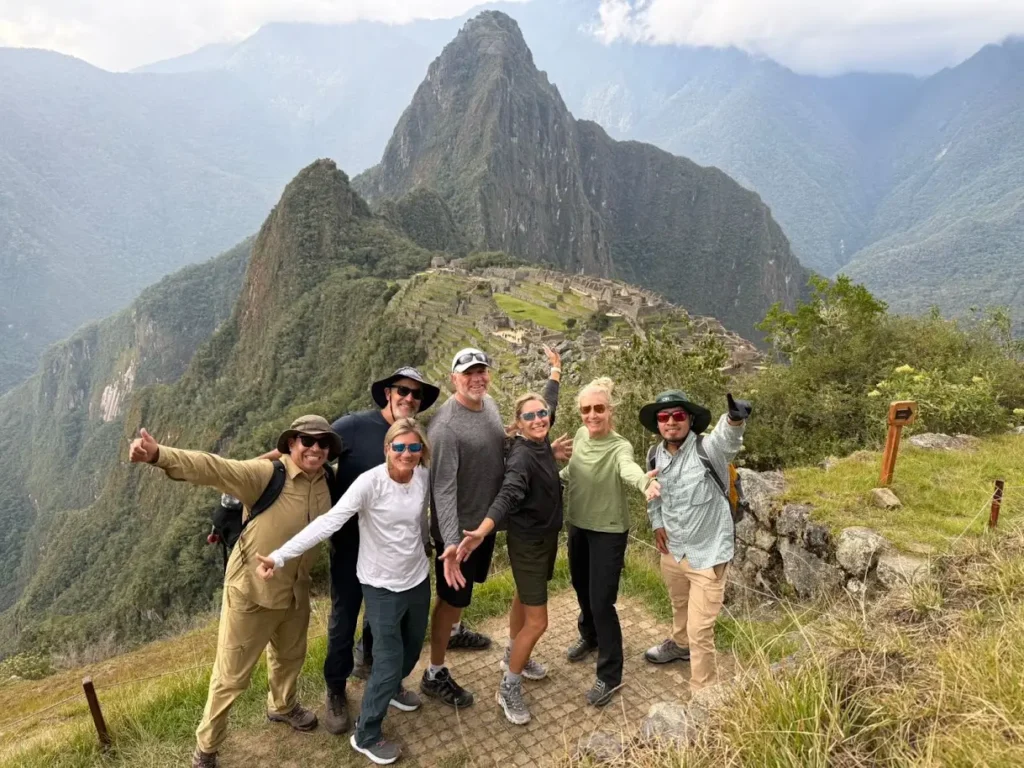
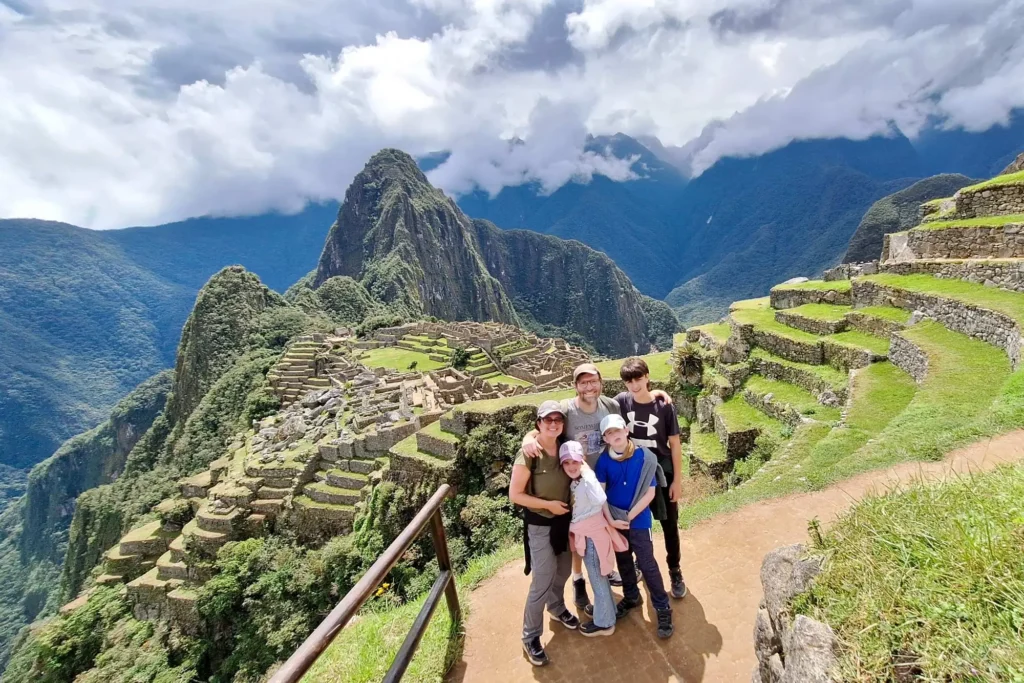
The upper agricultural terraces and the Guard House sector. This is the elevated viewpoint: the angle you know from photographs. It does not take you down into the urban sector, so you see the temples from above rather than standing in them.
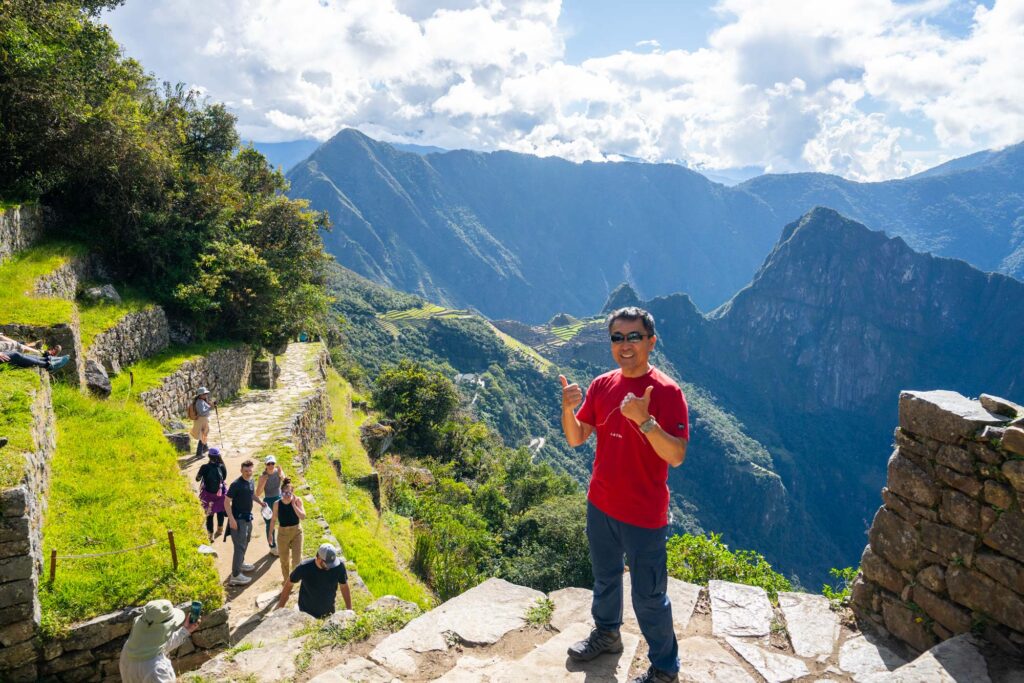
Route 1-A adds Machu Picchu Mountain. Routes 1-C and 1-D open in high season only. The Inca Bridge can be added to Circuit 1 or 2 at no extra cost, and almost nobody does it — it’s a 20-minute flat walk to a genuinely dramatic piece of Inca engineering.
Circuit 1 suits photographers, travellers with limited mobility who want the view without the full descent, and anyone climbing Machu Picchu Mountain. Circuit 1 explained covers all four routes individually.
Circuit 2 — Classic
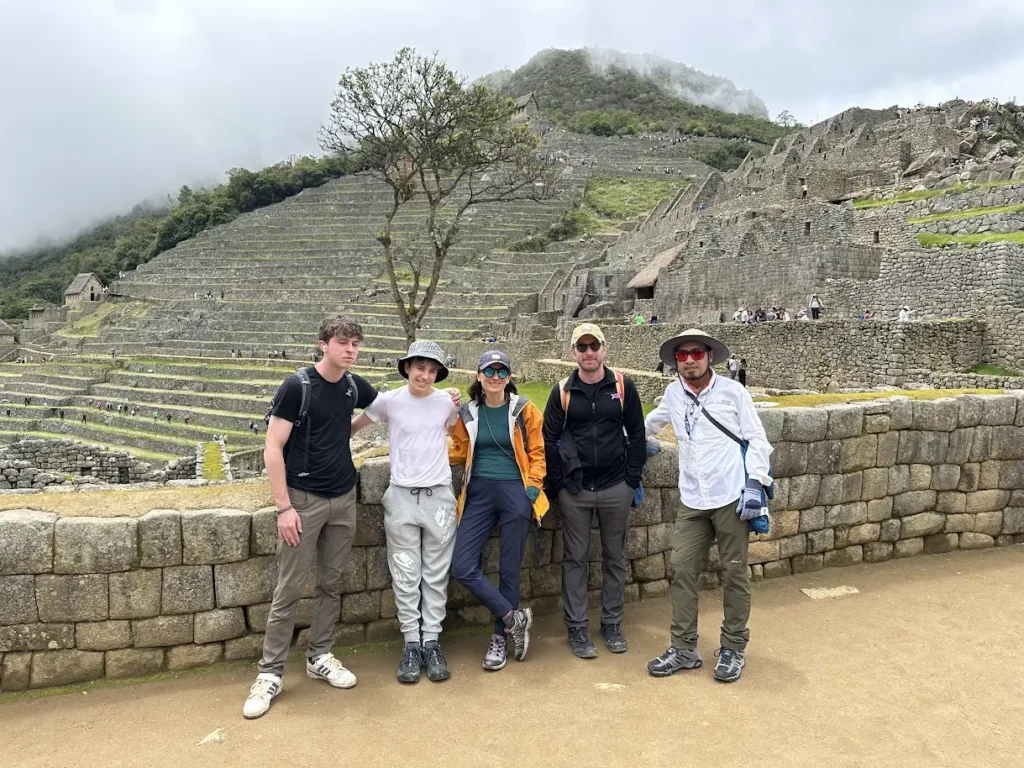
The one we book for most first-timers. Route 2-A and Route 2-B both give you the upper viewpoint and a walk down through the urban sector — plazas, residential compounds, the Temple of the Condor, the water fountains.
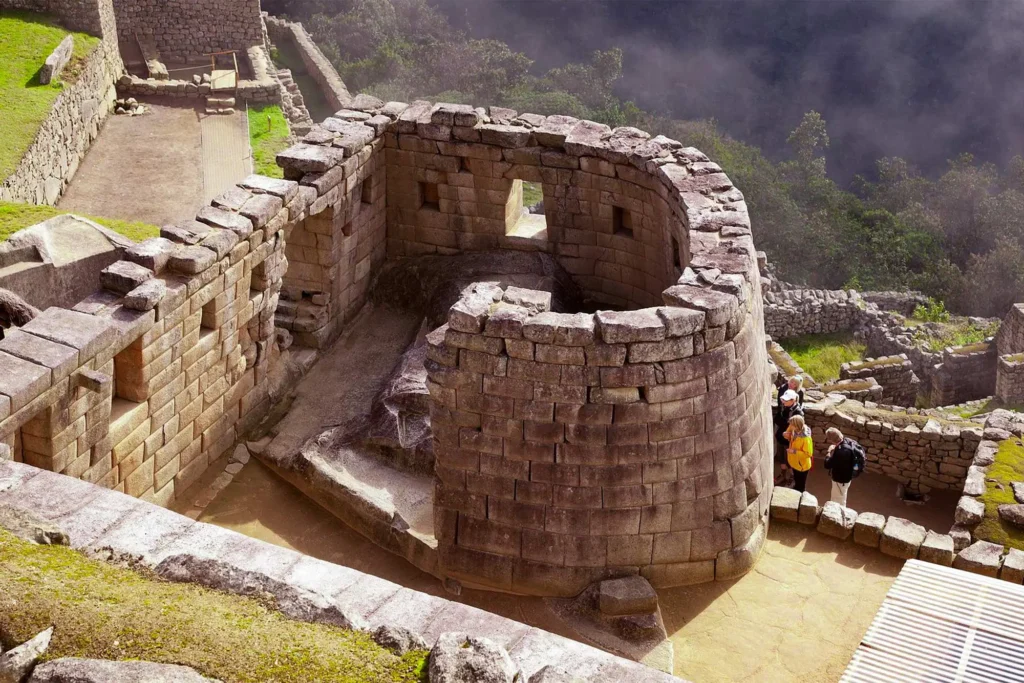
Note that some structures inside — the Temple of the Sun, the Intihuatana — have scheduled access windows and are closed at parts of the day. Your guide will know which. Circuit 2 explained has the route-by-route breakdown.
Circuit 3 — Royalty
The lower sector. The Sacred Rock, the Twelve-Angle Stone, the eastern qolqas, the Temple of the Condor, Pisonay Plaza. What it does not include is the upper terrace panoramic view — you will not get the classic photo on Circuit 3.
Circuit 3 is where all three mountain add-ons live except Machu Picchu Mountain: Huayna Picchu (3-A), the Gran Caverna / Temple of the Moon (3-C, high season only), and Huchuy Picchu (3-D). Circuit 3 explained covers the four routes and which one pairs with which hike.
Table 1 — The three circuits compared
| Circuit 1 — Panoramic | Circuit 2 — Classic | Circuit 3 — Royalty | |
|---|---|---|---|
| What you see | Upper terraces, Guard House, classic elevated viewpoint; no urban sector | Upper viewpoint plus descent through the urban sector, plazas and temples | Lower royal sector, Sacred Rock, Temple of the Condor; no panoramic viewpoint |
| Typical duration | Route 1-B about 2.5 hours; Route 1-A (with Machu Picchu Mountain) 4–6 hours | About 2.5–3 hours | Route 3-B about 2.5 hours; Route 3-C about 4 hours |
| Mountain add-ons | Machu Picchu Mountain (1-A) | None | Huayna Picchu (3-A), Gran Caverna (3-C), Huchuy Picchu (3-D) |
| Seasonal limits | Routes 1-C and 1-D high season only | Available year-round | Route 3-C high season only |
| Daily quota | Machu Picchu Mountain currently around 800/day | Huayna Picchu currently around 400/day | |
| Best for | Photographers, limited mobility, Machu Picchu Mountain hikers | First-time visitors — the default we recommend | Repeat visitors, hikers adding Huayna Picchu, stonework detail |
One structural note: Inca Trail permits now include access to Route 3-B in addition to the trail fee. If you’re trekking in, your circuit is largely decided for you.
Getting there from Cusco: train, trek and the bus
The train
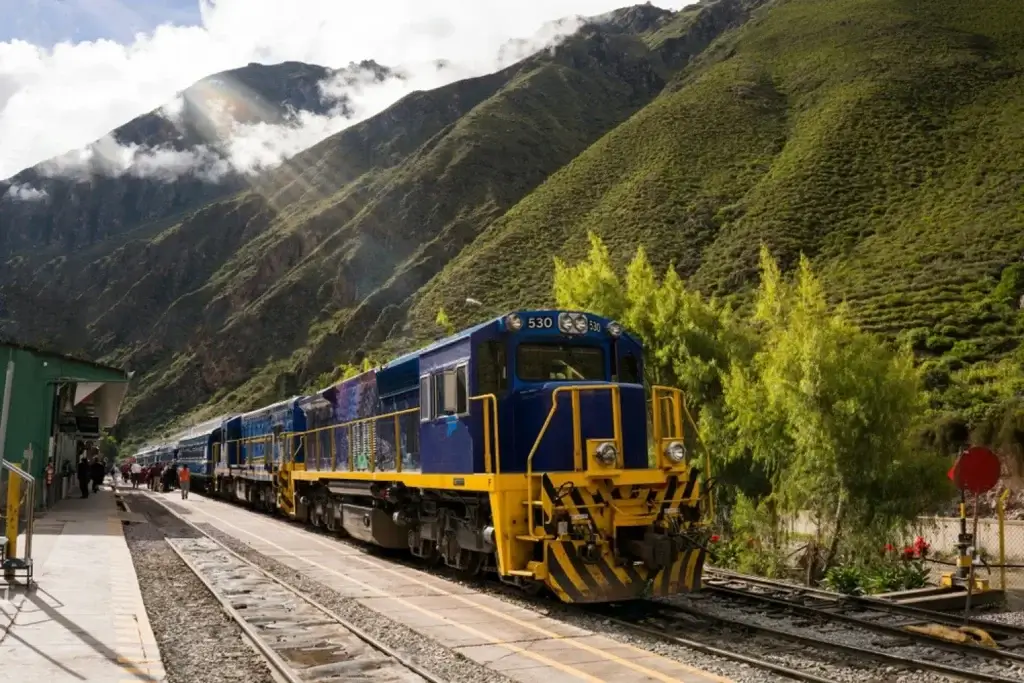
Two operators: PeruRail and Inca Rail. Same track, same destination, different onboard products and different departure times. PeruRail vs IncaRail compares them properly; the short version is that we choose by departure time first and operator second.
Service classes range from the entry-level panoramic-window carriages up to the premium services with observation cars and onboard performance. The price gap between the cheapest and the most expensive class is larger than most travellers expect, and the journey time is identical. The three train classes compared sets out what you actually get for the upgrade.
Luggage matters. Both operators limit you to one bag of roughly 8 kg on the Machu Picchu route. This is not a suggestion; oversized luggage gets left in custody at the station. Pack an overnight bag and leave the main case at your Cusco hotel — we arrange that storage as standard.
The trek
Two Inca Trail options.
The classic 4-day Inca Trail covers roughly 42 km over four days, crossing Dead Woman’s Pass at 4,215 m (13,828 ft), and arrives through the Sun Gate. Permits are capped at 500 per day including guides and porters — about 200 for travellers — and the trail closes every February for maintenance.
The short 2-day Inca Trail from Km 104 is the version for people who want the arrival without four nights of camping. You walk in past Wiñay Wayna and reach the Sun Gate on day one, with a night in Aguas Calientes and the full citadel visit on day two.
Train vs trek to Machu Picchu is the honest comparison, including the acclimatisation days a trek adds to your total trip length.
The bus up
From Aguas Calientes, Consettur shuttles run the 8 km switchback road to the entrance gate. Journey time 25–30 minutes, first departures from about 5:30am, and they leave continuously rather than on a fixed timetable. Buy the bus ticket separately — it is not part of your entrance ticket.
You can also walk. The stairway trail takes about 1 hour 30 minutes up and gains roughly 400 m. Some travellers walk up and ride down; more walk down and ride up. On a wet morning the stone is slick and we usually talk people out of it.
Table 2 — Ways to reach Machu Picchu
| Route | Time | Effort | Notes |
|---|---|---|---|
| Cusco → Ollantaytambo by road → train | About 1h45 road + 1h30–2h rail | Low | The standard. Book the train to match your entry slot |
| Sacred Valley hotel → Ollantaytambo → train | 20–40 min road + 1h30–2h rail | Low | Best for early entry slots. Fewer things can go wrong |
| Bimodal bus + train from Cusco | About 3h30–4h total | Low | Transfers to rail at Ollantaytambo or Pachar. Check your ticket for the transfer point |
| Direct train from Poroy (seasonal) | About 3h30 | Low | Operates seasonally only. Confirm on the date |
| Classic Inca Trail, 4 days | 4 days, roughly 42 km | High — max 4,215 m, camping | Permit required months ahead. Closed every February |
| Short Inca Trail, Km 104, 2 days | 2 days | Moderate — one long walking day | Sun Gate arrival without the camping |
| Aguas Calientes → gate by shuttle bus | 25–30 min | None | Buy separately. From about 5:30am |
| Aguas Calientes → gate on foot | About 1h30 up | High — 400 m of stairs | Slippery when wet. Not before an early slot |
How long you need: half day, full day or two days
The half day at the site
Your ticket caps the visit at four hours, and most routes are built around 2.5–3 hours of walking. So “how long at Machu Picchu” has a hard ceiling. The real question is how long the trip takes.
The one-day round trip from Cusco
Possible, and thousands do it. It means leaving Cusco before dawn, four transport legs each way, and a midday or early-afternoon entry slot — which is the busiest and often the haziest window. Visiting Machu Picchu in one day sets out the realistic timeline hour by hour.
We run it when travellers genuinely have no spare day. We don’t recommend it when they do.
The two-day version
Train down in the afternoon, sleep in Aguas Calientes, early bus and early entry slot the next morning. Better light, thinner crowds, and a buffer if a train runs late. Our 2-day Machu Picchu tour from Cusco is exactly this structure. The counter-argument is that Aguas Calientes is not a charming town and you’ll spend an evening there. We think the trade is worth it.
Two visits
Two entries on consecutive days — Circuit 2 on day one, Circuit 3 with Huayna Picchu on day two — is the completist option. Two full-price tickets and two bus fares, and the only way to see both the panoramic viewpoint and the lower royal sector, because no single ticket covers everything.
If Machu Picchu sits inside a longer trip, the 4-day Cusco and Machu Picchu tour is the shortest itinerary we’ll build that still leaves room for acclimatisation before the citadel.
Best time of year and best time of day
By season
Dry season, May to September. The most reliable mountain weather and the clearest views. June to August is also the busiest and most expensive stretch of the year, and it’s when morning slots vanish first.
Shoulder, April–May and September–October. Our preferred window. Similar odds on the weather, noticeably fewer people, better hotel availability.
Rainy season, November to March. Machu Picchu stays open. Afternoon rain is normal, the cloud forest is genuinely green, and prices drop. Visibility is the gamble — some mornings you’ll wait 40 minutes for the cloud to lift and some mornings it doesn’t. The Inca Trail closes for the whole of February; the citadel does not.
By time of day
Entry slots run hourly from 6am. They are not equivalent.
Early slots (6am–8am). Coolest, quietest at the top of the hour, and the best chance of the cloud-inversion mornings when the citadel appears out of mist. Also the most likely to be socked in — that same mist can simply not lift.
Mid-morning (9am–11am). Usually the best light-to-visibility trade. Also the busiest, because it’s when the day-trippers from Cusco arrive.
Afternoon (12pm onwards). Thinner crowds late on, often clearer skies once morning cloud burns off, and a higher chance of rain in the wet season. The light goes flat, then very good.
Morning vs afternoon entry goes slot by slot. What we tell our travellers: if you only get one visit, take a mid-morning slot in the dry season and an early slot in the wet season, because in the rain the morning window is often the only clear one you’ll get.
Altitude: Machu Picchu is lower than Cusco
This is the single most common misconception we correct, and it changes how people plan.
| Place | Altitude |
|---|---|
| Aguas Calientes | 2,040 m / 6,693 ft |
| Machu Picchu | 2,430 m / 7,972 ft |
| Ollantaytambo | 2,792 m / 9,160 ft |
| Sacred Valley (Urubamba) | 2,871 m / 9,420 ft |
| Cusco | 3,399 m / 11,152 ft |
Machu Picchu is nearly 1,000 m lower than Cusco. Travellers arrive braced for the citadel to be the hard part. It isn’t. Cusco is.
What this means for your itinerary
Two practical consequences.
First: you don’t need to be fully acclimatised for Machu Picchu itself. You need to be acclimatised for Cusco, where you’ll be sleeping either side of it.
Second: the Sacred Valley is your friend. At 2,871 m it’s over 500 m lower than Cusco. Sleeping there for a night or two before Machu Picchu is easier on your body and puts you closer to the train. We build most itineraries this way — arrive Cusco, go down to the valley, visit Machu Picchu, come back up to Cusco once adapted. The 6-day Cusco and Machu Picchu tour is sequenced exactly like that.
What is demanding at Machu Picchu
Not the altitude — the stairs. The site is built on a ridge and the circuits are stone staircases, often wet, sometimes steep, with no handrails. A knee injury is the constraint that matters here, not the elevation.
The genuinely high-altitude days in the region are elsewhere: Rainbow Mountain at 5,036 m (16,522 ft). The Rainbow Mountain guide covers what that day asks of you, and why we never schedule it before Machu Picchu.
Rules, banned items and what to bring
The rules are enforced. Bags are checked at the gate, staff patrol the circuits, and expulsion without refund is a real outcome.
Not allowed inside
- Backpacks, bags or purses larger than 40 × 35 × 20 cm. Paid lockers sit outside the entrance
- Tripods, selfie sticks, gimbals and camera stabilisers. Drones
- Food and kitchenware — plates, cutlery, thermoses. Eat before you go through the turnstiles
- Alcohol, and entry while under its influence
- Aerosols and spray paint
- Musical instruments, speakers, megaphones
- Trekking poles with metal or hard tips. Rubber-tipped canes are permitted for older travellers and anyone with a mobility need
- Hard-soled heels
- Banners, placards and advertising clothing
- Strollers — use a baby carrier
Not allowed as behaviour
Climbing or leaning on walls. Touching or sitting on structures. Leaving your assigned route. Shouting, whistling, singing, jumping, running. Undressing. Anything that treats the site as a backdrop rather than a monument. Damage to structures carries fines into the tens of thousands of soles plus criminal liability.
Bring
Original passport. Printed or downloaded ticket. A 15–25 litre daypack. A reusable water bottle — single-use plastic is discouraged, glass banned. A rain layer rather than a full-size umbrella; only small folding ones pass. Sunscreen and a hat: at 13°S the UV is severe even under cloud. Insect repellent — the cloud-forest sandflies are worse than the mosquitoes. Shoes with grip.
Toilets are outside the gate only. Use them before you go in: there are none inside and you cannot re-enter.
Machu Picchu rules and banned items is the full current list, and it’s worth a read the night before — the bag size is the rule that turns most travellers back at the gate. If any of this affects what you booked, how to buy Machu Picchu tickets covers what can and can’t be changed after purchase.
Aguas Calientes: where you sleep if you stay over
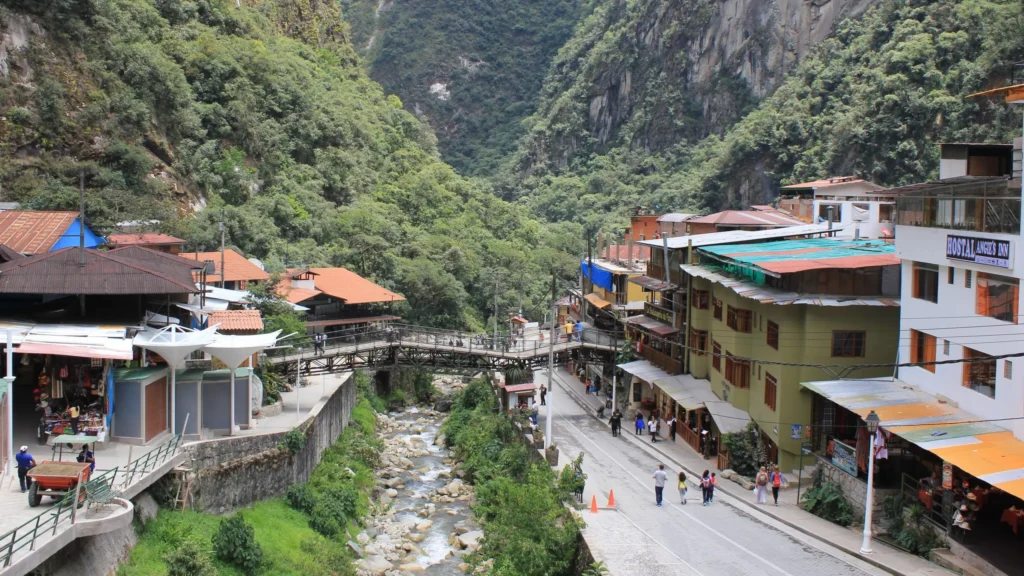
Aguas Calientes — officially Machu Picchu Pueblo — sits at 2,040 m in a narrow gorge along the Urubamba. It exists to serve the citadel. It has no road connection to the outside world; everything arrives by train.
What it’s like
Compact enough to cross on foot in fifteen minutes. Steep, loud with the river, wall-to-wall with restaurants whose touts work hard for you. It is not a destination in its own right and we don’t pretend otherwise. What it has is the bus stop for the 5:30am departures, hot springs, and a gate that’s 30 minutes away instead of four hours.
Choosing where to stay
Three criteria, in order: distance from the bus queue, which at 5am beats every other feature; whether breakfast is served early enough for the first buses, since many places start at 6am and that’s too late; and noise — riverside rooms are loud, rooms above the main street louder. Ask which side you’re on.
The evening
The hot springs the town is named for are a short walk uphill. Modest facilities, hot water, useful after a trek — bring a towel and flip-flops. Restaurants cluster around the plaza and the tracks. Eat early; kitchens close sooner than you’d expect.
If you’re arriving on foot rather than by train, the short 2-day Inca Trail from Km 104 uses this overnight as its structural pivot: Sun Gate on day one, sleep in town, full citadel visit on day two. And our 2-day Machu Picchu tour from Cusco is the train version of the same idea.
How Machu Picchu fits into a wider Peru itinerary
Almost nobody flies to Peru only for Machu Picchu. The question is what goes around it.
The day before
The strongest single move in Cusco-region planning: spend the day before Machu Picchu in the Sacred Valley, then sleep there. You see Pisac or Ollantaytambo, you sleep 500 m lower than Cusco, and you start the next morning 20 minutes from the train. The Sacred Valley full-day tour is built to end at Ollantaytambo for exactly this reason.
The day after
Nothing demanding. You’ll reach Cusco in the evening after a long transport day, so we keep the following morning free on every itinerary we run.
By trip length
4 days: Cusco, one Sacred Valley day, Machu Picchu. The 4-day Cusco and Machu Picchu tour — tight but workable.
6 days: the same with acclimatisation built in and a recovery day. The 6-day Cusco and Machu Picchu tour is what we recommend to most first-time visitors.
7 days: adds one high-altitude day, scheduled after Machu Picchu, never before. The 7-day Cusco and Machu Picchu tour.
8 days: the South Valley, Maras and Moray, and the unhurried version of everything above. The 8-day Cusco and Machu Picchu tour.
With a trek: the classic 4-day Inca Trail needs acclimatisation days before it, so budget seven or eight days total, not four.
The mistake we correct most
Putting Machu Picchu on day two. Travellers land in Cusco, feel the altitude, and want to get the big one done before anything goes wrong. What actually happens is a four-leg travel day on the worst day their body will have all trip.
Machu Picchu belongs in the middle of your itinerary. Arrive, rest, go down to the valley, then the citadel.
For the full picture — how many days you need, what a package includes, what it costs and how to choose between operators — start with our full guide to Peru tour packages. It’s the article that sits above this one, and it’s where the itinerary decision actually gets made.
Frequently asked questions
Which Machu Picchu circuit is best?
Circuit 2 for most first-time visitors. It’s the only circuit that combines the classic elevated viewpoint with a walk down through the urban sector — plazas, temples and the residential compounds. Circuit 1 is panoramic-only. Circuit 3 covers the lower royal sector but does not include the postcard viewpoint. You cannot switch circuits at the gate.
How do I get to Machu Picchu from Cusco?
Road to Ollantaytambo (about 1 hour 45 minutes), train to Aguas Calientes (about 1 hour 30 minutes to 2 hours), then a 25–30 minute shuttle bus up to the entrance. Bimodal bus-plus-train services run from Cusco with a transfer to rail at Ollantaytambo or Pachar. There is no road to the citadel itself.
Is Machu Picchu higher than Cusco?
No. Machu Picchu is at 2,430 m (7,972 ft); Cusco is at 3,399 m (11,152 ft), nearly 1,000 m higher. Most altitude discomfort happens in Cusco. What’s demanding at the citadel is the stairs, not the elevation.
How far in advance should I book Machu Picchu tickets?
As soon as your dates are fixed. Morning slots on Circuit 2 in the June–August peak go first, and Huayna Picchu goes earlier still. Tickets are non-transferable and non-refundable, there is no waitlist, and there is no way to upgrade a route once the quota is full.
Can I visit Machu Picchu in one day from Cusco?
Yes, but it means a pre-dawn departure, four transport legs each way, and usually a midday or afternoon entry slot. With no spare day it works. With one spare day, the overnight in Aguas Calientes gives you an early slot, better light and a buffer against delays.
How long do you spend inside Machu Picchu?
Your ticket caps the visit at four hours. Most routes are designed around 2.5–3 hours of walking. Route 1-A with Machu Picchu Mountain runs 4–6 hours because of the climb, and Route 3-C with the Gran Caverna takes about 4 hours.
Is Huayna Picchu worth it, and how hard is it?
About an hour up and 45 minutes down on narrow, steep Inca stairs with exposed sections. Minimum age 12, roughly 400 places a day, and it sells out before anything else. Worth it if you’re comfortable with heights. If you aren’t, Machu Picchu Mountain is longer but far less exposed, and Huchuy Picchu is 20 minutes up.
What can’t I bring into Machu Picchu?
Bags over 40 × 35 × 20 cm, tripods, selfie sticks, drones, food and kitchenware, alcohol, aerosols, speakers, metal-tipped trekking poles, hard-soled heels and strollers. Lockers are available outside the entrance. Bags are checked at the gate.
When is the best time of year to visit?
May to September for the most reliable weather; June to August is busiest. April–May and September–October are the shoulder months we prefer — similar conditions, fewer people. November to March is rainy season: cheaper, greener, less reliable visibility, and the site stays open. The Inca Trail closes every February.
Do I need a guide at Machu Picchu?
Independent entry is permitted, but guided groups are capped at 10 people including the guide, and a licensed guide is the difference between looking at stonework and understanding it. If you book through an operator, the group is pre-organised to that limit.