You’ve got three or four days in Cusco, a plane ticket already booked, and a nagging fear that you’re about to waste your trip on a bad itinerary order. Maybe you booked Machu Picchu tickets first and now you’re wondering if you should have started lower, in the valley. Maybe you’re worried the altitude will hit you before you even see the ruins you flew ten hours for.
That fear is legitimate. Get the order wrong and you’ll spend day one with a headache in Cusco at 3,399 meters, too dizzy to enjoy anything. This guide settles the Sacred Valley vs Machu Picchu question with real altitude numbers, real train schedules, and the sequence local guides actually recommend.
Sacred Valley vs Machu Picchu: Two Different Experiences
These aren’t competing attractions — they’re complementary pieces of the same trip, and comparing them head-to-head misses the point.
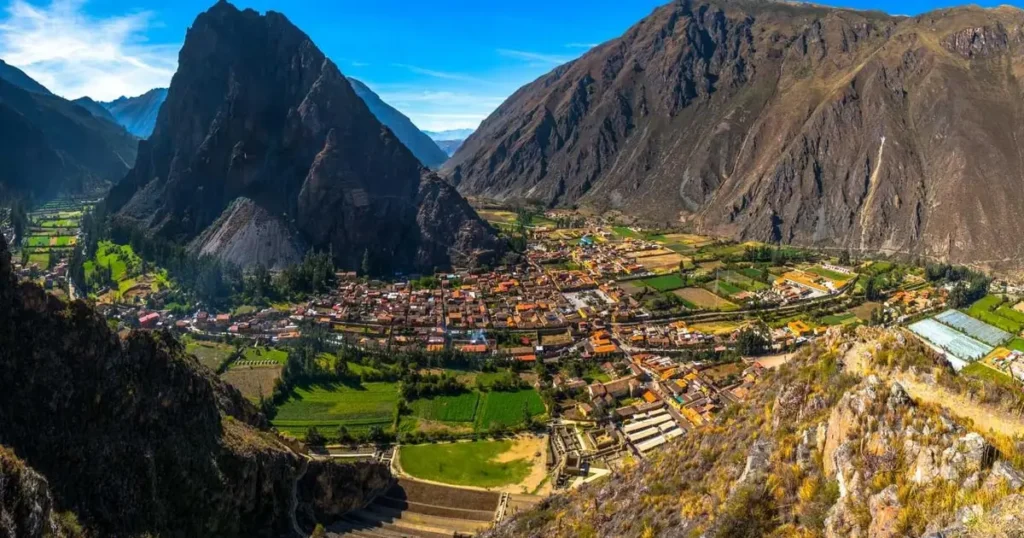
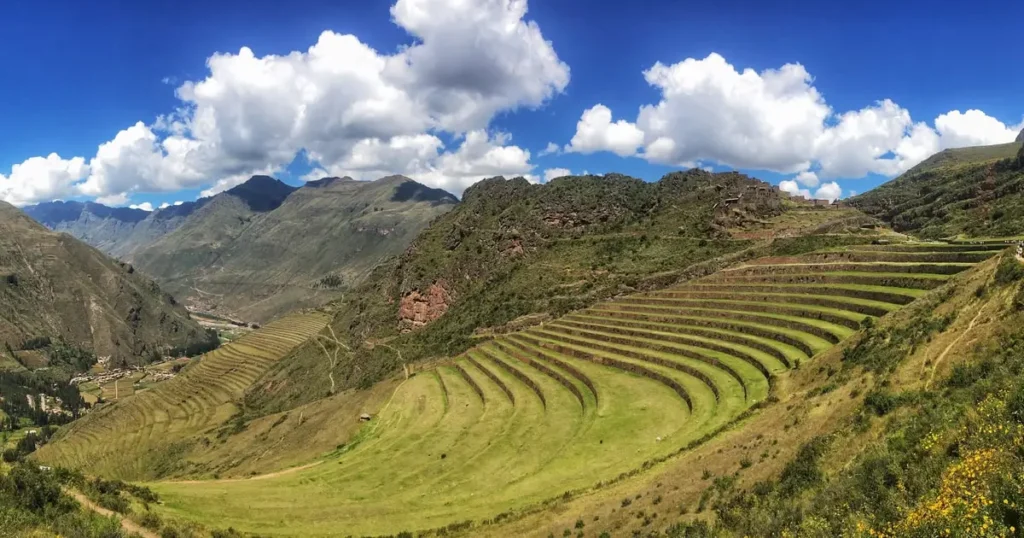
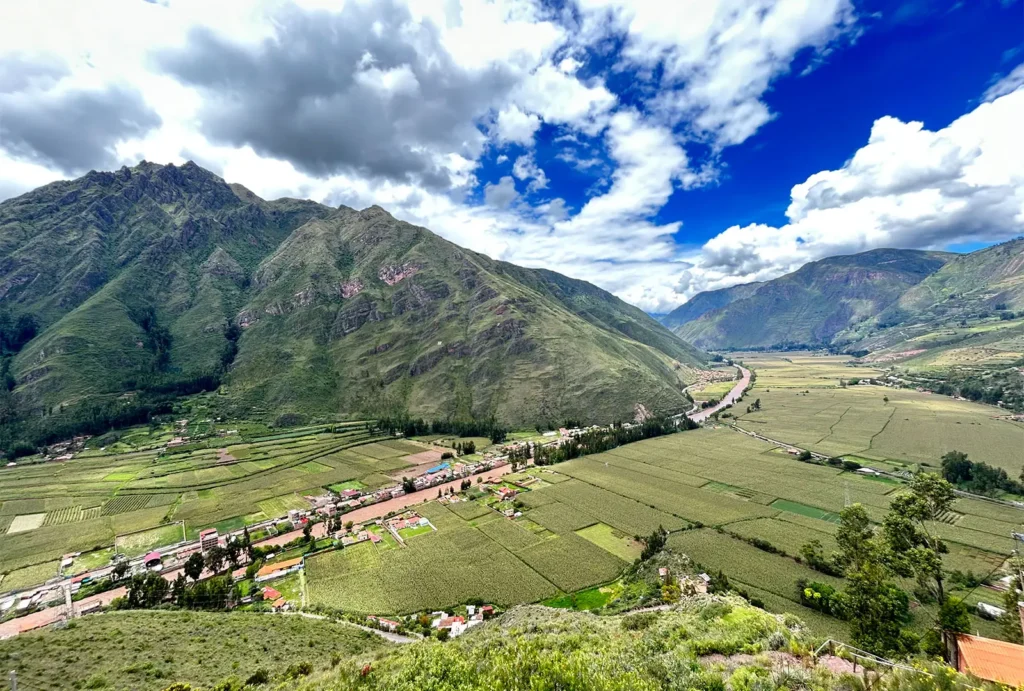
The Sacred Valley (Valle Sagrado in Spanish, or Willka Qhichwa in Quechua) is a string of Inca towns and agricultural terraces running along the Urubamba River: Pisac, Urubamba, Ollantaytambo, and Chinchero. You walk through working markets, active terraces, and living villages.
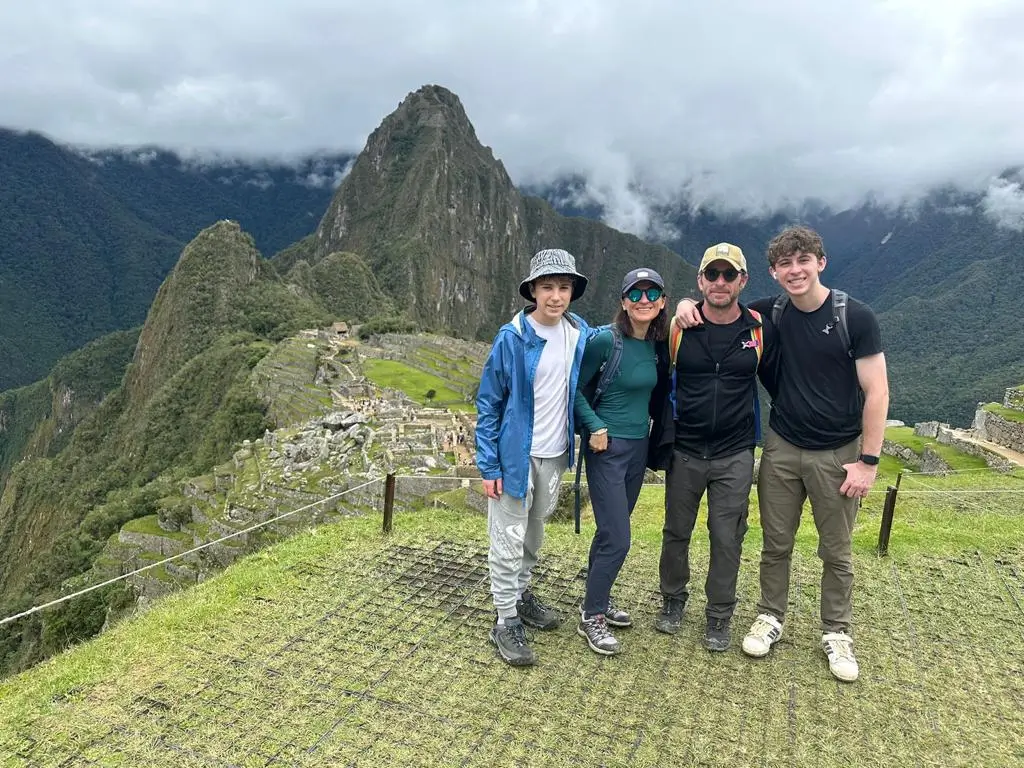
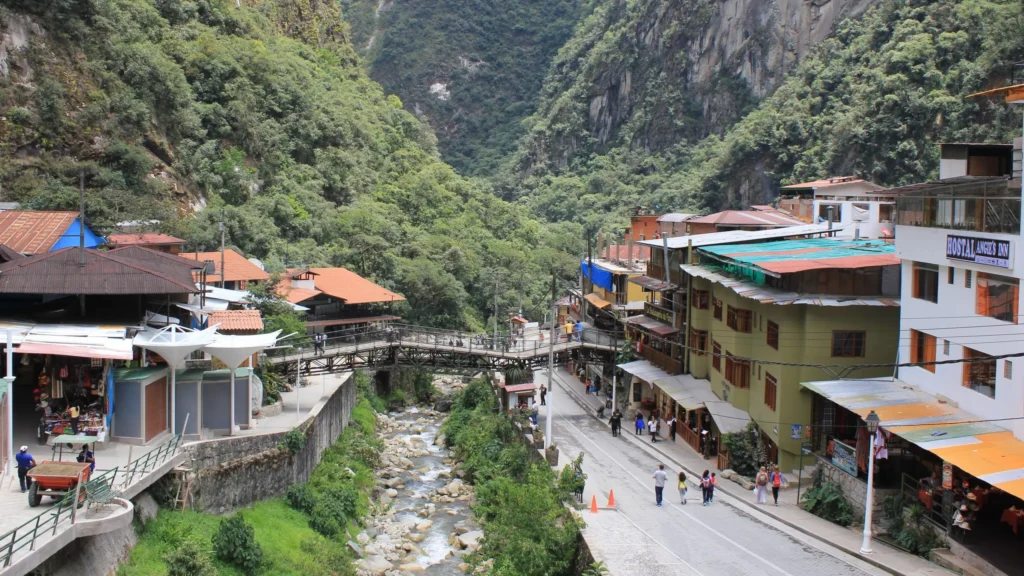
Machu Picchu is a single archaeological site, isolated on a ridge at 2,430 m.s.n.m., reachable only by train plus bus or a multi-day trek. It’s denser, more dramatic, and far more crowded per square meter.
Altitude: The Real Reason Order Matters
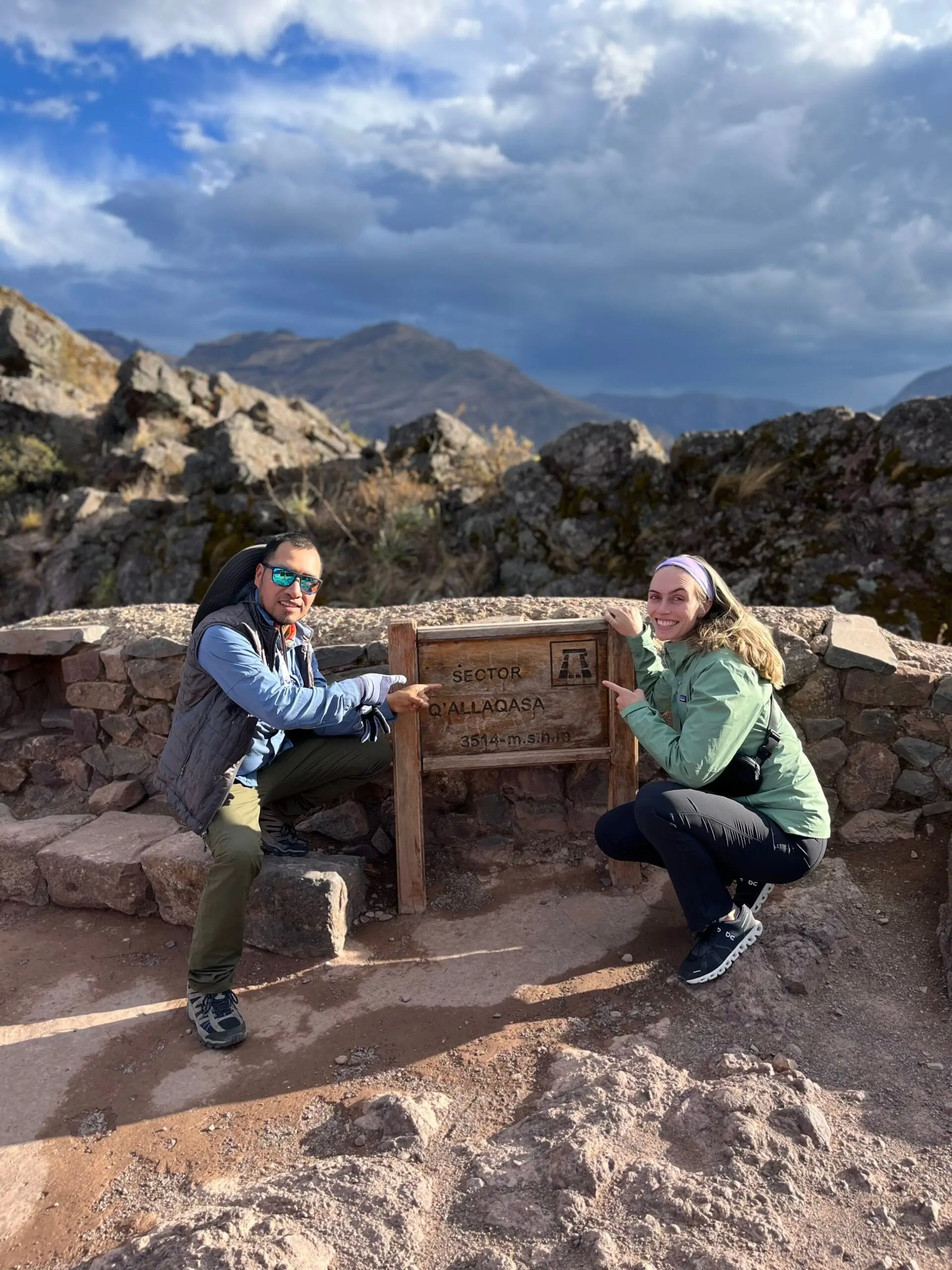
Here’s the number that should drive your itinerary: Sacred Valley altitude vs Cusco isn’t even close. Cusco sits at 3,399 m.s.n.m. Ollantaytambo sits at 2,792 m.s.n.m. Urubamba sits at 2,871 m.s.n.m. Machu Picchu itself sits lower still, at 2,430 m.s.n.m.
That means the Sacred Valley is genuinely lower than Cusco, sometimes by 600 meters or more. Descending into the valley on your first or second day helps your body adjust instead of fighting thin air at Cusco’s full elevation right away.
Should You Visit Sacred Valley Before Machu Picchu?
Yes, in almost every case. Guides in Cusco recommend this order for a practical reason: acclimatization works better when you descend before you push higher again.
Flying into Cusco and heading straight into a full day at 3,399 meters is the fastest way to trigger soroche (altitude sickness) — headaches, nausea, shortness of breath. Spending your first full day in the Sacred Valley instead, at 500 to 900 meters lower, gives your body an easier transition.
Then, when you take the train down to Aguas Calientes and up to Machu Picchu at 2,430 meters, you’re moving to lower altitude again — easier still on your lungs.
Best Order to Visit Cusco, Sacred Valley, and Machu Picchu
Based on how flights and trains actually run, this sequence works best for most travelers:
- Day 1 — Arrive in Cusco, rest, walk slowly, drink mate de coca
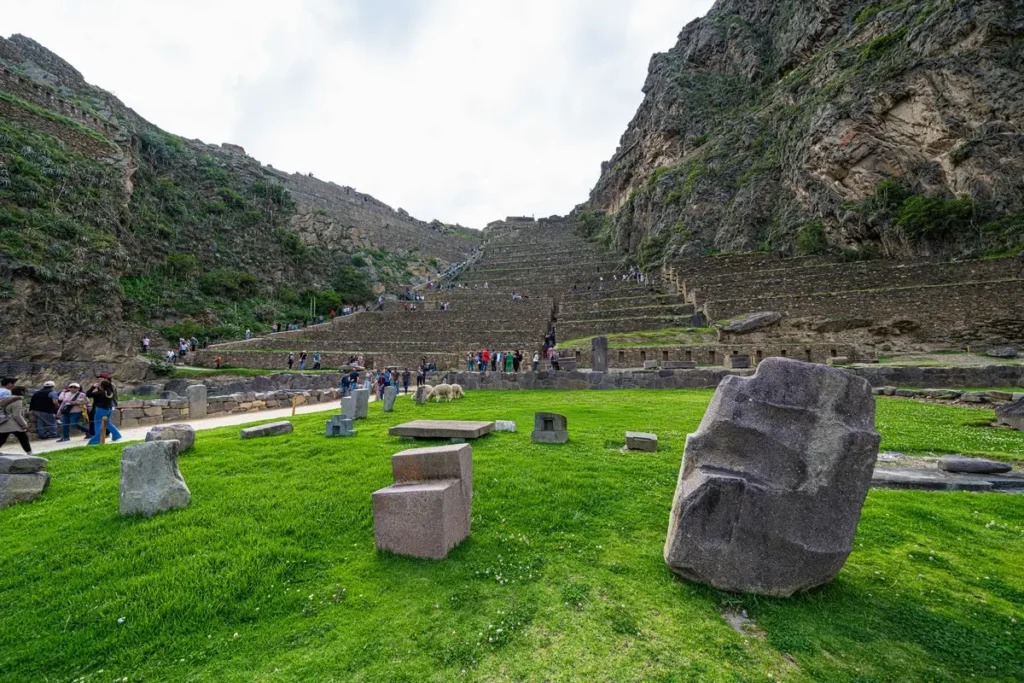
- Day 2 — Head into the Sacred Valley: Pisac market and terraces in the morning, Ollantaytambo in the afternoon
- Day 3 — Train from Ollantaytambo to Aguas Calientes, visit Machu Picchu
- Day 4 — Return to Cusco, explore the historic center at your own pace
This order lets your body adapt gradually instead of yo-yoing between elevations, and it matches how most train departures are scheduled anyway.
Cusco to Sacred Valley: Getting There
Getting from Cusco to the valley takes 45 minutes to 1.5 hours by road, depending on your first stop.
- Cusco to Pisac: about 45 minutes, mostly downhill through the mountains
- Cusco to Chinchero: 30–40 minutes, though Chinchero itself sits higher, at 3,762 m.s.n.m.
- Cusco to Urubamba: roughly 1 hour
- Cusco to Ollantaytambo: about 1 hour 15 minutes
Most agencies run this as a single-day loop covering Pisac, Urubamba or Chinchero, and Ollantaytambo, with the tour bus dropping you at Ollantaytambo’s train station in the late afternoon if you’re continuing on to Machu Picchu.
Sacred Valley to Machu Picchu Train: What to Know
The only way to reach Aguas Calientes (the town below Machu Picchu) is by train — no roads connect directly. Two companies operate the route: PeruRail and Inca Rail.
Ollantaytambo to Machu Picchu
Ollantaytambo is the standard departure point, and for good reason — it cuts the ride to roughly 1 hour 40 minutes, versus over 3 hours if you board from Cusco or Poroy instead.
Ticket prices run $65–90 USD one-way in economy class (Expedition or Voyager service), rising to $150+ for premium cars with panoramic windows. Book at least two to three weeks ahead in high season — trains sell out fast between June and August.
How to Get From Sacred Valley to Machu Picchu Step by Step
- Take the train from Ollantaytambo station to Aguas Calientes (Machu Picchu Pueblo)
- From Aguas Calientes, catch a shuttle bus up the mountain (25 minutes, $12 USD each way)
- Enter Machu Picchu with your pre-purchased, time-slotted ticket
Buses run continuously from 5:30 a.m., and lines build fast after 8:00 a.m. — get there early if you want the site with fewer people in your photos.
Can You Do Sacred Valley and Machu Picchu in the Same Day?
Technically yes, but don’t. The math doesn’t work in your favor: a full Sacred Valley tour runs 8–10 hours, and reaching Machu Picchu requires a train departure that typically leaves Ollantaytambo mid-afternoon at the earliest.
Cramming both into one day means rushing through Pisac’s terraces, skipping lunch, and arriving in Aguas Calientes exhausted the night before your Machu Picchu entry — a bad way to experience either site. Split them across two separate days minimum.
Sacred Valley and Machu Picchu in 2 Days
If you’re tight on time, this compressed version still works:
- Day 1: Sacred Valley tour (Pisac + Ollantaytambo), overnight in Ollantaytambo or Urubamba instead of returning to Cusco
- Day 2: Early train to Aguas Calientes, full morning at Machu Picchu, afternoon train back to Cusco
Sleeping in the valley the first night instead of driving back to Cusco saves nearly two hours of transit and keeps you at lower altitude longer.
Cusco Itinerary: 3 Days, Sacred Valley and Machu Picchu
For travelers with exactly three days, here’s a realistic breakdown:
- Day 1: Arrive Cusco, light walking tour of the historic center, early night
- Day 2: Full Sacred Valley day — Pisac ruins and market in the morning, Ollantaytambo fortress in the afternoon, overnight in Ollantaytambo
- Day 3: Early train to Machu Picchu, guided tour of the site, afternoon train back to Cusco
This sequence hits every major site without a single day of backtracking.
Is the Sacred Valley Worth It?
Yes — skipping it to save a day is the most common regret among travelers who only budget time for Machu Picchu. The valley gives you Ollantaytambo’s fortress, still inhabited on the same street grid the Incas laid out 500 years ago, and Pisac’s Sunday and Thursday markets, where Quechua-speaking vendors from surrounding villages sell textiles, silver, and produce grown on the same terraces above the town.
Chinchero adds a working textile cooperative where women demonstrate natural dyeing with cochineal insects and local plants — a level of living culture Machu Picchu, as a preserved ruin, simply doesn’t offer.
Sacred Valley Tours from Cusco: What to Expect
Standard group tours cost $25–45 USD per person for a full day, including transport and a guide, but excluding entrance tickets. The Boleto Turístico (tourist ticket) covers Pisac, Ollantaytambo, and Chinchero for about $22 USD if bought as the partial circuit, or $70 USD for the full 16-site version.
Private tours run $80–150 USD for a group of two to four, with flexible stops and pace.
Expert Tips for Planning Your Route
- Buy Machu Picchu entrance tickets first, before booking anything else — daily visitor caps mean popular time slots (especially 6:00–8:00 a.m.) sell out weeks ahead in June through August
- Skip Chinchero on your first day if you’re not acclimatized — at 3,762 m.s.n.m. it’s higher than Cusco itself, a bad early stop for altitude-sensitive travelers
- Eat light in Ollantaytambo before the train — the ride includes snacks, but a heavy meal at altitude before travel invites nausea
- Eat trout (trucha) in Urubamba — it’s raised locally in the valley’s cold rivers and shows up fresher here than almost anywhere else in the region
- Eat at Pisac market by mid-morning — vendors sell out of the best bread and cheese by early afternoon
- Carry small soles bills for the valley — many stalls and toll points don’t take cards or break large notes
- Pack a rain layer even in dry season — valley weather shifts fast, especially between Chinchero and Ollantaytambo where clouds build over the mountains by early afternoon
Sacred Valley vs Machu Picchu: Which Is Better
Neither wins outright — they measure different things. Machu Picchu delivers the singular, iconic view every traveler pictures. The Sacred Valley delivers depth: living towns, working terraces, and Quechua culture still practiced daily, not preserved behind a fence.
Visit the valley first for acclimatization and context, then let Machu Picchu close out the trip as the payoff it’s built up to be.
Planning your Sacred Valley itinerary shouldn’t mean guessing at train times and altitude math on your own. At Peru Andes Discovery, we build custom Sacred Valley and Machu Picchu combinations timed around your acclimatization, your train availability, and your entrance ticket slots. Contact us for a quote and let a local team lock in the order that actually works for your dates.