
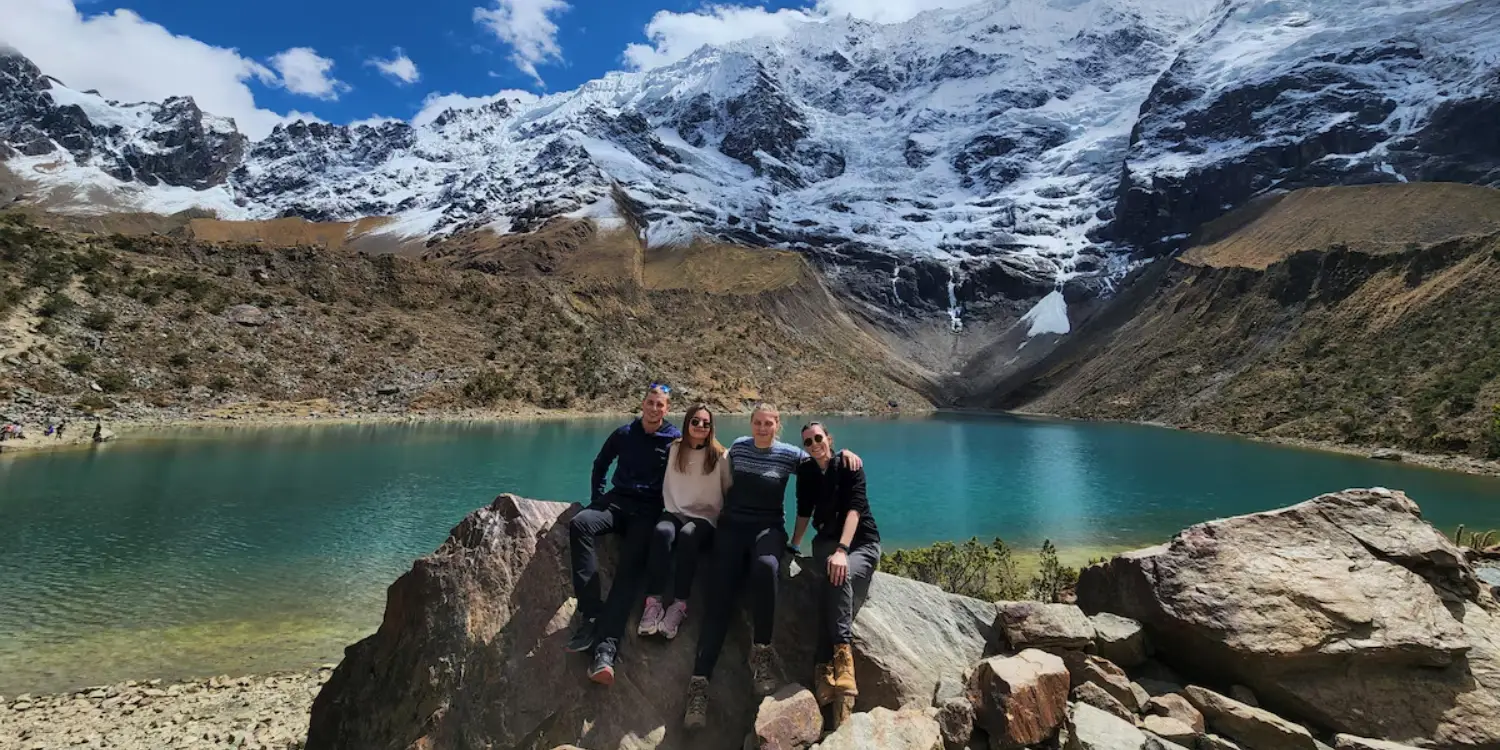
You scroll through social media and see that electric turquoise water sitting perfectly below a glacier. It looks easily accessible. The reality of hiking above 4,000 meters in the Andes hits much harder. Travelers routinely underestimate the steep incline and thin air. They end up gasping on the side of the trail, letting altitude sickness ruin what should be a milestone day. We cut the fluff. If you want to conquer Humantay Lake, you need tactical preparation, not filters. This guide breaks down the exact logistics, physical requirements, and timing strategies to execute this trek safely.
The Brutal Reality of the Humantay Lake Altitude
The core challenge of the Humantay Lake hike is oxygen deprivation, not the physical distance. Your body must work twice as hard to fuel your muscles.
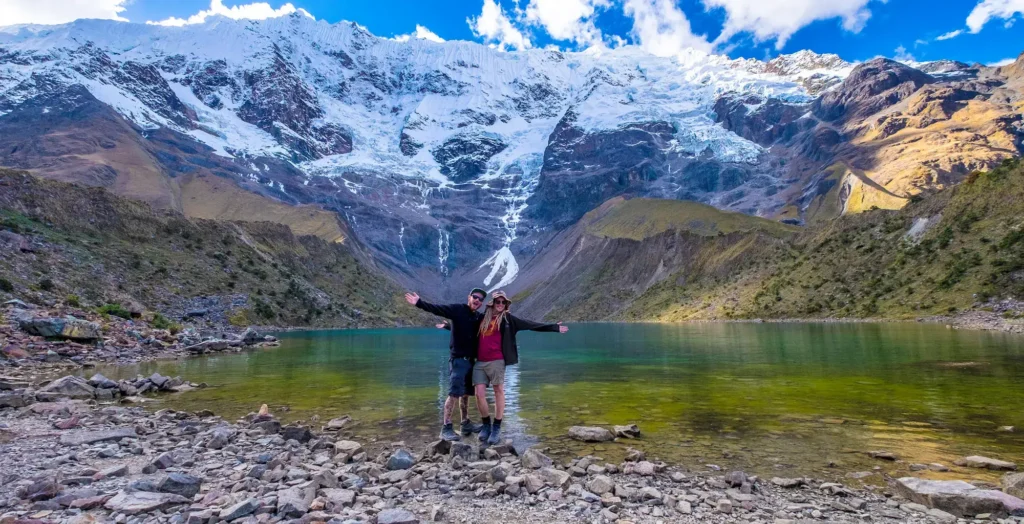
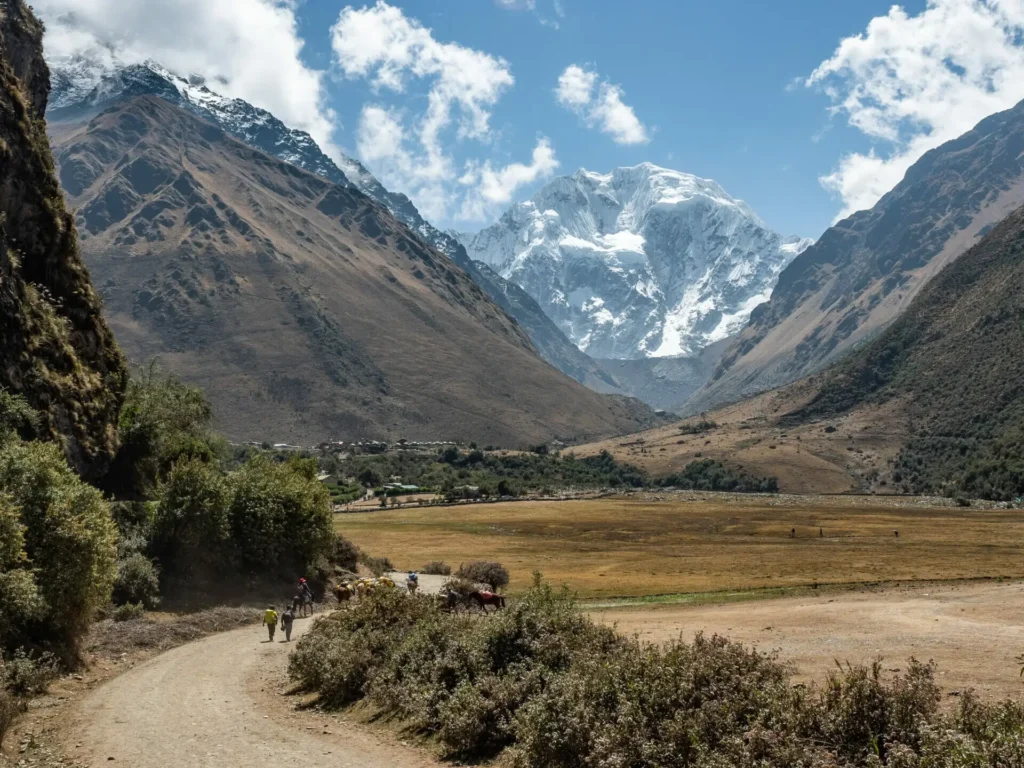
You start the trek at the Soraypampa base camp, which sits at an already demanding 3,900 meters (12,795 feet). This is the exact same starting point for the famous multi-day Salkantay Trek. From the camp, you must climb to the lake itself, which rests at 4,200 meters (13,779 feet) directly at the base of the Humantay glacier.
That means you are pushing through a 300-meter (nearly 1,000-foot) vertical gain in roughly 1.5 to 2 hours. Do not attempt this hike on your first day in Cusco. You need a strict minimum of 48 hours of prior acclimatization in the city or the Sacred Valley to avoid acute mountain sickness (AMS).
Executing the Trail: Logistics and Route Difficulty
The journey begins long before you hit the trail. A standard Humantay Lake tour requires a 4:00 AM departure from Cusco. You drive two hours west to the agricultural town of Mollepata (2,900 meters / 9,514 feet). You stop here for breakfast and to pay the local community entrance fee (20 soles).
From Mollepata, the paved highway ends abruptly. The next hour involves a bumpy, jarring ride up a narrow dirt cliffside road to reach the Soraypampa parking lot.
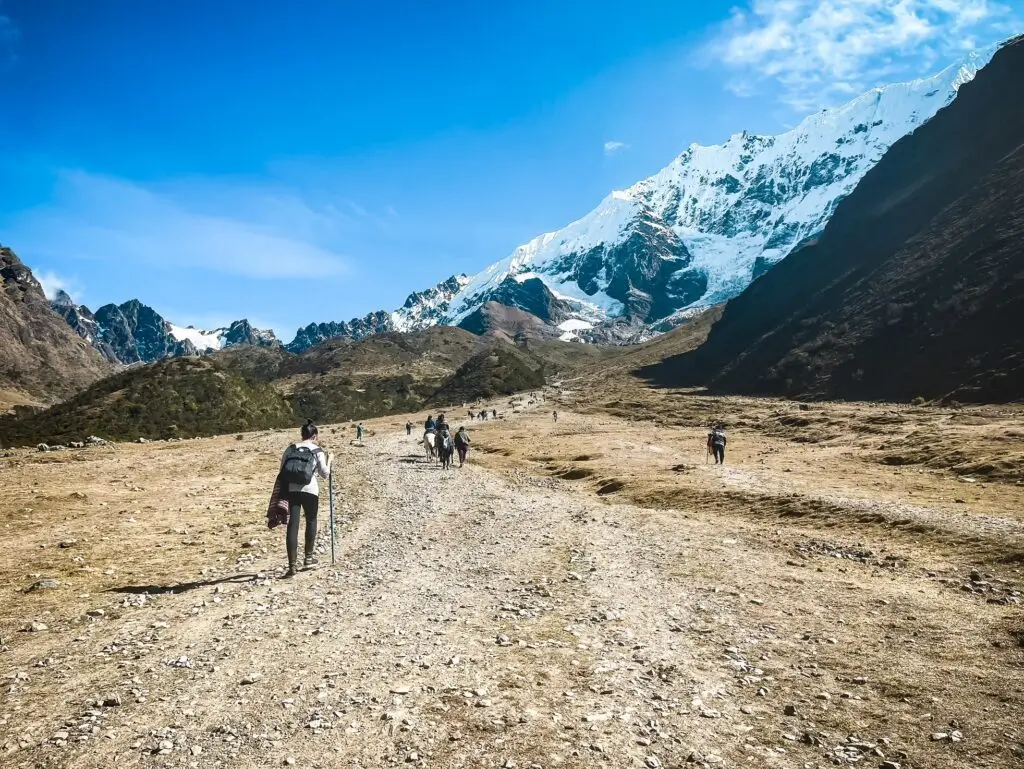
The trail starts relatively flat for the first 15 minutes as you walk through the valley toward the mountains. Then, the real ascent begins. The path turns into a series of steep, rocky switchbacks. The terrain is composed of loose gravel and packed dirt. It requires constant focus to maintain your footing.
Weather Patterns and The Best Time to Go
That surreal water color comes from mineral-rich glacial flour catching direct sunlight. If it is cloudy, the lake looks gray. Timing your trip dictates your visibility.
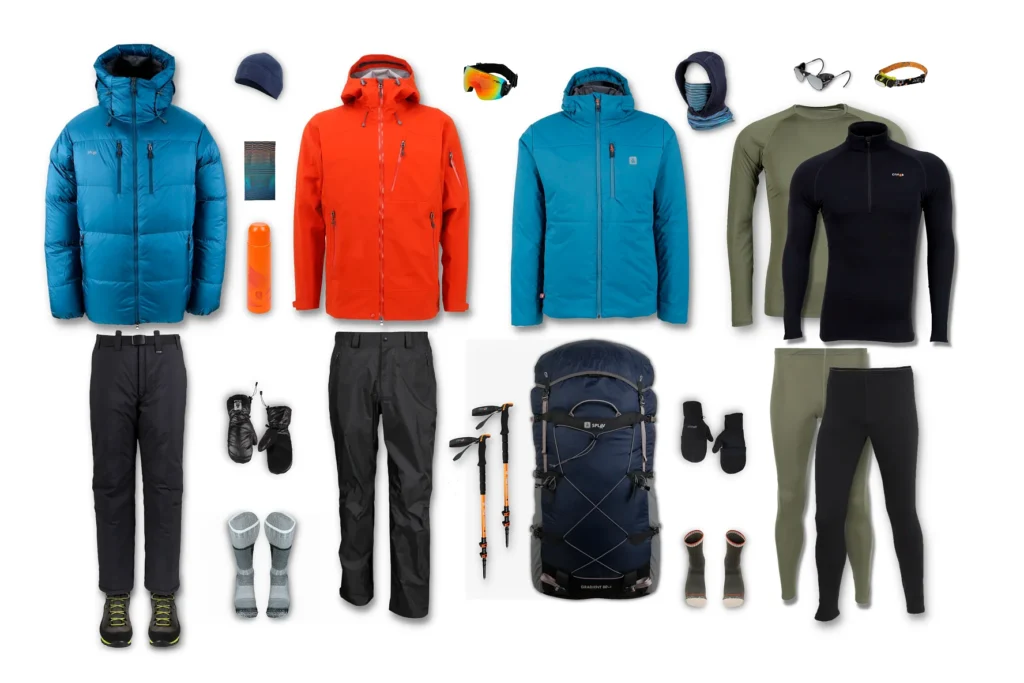
The strict dry season runs from May through October. This is your target window. Expect freezing temperatures at the trailhead, often dropping to -2°C (28°F) before dawn. However, once the sun crests the peaks around 10:00 AM, high-altitude UV rays push the temperature up to a burning 18°C (64°F). You must dress in a highly adaptable layering system.
Avoid this route during the peak rainy season (January and February). Heavy downpours turn the steep switchbacks into dangerous mudslides. Low-hanging clouds entirely obscure the Apu (the Quechua term for the sacred mountain spirit) and the glacier behind the water.
Essential Gear for the Ascent
Do not hike in standard street shoes. The loose scree on the descent will cause you to slide.
- Footwear: Wear mid-rise hiking boots with Vibram outsoles to grip the loose rock.
- Trekking Poles: These are non-negotiable for saving your knees on the steep hike down. Use rubber tips to grip the rock better.
- Sun Defense: At 4,200 meters, the atmosphere provides zero UV protection. Wear SPF 50+, a wide-brimmed hat, and polarized sunglasses to cut the intense glare off the snow and water.
- Layering: Start with a moisture-wicking synthetic base. Add an insulating fleece. Top it off with a lightweight Gore-Tex windbreaker.
Consejos de Experto: Surviving the Hike
- The Horse Strategy: If you feel dizzy or physically exhausted at the base camp, swallow your pride and rent a horse immediately. It costs roughly 70 to 90 soles for the uphill portion. The horses do not go all the way to the water; you still have to hike the final 15-minute rocky scramble yourself.
- The Rest-Step Technique: Adopt the mountaineer’s pace. Take a short step, lock your back knee for a micro-second to let your skeleton bear your weight, and breathe deeply before taking the next step. Slow and steady beats stopping every two minutes to gasp for air.
- Agua de Florida: Local guides carry a yellow bottle of floral cologne called Agua de Florida. If you feel nauseous, ask them for a few drops in your hands. Rub them together and inhale deeply. The sharp alcohol and menthol scent acts as a quick reset for your nervous system and clears your airways.
- Beat the Crowds: Stick to the left side of the lake once you arrive. The main viewpoint at the center gets overwhelmingly crowded with massive budget tour groups taking selfies. Walk 10 minutes further along the left ridge for a clear, unobstructed angle of the glacier.
Secure Your Andean Trek
Reaching Humantay Lake requires serious physical exertion, precise pacing, and reliable logistics. Booking a cheap, overcrowded van puts you on the mountain with guides who cannot monitor your health or provide emergency oxygen when altitude sickness strikes.
Do not risk your safety or your itinerary. At Peru Andes Discovery, we operate with strict small-group caps, carry industrial medical-grade oxygen on every hike, and time our routes to avoid the heavy bottlenecks. Browse our specialized trekking packages today and let our certified local experts guide you safely to the glacier.