
Traveling straight from a sea-level flight to the Andes sets your body up for failure. You arrive exhausted, head pounding from the thin air, and immediately face the complex logistics of booking train tickets, negotiating with local drivers, and trying to sequence multiple archaeological sites. Rushing this process usually guarantees you will spend your trip fighting altitude sickness in a hotel room instead of exploring the ruins.
The most effective way to acclimatize, secure your train connection to Machu Picchu, and maximize your timeline is executing a strategic route through Sacred Valley Peru. This guide breaks down the exact timing, transport costs, and specific routes you need to navigate this corridor efficiently in a single day.
Why a Sacred Valley Tour is Your Best First Step
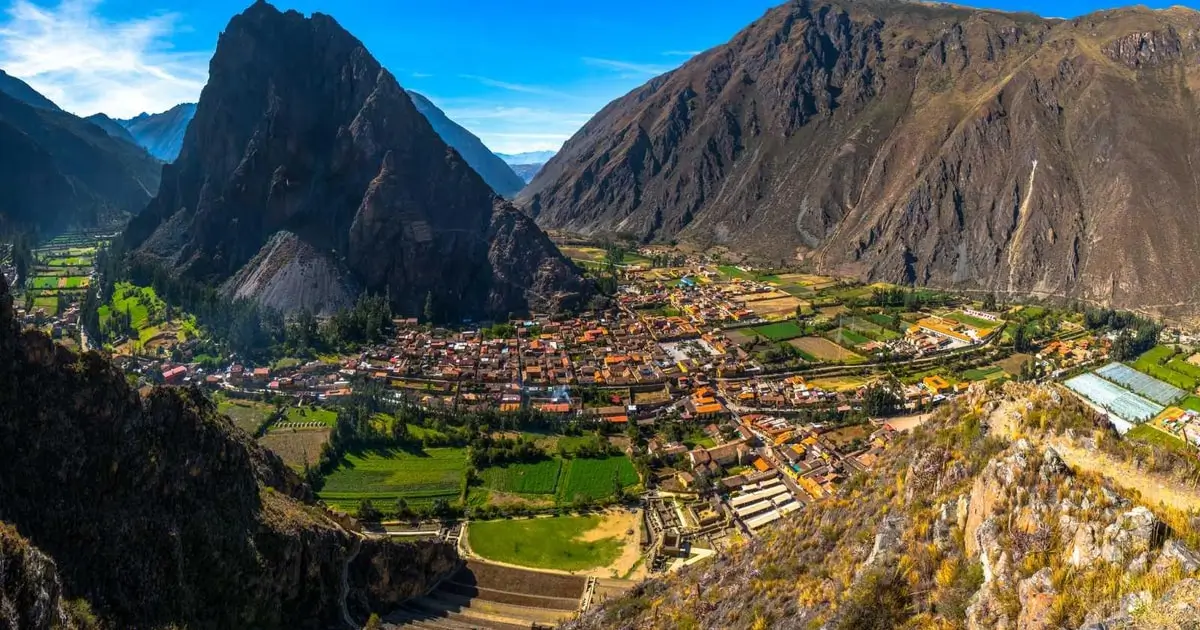
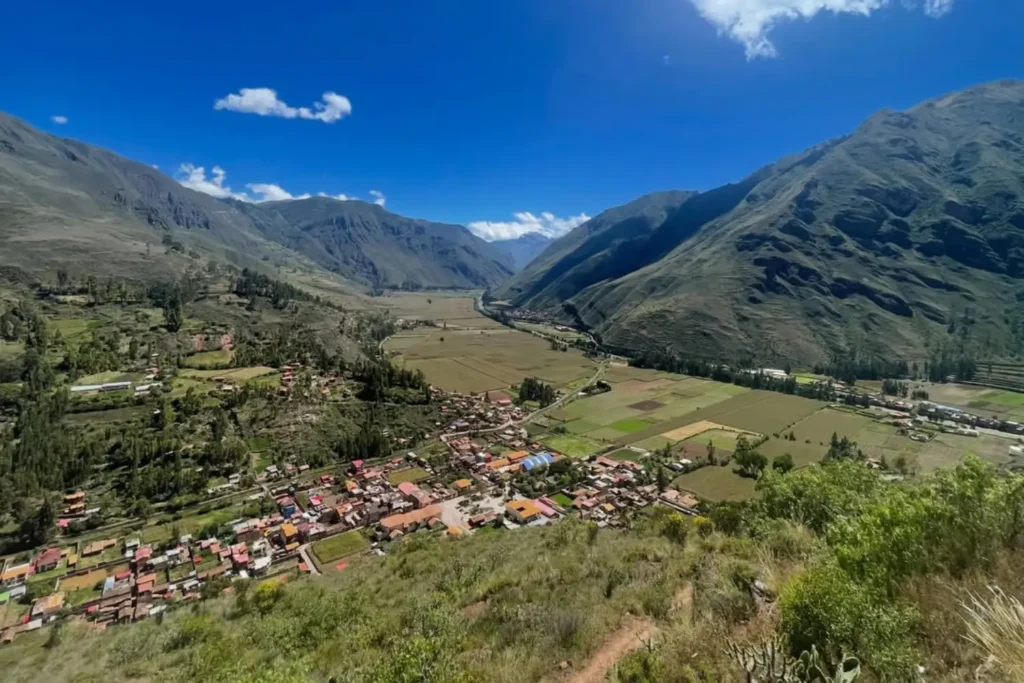
Altitude strategy dictates your success in the Andes. Cusco sits at a demanding 3,399 meters (11,152 feet) above sea level. Dropping immediately into the valley provides crucial relief. Towns along the Vilcanota River, such as Urubamba (2,871 meters / 9,420 feet) and Ollantaytambo (2,792 meters / 9,160 feet), offer a highly oxygenated environment that dramatically speeds up your acclimatization.
Timing your Sacred Valley tour also requires attention to the Andean climate. The dry season runs strictly from May through October. During these months, expect morning temperatures near freezing (0°C/32°F) that rapidly spike to a high-UV 20°C (68°F) by midday. Layered clothing is mandatory.
The Ultimate Sacred Valley Day Trip Itinerary
To execute this route without feeling rushed, you need a private taxi or a pre-arranged transport service. Relying on public colectivos (shared vans) adds hours of wait time and unpredictable stops, which you cannot afford on a one-day schedule.
7:30 AM: The Drive to Pisac and the Intihuatana
Leave your Cusco hotel by 7:30 AM. The drive to the Pisac ruins takes approximately 45 minutes, winding up through the mountains before descending into the valley. Do not stop at the artisanal market in the town square first; head directly to the upper archaeological site to beat the heavy tour bus traffic arriving around 9:30 AM.
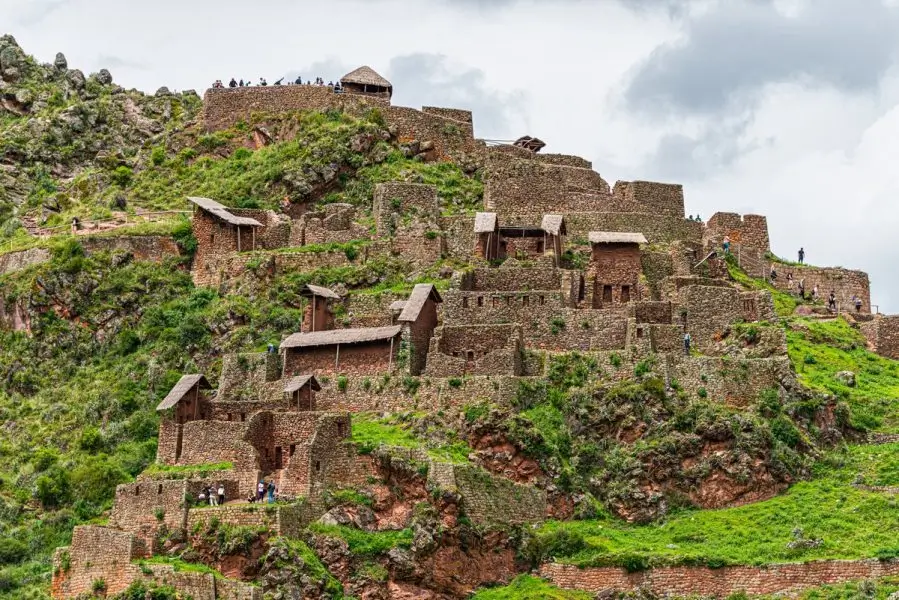
The Pisac ruins (3,300 meters / 10,826 feet) require serious physical effort. Focus your time on the Intihuatana sector. Known in Quechua as the “hitching post of the sun,” this ceremonial center features pink granite stonework that directly rivals the precision found at Machu Picchu. You will walk along narrow cliffside trails overlooking massive, curving agricultural terraces.
12:00 PM: Traversing the Valley to Urubamba
After two hours exploring Pisac, drive 45 to 60 minutes straight down the valley corridor to Urubamba. This town serves as the agricultural and commercial hub of the region.
Skip the massive tourist buffet restaurants that line the main highway. Instead, ask your driver to take you to a local quinta (a traditional countryside restaurant) in the town center. Order trucha frita (fried trout) sourced directly from the nearby river, served with moraya (white freeze-dried potatoes) and uchucuta (a spicy Andean herb salsa). A high-quality local meal here costs between 25 and 40 soles, less than half of what the tourist traps charge.
2:30 PM: The Living Inca City of Ollantaytambo
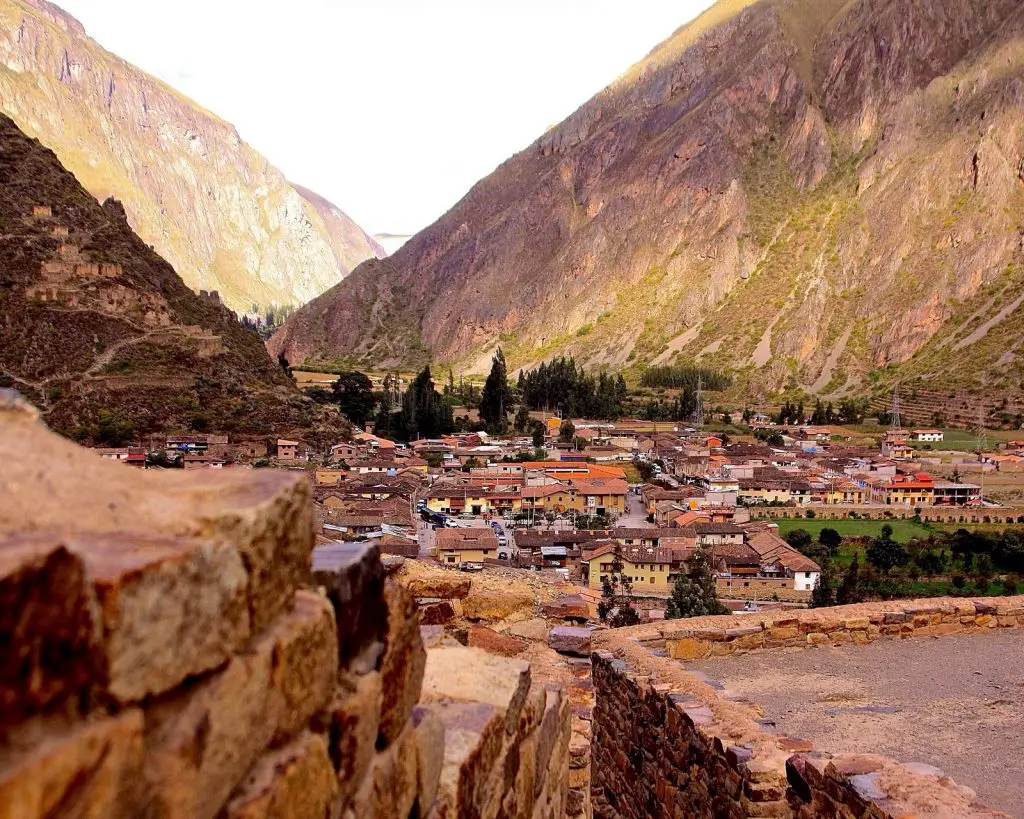
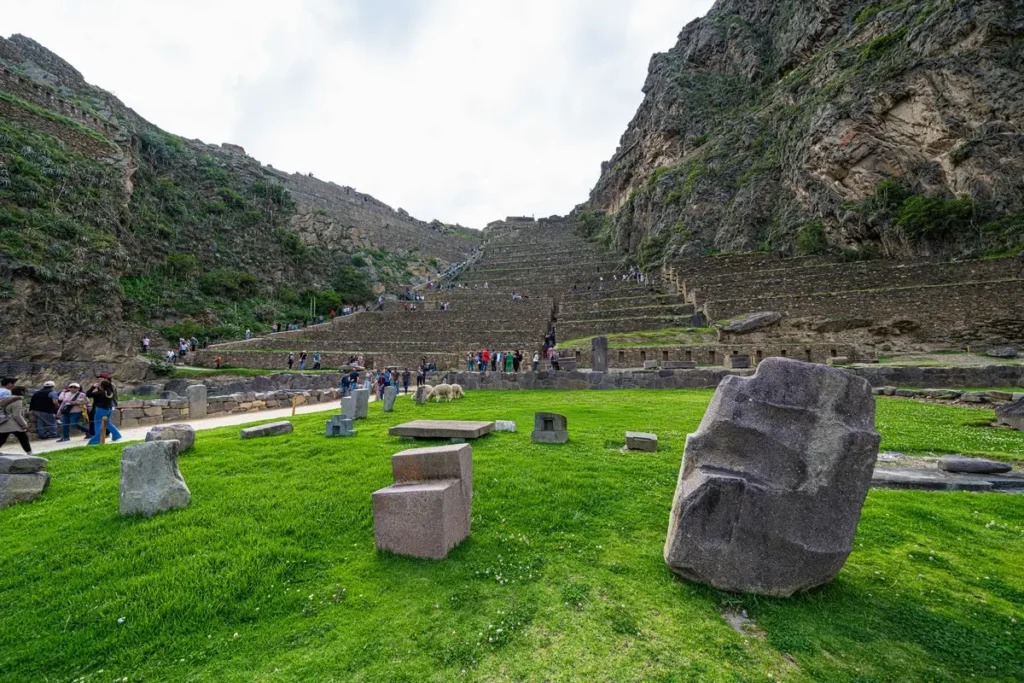
A quick 30-minute drive from Urubamba brings you to Ollantaytambo, the perfect tactical endpoint for your Sacred Valley day trip. The town itself is an active archaeological site, retaining its original 13th-century Inca street grid and working water channels.
Spend your afternoon climbing the 200 steep stone steps to the Temple of the Sun. The sheer scale of the six pink porphyry monoliths at the top defies modern engineering, especially considering the Incas hauled these stones from a quarry high on the opposite side of the valley.
By 5:00 PM, you can walk directly from the ruins down to the Ollantaytambo train station. This positions you perfectly to catch an evening PeruRail or Inca Rail train to Aguas Calientes, setting you up for an early morning entrance to Machu Picchu the next day.
Consejos de Experto: Essential Logistics
- The Boleto Turístico Rule: You cannot buy individual tickets for these ruins. You must purchase the Boleto Turístico Parcial (Circuit 3). It costs 70 soles (cash only) and covers Pisac, Ollantaytambo, Chinchero, and Moray. Buy it directly at the entrance gate in Pisac to bypass the long lines at the Cusco main office.
- The Muña Switch: Ditch the coca tea after lunch. Switch entirely to Mate de Muña (Andean mint). It naturally aids digestion and altitude adjustment without the heavy stimulant effects of coca leaves, ensuring you get a full night of sleep before your Machu Picchu trek.
- Transport Costs: Hiring a reliable private taxi for this exact full-day route typically costs between 180 and 250 soles ($50 – $70 USD) total for the vehicle. Negotiate this rate and the exact itinerary with the driver the day before your trip.
- Footwear Requirements: The stone steps at Ollantaytambo are highly polished from centuries of use and become dangerously slick with even a minor rain shower. Wear aggressive trail runners or proper hiking boots with Vibram outsoles.
Securing Your Route in the Andes
Executing a flawless day in Sacred Valley Peru requires precise timing, reliable transport, and deep local knowledge. A single missed connection or a poorly timed hike can derail your entire Machu Picchu schedule.
Do not leave your Andean logistics to chance. At Peru Andes Discovery, we design and execute highly optimized, private routes that dodge the massive crowds and connect you directly with authentic local culture. Review our specialized valley itineraries today, and let our expert guides handle the transport, the tickets, and the timeline while you focus on the history.