

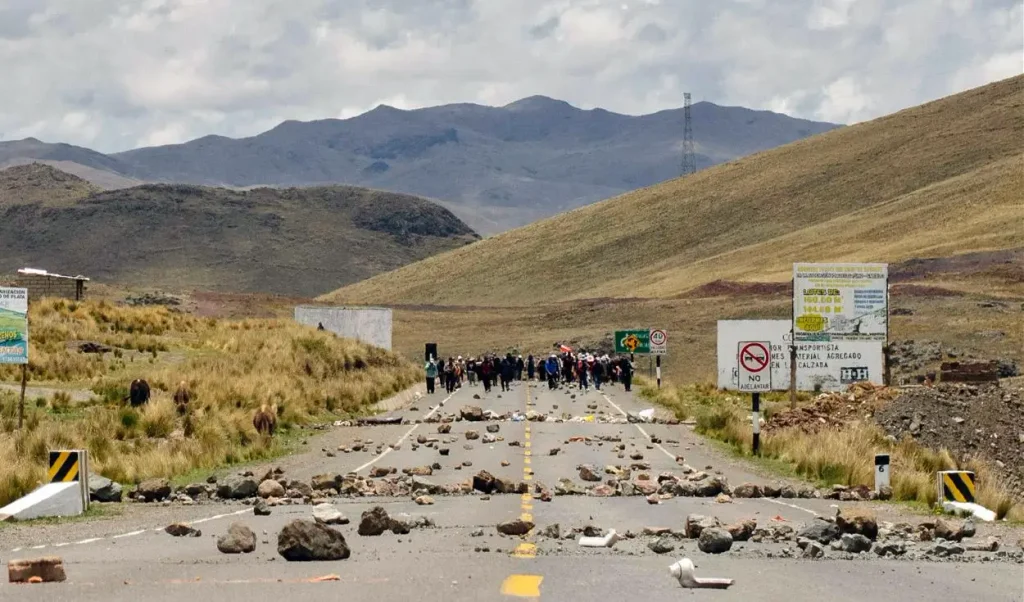
Peru periodically experiences regional or national strikes, locally called paros, that can block highways, suspend train service, and occasionally disrupt flights, and they do not follow a predictable calendar. If one happens during your trip, the most common effect is a blocked road or a suspended train rather than a cancelled flight, and the most sensitive link in most itineraries is the train to Machu Picchu specifically. Travelling with a local operator means someone is actively rerouting around the disruption while it happens; travelling independently means you are the one making those calls in real time. This article covers what actually happens on the ground and what to build into your itinerary so a paro is a delay rather than a lost trip. For the full range of what a Peru itinerary can include, see our full guide to Peru tour packages.
Why disruption happens in Peru and how often
Strikes in Peru are called by a range of groups, transport unions, agricultural associations, regional political movements, and they vary in scale from a single blocked highway to a broader regional stoppage. They are a genuine part of the operating environment in Peru, not a rare exception, though their timing and location are not predictable months in advance the way, say, a public holiday is.
This is worth stating plainly rather than glossing over, precisely because it is a real search people run before booking and rarely get a straight answer to: yes, this happens, it is not unique to any one season or region, and it is manageable with the right planning rather than a reason to avoid Peru altogether. Most trips, in most years, are unaffected entirely; the planning below is about the exception, not the norm, but it is worth having in place before you need it rather than after.
What a paro actually affects: roads, trains, airports
| Mode of transport | Typical impact during a paro |
|---|---|
| Highways and roads | Most directly affected; blockades are the most common form of protest |
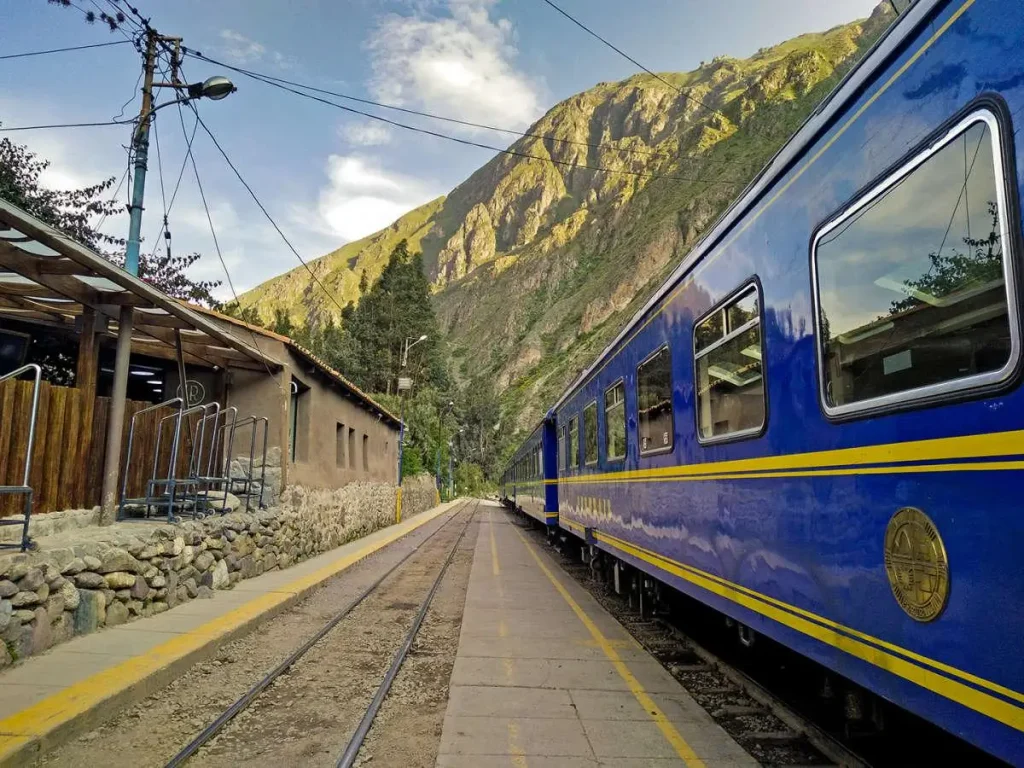
| Trains (Ollantaytambo to Aguas Calientes) | Frequently suspended if the affected road or rail corridor is blocked |
| Domestic flights | Least directly affected, though ground transport to and from the airport can still be disrupted |
| Airports themselves | Rarely closed outright, but access can be limited if roads to them are blocked |
The pattern that matters most for trip planning is that ground transport, roads and the Machu Picchu train specifically, bears the brunt of most disruptions, while flights are comparatively insulated unless the airport access road itself is affected.
The train to Machu Picchu: the most sensitive link
Of everything in a standard Peru itinerary, the train between Ollantaytambo and Aguas Calientes is the single point most exposed to disruption. It runs along a fixed rail corridor, and a blockade anywhere along that route can suspend service entirely for the duration. How to get to Machu Picchu from Cusco covers the normal version of this journey in detail, which is worth reading alongside this one, since understanding the standard route makes it clearer exactly where a disruption would interrupt it.
Because this is the most fragile link, it is also the one most worth building slack around, both in terms of not scheduling anything critical immediately before or after your Machu Picchu day, and in terms of understanding that a suspended train is the most likely single point of failure in a disrupted itinerary, more than your flights or your hotel.
How a local operator reroutes a day
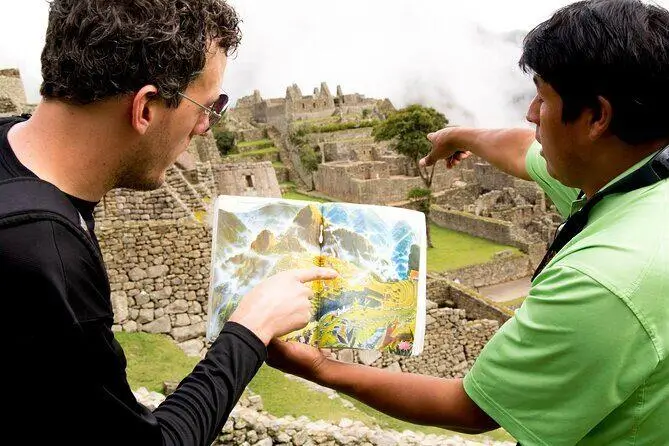
When a road or the train is blocked, a local operator’s real value is in having options and current information, rather than a printed itinerary that assumes nothing will change. In practice, that generally means three things: identifying an alternative route where one exists, rescheduling the affected activity to a different day within your itinerary if the disruption is short-lived, and staying in direct contact with you throughout so you are not the one trying to interpret local news in a language you may not speak.
This is deliberately general rather than a specific promise about any one procedure, because what actually happens depends entirely on the nature and location of the disruption at the time. What stays constant is the principle: someone with local knowledge and contacts is actively managing the problem on your behalf, rather than you discovering a blocked road at the station with no plan B. In many cases this also means adjusting the order of activities rather than cancelling anything outright, moving a flexible day like a Sacred Valley visit ahead of the more time-sensitive Machu Picchu leg, for example, so the fixed-date pieces of your trip get priority over the pieces that can move.

What travelling independently means when this happens
If you are travelling independently rather than with an operator, the same disruptions apply to you, but the response falls entirely on you to manage. That means monitoring local news yourself, often in Spanish, deciding in real time whether to wait out a blockade or attempt a different route, and rebooking any affected train or accommodation directly with the provider, usually while competing with everyone else affected by the same disruption for the same limited alternatives.
This is not a reason independent travel is a mistake, plenty of travellers do it successfully, but it is a real difference worth weighing, especially if you do not speak Spanish and would be relying on translated news or secondhand information to understand whether a road is actually passable. Package tour vs travelling independently covers this trade-off more broadly, and disruption response is one of the clearest places where it actually shows up in practice rather than staying theoretical.
Insurance and refunds: the realistic picture
The honest picture on refunds during a strike is mixed, and depends heavily on your specific insurance policy and the specific provider involved, whether that’s a train operator, a hotel, or a domestic airline. Some disruptions are treated as force majeure by providers and refunded or rescheduled without much friction; others are not, particularly if the disruption is brief or the provider’s terms exclude strikes specifically.
Travel insurance for a Peru tour covers what to check in a policy before you travel, and strike coverage specifically is one of the details worth confirming directly with your provider rather than assuming it is included under general trip disruption coverage. The realistic expectation is that insurance and a good itinerary buffer reduce the cost of a disruption; neither one guarantees you avoid it entirely.
How to build a resilient itinerary
A few structural choices make more difference than any amount of worrying about whether a strike will happen:
- Avoid scheduling your Machu Picchu day at the very start or very end of your trip, where a delay has no days left to absorb into.
- Build at least one buffer day into a longer itinerary, ideally positioned so it can absorb a delay to the most fragile link, the train, without cascading into your flight home.
- Confirm your travel insurance covers strike-related disruption specifically, not just general trip delay.
- Choose a domestic flight routing with some flexibility if possible; domestic flights in Peru covers how airline choice and timing affect your options if you need to rebook.
- Travel with an operator who can reroute in real time if you would rather not be the one making those calls yourself mid-trip.
None of this eliminates the possibility of a disruption, but it changes what one costs you: a rescheduled day inside a buffer you already built in, rather than a missed flight home. Our 14-Day Peru Mystic Tour is built with this kind of slack in mind given its length, and the same principle applies on a shorter trip like the 6-day Cusco and Machu Picchu tour: the buffer matters more the tighter your schedule already is.
Frequently Asked Questions
How common are strikes in Peru? Strikes, or paros, happen periodically in Peru and are a real part of the travel environment, though they do not follow a predictable calendar. They range from a single blocked highway to broader regional stoppages.
Will a strike cancel my Machu Picchu train? It can. The train between Ollantaytambo and Aguas Calientes is the single most exposed link in a standard itinerary, since it depends on a fixed rail corridor that can be blocked by a nearby protest.
Does travel insurance cover trip disruption from strikes in Peru? Coverage varies by policy and provider, so confirm this specifically with your insurer rather than assuming it falls under general trip delay coverage.
Is it safer to book a package tour than travel independently in case of a strike? A package tour with a local operator means someone with local knowledge is actively rerouting and rescheduling on your behalf during a disruption. Independent travel is entirely workable too, but the responsibility for monitoring the situation and rebooking falls on you.