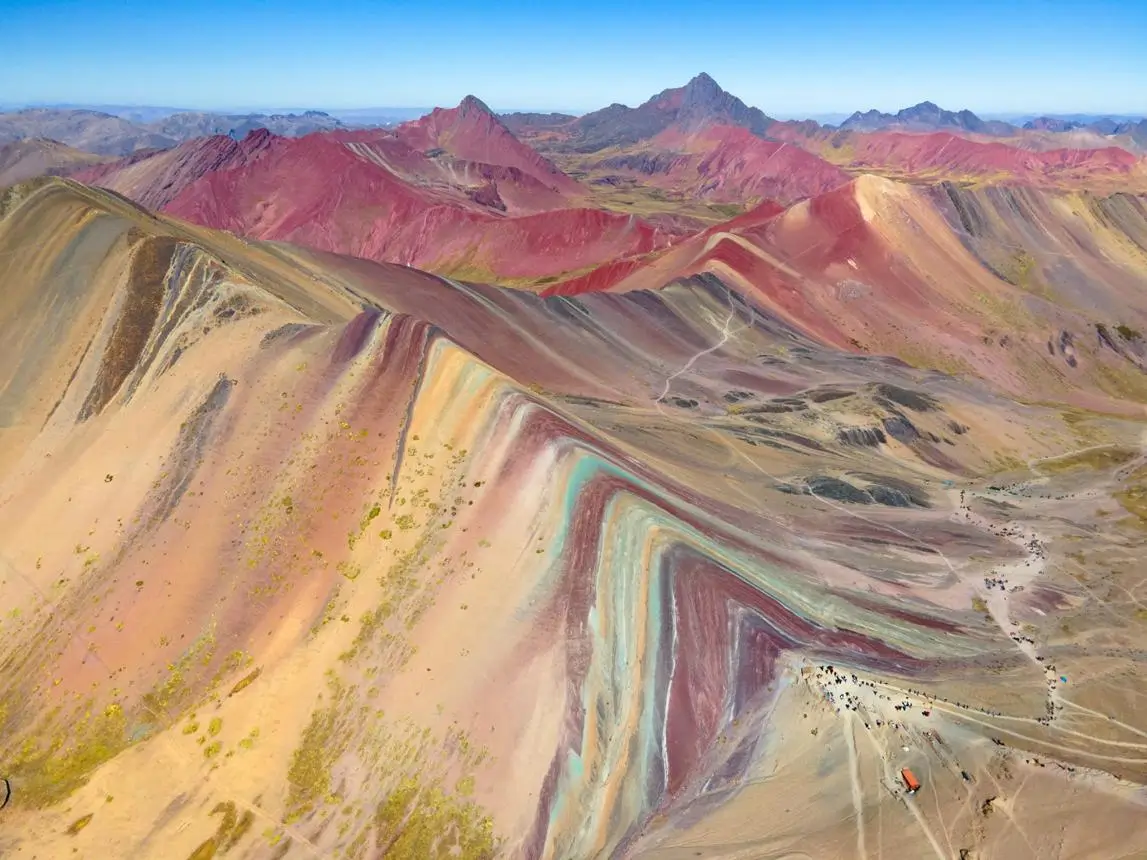
These are two entirely different kinds of day, not competing versions of the same thing. Rainbow Mountain is a physically demanding hike to 5,036 m, built around a single dramatic landscape. A Sacred Valley day trip is a lower-effort, culture-focused day visiting Inca ruins and villages at around 2,800 m — lower than Cusco itself. If you’re early in your trip and still acclimatizing, the Sacred Valley is the safer, gentler choice. If you’re already adjusted to altitude and want the physical challenge and the iconic photo, Rainbow Mountain is worth the effort.
For full Vinicunca logistics, see our complete Rainbow Mountain guide. This article is about choosing between the two, and in what order, if your trip includes both.
Two completely different kinds of day
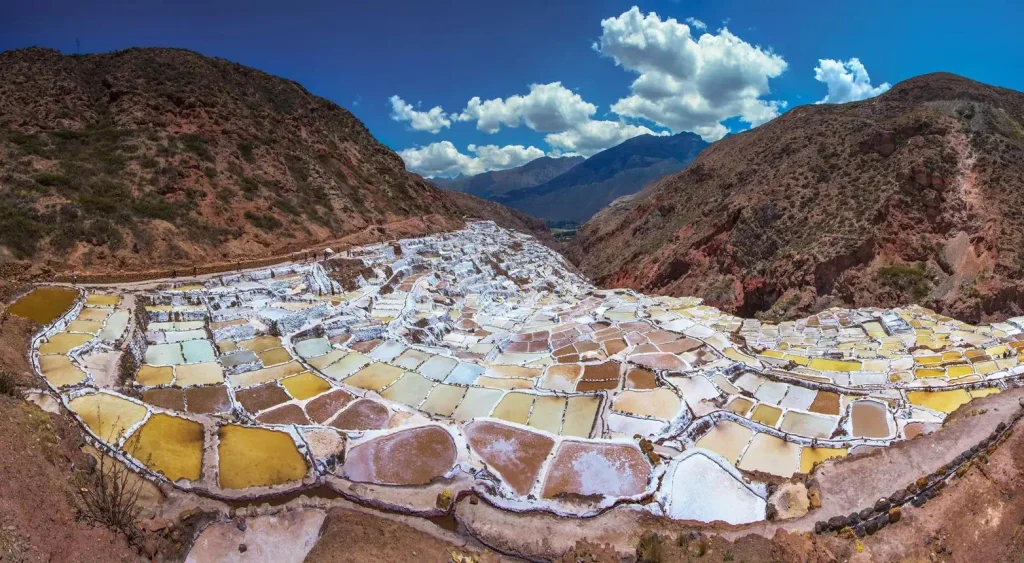
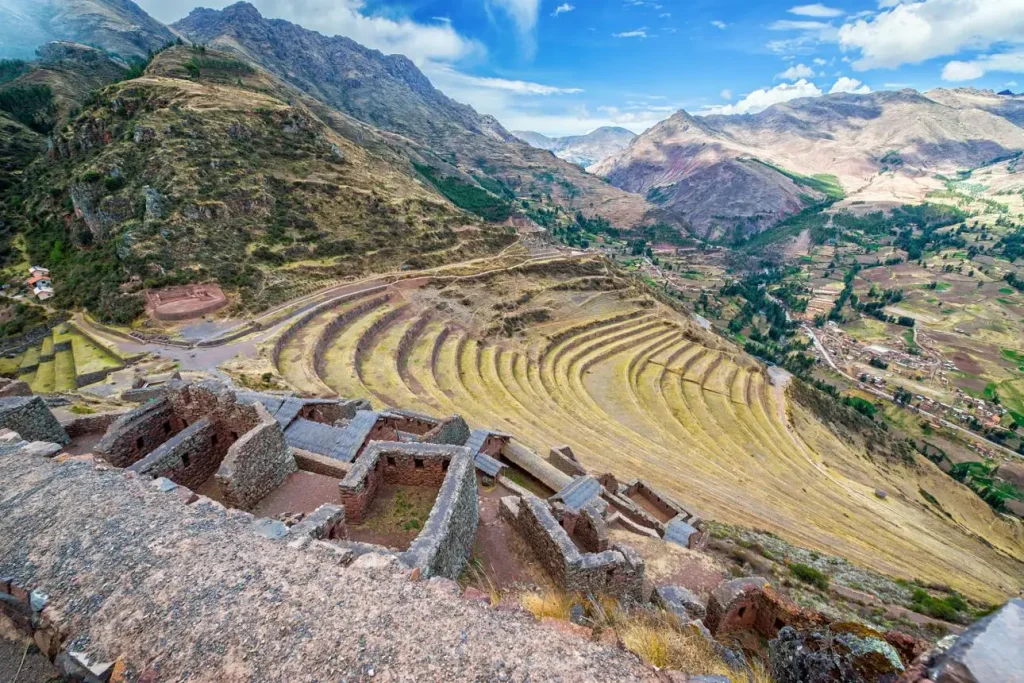
A Sacred Valley day trip moves you through a string of Inca sites and Andean towns — typically Chinchero, Moray, the Maras salt pans, Ollantaytambo, and Pisac, depending on the exact itinerary — with 30 minutes to an hour at each stop and short drives between them. It’s a day of walking on relatively flat, paved or well-maintained paths, not a hike.
Rainbow Mountain is a single destination and a single physical effort: a 3-to-4-hour round-trip climb to one summit viewpoint. There’s no equivalent variety of stops or towns — the entire day is built around reaching and returning from one place.
The acclimatization argument: which comes first
This is the most practically important difference between the two. The Sacred Valley sits at roughly 2,800 m — lower than Cusco’s 3,399 m — which makes it one of the better first activities after arrival, since you’re moving to lower altitude rather than higher. Rainbow Mountain does the opposite: it takes you from Cusco up to 5,036 m, more than 1,600 m higher than the city itself.
The standard guidance across the region is straightforward regardless of the specific operator: do the Sacred Valley first, ideally within your first two days in Cusco, and save Rainbow Mountain for after you’ve had at least a couple of nights to adjust. For the fuller acclimatization sequence, see your first 48 hours in Cusco.
Effort, altitude and recovery
The Sacred Valley day requires walking stamina, not altitude tolerance — most sites involve uneven stone paths and moderate stair sections, but nothing close to a sustained climb at extreme elevation. You’ll finish the day tired from a long day out, not from thin air.
Rainbow Mountain asks for both: real cardiovascular effort at nearly 5,000 m, on top of a long day that starts before dawn. Recovery from the two days differs accordingly — a Sacred Valley day rarely requires downtime afterward, while Rainbow Mountain often does, particularly for travelers who haven’t fully acclimatized. If you’re weighing this same effort question against another popular alternative, Rainbow Mountain vs Humantay Lake covers a similar physical trade-off with a different destination.
Culture vs landscape
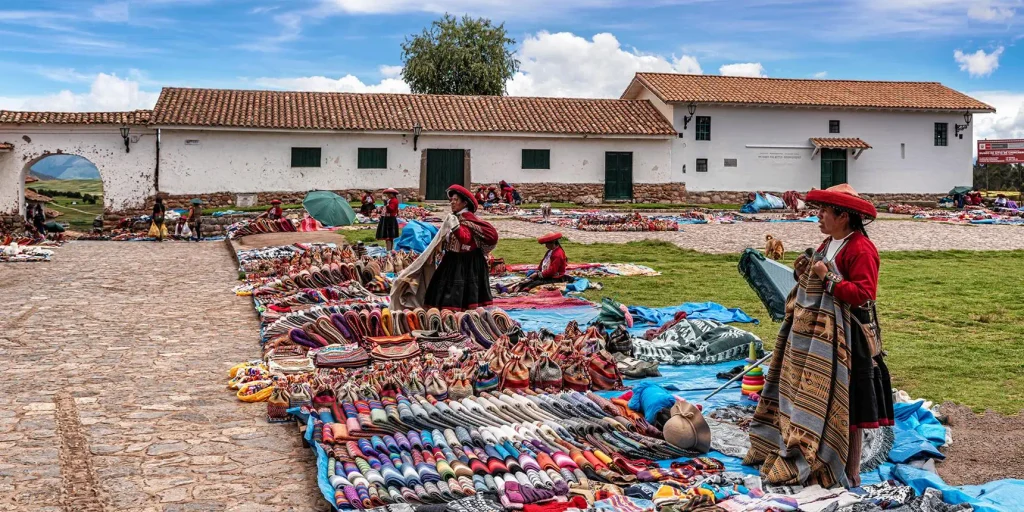
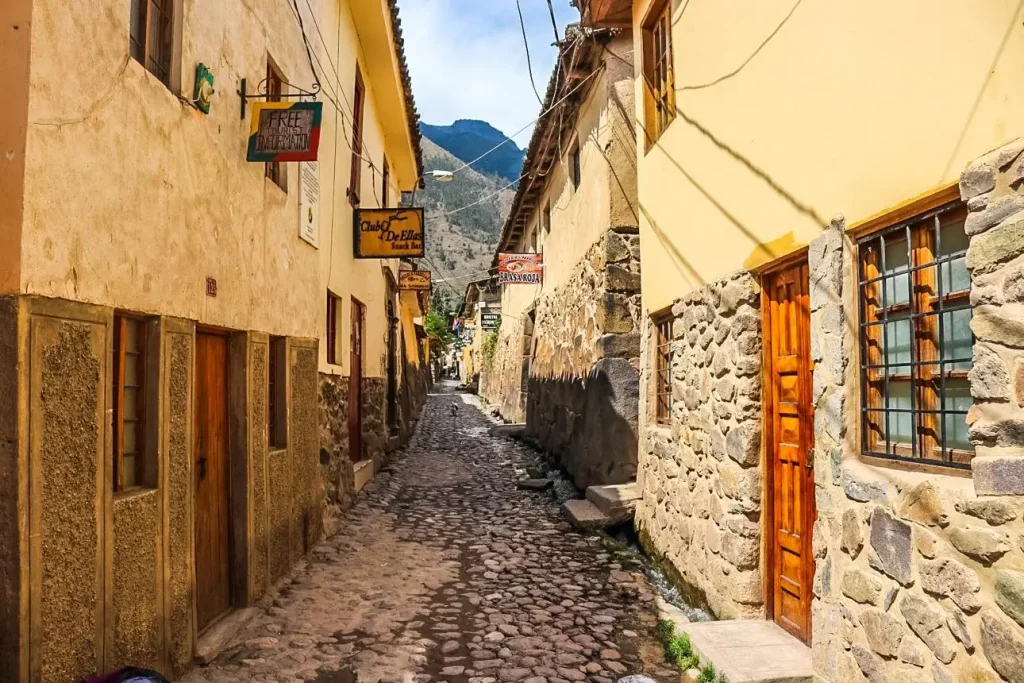
The Sacred Valley is fundamentally a cultural and historical day — Inca agricultural terraces, a functioning Inca town at Ollantaytambo, colonial churches built on Inca foundations, and living Andean market traditions at Pisac and Chinchero. You’re learning about a civilization as much as looking at scenery.
Rainbow Mountain is a landscape day. The mineral-striped mountainside is a geological phenomenon, and while local Quechua communities hold real spiritual significance around the surrounding Apus, the destination itself doesn’t carry the same layered historical narrative you get walking through Ollantaytambo’s original Inca urban grid. Neither is “better” — they answer different interests, and many travelers who do both come away saying the two days felt like different trips entirely.
Weather risk compared
Rainbow Mountain’s payoff is highly weather-dependent — cloud cover or rain can mute or obscure the color bands almost entirely, and the destination is only really worth the effort on a reasonably clear morning. The Sacred Valley is far more weather-resilient: ruins, markets, and villages remain worth visiting in light rain or overcast conditions, since the appeal isn’t dependent on a single clear-sky view the way Rainbow Mountain’s is.
If your travel dates fall outside the dry season (roughly May to October) and you’re uncertain about conditions, the Sacred Valley is the lower-risk booking of the two.
If you have two days, do both — in this order
Do the Sacred Valley first, Rainbow Mountain second, with at least a rest day or a light day between them if your schedule allows it. This sequencing lets your body handle a lower-altitude, high-walking day early, then tackle the highest-altitude single day of your trip once you’ve had more time to adjust.
We run our 1-day Rainbow Mountain tour and the Sacred Valley full-day tour as separate departures, and booking both together as part of a longer Cusco itinerary is the most efficient way to fit in the region’s two most requested day trips without compromising either one. If you’re also weighing a shorter, closer alternative to the classic Sacred Valley route, Rainbow Mountain vs South Valley covers that comparison directly. And if you’re still mapping out your full trip length, how many days you need in Peru helps you fit both days in without rushing either one.
| Sacred Valley Day Trip | Rainbow Mountain | |
|---|---|---|
| Altitude | ~2,800 m (lower than Cusco) | 5,036 m |
| Effort level | Moderate walking, flat to gently uneven terrain | Steep, sustained climb at extreme altitude |
| Type of experience | Cultural — Inca ruins, markets, living towns | Landscape — single dramatic natural site |
| Total day length | ~10–12 hours | ~11–14 hours |
| Best for | First days in Cusco, acclimatization | After 2+ days acclimatizing |
Frequently Asked Questions
Should I do the Sacred Valley or Rainbow Mountain first?
The Sacred Valley first. It sits at a lower altitude than Cusco, making it a safer early activity, while Rainbow Mountain should wait until you’ve had at least a couple of days to acclimatize.
Is Rainbow Mountain harder than a Sacred Valley day trip?
Yes, significantly. Rainbow Mountain involves a steep multi-hour climb at nearly 5,000 m, while the Sacred Valley is a lower-effort day of walking between historical sites at a much lower altitude.
Can bad weather ruin either trip?
Rainbow Mountain is more weather-dependent — cloud or rain can obscure the color bands. The Sacred Valley’s ruins and markets remain worthwhile even in overcast or light rain conditions.
Can I do both in the same trip?
Yes, and it’s a common combination. Do the Sacred Valley first, then Rainbow Mountain after a rest day or two, once you’re better acclimatized.