
You’ve already booked Machu Picchu. Maybe Rainbow Mountain too. But somewhere between the crowded viewpoints and the 4 a.m. wake-up calls, a real question starts to nag at you: is there a version of Cusco that still feels undiscovered?
Most visitors leave without ever seeing it. They stand in line at the same three checkpoints as everyone else, snap the same photo, and fly home thinking they’ve seen the region. They haven’t. South of Cusco, in the province of Canas, a 500-year-old bridge made entirely of woven grass still sways over the Apurímac River — rebuilt by hand every single year, exactly as the Inca did it.
The Qeswachaka four lagoons tour is how you get there, and it’s the answer for travelers who want Cusco without the tour-bus traffic jam. Here’s everything you need to plan it right, from altitude to logistics to the one packing mistake almost every first-timer makes.
What Is Q’eswachaka, and Why Does It Matter?
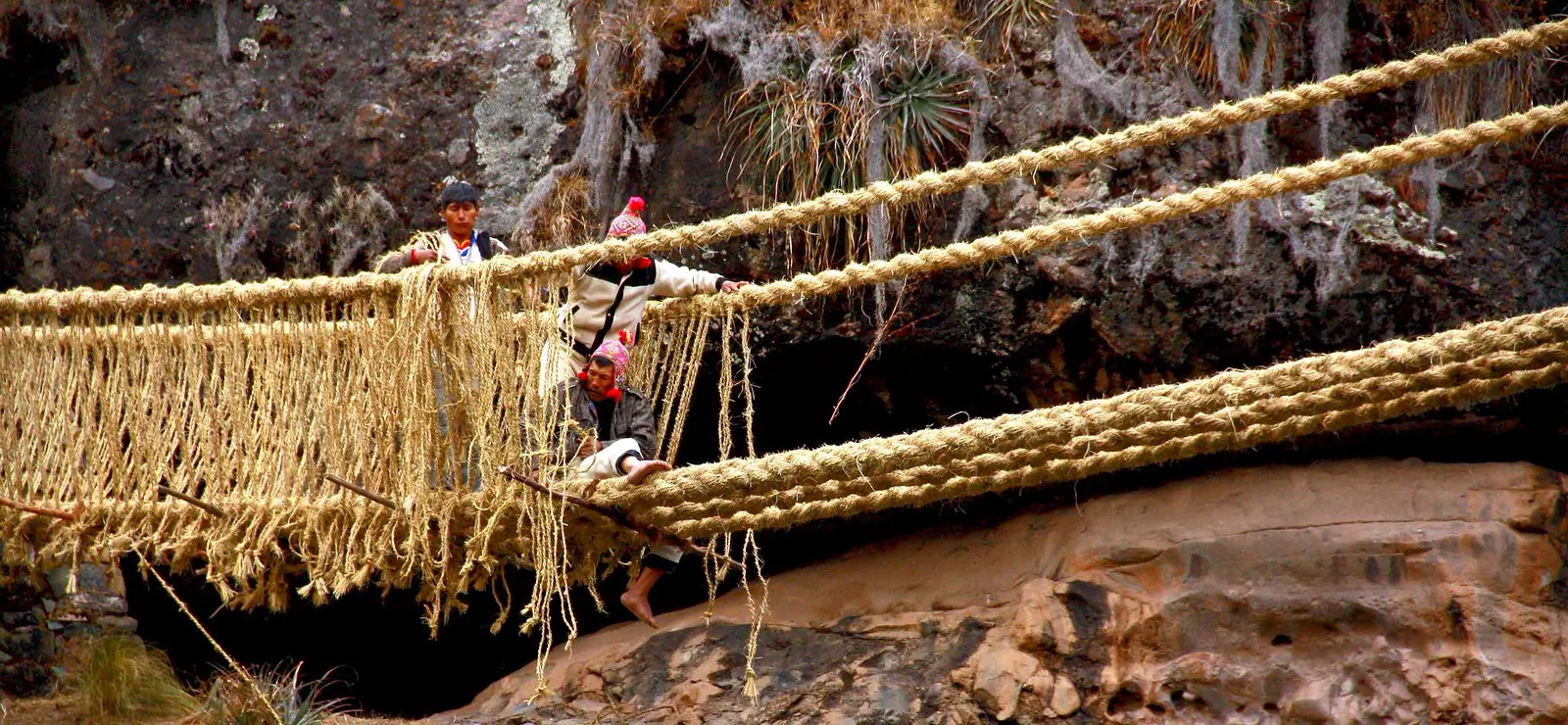
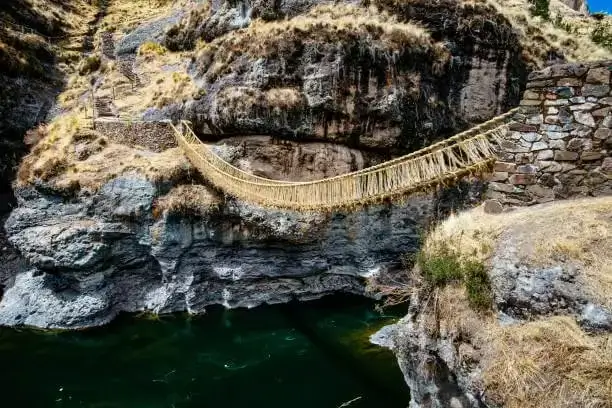
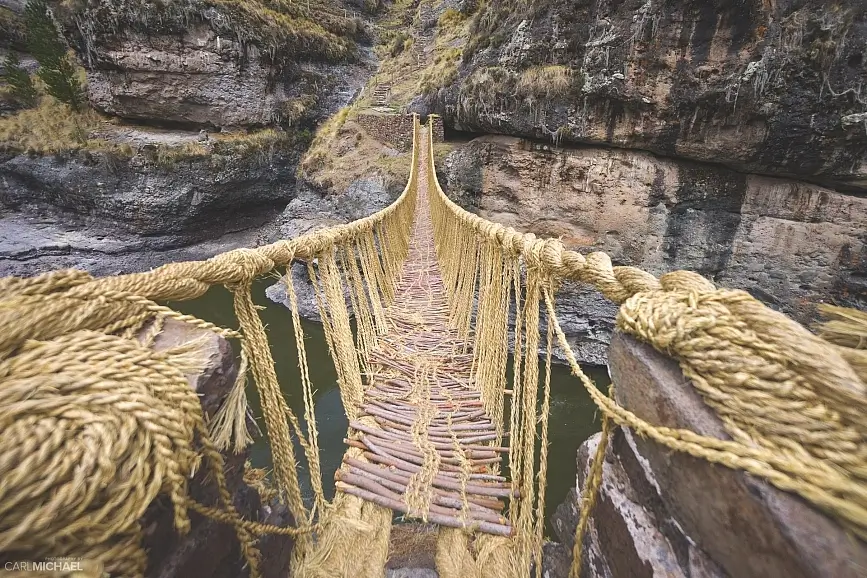
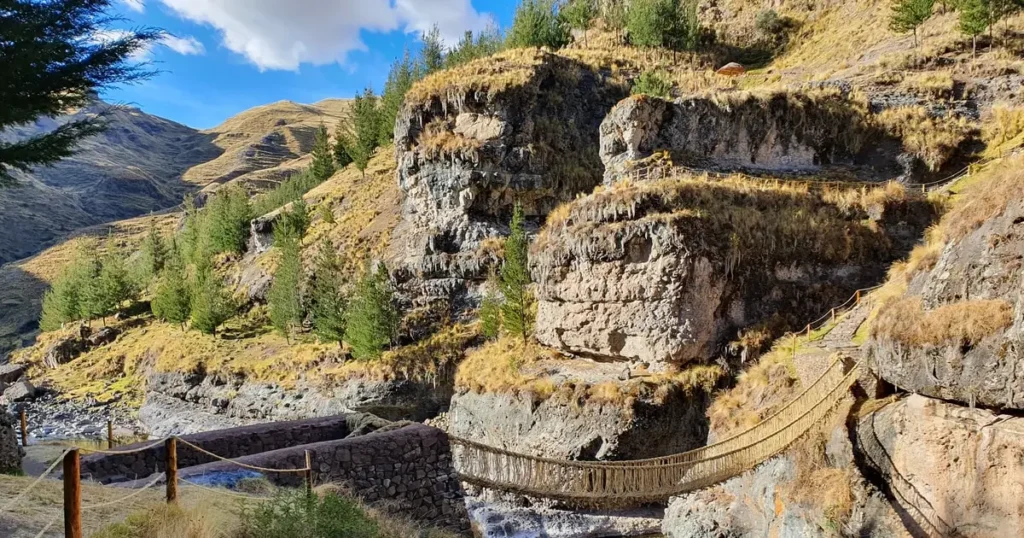
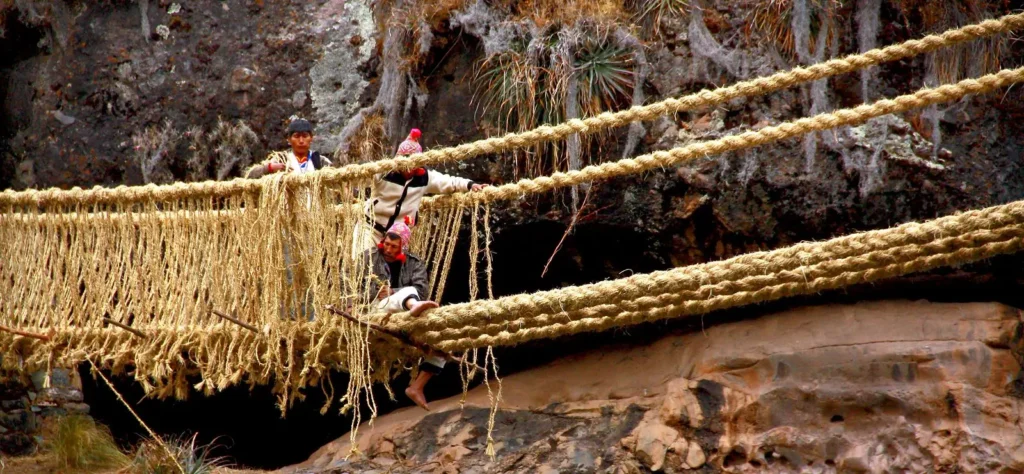
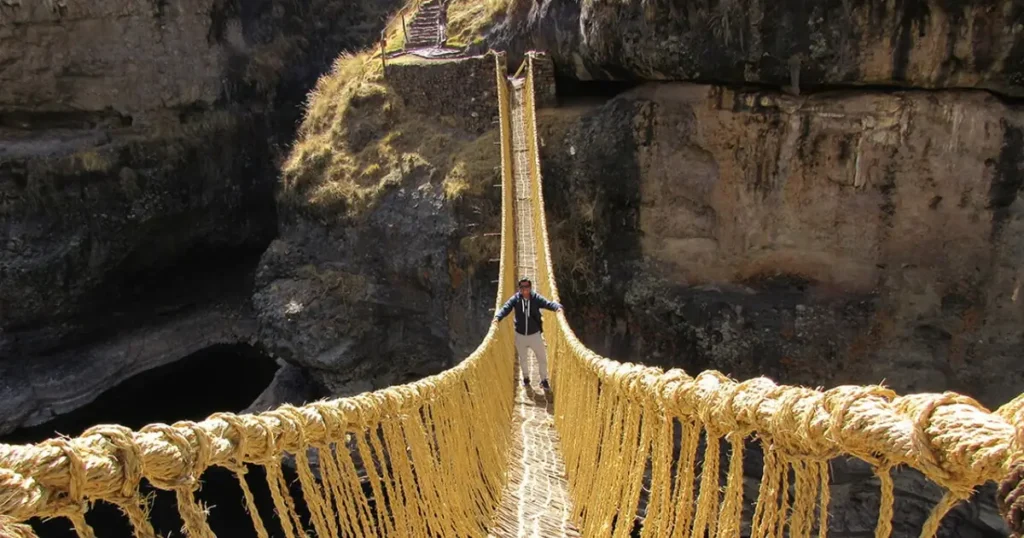
Q’eswachaka is the last Inca bridge still standing — not as a museum replica, but as a living structure that locals actually cross. Built entirely from twisted q’oya grass (a native highland fiber, sometimes called ichu), it stretches roughly 28 meters across the Apurímac canyon.
UNESCO added it to the Intangible Cultural Heritage list in 2013, and for good reason. Four Quechua-speaking communities — Huinchiri, Chaupibanda, Ccollana Quehue, and Choccayhua — gather every June to dismantle the old bridge and weave a new one over three days, using techniques passed down since the 1400s.
If you’re not visiting during the renewal ceremony, don’t worry. The bridge stands year-round, and you can walk across it any day of the year.
Qeswachaka Bridge Altitude
The bridge sits at approximately 3,700 meters above sea level (12,140 feet). That’s roughly the same elevation as Cusco’s Sacred Valley viewpoints, so if you’ve spent even one night acclimatizing in Cusco (3,399 masl), your body is already prepared for this.
How to Get to Qeswachaka from Cusco
This is the part that scares most independent travelers off — and it’s exactly why this route stays quiet.
Qeswachaka distance from Cusco is about 180 kilometers (112 miles), and the drive takes 4 to 5 hours one way depending on road conditions. The last stretch is unpaved, winding through high-altitude puna grassland where you’ll share the road with more llamas than cars.
There’s no direct public transport. You’d need to combine a bus to Yanaoca, a shared taxi toward Quehue, and then negotiate a private ride for the final unmarked turnoff — a logistical headache that eats an entire day before you even reach the bridge.
This is why almost every visitor books a guided Qeswachaka Inca bridge tour rather than attempting it solo. A private vehicle with a knowledgeable driver turns a stressful day into a smooth one, and it’s the only realistic way to combine the bridge with the lagoons in a single trip.
The Four Lagoons: Cusco’s Best-Kept Secret
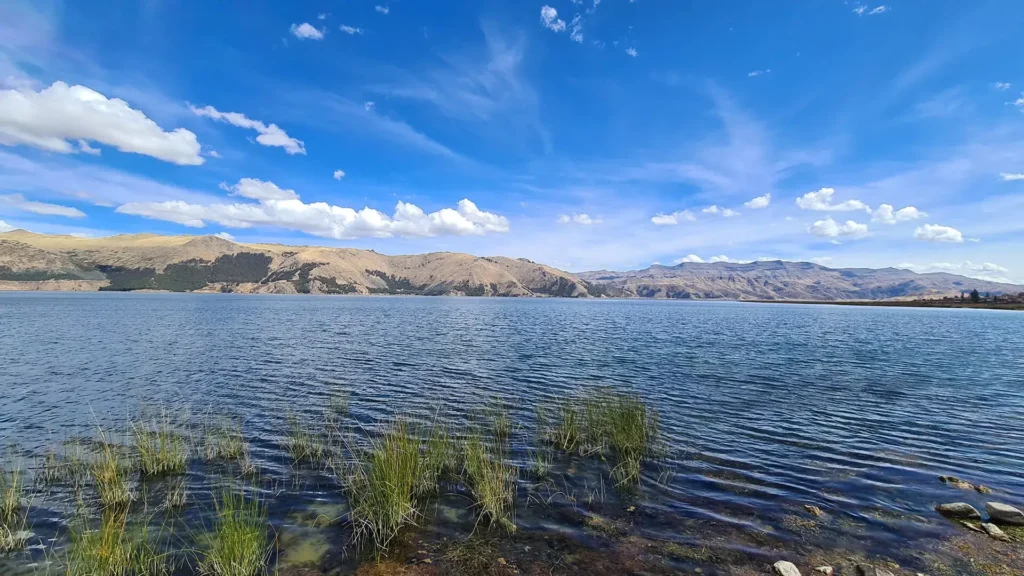
Here’s where the day gets even better. On the way back toward Cusco, the route passes through the Acomayo lagoon circuit — four high-altitude lakes that barely appear in any guidebook.
Pomacanchi Lagoon
The largest of the four, Pomacanchi lagoon sits at 3,690 masl and stretches nearly 8 square kilometers. Andean gulls and speckled teals nest along its reed-lined shores, and on clear mornings the water turns a flat, mirror silver that reflects the surrounding peaks.
Acopia, Asnacocha, and Pampamarca
- Acopia — smaller and calmer, this lagoon feeds local trout farms and sits right beside the town of the same name.
- Asnacocha — the wildest of the four, ringed by wetlands (bofedales) where alpaca herds graze at dawn.
- Pampamarca — the least visited, and often the most rewarding for photographers chasing that empty-landscape shot.
None of these require a hike. You view them from accessible roadside points, which makes this a genuinely relaxed Cusco lagoons tour — no technical trekking, no summit push, just one striking view after another.
Difficulty Level and Physical Demands
This trip is low-difficulty, technically speaking. You’re not climbing anything. The bridge crossing itself takes two minutes and requires no special skill beyond steady footing.
The real factor is altitude, not exertion. At 3,700 masl, mild breathlessness during short walks is normal. Anyone with at least 24–48 hours of prior acclimatization in Cusco handles this trip comfortably, including older travelers and families with kids over eight or so.
Best Season to Visit
- Dry season (May–September): Clear skies, cold mornings (near freezing), and the best lagoon reflections. June is peak month if you want to witness the actual bridge-weaving ceremony.
- Shoulder months (April, October): Fewer crowds, decent weather, occasional light rain.
- Wet season (November–March): Green landscapes but frequent afternoon rain and higher risk of road delays on the unpaved stretch near Q’eswachaka.
For photography and comfort, May through August is the real answer.
What to Pack
Layering matters more than any single piece of gear here. Mornings hover around 0–5°C (32–41°F); by midday you’ll be down to a t-shirt in direct sun.
- Windproof outer layer (a hardshell jacket beats a poncho at this altitude)
- Sunscreen SPF 50+ and UV-blocking sunglasses — the sun at 3,700m burns fast
- Reusable water bottle (bring at least 1.5 liters)
- Sturdy walking shoes, not necessarily hiking boots
- Cash in small soles bills — there are no ATMs past Yanaoca
Expert Tips (From Someone Who’s Actually Driven This Road)
- Leave Cusco by 6:30 a.m. Later departures push your bridge visit into midday, when tour groups from other agencies start arriving in bunches.
- Skip the coca tea and bring soroche pills instead. Altitude sickness pills (acetazolamide, taken with a doctor’s approval) work better than folk remedies if you’re prone to headaches.
- The best lagoon light is between 7 and 9 a.m. Wind picks up after mid-morning and ripples the water, ruining the mirror effect photographers chase.
- Buy your snacks in Cusco. Once you leave the city, food options thin out fast — a few basic stores in Yanaoca, nothing beyond that.
- Ask your driver about the July 2024 restoration. Local guides know small details about the community weaving process that don’t appear in any guidebook, and they’ll usually share them if you ask directly.
Qeswachaka Tour Price: What You’re Actually Paying For
A private full-day Qeswachaka four lagoons tour typically runs $120–$180 USD per person for a small group, including private transport, an English-speaking guide, and lunch in a local restaurant. Larger shared-van options exist for less, but given the remote road and long drive, a private vehicle is worth the difference — fewer stops, better timing for the lagoon light, and no waiting on slower travelers.
Compare that to a Rainbow Mountain tour crowded with 200 other hikers on the same trail, and the value math starts looking pretty good.
Is Qeswachaka Worth It?
If you want another checkbox for your Instagram grid, maybe not. If you want to understand how Andean communities still practice living traditions — not reenactments, not performances, but functional cultural continuity — then yes, without question.
This is real off the beaten path Cusco territory. You won’t see tour buses. You won’t wait in line. You’ll likely be one of a handful of foreign visitors the local vendors see that entire week.
South Valley Cusco: Combine It With More
The road to Q’eswachaka runs through the broader south valley Cusco region, home to Tipón’s Inca agricultural terraces, Pikillacta’s pre-Inca ruins, and Andahuaylillas — often called the “Sistine Chapel of the Americas” for its ornate 17th-century church. Ask your agency about combining any of these with your lagoon day for an even fuller picture of the region beyond Cusco’s main tourist loop.
For travelers hunting Cusco hidden gems and genuine best alternative tours in Cusco, this itinerary checks every box: low crowds, real cultural weight, and landscapes most visitors never learn exist.
Ready to See the Cusco Almost No One Sees?
A day trip to Q’eswachaka and the four lagoons gives you something Machu Picchu can’t: space, silence, and a direct line into Quechua tradition that’s still alive today, not preserved behind glass.
At Peru Andes Discovery, we run this route with local drivers who know every turnoff, every community contact, and every hour of the day when the light — and the lagoons — look their best. Reach out to our team to check availability and get a personalized quote for your four lagoons Cusco day trip, and trade one more crowded viewpoint for a corner of Cusco that’s still genuinely yours to discover.