
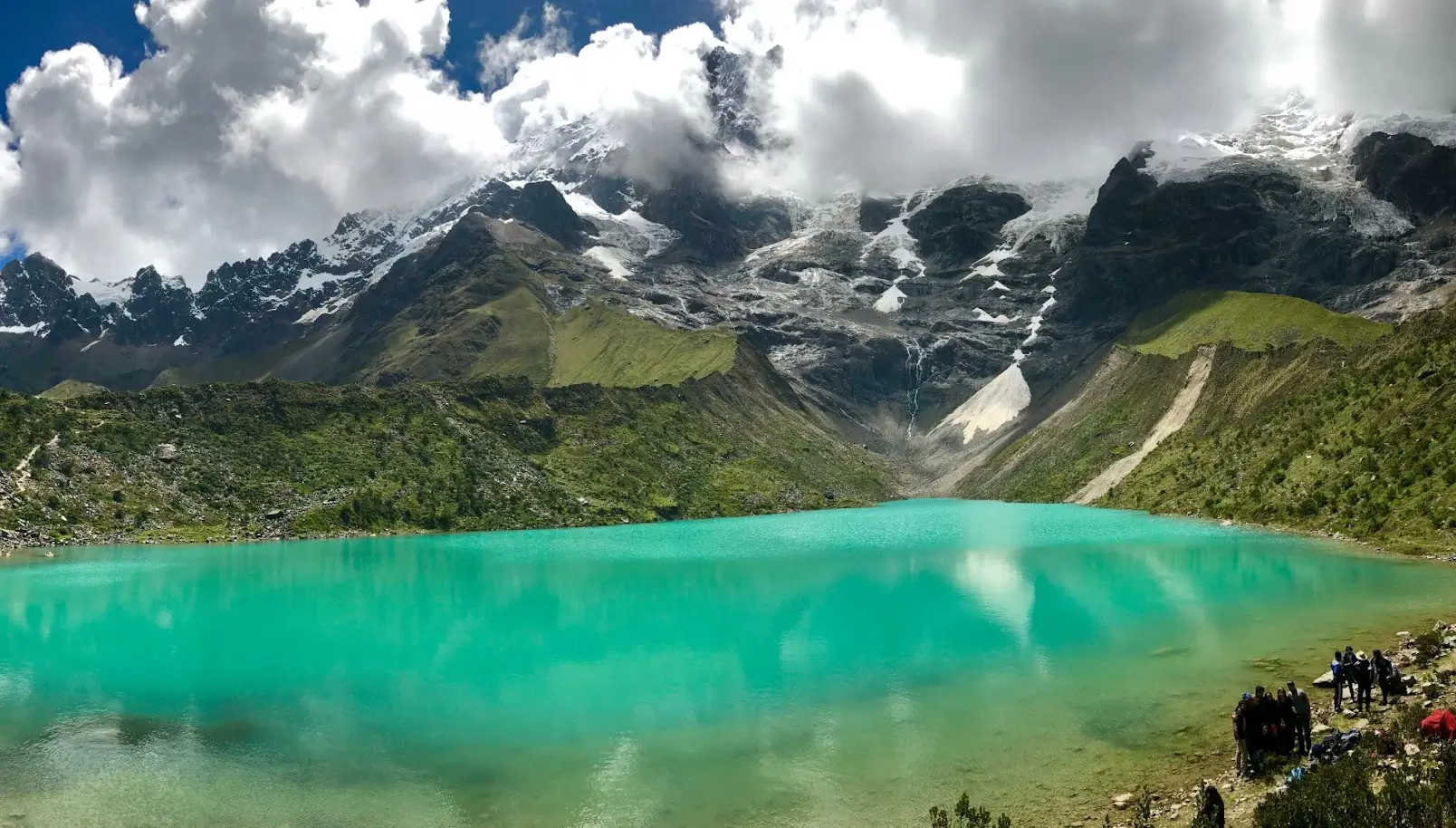
You’ve seen the turquoise photos of Humantay Lake all over your feed, and you already booked the tour. Now you’re reading the fine print — “high altitude trek” — and your stomach drops a little. Will you actually make it up that trail without your lungs giving out? Is this a walk or a real climb?
That worry is fair, and ignoring it is how people end up turning back halfway. Humantay Lake altitude sits high enough to catch unprepared travelers off guard, even fit ones. This guide gives you the real elevation numbers, the acclimatization timeline that works, and the gear list a Cusco guide would actually pack for you.
Humantay Lake Altitude: The Numbers You Need
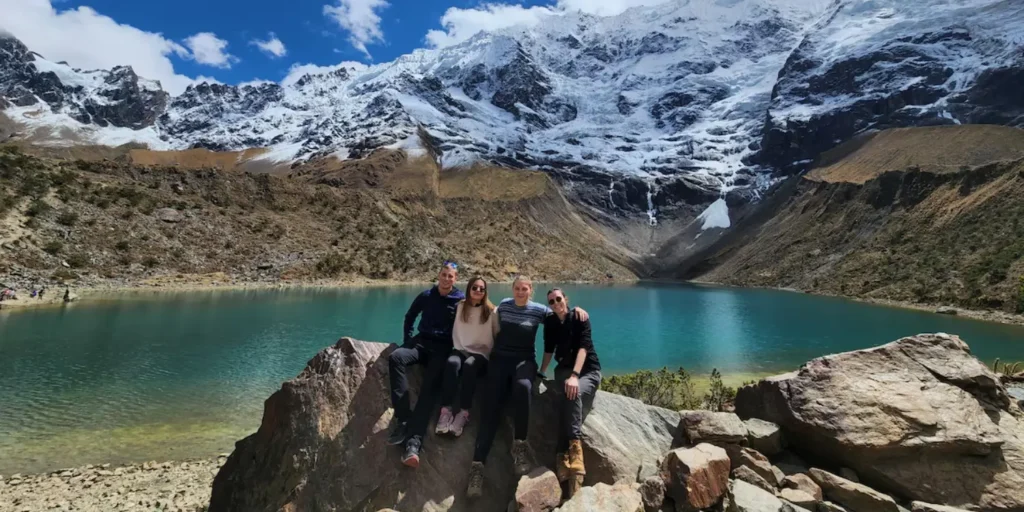
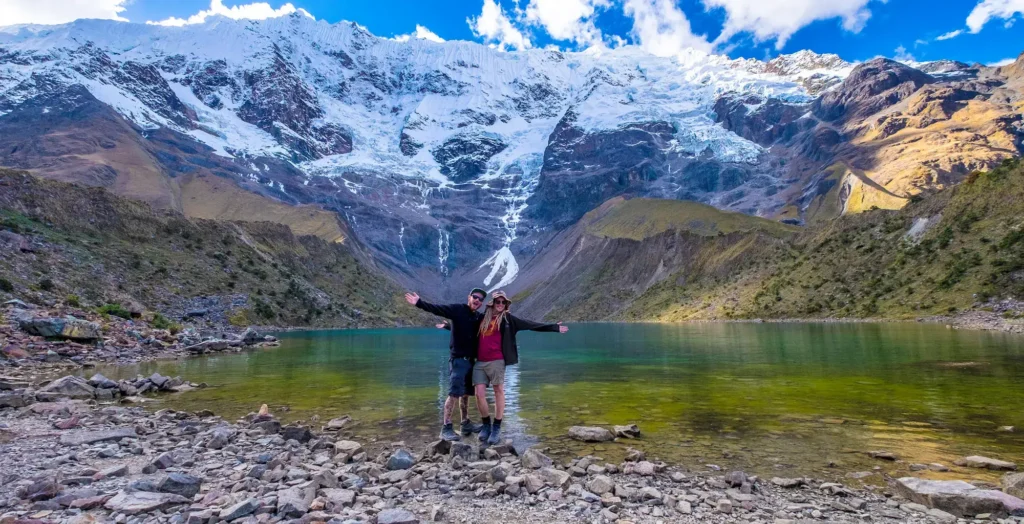
Humantay Lake sits at 4,200 m.s.n.m. — that’s 13,780 feet in elevation. This is glacier-fed water at the base of Nevado Humantay, part of the Vilcabamba mountain range west of Cusco.
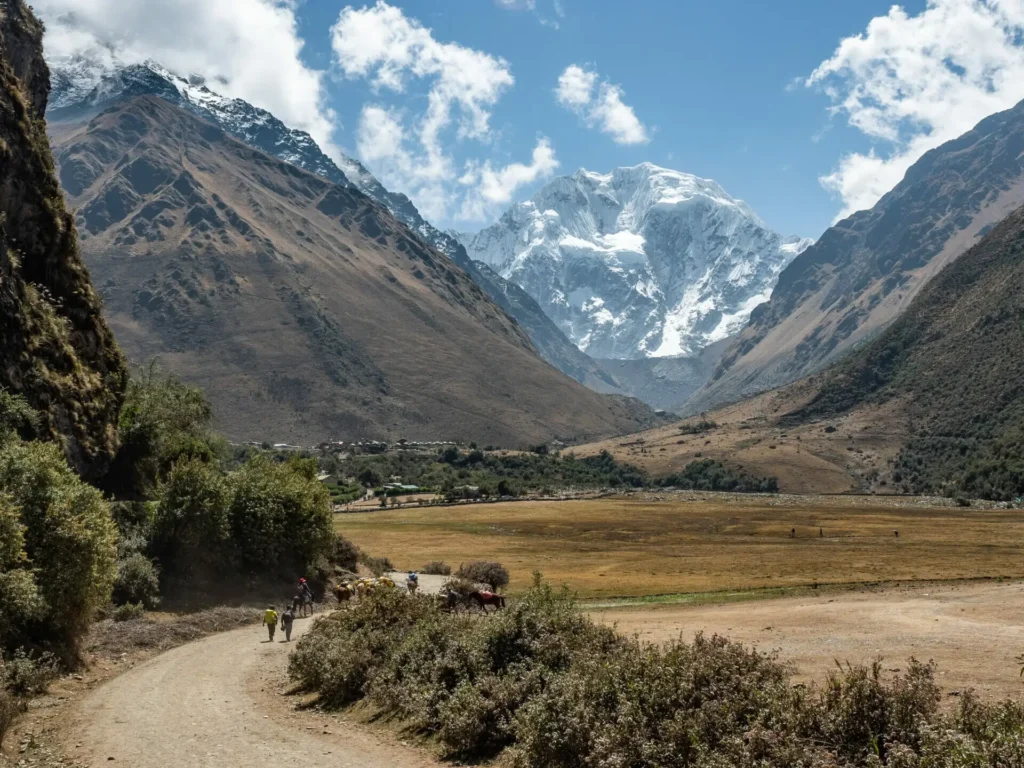
The trailhead starts at Soraypampa, a small parking area and rest stop at roughly 3,900 m.s.n.m. From there, you gain about 300 meters of elevation over a 2.5-kilometer trail before reaching the lake.
Cusco to Humantay Lake Altitude Difference
Cusco city sits at 3,399 m.s.n.m. Humantay Lake sits at 4,200 m.s.n.m. That’s an 800-meter jump — enough to trigger altitude symptoms in travelers who haven’t acclimatized, even if Cusco itself felt fine.
This gap is the single biggest reason people underestimate this hike. Feeling okay in Cusco doesn’t mean your body is ready for another 800 meters of elevation in a single day.
Is the Humantay Lake Hike Hard?
Yes, moderately to genuinely hard, mostly because of the altitude rather than technical terrain. The trail itself isn’t rock climbing — it’s a dirt path with steady switchbacks — but doing it at nearly 14,000 feet changes everything about how your body performs.
Humantay Lake Hike Difficulty Breakdown
- Distance: 5 kilometers round trip from Soraypampa
- Elevation gain: approximately 300 meters (984 feet)
- Time: 1 to 1.5 hours uphill, 45 minutes to descend
- Terrain: dirt trail, loose rock sections near the top, steep switchbacks in the final third
- Technical skill required: none — no ropes, no scrambling, just legs and lungs
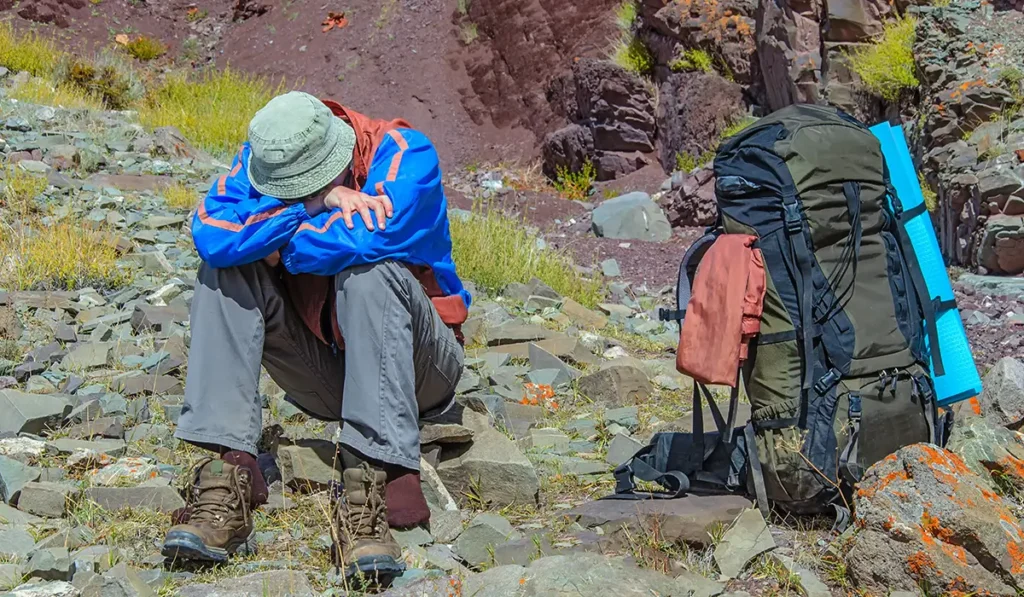
The final 20 minutes are the hardest stretch, where the trail steepens right as the air gets thinnest. Most people slow to a stop-and-go pace here, and that’s completely normal, not a sign you’re failing.
Altitude Sickness Cusco Travelers Should Know About
Soroche — the Quechua-rooted term locals use for altitude sickness — hits a real share of visitors within their first 48 hours in the region, and pushing straight to Humantay without adjusting first raises your risk significantly.
Symptoms include headache, nausea, shortness of breath, and unusual fatigue on mild inclines. Severe cases bring vomiting or confusion, which means turning back immediately, no exceptions.
How Many Days to Acclimatize in Cusco Before Humantay
Spend at least two full days in Cusco before attempting Humantay Lake. Three days is better if your schedule allows it.
Day one, keep it light — short walks around the historic center, no hiking. Day two, try a moderate activity like the Sacred Valley, which sits lower than Cusco and helps your body adjust gradually. By day three, most travelers are ready for Humantay’s demands.
How to Prevent Altitude Sickness at Humantay Lake
- Hydrate aggressively — drink more water than feels necessary, starting the day before your hike
- Skip alcohol the night before — it dehydrates you and worsens symptoms fast
- Eat light, carb-heavy meals — heavy proteins and fats digest poorly at elevation
- Walk at a slow, steady pace — resist the urge to match faster hikers around you
- Sleep at lower elevation the night before if possible — some agencies offer a Soraypampa lodge stay, which helps
Soroche Pills Cusco Pharmacies Sell
Local pharmacies carry Sorojchi Pills, a common over-the-counter combination of aspirin, caffeine, and salicylamide that many locals swear by for headache relief at altitude. You’ll find them in any farmacia around the Plaza de Armas for a few soles.
For a stronger option, some travelers bring acetazolamide (Diamox) from home, prescribed before the trip — it helps your body process oxygen more efficiently, though it requires a doctor’s approval and typically starts 24 hours before ascent.
Coca Leaves for Altitude Sickness
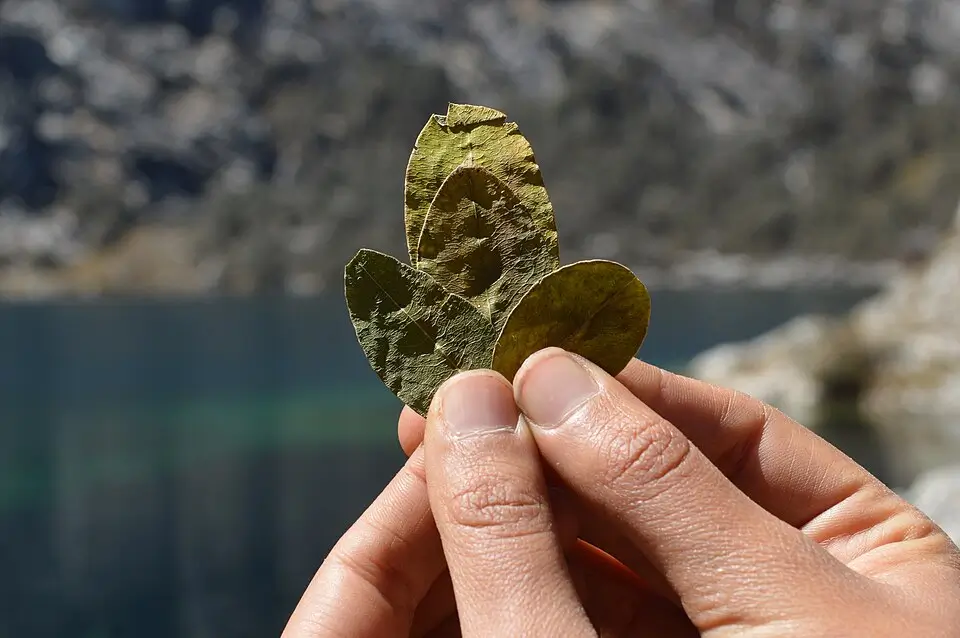
Chewing coca leaves (locals call the practice chacchar) is the oldest remedy in the Andes, and it genuinely helps with mild symptoms and fatigue. Hotels and tour operators hand out coca tea (mate de coca) constantly for this reason.
Chew a small wad slowly, holding it against your cheek rather than swallowing it — that’s how locals in Soraypampa and throughout the highlands actually use it.
Oxygen for Humantay Lake: Do You Need a Tank?
Most reputable agencies carry a portable oxygen canister on Humantay tours as a safety backup, not a routine tool. You won’t need it if you’ve acclimatized properly, but knowing it’s there takes the edge off for nervous first-timers.
If you have a pre-existing heart or lung condition, talk to your doctor before booking — altitude affects those conditions more seriously than typical fatigue.
Horseback Riding Humantay Lake: The Alternative Route
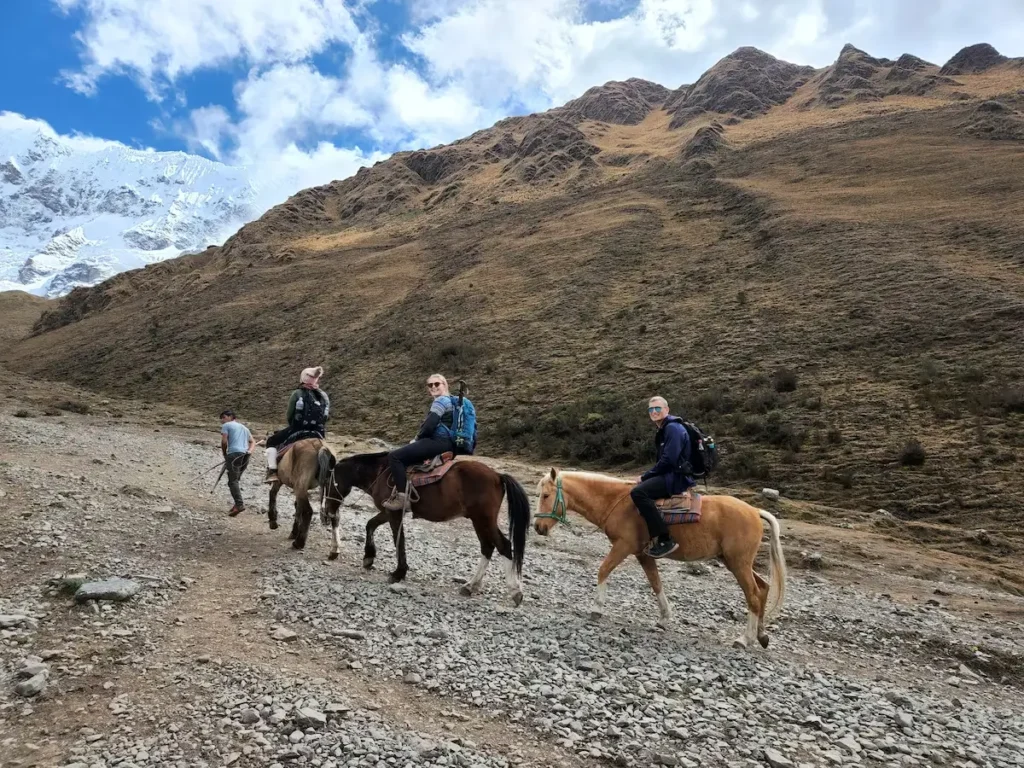
Don’t want to walk the full trail, or worried your fitness level won’t hold up? Horseback riding to Humantay Lake is available at Soraypampa, run by local families from the community.
Horses cover most of the ascent, though riders still walk the final steep stretch since horses can’t manage the last rocky section safely. Expect to pay S/.80–100 (about $22–27 USD) one way, negotiated directly with the handler at the trailhead — cash in soles only.
This option works well for travelers with joint issues, limited hiking experience, or anyone easing into the altitude cautiously.
Humantay Lake Weather Conditions
Temperatures swing hard between sunrise and midday. Expect below-freezing conditions at dawn (around -2°C to 2°C / 28°F to 36°F) and a jump to 10–15°C (50–59°F) by late morning once the sun clears the peaks.
Best season runs May through September, the dry season, with clear skies and minimal rain. November through March brings frequent afternoon rain and cloud cover that can hide the lake’s turquoise color entirely — a real letdown after the drive out.
What to Pack for High-Altitude Hiking in Peru
- Layered clothing — a base thermal layer, a fleece or mid-layer, and a windproof outer shell
- Sturdy hiking boots with ankle support, broken in before the trip, not fresh out of the box
- Trekking poles — genuinely useful on the steep final switchbacks
- Sunscreen SPF 50+ — UV exposure at this altitude burns skin fast, even in cold air
- Sunglasses with UV protection — glare off the snow and glacier ice is intense
- A warm hat and gloves — hands and ears feel the cold first at 4,200 meters
- 1.5 to 2 liters of water — dehydration compounds altitude symptoms quickly
- High-energy snacks — nuts, dried fruit, or chocolate for quick fuel on the ascent
Expert Tips for Humantay Lake
- Book the earliest departure your agency offers — tour buses leave Cusco around 4:00–4:30 a.m., which sounds brutal but gets you to the lake before the midday crowds and before clouds typically roll in
- Skip the bathroom line at Soraypampa — go before boarding the van in Mollepata, since facilities at the trailhead get backed up fast once multiple tour groups arrive together
- Don’t rent gear at the trailhead — vendors there charge tourist prices for jackets and gloves; rent from a shop in San Blas the day before instead
- Walk slightly off the main trail during the steepest section — the compacted center path gets slick with hikers descending; the looser dirt edges grip better
- Photograph the lake within your first 15 minutes there — cloud cover tends to build over the peak behind Humantay as the morning progresses, so the clearest shots come early
Final Word on Humantay Lake Altitude
Humantay Lake rewards you with genuinely striking turquoise water at 4,200 meters, but altitude — not distance — is what makes this hike hard. Give yourself two to three days to acclimatize in Cusco, pack the right layers, and chew coca leaves if you feel the thin air creeping in.
Ready to see it for yourself without guessing at logistics? Peru Andes Discovery runs Humantay Lake tours with proper acclimatization scheduling, portable oxygen on hand, and local guides who know exactly when the lake looks its best. Contact us for a quote and let’s build your trek around your fitness level and your dates.