
Planning a trip to the Peruvian Andes is thrilling, but choosing the right path to the famous citadel can be incredibly overwhelming.
With so many breathtaking options available, travelers often find themselves stuck trying to pick the absolute Best trek to Machu Picchu for their specific style.
The most common dilemma boils down to one epic comparison: Inca Trail vs Salkantay. In this guide, we break down everything you need to know to make the perfect choice for your upcoming adventure.
The Ultimate Showdown: Inca Trail vs Salkantay
Both of these iconic Peru hiking routes lead to the magnificent Machu Picchu, but they offer vastly different experiences and landscapes.
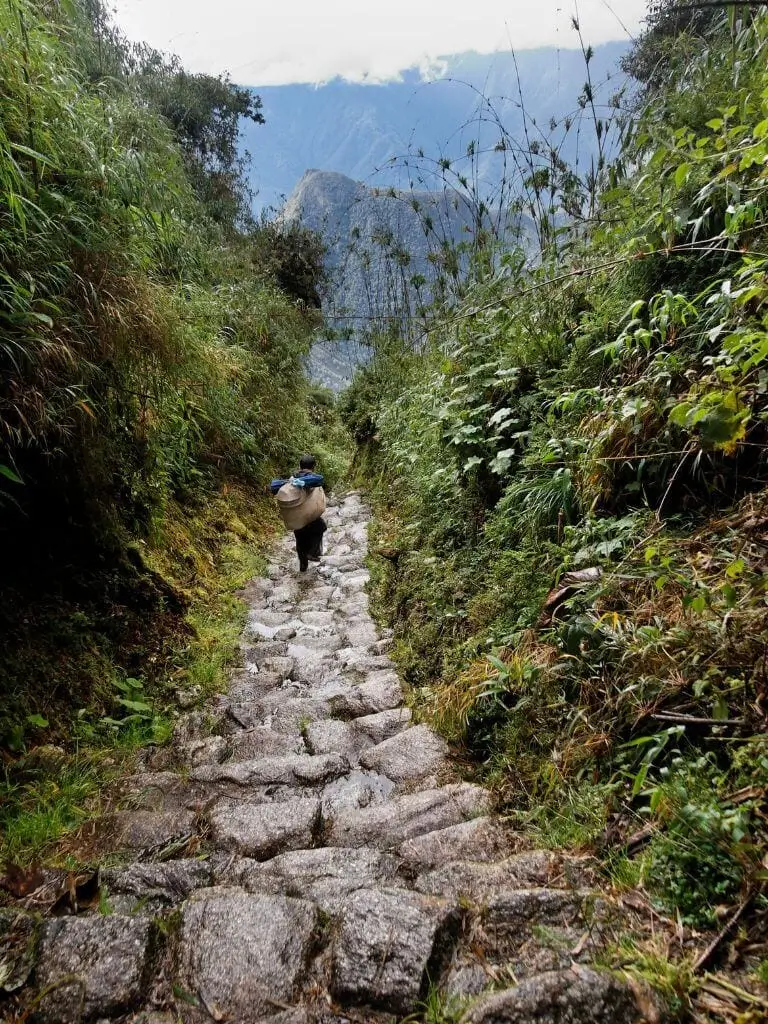
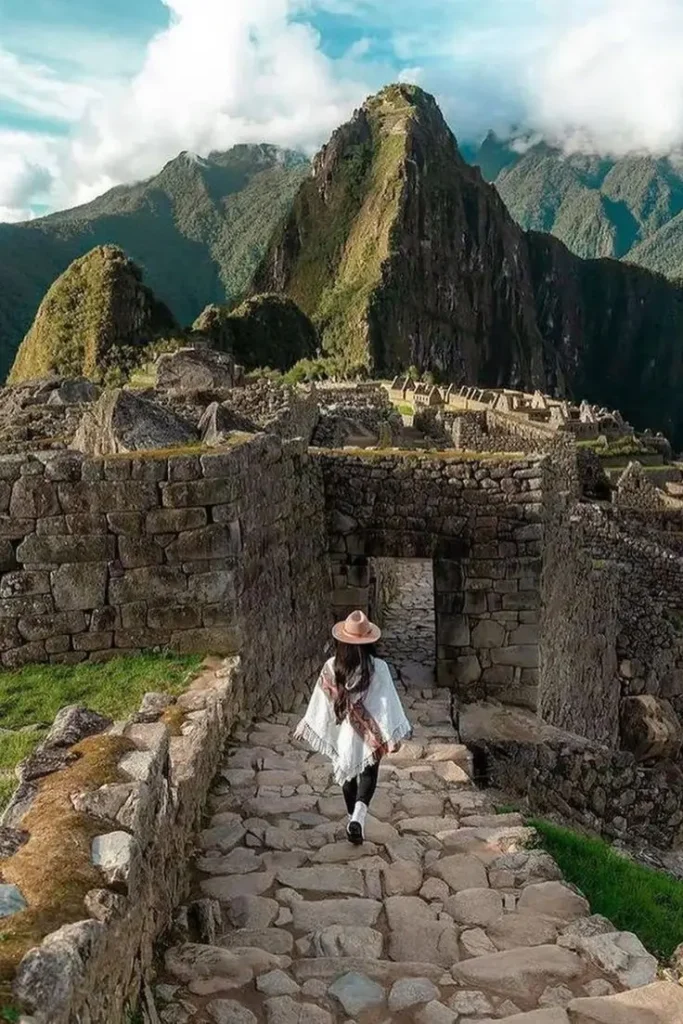
The classic path is a journey through history, where you will walk on original cobblestone steps carved centuries ago and explore exclusive archaeological sites tucked away in the cloud forest.
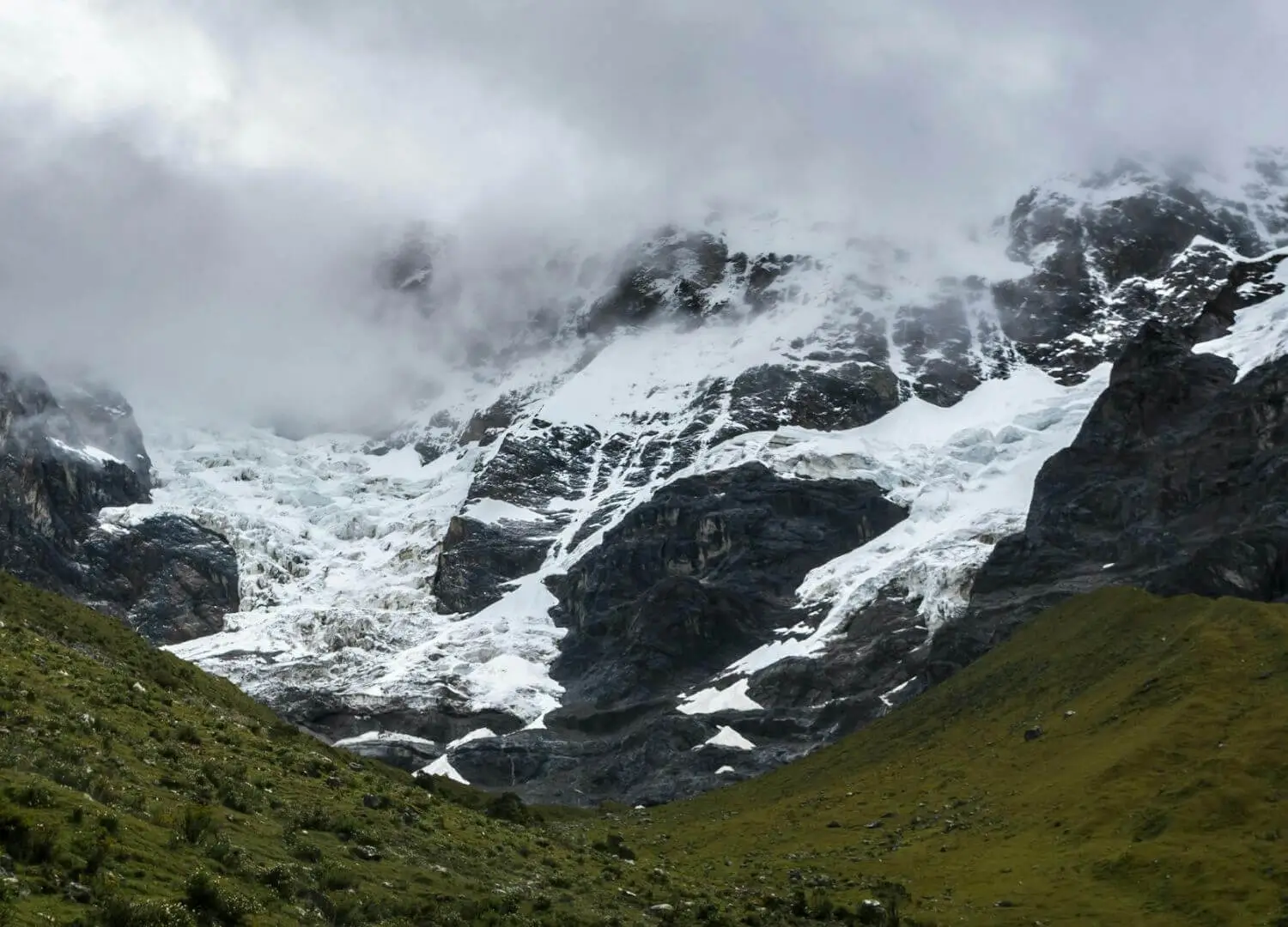
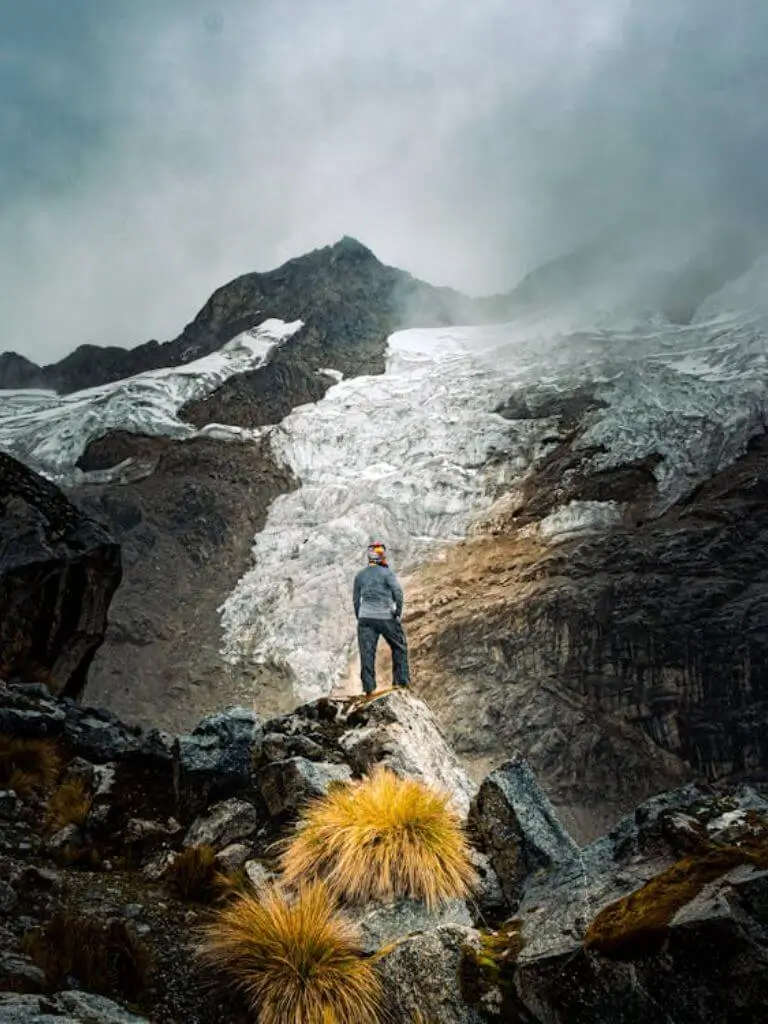
On the other hand, Salkantay is about raw, untamed nature. It takes you up close to towering snow-capped glaciers and deeply into vibrant, high-jungle coffee plantations.
Analyzing the Salkantay Trek Difficulty
Many hikers wonder if they have the physical stamina for the alternative route. The Salkantay trek difficulty is generally considered more challenging than the classic Inca path due to the higher altitudes and longer daily walking distances.
However, because it does not require government permits months in advance, it offers much more flexibility for travelers seeking a rugged, high-altitude physical challenge.
Essential Data: Comparing the Treks
To help you decide which adventure suits your fitness level and travel goals, here are the hard facts you need to know before lacing up your boots:
- Maximum Altitude: The classic trail reaches 4,215m (13,828 ft) at Dead Woman’s Pass. Salkantay peaks significantly higher at 4,630m (15,190 ft) at the Salkantay Pass.
- Difficulty: The classic path is Moderate to Challenging (due to endless stone stairs). Salkantay is Challenging (due to higher altitude and longer miles).
- Climate: Both treks start freezing in the high Andes and end warm and humid in the jungle. Expect extreme temperature shifts on both trails.
- Best Season: The dry season, from May to October, offers the best conditions, clear mountain views, and safer terrain for both routes.
- What to Bring: Essential gear for both includes well-broken-in waterproof hiking boots, thermal base layers, a warm sleeping bag (-10°C), and high-SPF sunblock.
Consejos de Experto: Tips for Choosing Your Route
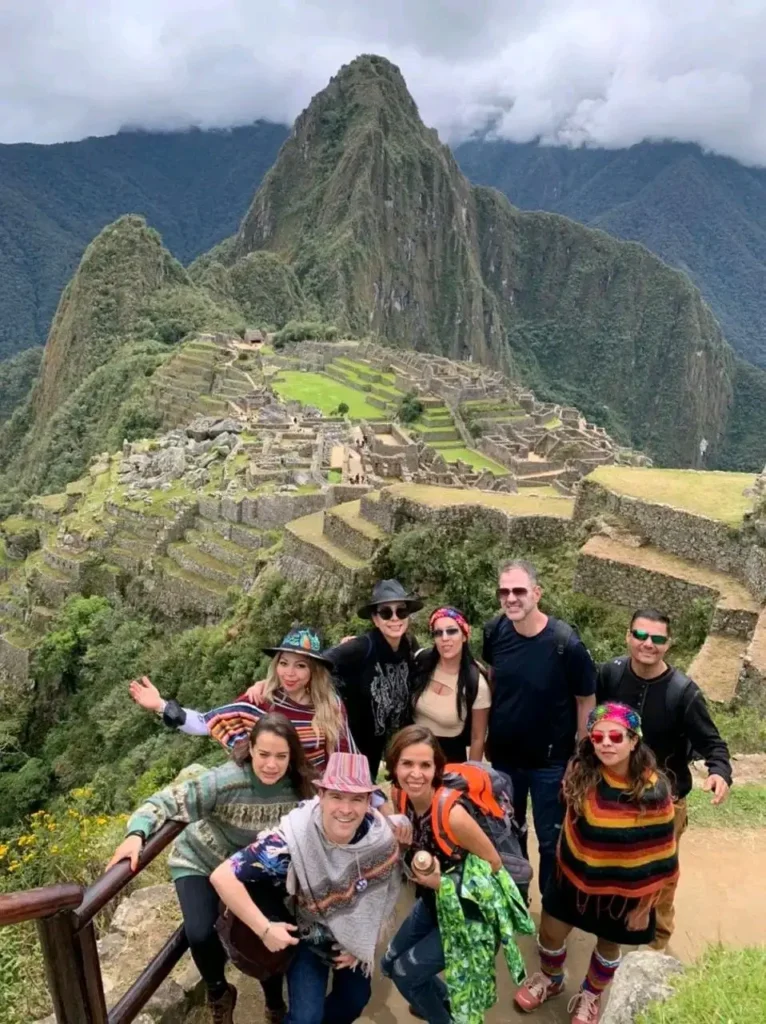
As local trekking specialists, we have guided thousands of hikers across these magnificent mountains. Here is our insider advice to ensure a successful journey:
- Book Smart: If you want the historic path, you absolutely must book permits 5 to 6 months in advance. If you are planning late, Salkantay is your best high-quality alternative.
- Prioritize Acclimatization: Salkantay’s higher altitude requires more respect. Spend at least 3 full days in Cusco relaxing and exploring local ruins before starting the trek.
- Train for the Terrain: For the classic trail, practice walking up and down steep stairs. For Salkantay, focus your training on long-distance endurance walking.
Conclusion
At the end of the day, deciding between the Inca Trail vs Salkantay comes down entirely to your personal travel style.
Do you want to step back in time among exclusive ancient ruins, or do you crave the solitude of towering glaciers and raw, untamed wilderness? Whichever path you choose, the journey will be a life-changing experience.