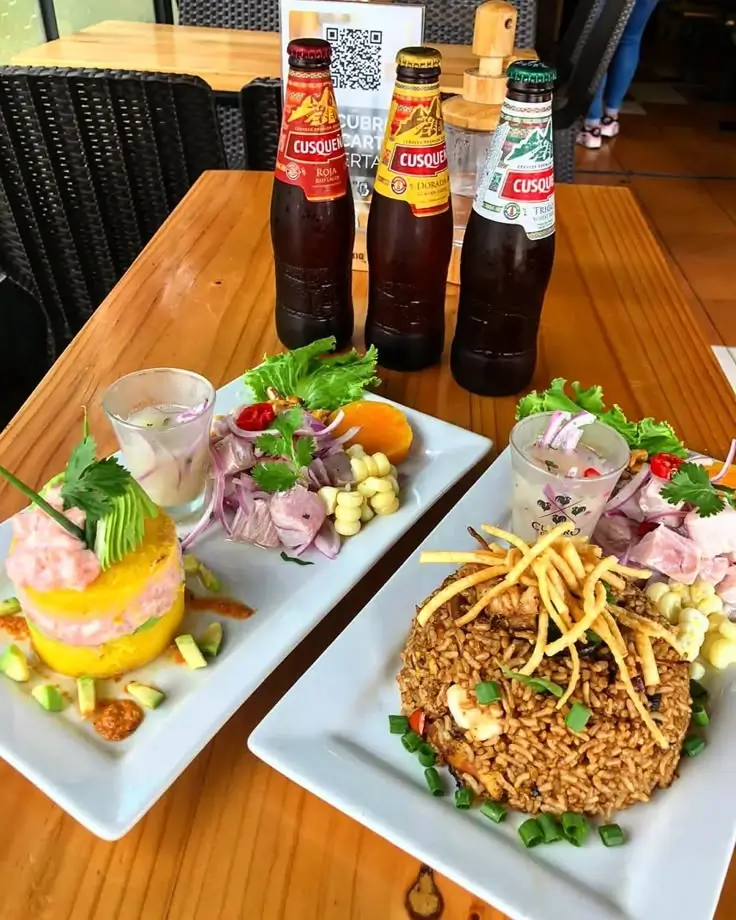
Cusco’s food scene runs from hearty Andean staples like lomo saltado and quinoa soup to more adventurous dishes like cuy, and eating well here is less about finding the right restaurant than about pacing yourself in your first days at altitude and knowing which dishes are worth seeking out. Markets and simple local restaurants cover the everyday end of that range; Pachamanca, food cooked underground with heated stones, is the dish worth building a specific afternoon around. This guide covers what to actually order, where markets fit versus restaurants, and how to eat comfortably at 3,399 meters without overthinking it. For the full range of what a Peru itinerary can include, see our full guide to Peru tour packages.
Eating at altitude: what your body wants the first days
Your appetite and digestion both shift somewhat during your first days at 3,399 meters, and eating with that in mind makes the adjustment easier rather than fighting against it. Lighter meals, more frequent small portions rather than one large one, and plenty of water alongside your food all tend to sit better than a heavy meal on day one.
Coca tea is widely offered in Cusco, in hotels and restaurants alike, and it is a normal part of the local routine for settling the stomach and easing into the altitude, worth trying if it’s offered rather than something you need to seek out specially. Alcohol affects you more noticeably at altitude than it does at sea level, so it’s worth going easier on it during your first day or two, not avoiding it necessarily, just pacing it differently than you might at home.
Heavy, rich, or very fatty meals are also worth easing into gradually rather than diving straight in on arrival day. This isn’t about restricting yourself for the whole trip, plenty of Cusco’s best dishes are hearty by nature, it’s specifically about giving your digestion the same gradual adjustment period you’re giving the rest of your body while it adapts to the altitude. By your second or third day, most travellers find their appetite and digestion have settled back to normal, and there’s little reason to keep holding back at that point. Your first 48 hours in Cusco covers the broader acclimatization routine that this fits into.


The dishes worth trying in Cusco
A handful of dishes come up again and again for good reason, and trying them is a genuine part of the Cusco experience rather than just a checklist.
| Dish | What it is |
|---|---|
| Lomo saltado | Stir-fried beef with onions, tomatoes, and fries, often served with rice |
| Cuy | Roasted or fried guinea pig, a traditional Andean dish, typically served whole |
| Rocoto relleno | A spicy stuffed pepper, usually filled with meat, onion, and cheese |
| Quinoa soup | A warming, hearty soup built around quinoa, common on Cusco menus |
| Alpaca steak | A leaner alternative to beef, prepared various ways across local restaurants |
| Chicha morada | A sweet, non-alcoholic purple corn drink, widely available alongside meals |
Cuy in particular tends to surprise first-time visitors, both in how it’s served and in the fact that it’s a genuinely traditional dish rather than a novelty aimed at tourists. It’s worth trying with an open mind if you’re curious, and entirely skippable if it’s not for you, since none of the other dishes on this list require it as a prerequisite.
Chicha morada is worth calling out specifically since it’s easy to overlook next to the more substantial dishes above: a sweet, deep purple drink made from purple corn, it’s non-alcoholic, widely available, and a reliable pairing with almost anything else on this list if you want something refreshing between richer plates.
Pachamanca: food cooked under the ground
Pachamanca is the dish most worth setting aside real time for, since it’s as much an event as a meal. Meat, potatoes, and other vegetables are wrapped and cooked underground using heated stones, a method with deep roots in Andean tradition rather than a modern presentation gimmick.
If you want to experience Pachamanca as its own dedicated outing rather than an add-on to a busier day, the 1-day Pachamanca experience is built specifically around it. The Pachamanca tradition covers the history and method behind the dish in more depth if you want the fuller story before you go.
If your itinerary is our 14-Day Peru Mystic Tour, Pachamanca is already built in on day 13, and it’s one of the more hands-on food moments of that itinerary specifically, since guests take part in the preparation itself rather than only eating the result once it’s ready.


Markets vs restaurants
Cusco’s markets and its restaurants serve genuinely different purposes, and using both rather than picking one over the other gets you the fuller picture.
Markets are where you’ll find the most affordable, most local everyday food, fresh juice stalls, simple hot dishes served at communal tables, and produce you can see and choose yourself. They’re an easy, low-cost way to eat like a local rather than exclusively at places built around visitors.
Restaurants, particularly in the historic centre, range from simple, unpretentious spots serving the dishes above to more polished dining aimed at a broader international palate. San Blas tends toward a slightly different mix again, smaller, more character-driven spots that lean into the neighbourhood’s artisan feel rather than the higher foot traffic of the main square. Neither market nor restaurant is objectively better; a market lunch and a sit-down dinner are simply different experiences worth having on different days rather than a decision to make once for the whole trip.
Vegetarian, vegan and gluten-free in Cusco
Cusco’s food culture is built heavily around meat and potatoes, but this has shifted enough that vegetarian, vegan, and gluten-free travellers are not left with nothing. Quinoa soup and other quinoa-based dishes are naturally suited to most dietary restrictions, and a growing number of restaurants in the historic centre and San Blas specifically cater to plant-based diets with dedicated menus rather than a single token dish.
The more specific and less common your restriction, the more it’s worth telling your guide or hotel in advance rather than discovering options as you go; this is a small piece of information that makes a real difference in what your first meal in Cusco looks like, especially if you’re arriving already tired from altitude adjustment and would rather not spend that first evening searching for somewhere that can accommodate you.
Food safety without being paranoid
Basic caution rather than outright avoidance is the right approach to food in Cusco. Stick to places with visible turnover, food being cooked and served rather than sitting out, and drink bottled or filtered water rather than tap water, which is standard advice across most of Peru rather than something specific to Cusco or a sign the food itself is risky.
Street food and market stalls are not automatically riskier than restaurants; busy stalls with high turnover are often fresher than a quiet restaurant with food sitting under a heat lamp. The general rule, busy and visibly fresh over quiet and sitting, serves you better than an outright avoidance of any one category of place.
Fruit and vegetables you peel yourself, and freshly cooked hot dishes eaten while still hot, are both lower-risk choices if you’re being cautious without wanting to skip local food entirely. This isn’t a reason to be anxious about every meal; it’s simply the same common-sense filter worth applying anywhere unfamiliar, adjusted slightly for how markets and street stalls actually operate in Cusco.
Which meals your tour already covers
Knowing what’s already arranged as part of your package removes a lot of the day-to-day decision-making around food. What a Peru package includes covers the full breakdown, but generally, meals specifically called out in your itinerary, such as the Pachamanca on day 13 of the 14-day Mystic Tour, are arranged and included, while meals not specified are left for you to choose, which is exactly where markets, local restaurants, and the dishes above come in.
Budgeting for meals outside your package is worth doing alongside your general cash planning; money and tipping in Peru covers carrying enough small notes for everyday spending, food included, since markets and smaller local restaurants tend to be cash-only in the same way other small local vendors are.
Frequently Asked Questions
What food should I try in Cusco? Lomo saltado, quinoa soup, rocoto relleno, and alpaca dishes are all worth trying, alongside cuy if you’re curious about a traditional Andean specialty. Pachamanca, food cooked underground, is the one dish worth building a dedicated outing around.
Is street food safe to eat in Cusco? Busy stalls with visible turnover are generally a safe choice, following the same basic caution you’d apply anywhere: freshly cooked over sitting out, and bottled or filtered water rather than tap water.
Can I find vegetarian or vegan food in Cusco? Yes. Quinoa-based dishes are naturally suited to most plant-based diets, and a growing number of restaurants, especially in the historic centre and San Blas, offer dedicated vegetarian and vegan menus.
What is Pachamanca? Pachamanca is a traditional Andean method of cooking meat, potatoes, and vegetables underground using heated stones. It’s included on day 13 of our 14-Day Peru Mystic Tour, or available as its own dedicated outing through our 1-day Pachamanca experience.