Travel insurance is mandatory for our 14-Day Peru Mystic Tour and strongly recommended for every other package we run. The reason is straightforward: Peru’s itineraries combine high altitude, remote terrain, and non-refundable bookings, train tickets, permits, entrance fees, in a way that makes a policy worth having even for travellers who normally skip one. This article covers what to actually look for in a policy, not which company to buy it from. For the full range of what a Peru itinerary can include, see our full guide to Peru tour packages.
When insurance is mandatory and when it is strongly advised
Our 14-Day Peru Mystic Tour requires proof of travel insurance before departure, reflecting the length of the itinerary and the range of activities it covers, from the coast to high-altitude ceremony sites. For every other package, insurance is not required by us but is strongly recommended given the altitudes involved and the practical reality that a canceled train ticket or a missed Machu Picchu entrance is not refundable after the fact.
Requiring it on the longer, more involved itinerary and recommending it elsewhere is a reflection of risk exposure, not an arbitrary rule: more days, more altitude changes, and more moving pieces mean more that can go wrong, and a policy is the tool that absorbs that risk rather than leaving it entirely on you.
What high-altitude coverage actually means
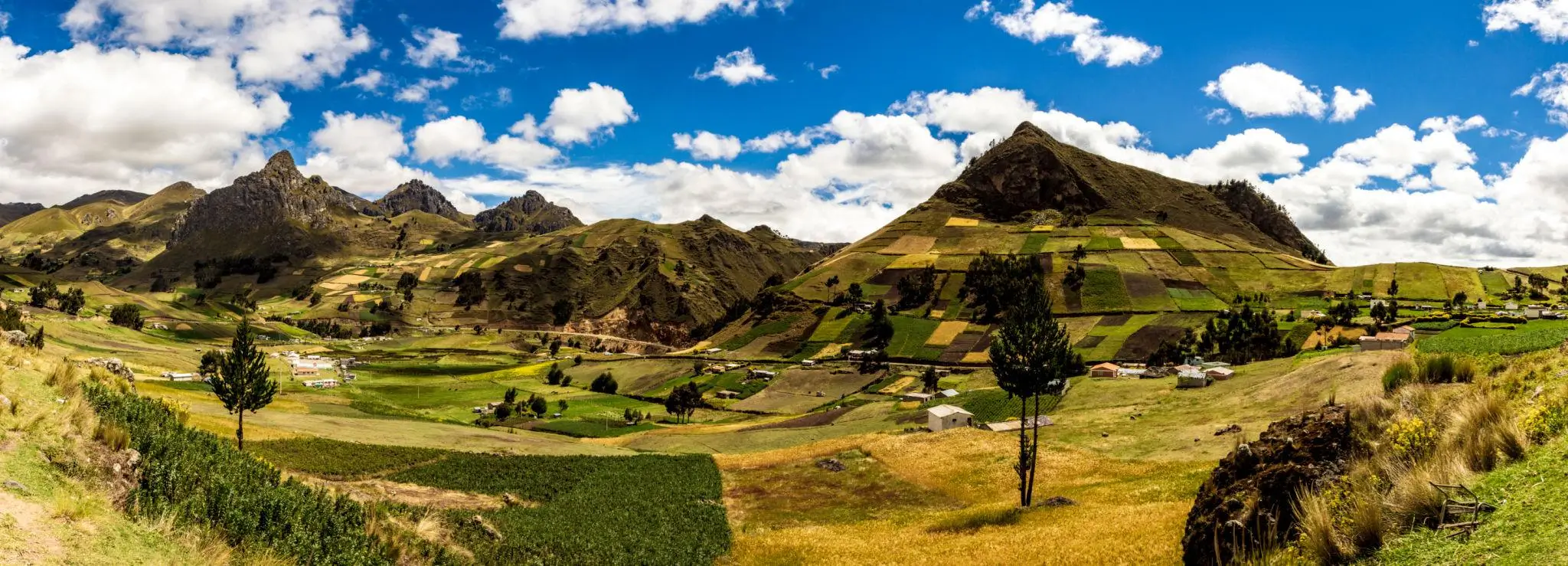
Not every travel policy automatically covers activities or medical events at high altitude, and this is the single detail worth confirming before you buy, since Cusco sits at 3,399 meters and Rainbow Mountain reaches 5,036 meters.
| Elevation | Where | Why it matters for coverage |
|---|---|---|
| 3,399 m | Cusco and Sacred Valley base | Some policies set an altitude threshold below this for standard coverage |
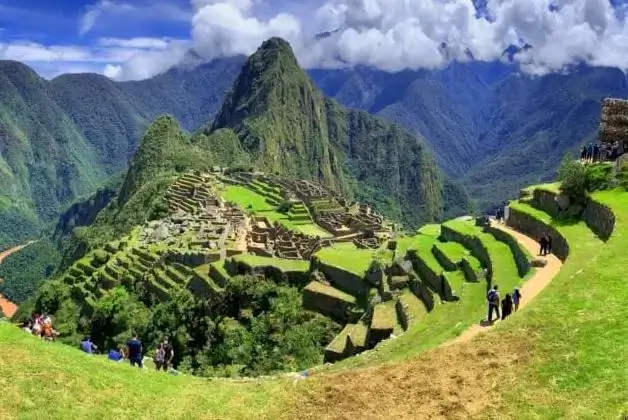
| 2,430 m | Machu Picchu | Generally within standard coverage limits |
| 5,036 m | Rainbow Mountain | Often above the altitude ceiling on basic policies |
“High-altitude coverage” specifically means the policy pays out for medical events at elevations that exceed its standard limit. If a policy doesn’t mention an altitude threshold at all, that is a reason to ask rather than assume it’s covered, since the absence of a stated limit does not necessarily mean there isn’t one buried in the policy wording.
Medical evacuation: why it matters in remote Peru
Medical evacuation coverage matters more in Peru’s Andes than it would on a typical city-based trip, simply because of distance. Rainbow Mountain and other high-altitude sites are hours from the nearest hospital equipped to handle a serious medical event, and getting someone from a remote trailhead to adequate care can require more than a standard ambulance ride.
This is the part of a policy worth reading closely rather than assuming is included: whether evacuation is covered at all, what triggers it, and whether it covers transport all the way to a facility capable of treating the specific issue, rather than just the nearest available clinic. A policy that covers evacuation from a city hotel but not from a trailhead at 5,036 meters is not much use on the day you might actually need it at Rainbow Mountain.
Trip cancellation and the non-refundable parts of a Peru trip
A Peru itinerary has more non-refundable pieces than a typical trip, and trip cancellation coverage is what protects against losing money on them if something forces a change of plans.
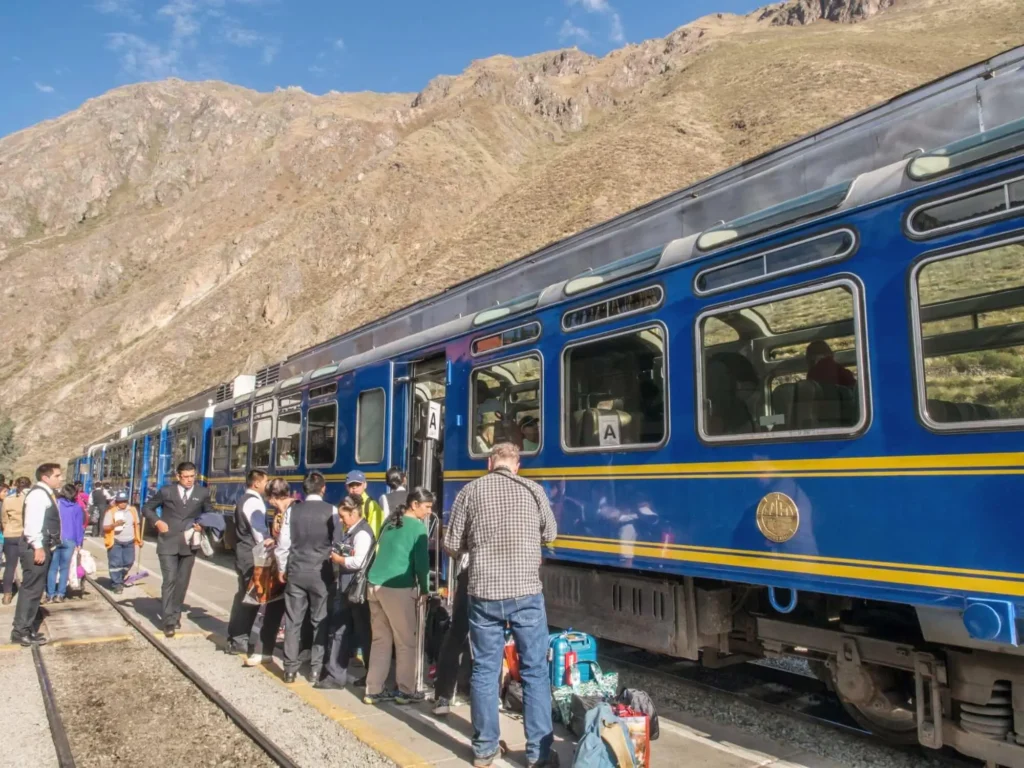
Machu Picchu entrance tickets, train tickets, and Huayna Picchu permits specifically are booked to a fixed date and a named traveler, and none of them are flexible once purchased. If illness, a family emergency, or a missed connecting flight forces you to cancel or reschedule, these are the costs a cancellation policy is meant to recover, not just the cost of an unused hotel night.
When to book your Peru tour covers how far in advance these fixed-date items need to be booked, particularly Huayna Picchu given its limited daily permits, which is worth reading alongside this one since the earlier you lock in a non-refundable booking, the more that cancellation coverage actually matters.
What is usually excluded
Reading the exclusions list is at least as important as reading what’s covered, and a few categories come up often enough to check for specifically:
- Pre-existing medical conditions, unless specifically declared and accepted by the insurer at the time of purchase.
- High-risk activities, which some policies define narrowly enough to exclude trekking at altitude unless it’s explicitly added as a rider.
- Disruptions from strikes or civil unrest, which are a real possibility on Peru itineraries and are treated differently by different insurers; strikes, delays and cancellations covers what these actually look like on the ground and how they typically affect a tour.
- Altitude-related illness, in some policies specifically, if it isn’t clearly included under general medical coverage.
None of these exclusions are unique to Peru, but they are more likely to actually matter here than on a beach holiday, which is exactly why it’s worth confirming each one rather than assuming a generic policy covers them by default.
Questions to ask your provider
Before buying a policy for a Peru trip, get a direct answer to each of these rather than relying on the marketing summary:
- Does this policy cover medical treatment and evacuation above 3,400 meters, and specifically up to 5,036 meters for a Rainbow Mountain day trip?
- What triggers medical evacuation coverage, and does it include transport from a remote trailhead rather than just a city clinic?
- Is trip cancellation coverage sufficient to recover the cost of Machu Picchu tickets, train tickets, and Huayna Picchu permits specifically, not just accommodation?
- Are disruptions from strikes or transport stoppages covered, given how they can affect train access to Machu Picchu?
- Do I need to declare any pre-existing conditions, and how does that affect the altitude and medical coverage above?
A provider that can answer all five clearly and specifically is a better sign than one that offers only a general summary of coverage. If your itinerary includes our more demanding 8-day Cusco Spiritual Discovery tour, which combines altitude and ceremonial sites over a longer stretch, these same questions apply with even more weight, since the itinerary spends more days at altitude than a shorter Machu Picchu-focused trip. What a Peru package includes covers what we handle directly so you know exactly what your insurance needs to cover on top of it, and your first 48 hours in Cusco is worth reading alongside your policy, since acclimatization habits and insurance coverage are both part of managing the same altitude risk.
Frequently Asked Questions
Is travel insurance required for a Peru tour? It is mandatory for our 14-Day Peru Mystic Tour and strongly recommended for every other package, given the altitudes involved and the non-refundable nature of Machu Picchu and train tickets.
Does regular travel insurance cover high altitude in Peru? Not always. Confirm whether your policy has an altitude threshold, since Rainbow Mountain’s 5,036 meters exceeds the standard coverage limit on some basic policies.
What happens if I need medical evacuation from Rainbow Mountain? This depends entirely on your policy’s evacuation terms. Confirm before you travel whether evacuation is covered from a remote trailhead, not just from a city hospital or hotel.
Are strikes or transport disruptions covered by travel insurance in Peru? Coverage varies by insurer, so confirm this specifically rather than assuming it’s included under general trip disruption coverage.