
Are you dreaming of walking through the Sun Gate to witness Machu Picchu, but find yourself constantly worrying about the physical demands of the journey? You are not alone in this concern.
Many travelers underestimate the Andes, leading to exhaustion instead of enjoyment. The key to turning this rugged challenge into the adventure of a lifetime is understanding the true Inca Trail difficulty and preparing your body properly.
With the right physical conditioning and altitude strategies, anyone with determination can successfully conquer this legendary route and enjoy every single step.
Decoding the True Inca Trail Difficulty
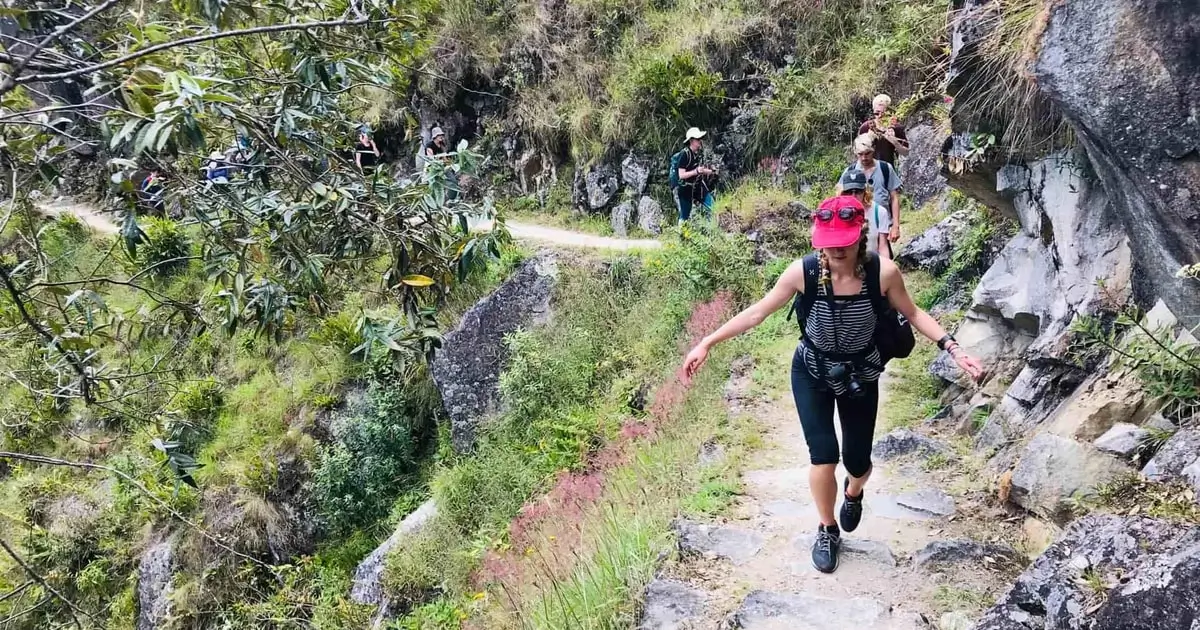
The classic path is not a technical mountain climb, meaning you do not need ropes or prior mountaineering experience. However, it is an incredibly demanding endurance hike over ancient, uneven cobblestones.
The sheer amount of steep stone stairs you will climb and descend is what usually catches hikers off guard. You will be walking for up to 7 or 8 hours a day, constantly challenging your leg muscles and cardiovascular system.
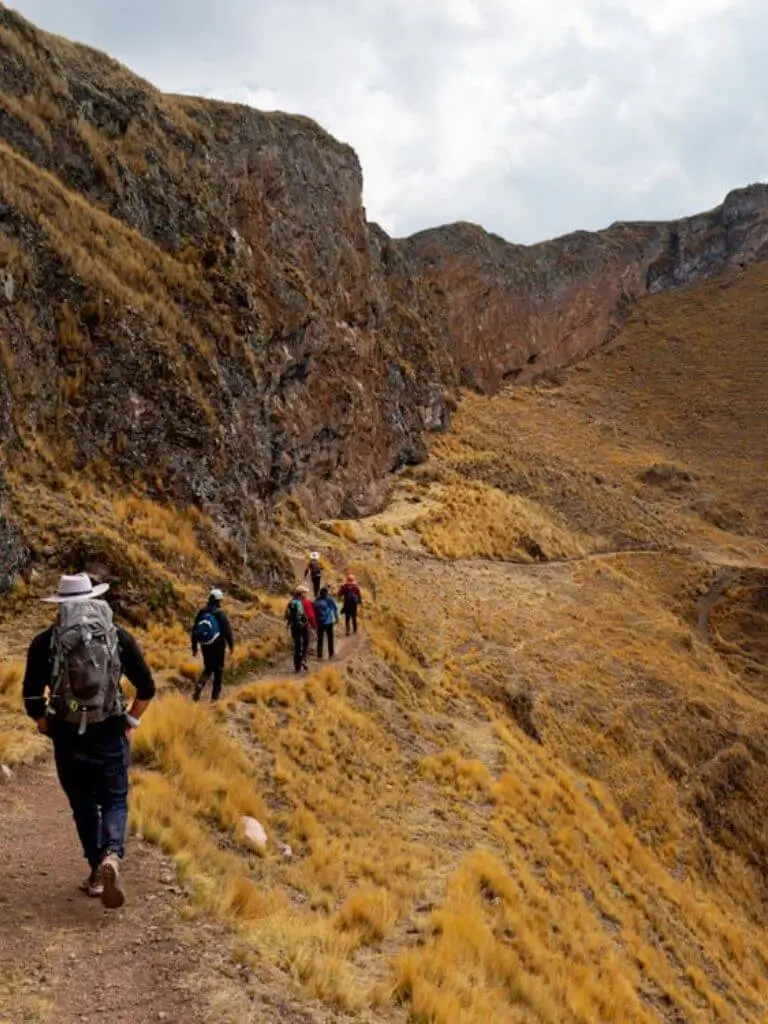
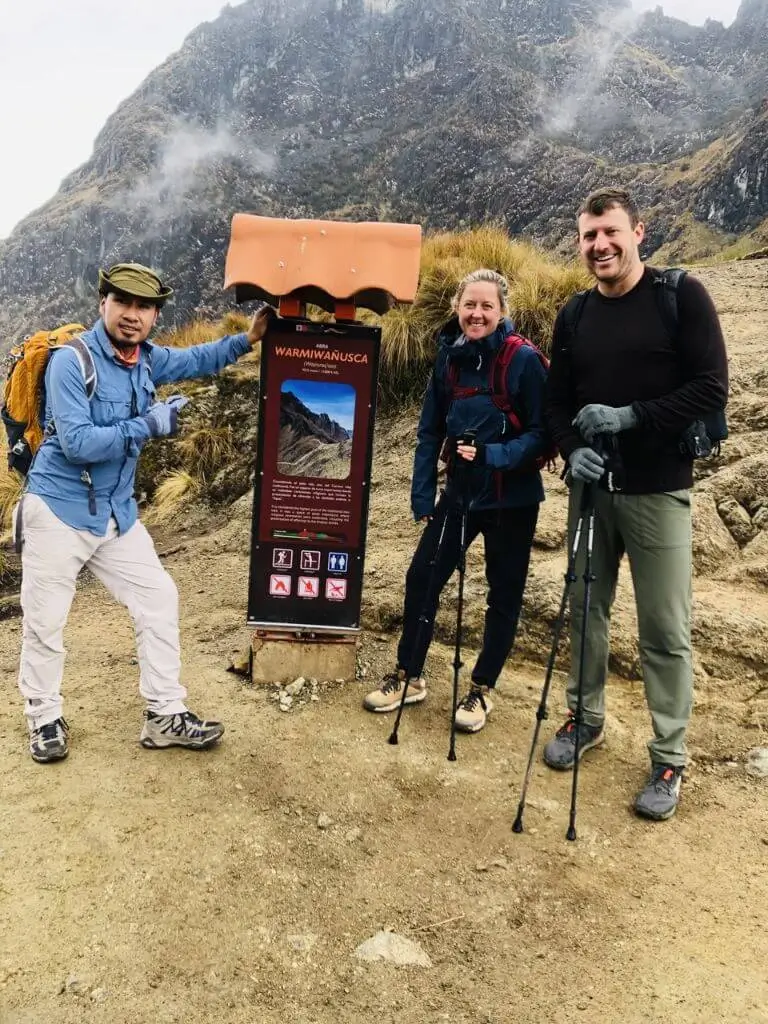
One of the most intimidating factors is the massive Inca Trail elevation gain. Over four days, you will ascend and descend multiple mountain passes, with the notorious Dead Woman’s Pass pushing you up to a breathless 4,215 meters (13,828 feet).
Essential Data for Your Preparation
Before you create your workout plan, it is crucial to understand the exact conditions you will face on the mountain so you can prepare intelligently:
- Maximum Altitude: 4,215 meters (13,828 ft) at Warmiwañusca Pass.
- Difficulty: Challenging. Expect steep inclines, hundreds of stone steps, and thin air.
- Climate: Highly variable. Freezing at night (-5°C) and hot/humid during the day (25°C).
- Best Season: The dry season, from May to October, offers clear skies and stable trails.
- What to Bring: Rubber-tipped trekking poles (essential to save your knees), perfectly broken-in hiking boots, and a comfortable, lightweight daypack.
Proven Strategies for Training for Hiking
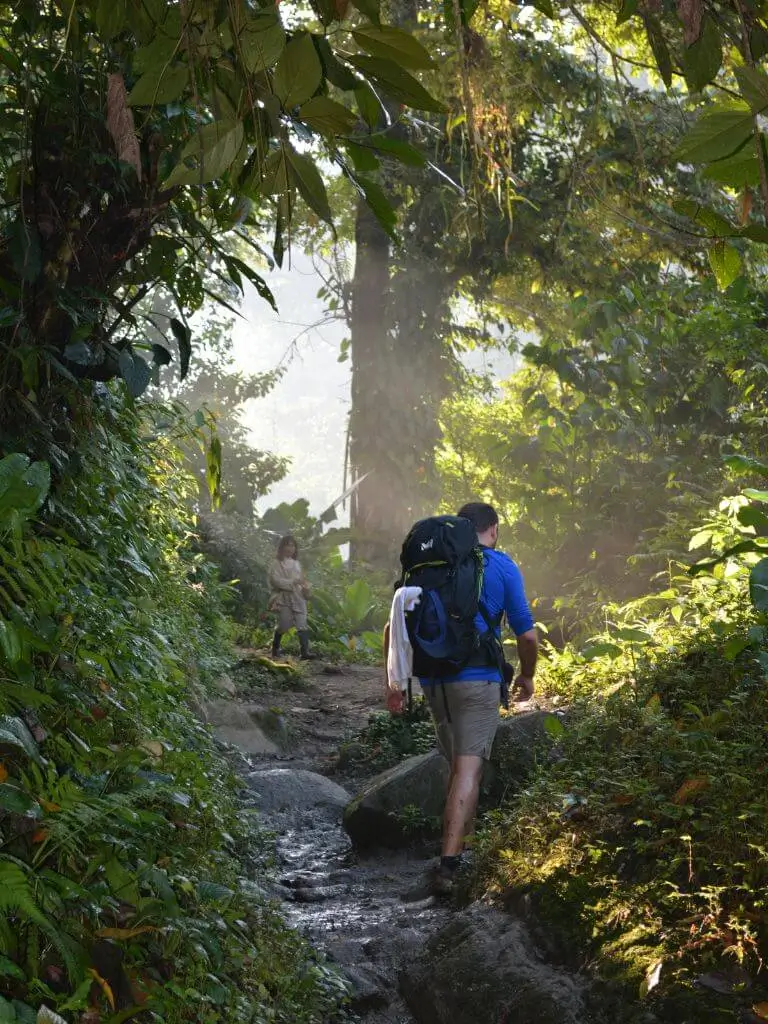
To prepare effectively, you must mimic the trail conditions as closely as possible. Standard gym weightlifting won’t cut it; you need targeted training for hiking.
Start your regimen at least three to four months before your trip. Focus heavily on cardiovascular endurance by running, cycling, or swimming to build your lung capacity for the high altitudes.
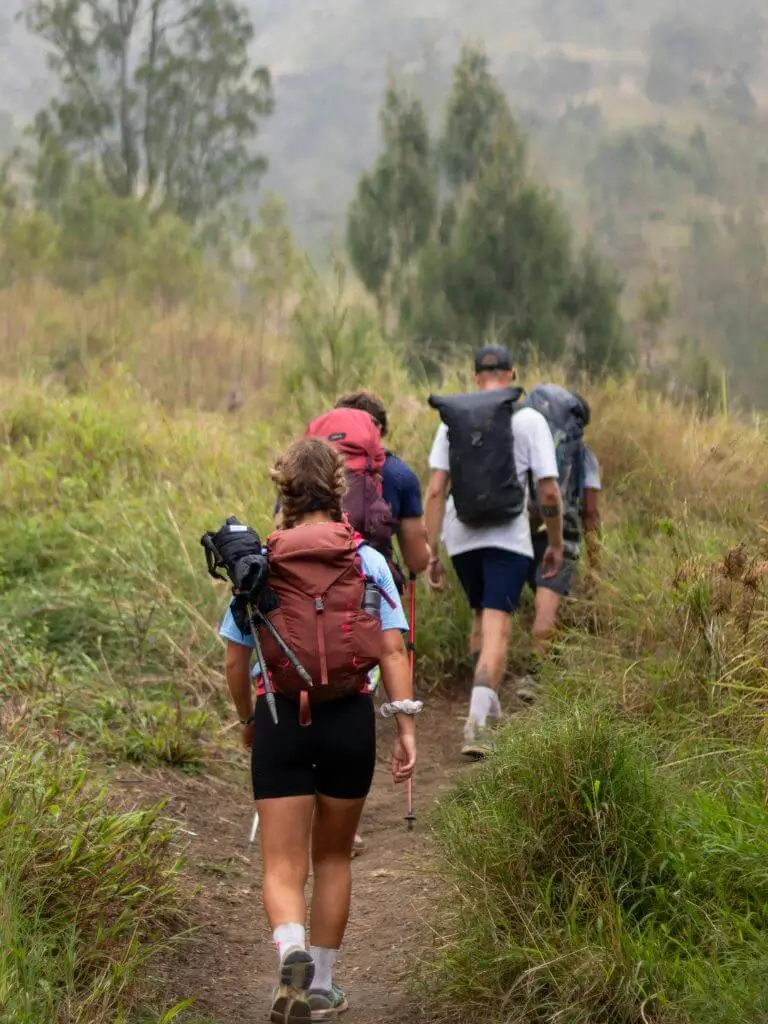
Most importantly, spend hours on the stairmaster or hike local hills wearing a weighted backpack. Building strength in your quads, calves, and knees is the ultimate secret to enjoying those steep, endless descents.
Beating Altitude Sickness Peru
No matter how fit you are at sea level or how many marathons you have run, the thin Andean air affects everyone differently. Dealing with altitude sickness Peru (locally known as soroche) is a very real part of the trekking experience.
The symptoms can range from mild headaches and shortness of breath to severe nausea and fatigue. The secret to preventing it is giving your red blood cells time to multiply and adapt to the low-oxygen environment.
Drink plenty of water before and during your trek, avoid heavy meals the day you arrive in the Andes, and deliberately pace your walking speed from day one.
Consejos de Experto: Local Secrets for the Trail
As local Andean experts, we have seen thousands of hikers tackle this route. Here are our top practical tips to ensure your body is ready and protected:
- Arrive Early: Spend at least 2 to 3 full days in Cusco (3,400m) or the Sacred Valley to acclimatize completely before you start trekking. Do not rush this step.
- Walk Like an Inca: Take small, deliberate steps on the uphill sections. Synchronize your breathing with your steps to conserve energy and keep your heart rate steady.
- Embrace Coca Tea: Drink traditional mate de coca at your hotel and chew coca leaves on the trail; it is an ancient, proven local remedy for altitude symptoms.
- Stretch Daily: Once you reach camp, don’t just collapse in your tent. Take 10 minutes to stretch your hamstrings, calves, and back to prevent stiffness the next morning.
Conclusion
Preparing for the Andes requires commitment, but crossing that finish line and seeing the ancient citadel makes every drop of sweat completely worth it. By respecting the Inca Trail difficulty and following a solid training plan, you will arrive confident and ready.
Do not let the fear of the altitude or the elevation gain hold you back from experiencing one of the wonders of the world.