Is Lake Titicaca Worth Visiting? 5 Reasons to Say Yes

Are you finalizing your Peruvian itinerary and wondering if the long trip south is really worth your time? Many travelers face this exact dilemma after booking their Machu Picchu tickets.

You might be worried about the extreme altitude or whether the long bus ride fits into your tight vacation schedule. But the short answer is an absolute yes!

Exploring Lake Titicaca Peru is not just a simple detour; it is a profound journey into the mystical, ancient birthplace of the Inca Empire. Let us show you why this breathtaking destination deserves a prime spot on your travel bucket list.

1. Experience the Magic of Lake Titicaca Peru

There is something undeniably powerful about standing on the shores of this massive, deep blue body of water.

Sitting at a staggering elevation of 3,812 meters (12,507 feet) above sea level, it proudly holds the title of the world’s highest navigable lake.

The sheer scale of the water makes it feel like an endless ocean suspended high up in the Andes. The crisp mountain air and the absolute stillness create an atmosphere of pure, rejuvenating peace.

2. Step Foot on the Legendary Uros Floating Islands

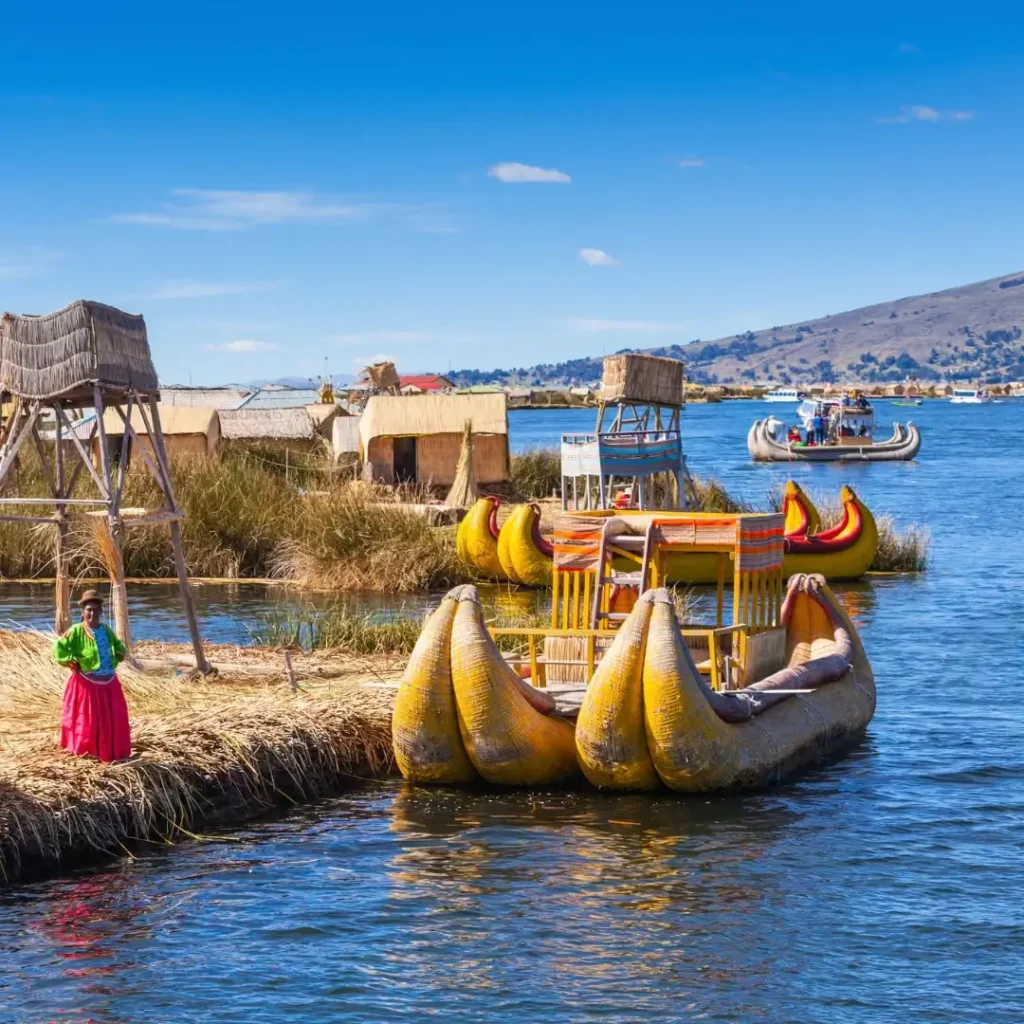
One of the most unique experiences in the world awaits you just a short, scenic boat ride from the mainland.

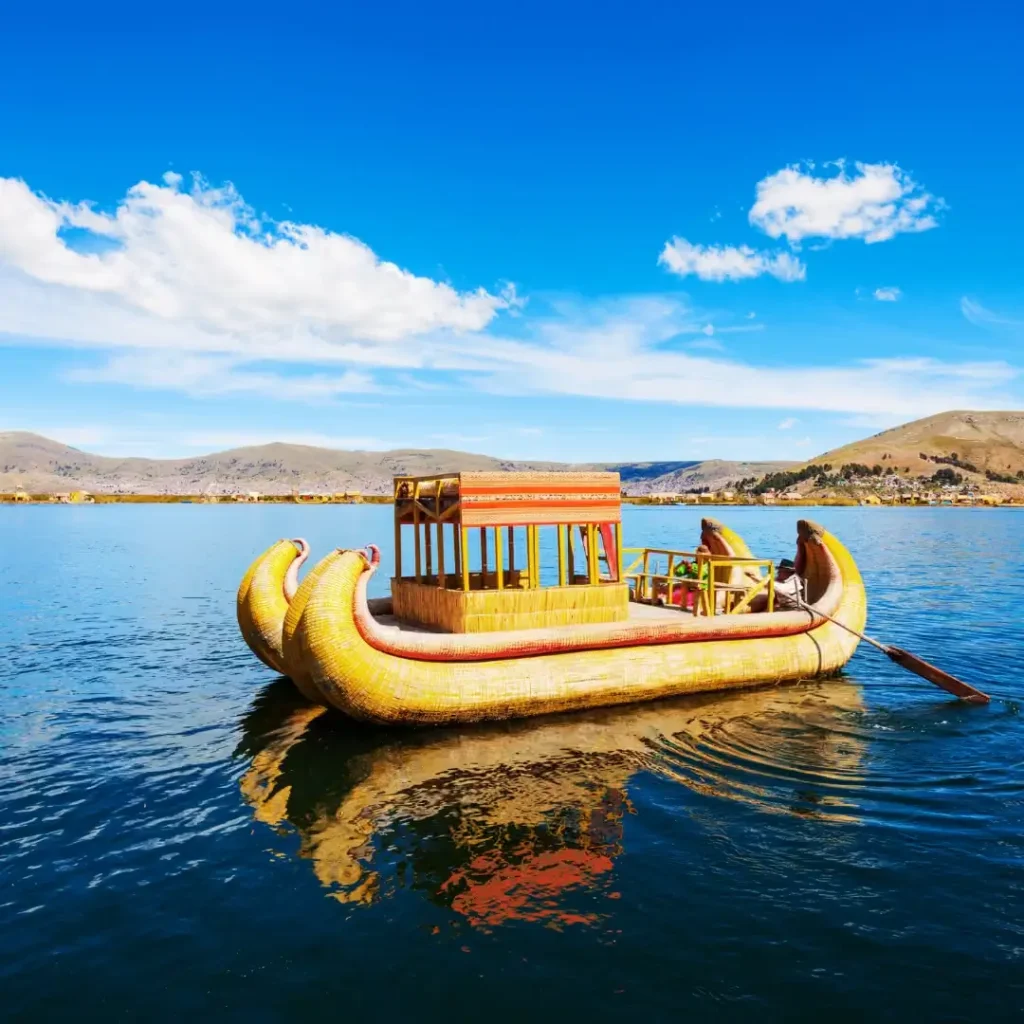
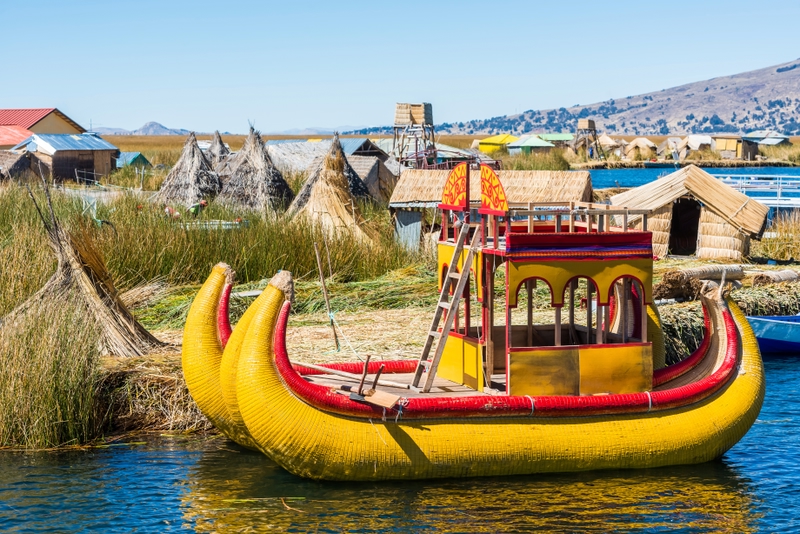
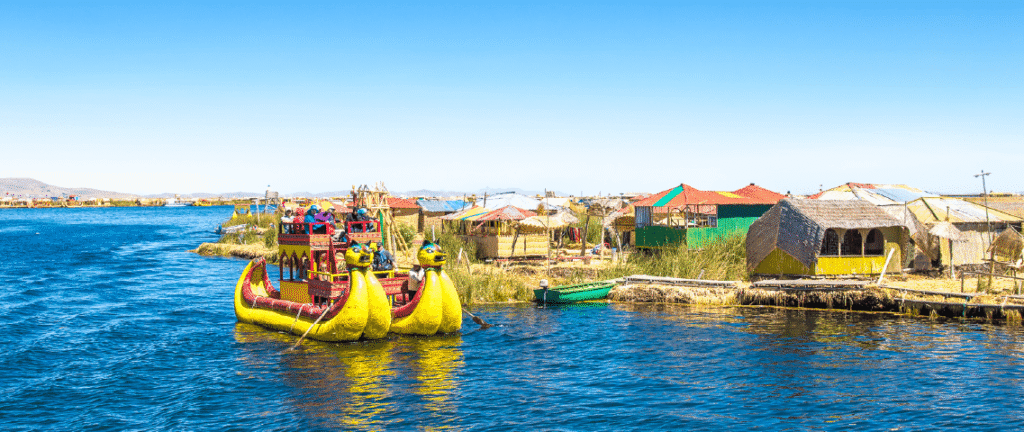
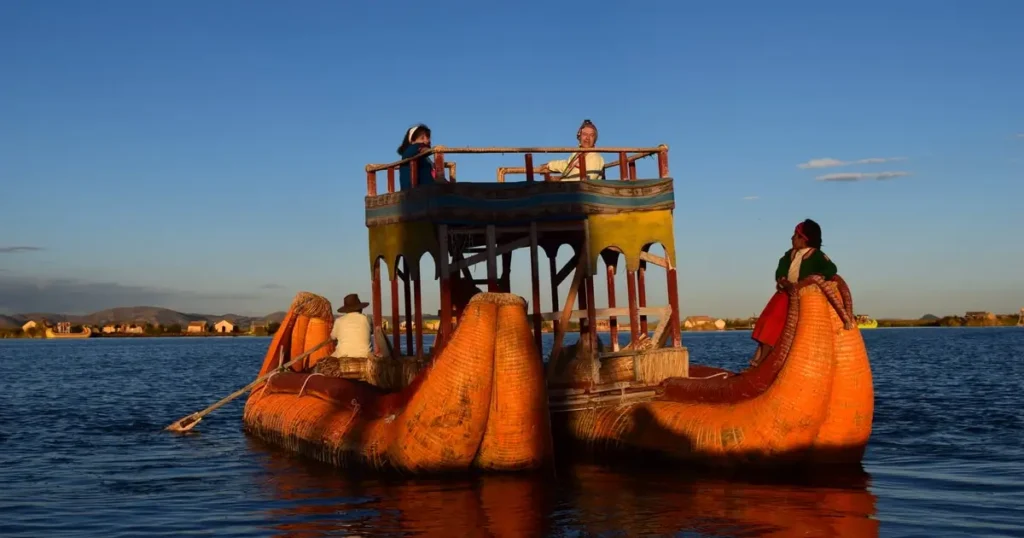
The Uros floating islands are entirely man-made, crafted meticulously from the buoyant totora reeds that grow abundantly in the lake’s shallows.

Meeting the indigenous Uros people and learning how they constantly rebuild their islands from scratch is a humbling and fascinating cultural immersion.
3. Discover Authentic Traditions on Taquile Island

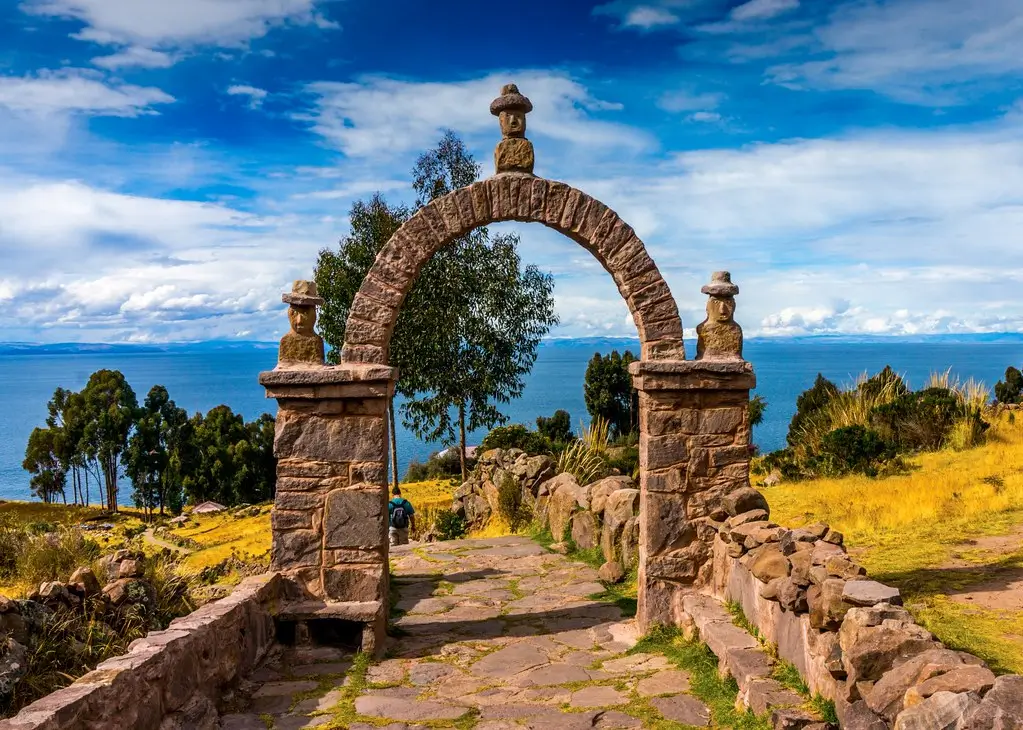
If you want to step back in time and escape the modern world, a visit to Taquile Island is an absolute must during your trip.

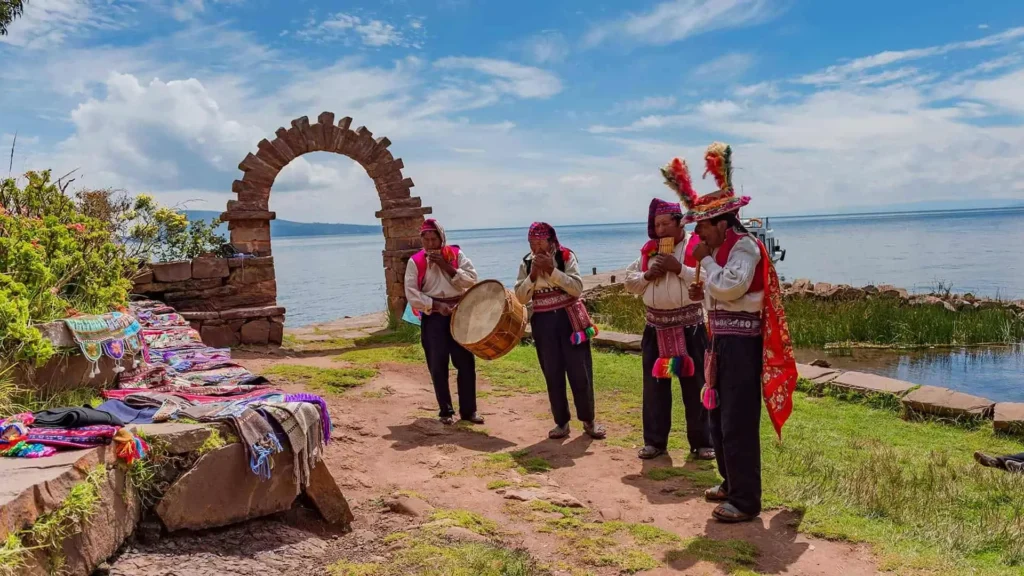
The islanders are famous worldwide for their intricate, UNESCO-recognized textile art, which is surprisingly knitted primarily by the men of the community.

There are no cars, hotels, or paved roads here, offering a rare, tranquil escape where ancient Andean traditions still dictate the daily rhythm of life.

4. Unmatched Stargazing and Stunning Sunsets

Because of the extreme high altitude and the complete lack of light pollution, the skies over the water are breathtakingly clear.

Watching the sun dip below the horizon paints the lake in surreal, glowing shades of pink, purple, and gold.

Once night falls, the Milky Way reveals itself in spectacular detail, offering some of the best stargazing you will ever experience in South America.

5. A Hub for Amazing Things to do in Puno

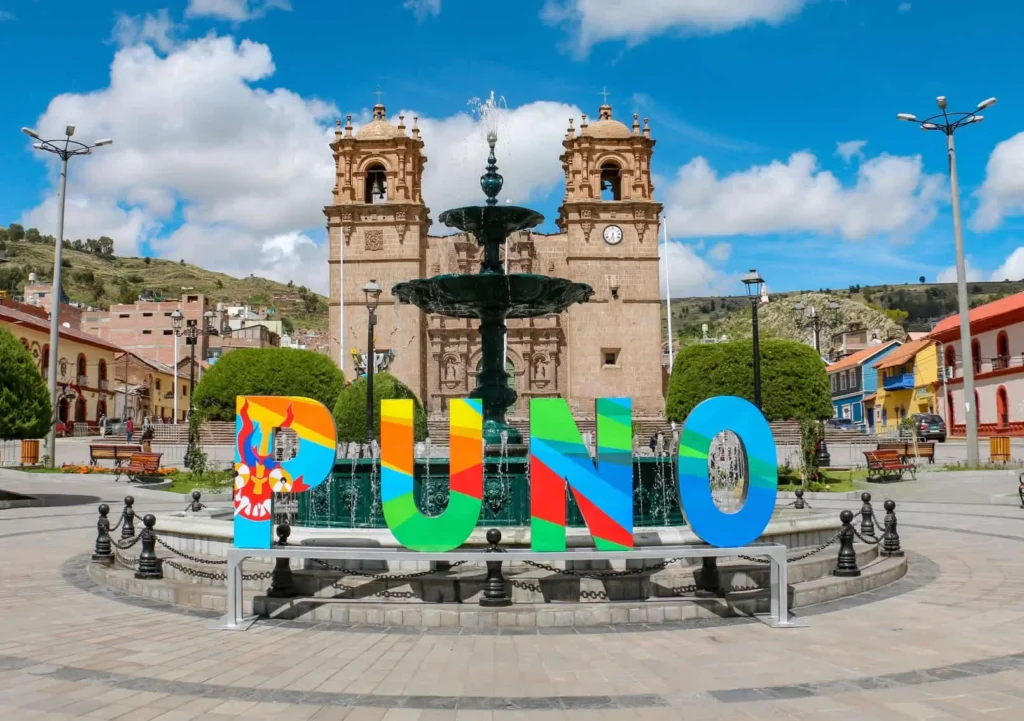
The lake itself is just the beginning; the gateway city offers a wealth of vibrant culture, history, and folklore.

When looking for Things to do in Puno, you can explore ancient pre-Inca burial towers at Sillustani or enjoy vibrant, colorful local festivals in the streets.

Known proudly as the Folkloric Capital of Peru, Puno will easily captivate you with its energetic dances, rich history, and delicious regional cuisine.
Essential Data for Your Adventure

To ensure you have the best possible experience, here is some crucial, practical data you need before you pack your bags:

  • Altitude: 3,812 meters (12,507 feet) above sea level.
  • Weather: Crisp, sunny, and chilly. Daytime temperatures average 15°C (59°F), while nights regularly drop below freezing.
  • Best Season: The dry season, from May to October, offers clear blue skies and calm, predictable waters.
  • Difficulty: Physical activity is mostly low-impact (boat rides, gentle walking), but the extreme altitude makes everything feel much more strenuous.
  • What to Bring: High-SPF sunscreen (the UV rays are intense!), a wide-brimmed hat, polarized sunglasses, warm layers, and a reusable water bottle.

Expert Tips from Peru Encantos Travel

As local experts, we want to make sure your journey is as smooth, comfortable, and safe as possible. Keep these practical tips in mind:

  • Prioritize Acclimatization: Do not rush your itinerary! Spend at least 2 or 3 days in Cusco or Arequipa before heading up to Puno to help your body adjust safely.
  • Hydrate and Drink Coca Tea: Drink plenty of water and try the local mate de coca to naturally combat altitude sickness and fatigue.
  • Morning Boat Tours are Best: The lake’s waters are much calmer in the early morning. Afternoon winds can sometimes make boat rides a bit choppy.
  • Respect the Sun: At this altitude, you can get sunburned very quickly, even if the air feels freezing cold. Reapply your sunscreen often.

Start Your Journey Today

In conclusion, the rich local culture, breathtaking scenery, and unique history make Lake Titicaca Peru an unforgettable destination that you simply cannot skip.

From the fascinating floating reed islands to the incredibly vibrant local traditions, this magical place will leave you with beautiful memories to last a lifetime.
Best Machu Picchu Tour Packages: Train vs. Trek Experiences

Planning a journey to the magnificent Inca citadel is a dream for many, but figuring out the logistics can quickly become overwhelming. With so many machu picchu tour packages available, travelers often find themselves stuck between two main choices: taking a scenic train ride or embarking on an adventurous trek.

Whether you want to relax in a panoramic carriage or hike along ancient stone paths, making the right choice is essential for your vacation. In this guide, we will break down both options to help you decide which adventure suits your travel style best.

Why Choose Train-Based Machu Picchu Tour Packages?

For those organizing machu picchu trips from usa or Europe with limited time, a train tour offers the perfect blend of comfort and breathtaking scenery. You can sit back, relax, and watch the dramatic transition from the high Andes to the lush cloud forest.

This option is ideal for families, older adults, or anyone who wants to avoid high-altitude hiking while still experiencing the magic of the sanctuary. Because of its convenience and beauty, a rail journey is often considered one of the best machu picchu tours for a stress-free holiday.

Essential Data for Train Tours

  • Difficulty: Easy to Moderate (mostly walking around the archaeological site).
  • Altitude: 2,040 meters (6,692 ft) at Aguas Calientes town, and 2,430 meters (7,972 ft) at the citadel.
  • Best Season: Year-round, though April to November offers the clearest skies.
  • What to Bring: Original passport, lightweight daypack, comfortable walking shoes, insect repellent, and sun protection.

The Thrill of Trekking: Hiking the Andes

If you crave a physical challenge and a deep immersion in nature, trekking to the citadel is an unparalleled experience. The most famous route is the Classic Inca Trail, though alternatives like the Salkantay Trek offer equally stunning, less crowded landscapes.

Booking premium inca trail packages allows you to walk the exact stone paths the Incas used centuries ago. You will arrive at the Sun Gate (Inti Punku) at dawn, rewarding your hard work with a spectacular, unforgettable first glimpse of the ancient ruins.

Essential Data for Trekking Tours

  • Difficulty: Moderate to Challenging (depending on your chosen route and physical fitness).
  • Max Altitude: Up to 4,215 meters (13,828 ft) at Dead Woman’s Pass on the Classic Inca Trail.
  • Best Season: May to October (Dry season). Note: The Classic Inca Trail is strictly closed every February for maintenance.
  • What to Bring: Broken-in hiking boots, moisture-wicking layers, trekking poles, a high-quality sleeping bag, and a reusable water bottle.

Expert Tips for Your Journey

As local experts in the Peruvian Andes, we want to ensure your trip is safe, enjoyable, and seamless. Here are our top insider tips for whichever route you choose:

  • Acclimatization is Key: Always spend at least two to three days in Cusco (3,399m) or the Sacred Valley before starting any strenuous activity to avoid altitude sickness.
  • Book Well in Advance: Permits for treks and train tickets sell out months ahead, especially during the high season (June-August). Secure your spots early!
  • Choose the Right Schedule: If taking the train, opt for early morning entrance tickets to the citadel to beat the heaviest crowds and enjoy the morning mist.
  • Stay Hydrated and Rested: Drink plenty of traditional mate de coca (coca tea) and water to help your body adjust naturally to the Andean altitude.

Conclusion: Ready to Book Your Machu Picchu Tour Packages?

Whether you prefer the scenic elegance of a luxury train ride or the rugged triumph of a multi-day hike, your journey to this Wonder of the World will be life-changing. Both options offer unique perspectives of the Sacred Valley, rich history, and awe-inspiring landscapes.

At Peru Andes Discovery, we specialize in crafting unforgettable Andean adventures tailored to your specific needs. Browse our carefully curated machu picchu tour packages today, and let our local experts turn your dream vacation into reality. Contact us now for a personalized quote and start packing your bags!

Best Lake Titicaca Tours: Exploring the Uros Floating Islands & Taquile

Stepping onto an island woven entirely from reeds is an experience that feels wonderfully surreal. For many travelers heading to southern Peru, finding the right lake titicaca tours is the key to unlocking the mysteries of the world’s highest navigable body of water.

If you want to connect with ancient Andean cultures and witness impossibly blue waters, you are in the right place. In this guide, we will walk you through what to expect when exploring the legendary islands of Uros and Taquile.

Discovering the Top lake titicaca tours for Your Adventure

Navigating a massive, high-altitude lake requires reliable logistics and knowledgeable guides. The best lake titicaca tours from puno are specifically designed to combine cultural immersion with breathtaking natural landscapes, ensuring you do not miss a single detail.

Most travelers start their journey at the bustling port of Puno. From there, the waters open up to reveal communities that have maintained their traditional way of life for centuries.

The Magic of the uros floating islands tour

Your first stop is usually an uros floating islands tour. The Uros people build their homes, boats, and the very islands they live on using the buoyant totora reeds that grow abundantly in the shallows of the lake.

Walking on these islands feels like stepping on a giant, floating sponge. You will learn firsthand how families anchor their islands, rebuild the reed layers constantly, and sustain their incredible lifestyle.

Cultural Richness on Taquile Island

Further out into the lake lies Taquile Island, famous worldwide for its masterful textile art. Here, the men are the primary knitters, and their intricate designs communicate social standing and marital status.

Securing comprehensive lake titicaca day trip packages is the easiest way to ensure you have enough time to hike Taquile’s terraced hillsides, enjoy a traditional lunch of fresh trout, and interact with the welcoming locals.

Essential Travel Data for Lake Titicaca

Being prepared for the unique environment of the Altiplano will make your trip infinitely more enjoyable. Here is the critical data you need before boarding your boat:

  • Altitude: Puno and Lake Titicaca sit at a staggering 3,812m (12,507 ft), which is significantly higher than Cusco.
  • Climate: Expect very strong, direct sun during the day, with temperatures plummeting to near freezing once the sun goes down.
  • Best Time to Go: The dry season (April to November) provides the clearest blue skies and the calmest waters for boating.
  • Difficulty: Easy to moderate. While the Uros islands are flat, exploring Taquile requires a steady uphill walk at high elevation.
  • What to Pack: High-SPF sunscreen, a wide-brimmed hat, polarized sunglasses, warm layers for the breezy boat ride, and cash.

Expert Tips from Local Specialists

At Peru Andes Discovery, we know the Andean high plateau inside and out. Keep these local secrets in mind for a seamless experience:

  • Pace Your Ascent: Because the lake is higher than Machu Picchu and Cusco, take it extremely easy your first day in Puno. Drink Muña or Coca tea to aid acclimatization.
  • Bring Small Soles: You will definitely want to buy unique, handmade textiles directly from the islanders. Small denominations of Peruvian Soles make transactions much easier.
  • Sun Protection is Crucial: At nearly 4,000 meters, the UV rays reflecting off the lake surface are incredibly intense. Reapply sunscreen frequently.
  • Opt for Fast Boats: If given the choice, select a tour that utilizes speedboats. It drastically cuts down transit time, allowing you more hours on the islands themselves.

Conclusion

Experiencing the vibrant, living history of the Uros and Taquile communities is a profound highlight of any journey to Peru. By carefully selecting your lake titicaca tours, you guarantee an authentic, organized, and unforgettable adventure on these sacred waters.

Are you ready to explore the highest navigable lake in the world?

The Ultimate 7-Day Peru Itinerary: Cusco, Sacred Valley & Machu Picchu

Dreaming of exploring the heart of the Inca Empire? Crafting the perfect peru itinerary 7 days is the ideal way to experience the magic of the Andes without feeling rushed.

Planning a journey to such a diverse and high-altitude region can feel overwhelming, especially with so many ancient ruins and breathtaking landscapes to choose from.

In this comprehensive guide, we provide a step-by-step roadmap to ensure you maximize your time, acclimatize safely, and experience the absolute best of what the region has to offer.

Crafting Your Ideal peru itinerary 7 days: Day-by-Day Breakdown

When putting together a highly effective cusco and machu picchu itinerary, the secret is pacing. You need to balance awe-inspiring excursions with proper rest for altitude adjustment.

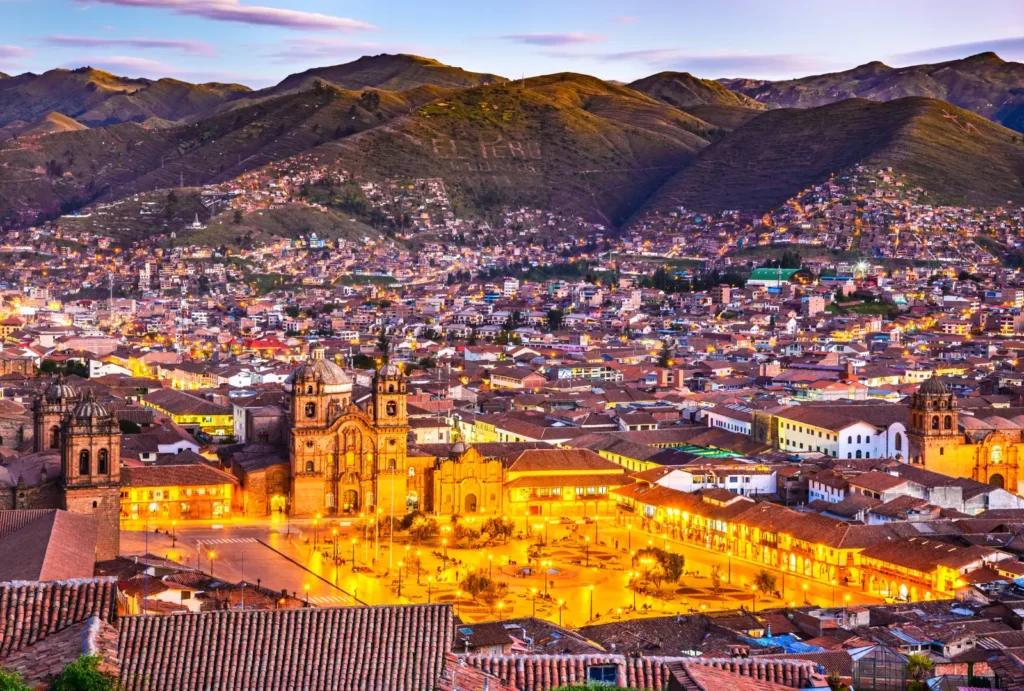
Day 1: Arrival in Cusco & Gentle Acclimatization Arrive in the ancient Inca capital. Take a short, slow walk around the Plaza de Armas and stay hydrated. Keep meals light and rest at your hotel to let your body adjust.

Day 2: Discovering Cusco’s Archeological Parks Dive into history with a half-day city tour. Visit the magnificent Qoricancha (Temple of the Sun) and explore the massive stone walls of the Sacsayhuaman fortress overlooking the city.

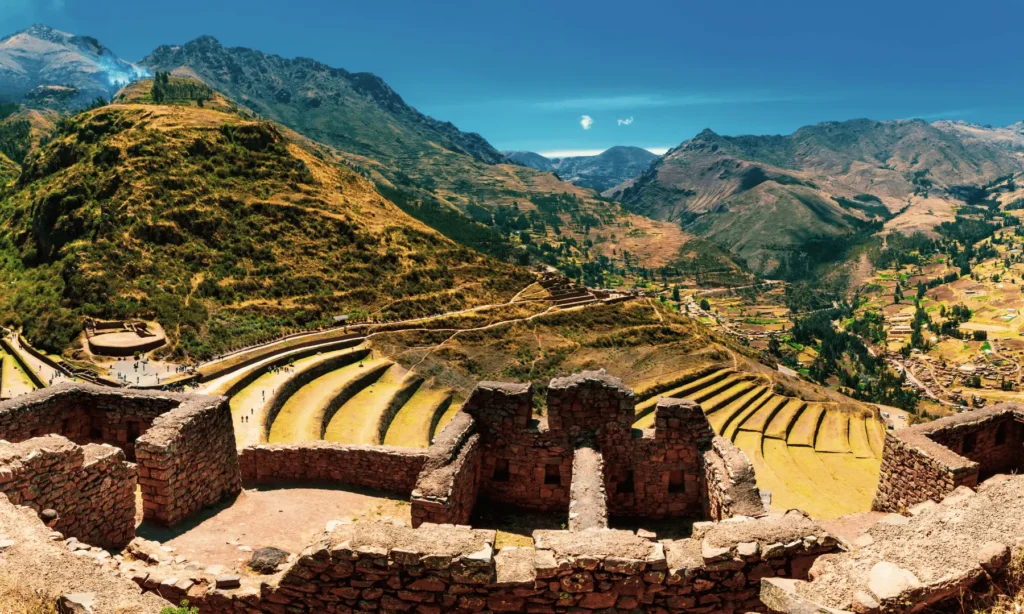
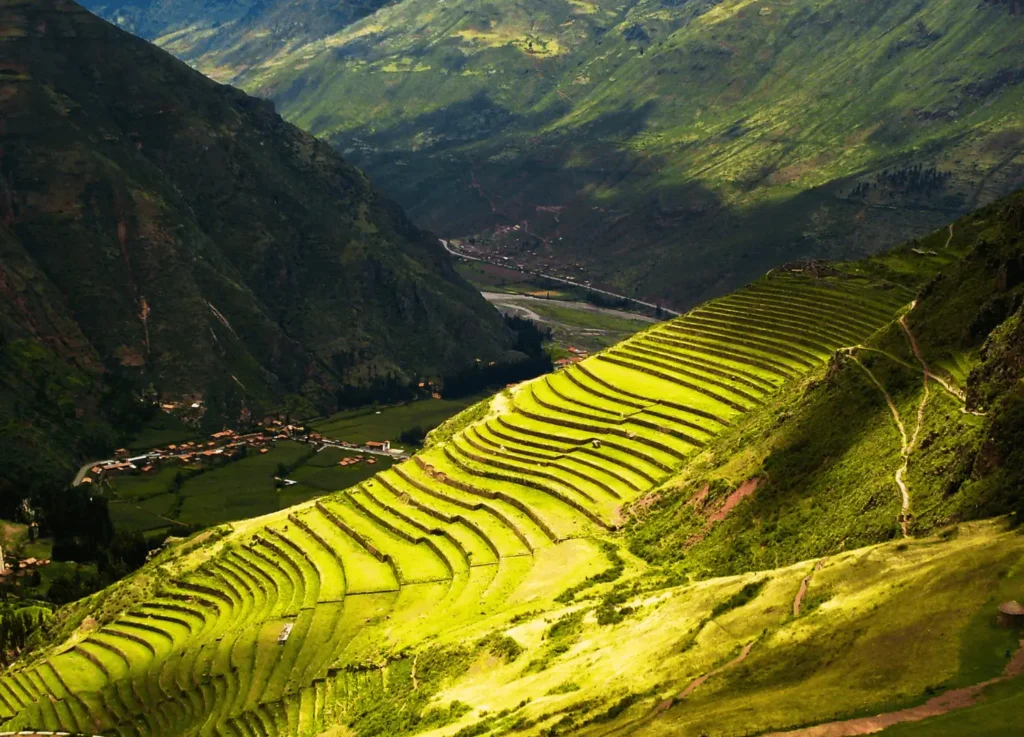
Day 3: The Breathtaking Sacred Valley of the Incas Descend into the Sacred Valley, which sits at a slightly lower altitude. Explore the vibrant Pisac artisan market and the impressive Ollantaytambo ruins before catching your evening train to Aguas Calientes.

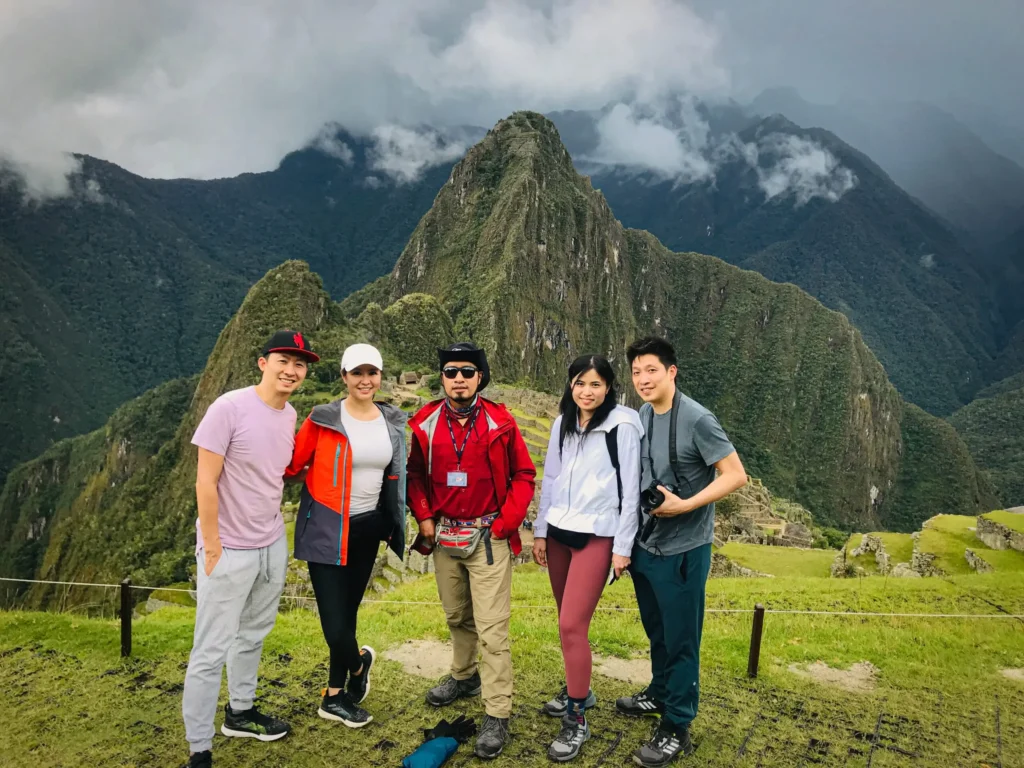
Day 4: The Crown Jewel – Machu Picchu Wake up early to catch the bus up to the citadel. Spend the morning marveling at the lost city with a guided tour, soaking in the energy of this world wonder, before taking the train back to Cusco.

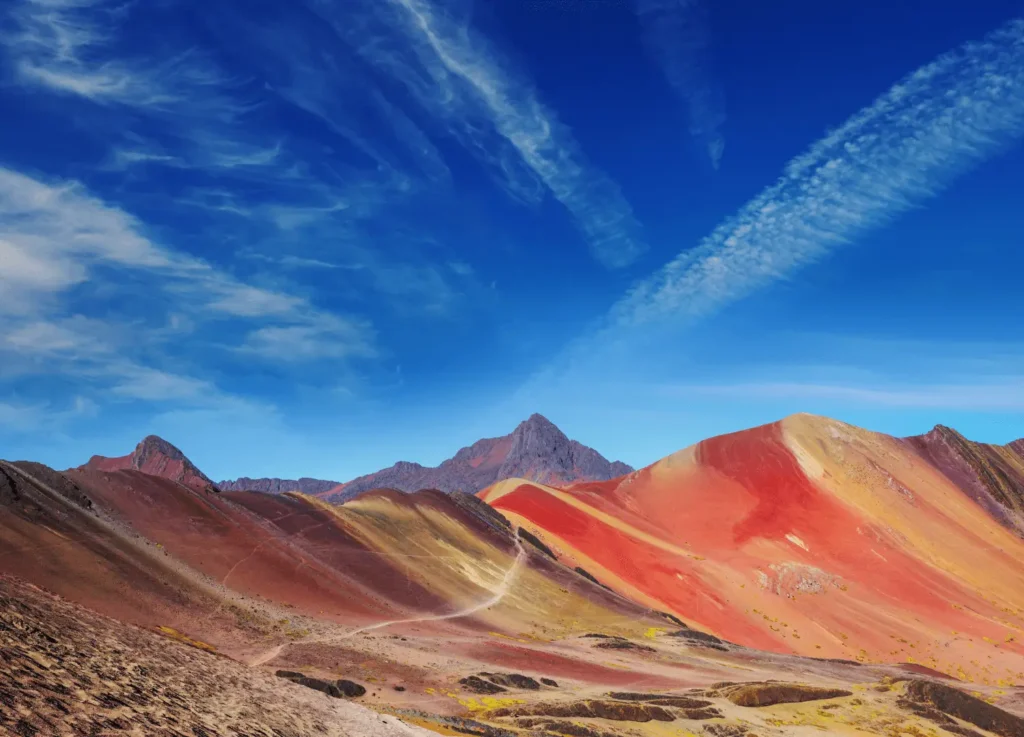
Day 5: The Colorful Rainbow Mountain (Vinicunca) Challenge yourself with a full-day trek to Rainbow Mountain. Reaching over 5,000 meters, this physically demanding but deeply rewarding hike offers surreal, multi-colored landscapes.

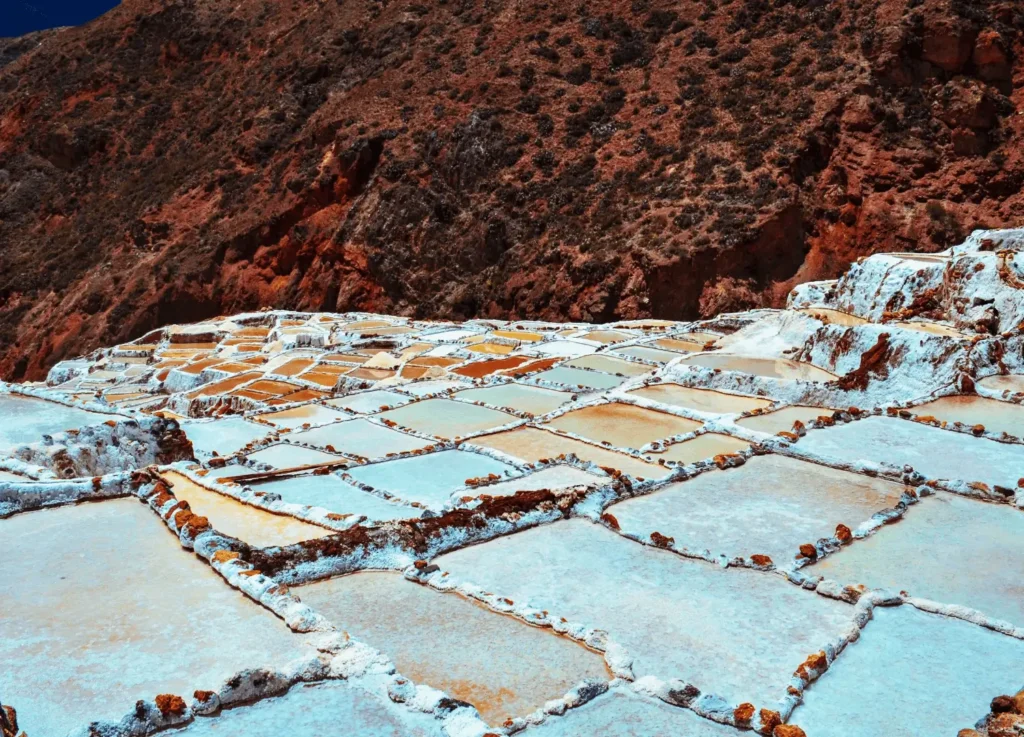
Day 6: Maras Salt Mines & Moray Terraces Enjoy a lighter adventure exploring the fascinating agricultural terraces of Moray and the thousands of sparkling salt pools at Maras. It is a fantastic day for photography.

Day 7: Final Souvenir Shopping & Departure Spend your final morning picking up high-quality alpaca textiles at the San Pedro Market before heading to the airport for your onward journey.

Estimating Your 7 day trip to peru cost

Budgeting for a week in the Andes depends heavily on your travel style. For a comfortable, mid-range experience including guided excursions, train tickets, and entrance fees, travelers usually spend between $800 and $1,500 per person.

This estimate covers local transportation, meals, and specialized guided activities. Keep in mind that securing comprehensive trek and tour packages often provides the best value and saves you from the stress of piecing together local logistics.

Essential Travel Data

To make the most of your adventure, keep these key logistical details in mind before you pack your bags:

  • Altitude: Cusco is at 3,399m (11,152 ft), the Sacred Valley is around 2,800m (9,186 ft), and Machu Picchu sits at 2,430m (7,972 ft).
  • Climate: The Andes feature a sharp contrast between sun and shade. Expect very warm, sunny days and near-freezing temperatures at night.
  • Best Season: The dry season runs from May to October, offering the clearest blue skies and safest trekking conditions.
  • Difficulty: This itinerary is moderate. While touring the ruins involves standard walking, the optional Rainbow Mountain trek is highly challenging due to extreme elevation.
  • What to Bring: Pack in layers! A thermal base, fleece mid-layer, and windproof jacket are essential. Do not forget comfortable hiking boots, a sun hat, and strong sunscreen.

Expert Tips from Local Specialists

At Peru Andes Discovery, we live and breathe the Andes. Here are our top insider recommendations for a flawless trip:

  • Respect the Altitude: Drink plenty of coca tea upon arrival and avoid heavy meals or alcohol for the first 48 hours.
  • Layer Up Daily: The temperature can swing 20 degrees from morning to afternoon. Dressing like an “onion” is the golden rule of Andean travel.
  • Pack a Daypack: For your train ride to Machu Picchu, you are only allowed a small daypack (max 8kg/17lbs). Leave your main luggage safely stored in Cusco.
  • Book Treks Early: Permits for iconic hikes like the Inca Trail or tickets for Huayna Picchu sell out months in advance. Secure your spot early!

Conclusion

Executing the perfect peru itinerary 7 days requires careful planning, a respect for high altitudes, and a thirst for adventure. By structuring your days to gradually increase in physical demand, you will enjoy a safe and truly unforgettable journey through the heart of the Inca Empire.

If you are looking for the best peru tours without the headache of organizing permits, guides, and local transportation, we are here to help.

How Much Does a Trip to Machu Picchu Cost in 2026? A Complete Breakdown

Planning to visit the legendary Inca Citadel is a dream for many, but figuring out the finances can quickly become overwhelming. You are probably wondering how to balance an unforgettable experience without breaking the bank.

Understanding your machu picchu trip cost is the first step to turning this dream into a reality. In this guide, we break down every expense so you can plan with confidence and focus on the adventure ahead.

Calculating the Average Machu Picchu Trip Cost in 2026

So, exactly how much is a trip to machu picchu? The answer depends heavily on your travel style, ranging from backpacker basics to luxury experiences.

On average, a 5-to-7-day trip starting from Cusco can cost anywhere from $500 to $2,500+ per person, excluding your international flights.

Let’s break down the core components that will dictate your overall machu picchu vacation cost.

Transportation: Flights, Trains, and Buses

Your journey begins with a flight to Lima and a connection to Cusco. Domestic round-trip flights usually range from $80 to $150 if booked in advance.

From Cusco, you will need a train to reach the town of Aguas Calientes. Round-trip train tickets (via PeruRail or Inca Rail) typically cost between $120 and $300, depending on the class of service.

Finally, the CONSETTUR bus from Aguas Calientes up to the ruins costs exactly $34 for a round trip.

Entrance Tickets and Guided Tours

A crucial part of calculating the cost of trip to machu picchu is the official entrance fee. In 2026, standard adult tickets cost approximately $45 (152 PEN).

If you want to hike the iconic Huayna Picchu or Machu Picchu Mountain, expect to pay around $60 (200 PEN) for a combined ticket.

Hiring a certified guide is highly recommended to understand the history. This usually costs between $60 and $80 for a private, 2.5-hour tour.

Accommodation and Dining

Cusco and Aguas Calientes offer fantastic options for every machu picchu budget. Backpacker hostels start at $15 a night, while comfortable mid-range boutique hotels average $70 to $120.

Food is incredibly diverse and delicious. You can enjoy a local “menú” (set lunch) for $5, or dine at world-class Peruvian restaurants for $30 to $60 per meal.

Building Your Itinerary: Essential Travel Data

Beyond just the numbers, understanding the logistics of the Andes will help you pack right and avoid unexpected expenses.

  • Altitude: Cusco sits at a lofty 3,399m (11,152 ft), while Machu Picchu is actually lower at 2,430m (7,972 ft).
  • Climate: Expect cool mornings and sunny afternoons. The dry season brings colder nights, while the wet season is milder but rainy.
  • Best Time to Go: May to October (Dry Season) is ideal. Always book months in advance, as peak season prices tend to be higher.
  • Difficulty: Exploring the main citadel requires moderate walking. Hiking Huayna Picchu is steep and physically challenging.
  • What to Pack: Layers are key! Bring a waterproof jacket, sturdy hiking boots, strong sun protection, and a refillable water bottle.

Expert Tips from Local Specialists

As local experts at Peru Andes Discovery, we want to ensure your journey is as smooth and safe as possible. Here are our top insider tips:

  • Acclimatize First: Spend at least two days in Cusco or the Sacred Valley before heading to the ruins. This helps prevent altitude sickness and ruined plans.
  • Book Tickets Early: Train and entrance tickets sell out weeks—sometimes months—in advance. Last-minute bookings will force you into much more expensive categories.
  • Bring Cash (Soles): While cards are widely accepted, small vendors, local markets, and public restrooms require Peruvian Soles.
  • Optimize Your Schedule: The earliest entrance times (6:00 AM) are popular but crowded. The afternoon shifts often offer better lighting for photos and fewer lines.

Conclusion

Determining your exact machu picchu trip cost comes down to planning early and knowing what kind of traveler you are. Whether you want to hike the classic Inca Trail or take a panoramic train, budgeting wisely makes all the difference in having a stress-free vacation.

Ready to skip the stress of planning and just enjoy the magic of the Andes?

Mincetur PromPerú Marca Perú Gercetur