
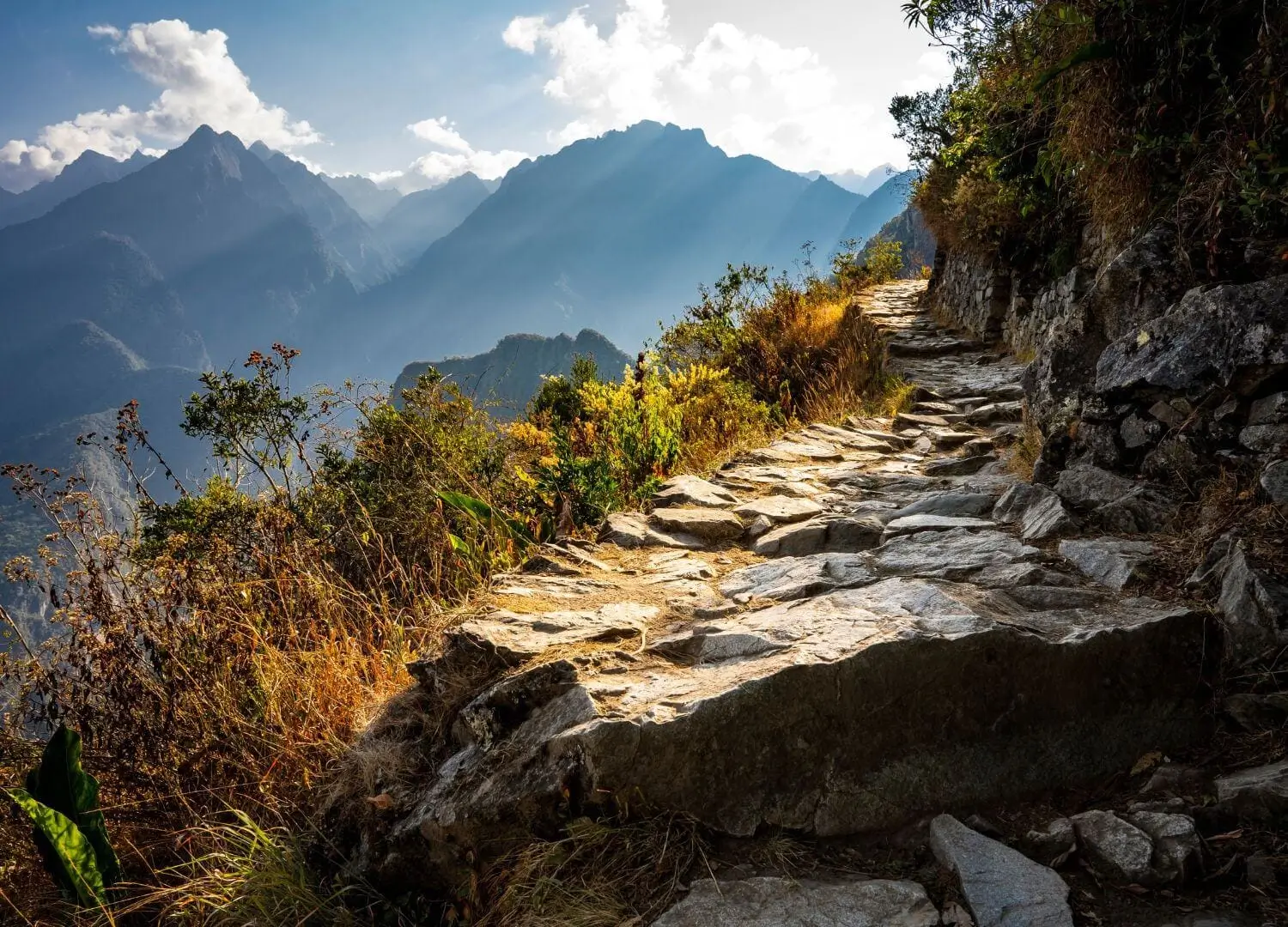
Is walking the ancient stone paths of the Andes at the very top of your bucket list? You are certainly not alone.
Many travelers dream of this adventure but feel overwhelmed by the planning, logistics, and physical preparation required.
The legendary Inca Trail to Machu Picchu is the ultimate solution for those seeking an authentic historical journey, breathtaking landscapes, and an unforgettable physical challenge.
Why the Inca Trail to Machu Picchu is the Ultimate Trek
There are many beautiful paths across the Andes, but absolutely nothing compares to the original route carved by the ancient Inca empire.
This iconic Inca Trail hike takes you through incredibly diverse ecosystems, transitioning from high-altitude mountain passes to lush, humid cloud forests.
Along the way, you will explore exclusive, pristine archaeological sites that can only be reached on foot by those who take this historic path.
What to Expect on the 4 Day Inca Trail
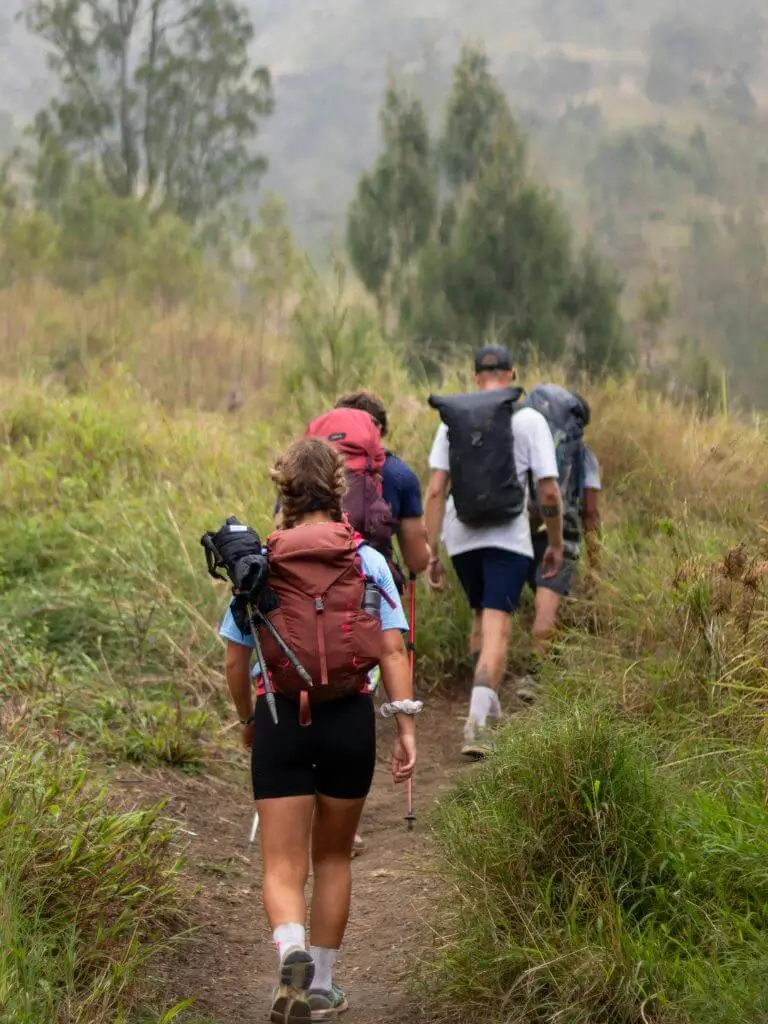
Embarking on the 4 day Inca Trail requires preparation and a deep respect for the mountains. Here is the essential data you need to know before packing your bags:
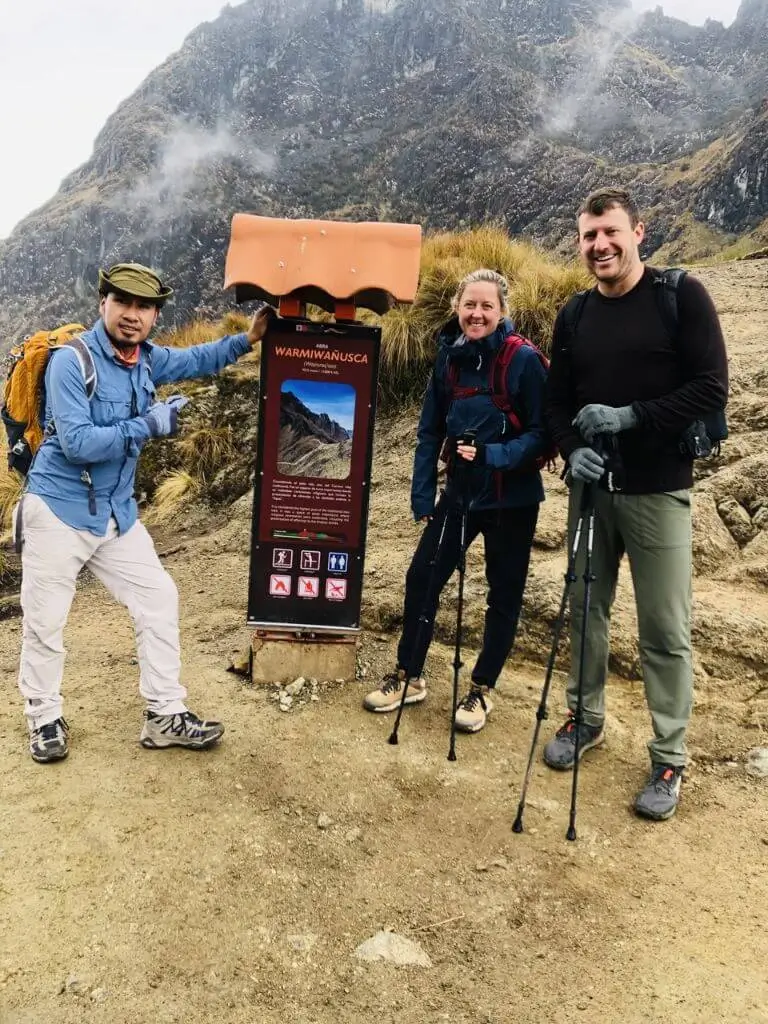
- Maximum Altitude: 4,215 meters (13,828 feet) at the infamous Dead Woman’s Pass (Warmiwañusca).
- Difficulty: Challenging. You will hike approximately 43 kilometers (26 miles) over steep, uneven, and historic stone terrain.
- Weather: Highly variable. Expect freezing temperatures at night in the high camps and warm, humid heat during the day in the jungle sections.
- Best Season: The dry season, from May to October, provides the safest trail conditions and the clearest, most spectacular views.
Crucial Information About Inca Trail Permits
One of the biggest mistakes travelers make is waiting too long to book their trek, assuming they can arrange it upon arrival.
To protect the fragile trail, the Peruvian government strictly limits access to only 500 people per day, a number that includes all guides, chefs, and porters.
This means securing your Inca Trail permits is your absolute top priority. They consistently sell out up to six months in advance, especially for the high season!
What to Bring on the Trail
A successful and comfortable journey starts with a smart packing list. Keep your daypack light and let your dedicated porters handle the heavy camp gear.
- Essential Documents: Your original physical passport is strictly required at all checkpoints. No passport means no entry to the trail.
- Footwear: Sturdy, waterproof hiking boots with excellent ankle support are non-negotiable for the uneven Inca stones.
- Layered Clothing: Pack thermal base layers for freezing nights, and breathable, moisture-wicking shirts for the active hiking days.
- Trekking Gear: A warm sleeping bag (rated for -10°C), a reliable headlamp, rubber-tipped trekking poles, and a reusable water bottle or hydration bladder.
Consejos de Experto: Insider Tips for a Safe Journey
As local trekking experts at Peru Andes Discovery, we want you to conquer the trail safely and enjoy every single step. Follow these insider tips:
- Master Acclimatization: Spend at least two or three full days in Cusco (3,400m) before you start. Drink plenty of local coca tea and avoid heavy meals or alcohol.
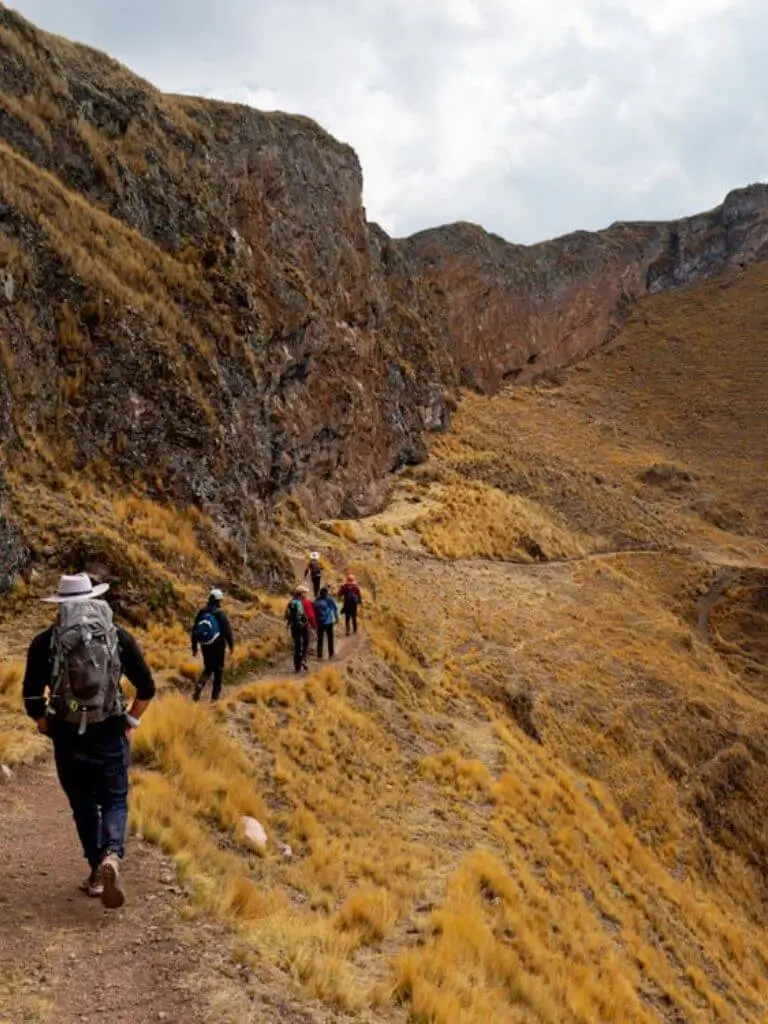
- Pace Yourself: The high altitude makes this a marathon, not a sprint. Walk at your own rhythm, take small steps on the steep inclines, and listen to your body.
- Respect the Porters: Our amazing local “chasquis” carry the camps and food. Always step to the mountainside to give them the right of way on narrow paths.
- Hydrate Constantly: Drink at least 2 to 3 liters of water daily. The combination of high altitude and heavy physical exertion will dehydrate you faster than normal.
Conclusion
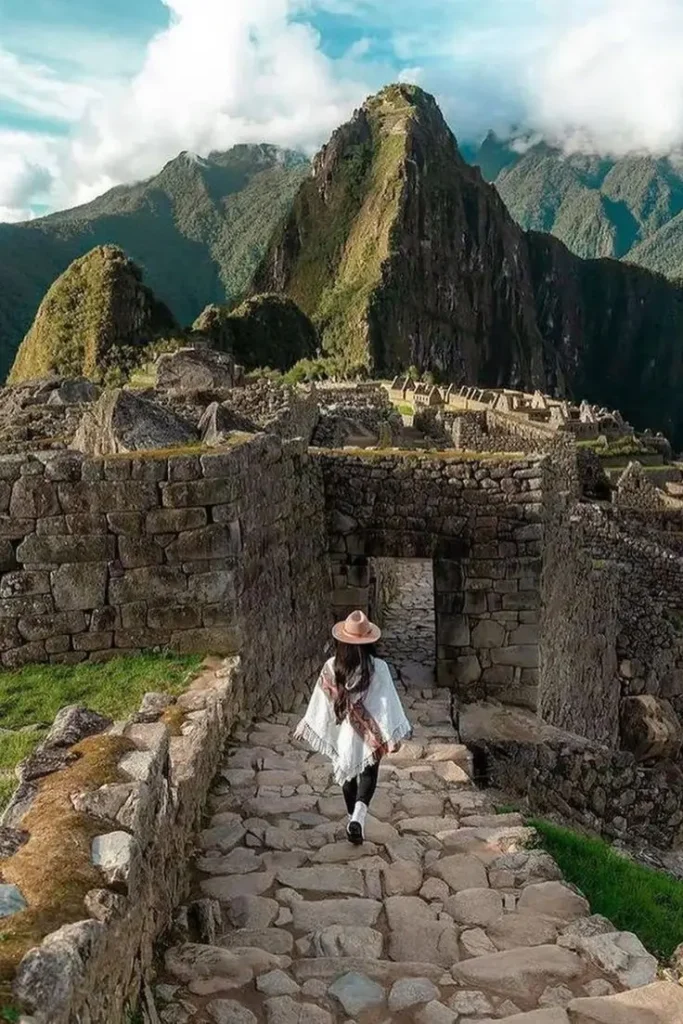
Conquering the Inca Trail to Machu Picchu is a truly life-changing experience that demands physical effort but rewards you with unparalleled glory as you step through the Sun Gate.
From the mysterious ancient ruins to the stunning Andean peaks, every drop of sweat and every challenging step is absolutely worth it.