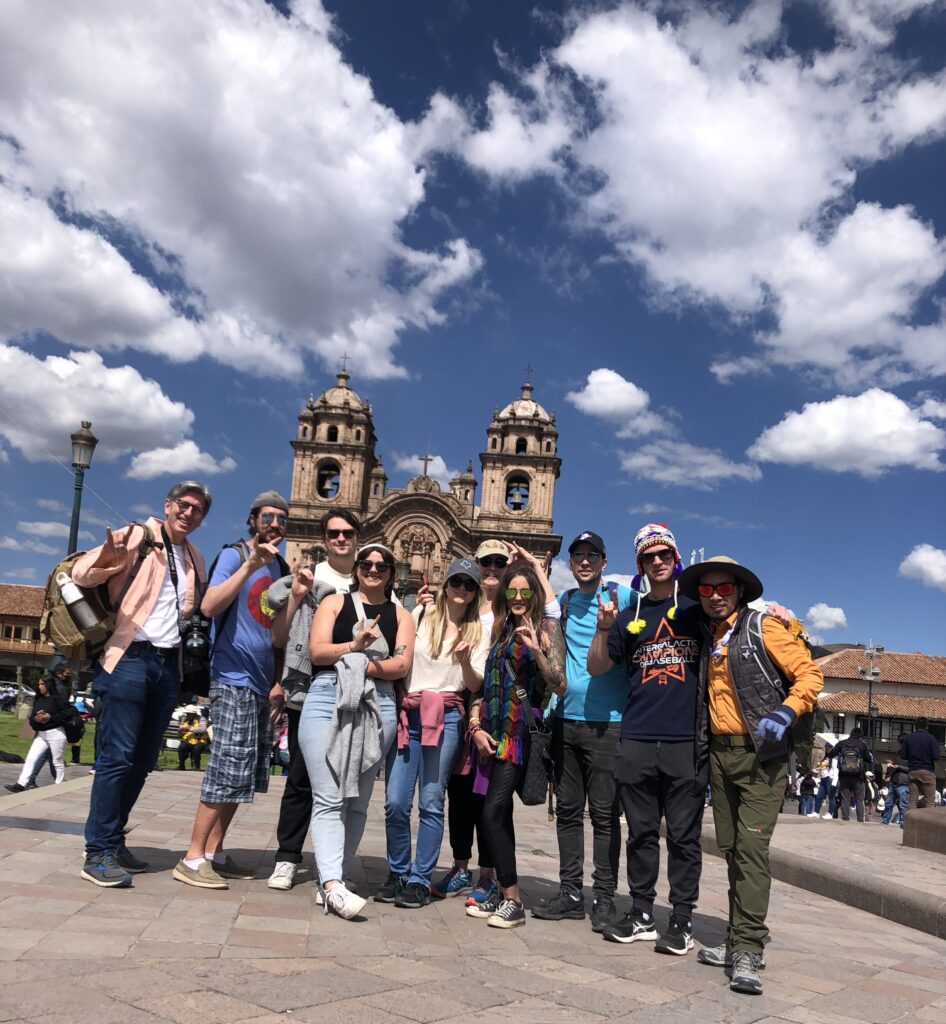
Machu Picchu Hiking Tour Recommendations: Your Complete Guide to an Unforgettable Adventure
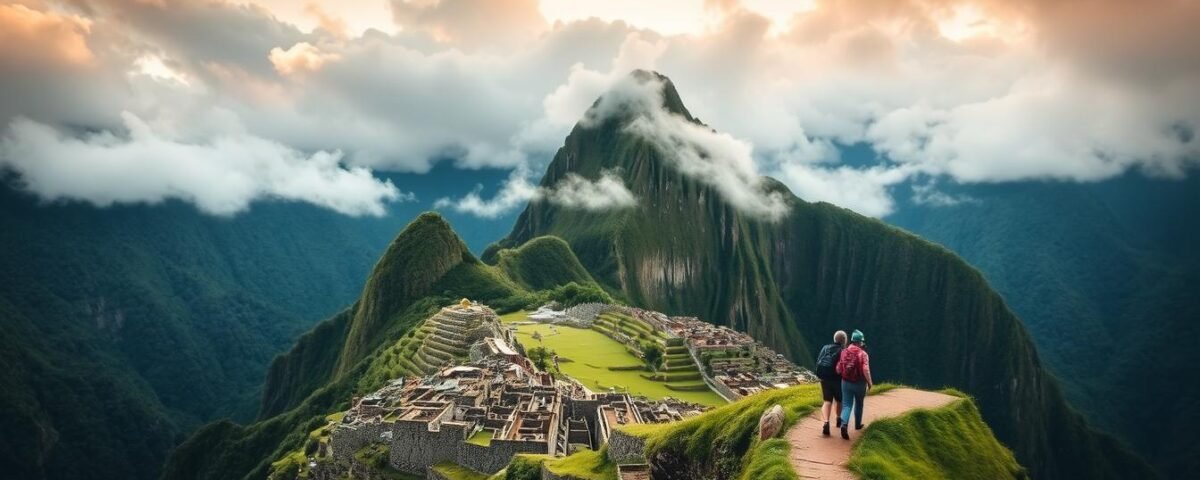
Few destinations in the world capture the imagination like Machu Picchu. This Inca citadel, hidden between lush mountains and wrapped in layers of mist, is more than a travel destination—it’s a once-in-a-lifetime encounter with nature, culture, engineering, and spiritual wonder. Whether you’re planning your first trip or returning to experience the magic again, hiking to Machu Picchu is one of the most rewarding ways to explore Peru.
As a leading adventure operator in Cusco, Peru Andes Discovery has guided thousands of travelers across the Andes. In this complete guide, we share our top recommendations, essential tips, trail comparisons, and expert insights to help you plan the perfect Machu Picchu hike.
This article also answers common questions many travelers have, including Machu Picchu pronunciation, Machu Picchu altitude details, what to expect from the hikes, where to eat near the citadel, and how to get the best Machu Picchu photos during your trip.
How to Pronounce Machu Picchu Correctly
Before diving into the trails and tips, let’s begin with one of the most common questions travelers ask: How do you pronounce Machu Picchu?
The correct pronunciation is:
“MAH-choo PEEK-choo”
- Machu = MAH-choo
- Picchu = PEEK-choo
Many people mistakenly say “Machu Pichu,” but the true name includes the “cc” sound.
In Quechua, the language of the Incas, Machu Picchu means “Old Mountain.” This is a perfect description of the towering peak that shelters the ruins.
Understanding Machu Picchu: A Short History
No journey to Machu Picchu is complete without understanding its origin and significance. Built in the 15th century by the Inca emperor Pachacútec, Machu Picchu served as a royal estate, astronomical observatory, and religious sanctuary. Its exact purpose remains mysterious, adding even more allure to the site.
Key facts about Machu Picchu history:
- Construction began around 1450 AD
- Abandoned during the Spanish conquest
- Rediscovered by explorer Hiram Bingham in 1911
- Declared a UNESCO World Heritage Site in 1983
- Named one of the New Seven Wonders of the World in 2007
The precision of the stonework, alignment with celestial bodies, and advanced engineering showcase the brilliance of the Inca civilization.
Machu Picchu Altitude: What You Need to Know
Altitude is a concern for many travelers. Here’s what to expect:
- Machu Picchu altitude: 2,430 meters / 7,972 feet
- Cusco altitude: 3,400 meters / 11,152 feet
- Sacred Valley altitude: 2,700 – 2,900 meters
This means Machu Picchu is actually lower than Cusco. Most travelers experience altitude symptoms in Cusco first, not at Machu Picchu.
Tips to avoid altitude problems:
- Stay in the Sacred Valley the first night if possible
- Avoid intense physical activity on arrival day
- Drink water frequently
- Try coca tea or coca leaves
- Eat light meals
- Descend if symptoms become severe
If you’re planning a Machu Picchu hike, your acclimatization is even more important.
Best Machu Picchu Hiking Tours – Peru Andes Discovery Recommendations
There are several ways to reach Machu Picchu, each offering different landscapes, difficulty levels, and cultural experiences. Below are our top recommended hiking routes.
1. The Classic Inca Trail (4 Days / 3 Nights)
The Legendary Royal Road of the Incas
The Inca Trail is the most iconic route to Machu Picchu and the only hike that leads directly to the Sun Gate (Inti Punku) inside the archaeological site.
Highlights
- Walk on original Inca stone paths
- Explore ruins such as Wiñay Wayna and Runkurakay
- Enter Machu Picchu at sunrise through the Sun Gate
- Dramatic mountain and cloud forest scenery
Difficulty: Moderate to challenging
Distance: 42 km (26 miles)
Who is this trail for?
Hikers who want a mixture of archaeology, history, and unforgettable scenery. This is the classic bucket-list trek.
2. Short Inca Trail (2 Days / 1 Night)
Ideal for Limited Time or Moderate Fitness
The Short Inca Trail is perfect for travelers who want a taste of the Inca Trail experience without the full 4-day commitment.
Highlights
- Includes the Sun Gate arrival
- Visit Wiñay Wayna ruins
- One day of hiking, one day exploring Machu Picchu
- Great for families
Difficulty: Easy to moderate
Distance: 10–12 km (6–7 miles)
Best for
Travelers with less time, beginners, and those who want beautiful views without strenuous hiking.
3. Salkantay Trek (4–5 Days)
A Stunning Alternative With Dramatic Landscapes
Named one of the World’s Top 25 Treks by National Geographic, the Salkantay Trek takes you through glaciers, cloud forests, and jungle terrain.
Highlights
- Incredible view of Salkantay Mountain (6,271 m)
- Humantay Lake – one of Peru’s most beautiful lakes
- Diverse ecosystems
- No permit limitations like the Inca Trail
Difficulty: Challenging
Distance: 60 km (37 miles)
Best for
Adventurous hikers looking for rugged beauty and panoramic views.
4. Lares Trek (3–4 Days)
Cultural Immersion With Andean Communities
The Lares Trek focuses on local culture, passing through remote Quechua villages where traditional weaving, llama herding, and farming still thrive.
Highlights
- Meet local Andean families
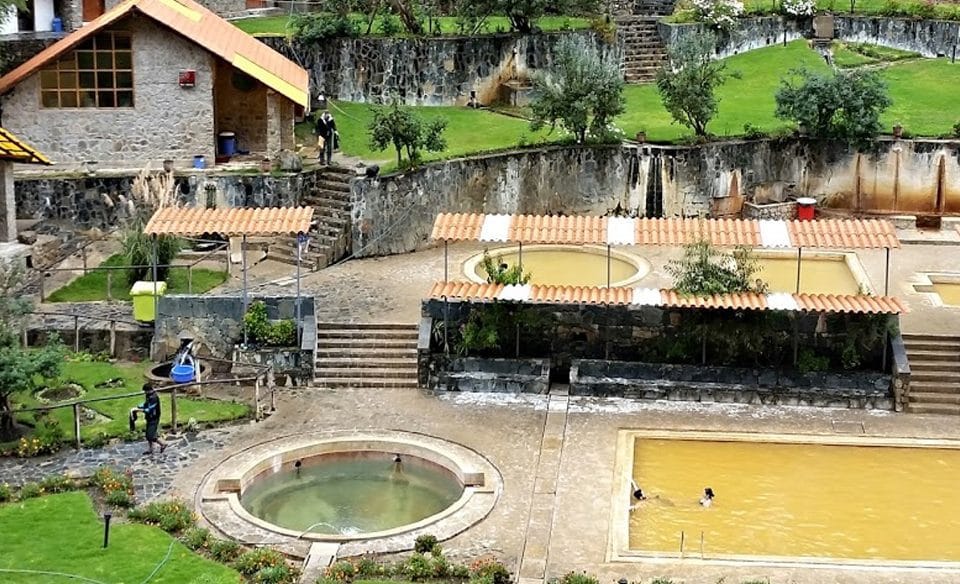
- Natural hot springs
- Amazing views of the Sacred Valley
- Beautiful lakes and mountains
Difficulty: Moderate
Distance: 33–40 km depending on route
Best for
Travelers seeking a cultural experience with fewer crowds.
5. Choquequirao to Machu Picchu Trek (8–9 Days)
The Ultimate Expedition
This is one of the toughest and most rewarding hikes in Peru. The trail connects two of the greatest Inca cities: Choquequirao and Machu Picchu.
Highlights
- Explore the “sister city” of Machu Picchu
- Remote landscapes and deep canyons
- A true expedition-style trek
Difficulty: Very challenging
Best for: Experienced hikers
Best Time of Year to Hike to Machu Picchu
Dry Season (Best): May – September
Beautiful weather, clear skies for Machu Picchu photos, but higher demand.
Shoulder Season: April & October
Fewer crowds and mostly nice weather.
Rainy Season: November – March
Not ideal for the Inca Trail (closed in February), but still possible for Salkantay, Lares, and other treks.
Tips for the Best Machu Picchu Photos
No matter how many photos you’ve seen online, nothing compares to seeing Machu Picchu with your own eyes. But to capture the best images, consider these tips:
1. Arrive Early or Late
The best lighting is during:
- Sunrise (6:30–8:00 AM)
- Golden hour (3:30–5:00 PM)
2. Bring the Right Gear
- Phone + power bank
- DSLR or mirrorless camera
- Wide-angle lens
- Lightweight tripod (optional)
3. Visit the Upper Terraces
This is where the classic postcard-perfect angle is found.
4. Avoid Cloudy Mornings in Rainy Season
Mist can hide the ruins, though photos can still be atmospheric.
5. For Hiking Photos
The Sun Gate, Inca Bridge trail, and Huayna Picchu summit offer stunning perspectives.
Where to Eat: Best Machu Picchu Restaurants
Although food options near the ruins are limited, you can still enjoy a great meal before or after your tour.
1. Tinkuy Buffet Restaurant (Belmond Sanctuary Lodge)
The only restaurant next to Machu Picchu. Ideal for travelers who want a premium experience.
2. Full House Restaurant (Aguas Calientes)
One of the most popular restaurants overlooking the river.
3. Mapacho Craft Beer & Peruvian Cuisine
Great for Peruvian dishes and craft beer after your hike.
4. Indio Feliz
A French-Peruvian fusion restaurant that travelers love.
If you’re hiking with Peru Andes Discovery, meals during your trek are prepared by our professional mountain chefs using fresh, local ingredients.
Essential Packing List for Your Machu Picchu Travel
To ensure a smooth trip, here’s what you should bring:
Clothing
- Light layers
- Waterproof jacket
- Comfortable hiking shoes
- Hat and sunglasses
- Warm clothes for evenings
Gear
- Reusable water bottle
- Rain cover for backpack
- Headlamp (for multi-day hikes)
- Sunblock and mosquito repellent
- Passport (required to enter Machu Picchu)
Optional
- Trekking poles
- Small first-aid kit
- Snacks (nuts, chocolate, granola bars)
Guided Tour vs. Independent Hiking
Independent travel
- More flexible
- Requires planning
- Not allowed on the Inca Trail (you need a licensed guide)
Guided tour (recommended)
- Safe and well organized
- Includes transportation, entrance tickets, meals, porters
- Offers deep cultural and historical knowledge
- Ensures correct acclimatization plan
- No stress—just enjoy the journey
Peru Andes Discovery provides professional guides, certified equipment, and high-quality service on all Machu Picchu hiking routes.
Final Recommendations for Your Machu Picchu Hike
- Book early, especially for the Inca Trail (sold out months in advance).
- Spend 2–3 days acclimatizing before hiking.
- Choose the right tour based on your fitness and interests.
- Bring your passport to enter Machu Picchu.
- Stay hydrated and walk at a steady pace.
- Enjoy the scenery — every step brings you closer to history.
Hiking to Machu Picchu is more than a physical challenge. It’s a spiritual journey across ancient pathways, a chance to connect with the Andes, and an unforgettable experience filled with culture, mystery, and breathtaking beauty.
Whether you choose the Inca Trail, Salkantay Trek, Lares Trek, or any of the alternative routes, Peru Andes Discovery is here to guide you every step of the way.
Related posts